Emerging
325 catalogue entries: commercial platforms, research systems and historical projects. Check maturity and availability in each profile.
Explore humanoids from different manufacturers and learn about the models that interest you. Add the ones you want to assess to comparison.
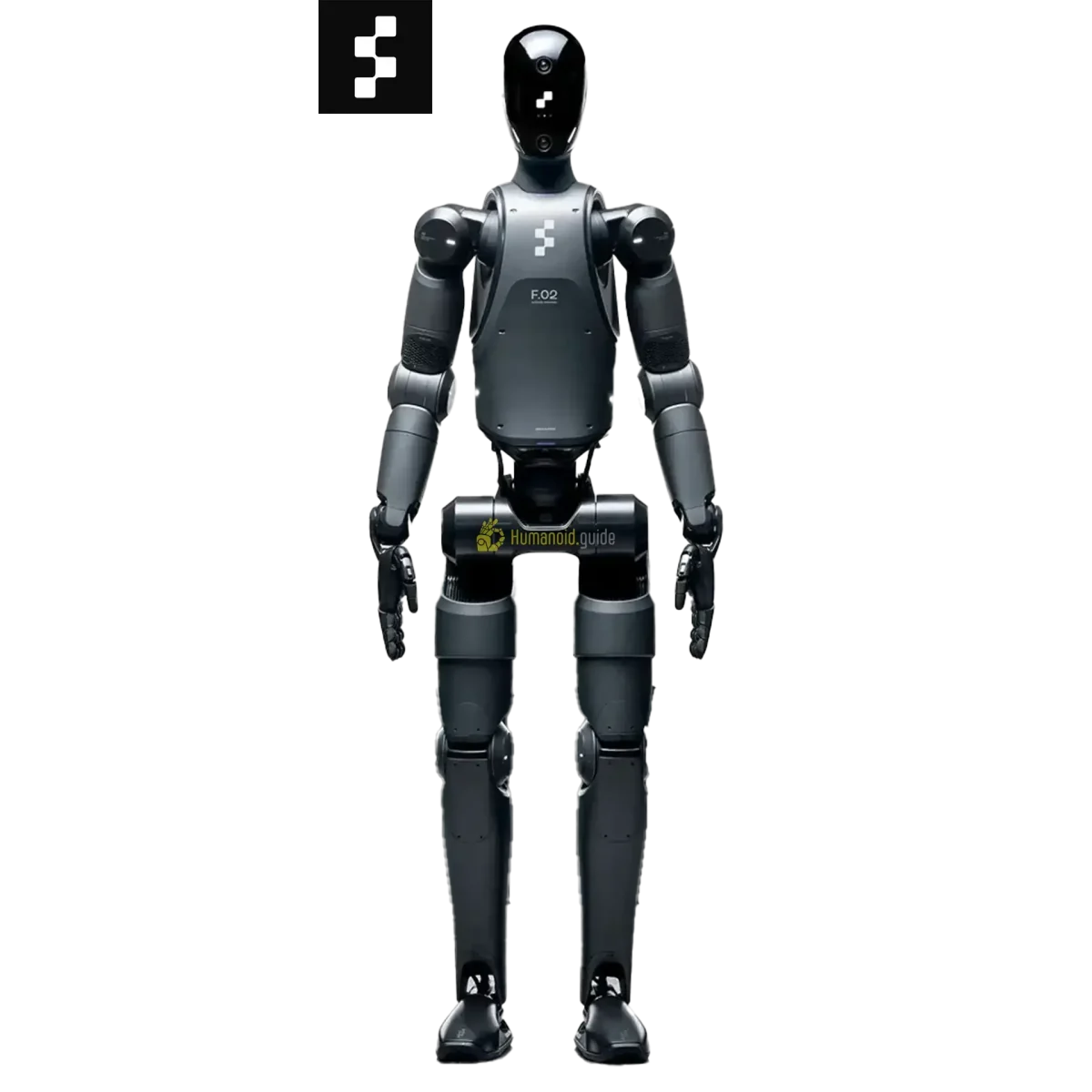
Emerging technology: confirm availability and production use with the supplier.
28 DOF, 25 kg payload, in pilota BMW 2024-2025; early-access non venduto pubblicamente. Tecnologia emergente, non ancora matura per produzione continua.
Drag the card or use the buttons or the ← → arrows
Catalogue entries include commercial platforms, research systems and historical projects. Verify maturity, availability and suitability for each configuration with the supplier.
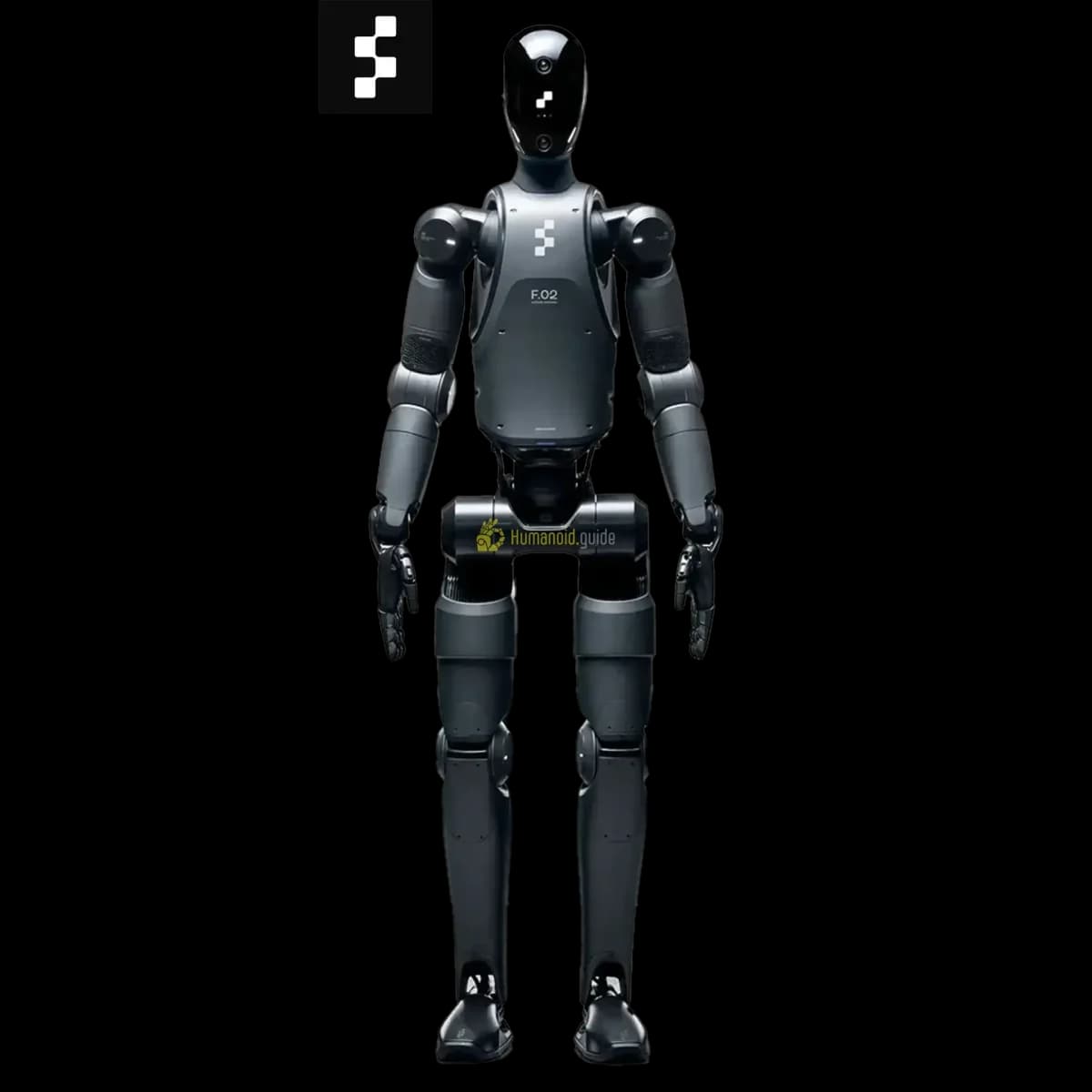
28 DOF, 25 kg payload, in a BMW pilot in 2024-2025; early access, not publicly sold. Emerging technology, not yet mature for continuous production.
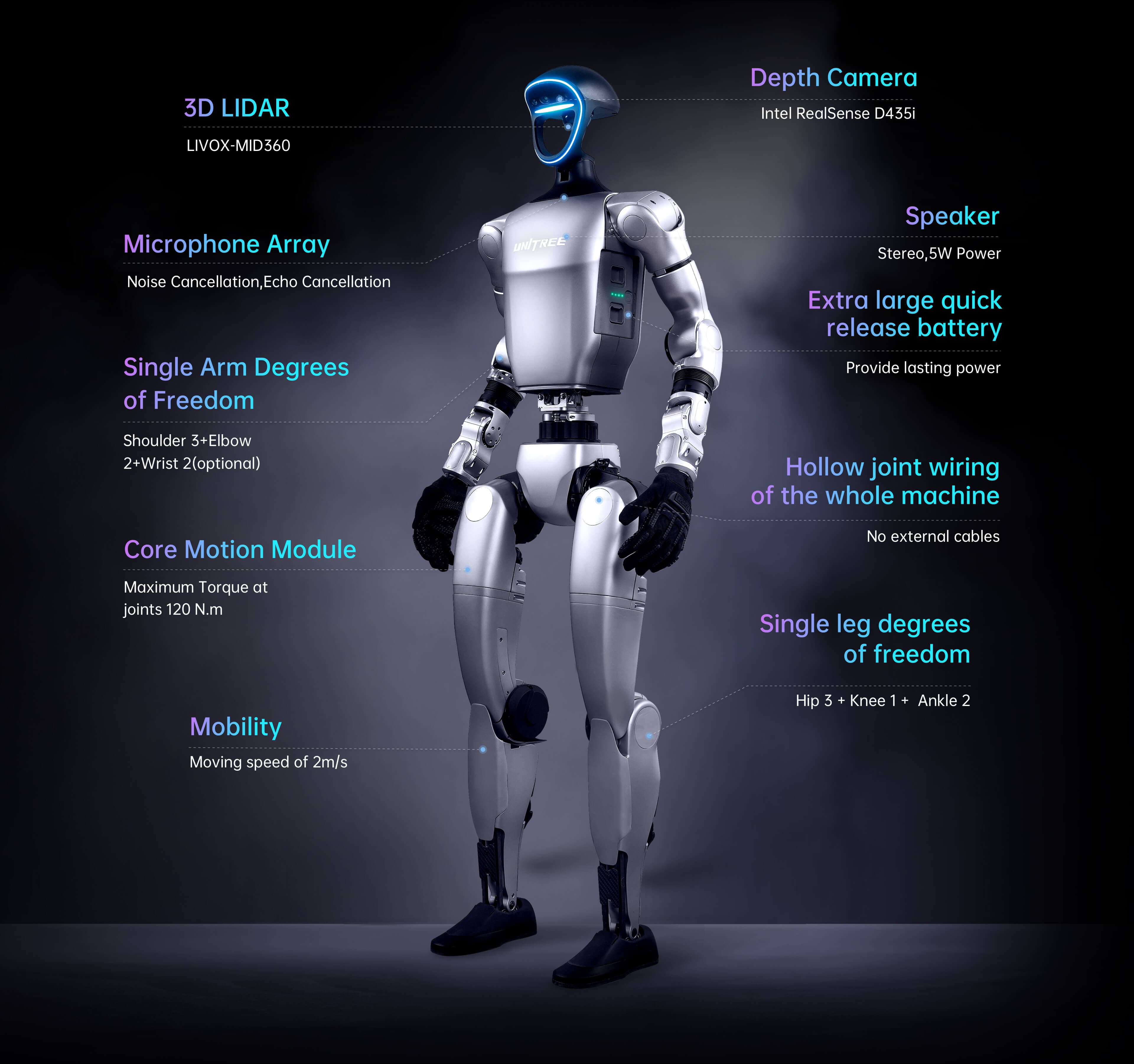
23 DOF, 2 kg payload (lightweight hands), entry-level price $16k; available for sale but better suited to R&D than heavy industrial use. Emerging technology.
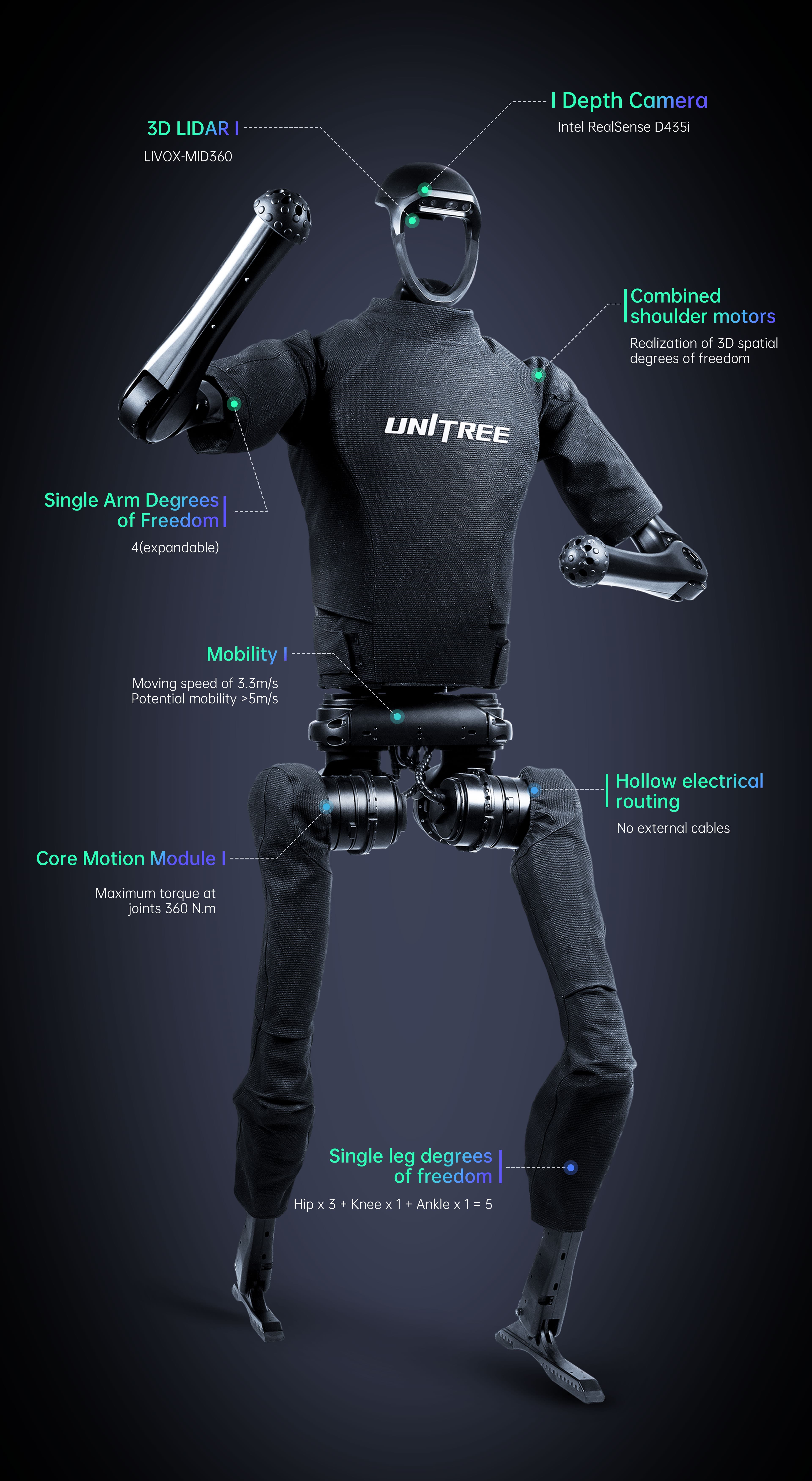
19 DOF, 30 kg payload, humanoid speed record of 3.3 m/s; commercially available but mainly used for R&D and industrial pilots. Emerging technology.
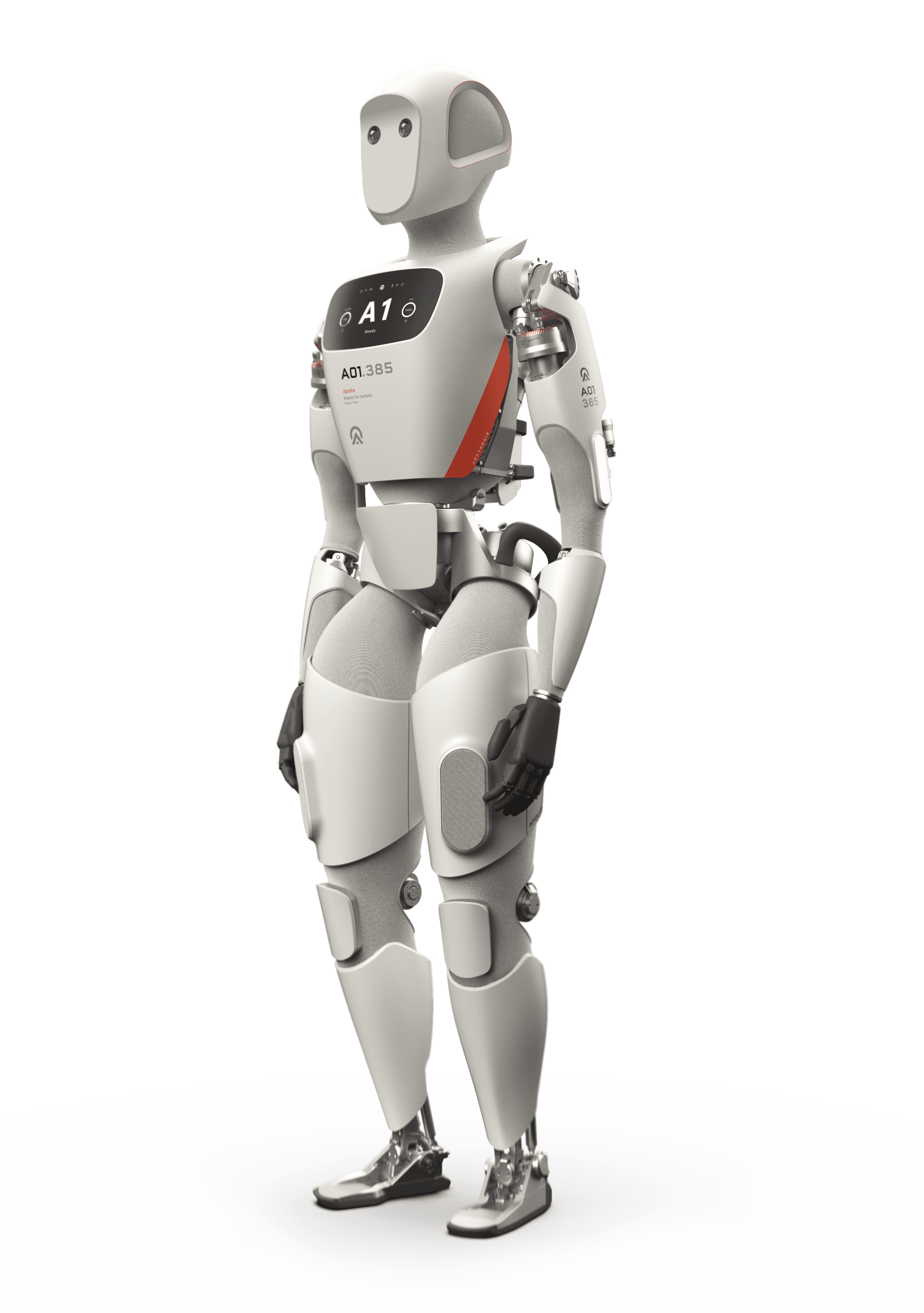
25 kg payload, in a Mercedes-Benz pilot in 2024; Google/Jabil partnership for scaling. Not available for public purchase. Emerging technology.
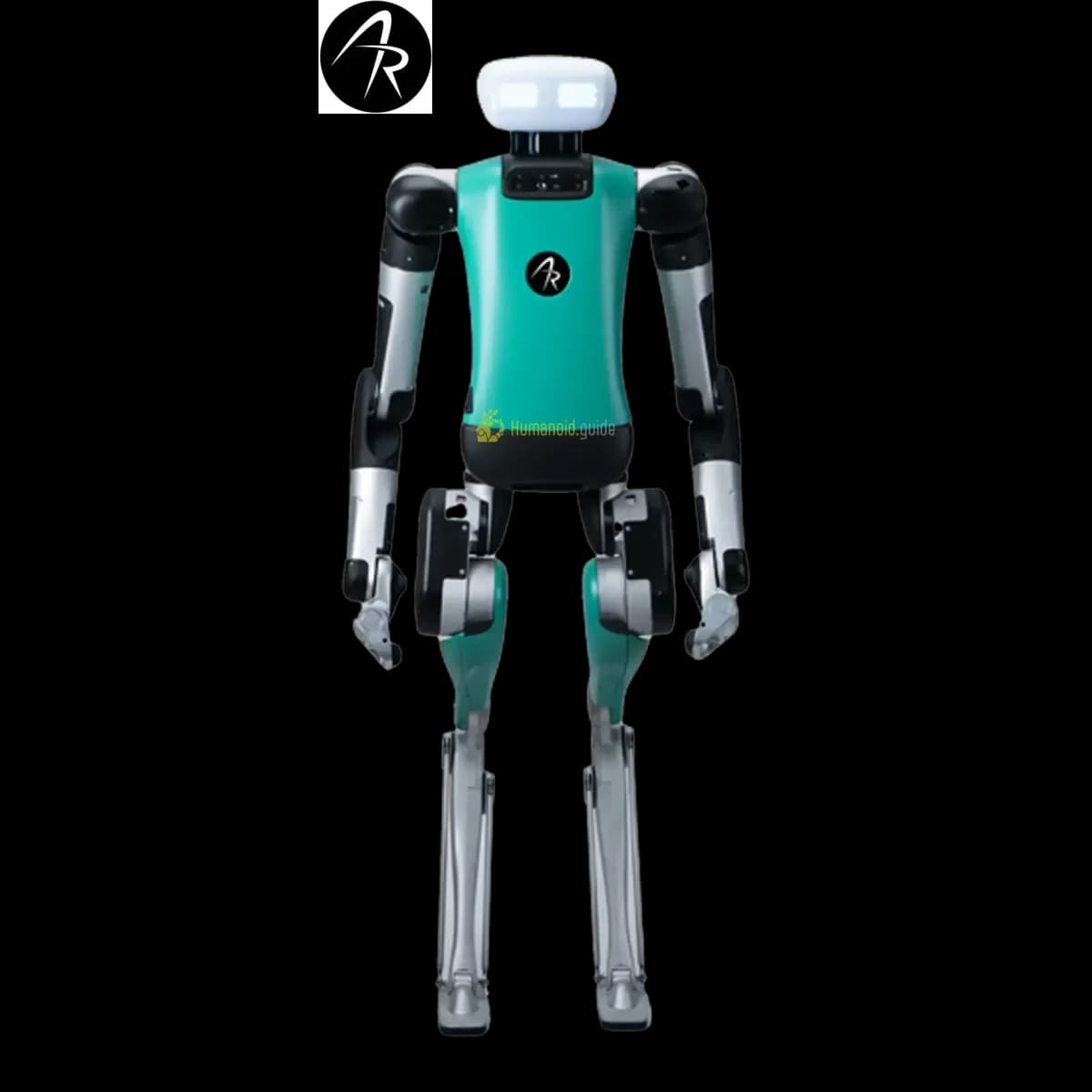
16 DOF, 16 kg payload, deployed in an Amazon pilot in 2024; first humanoid in commercial production (RoboFab, Salem OR). Early-access price ~$250k. Emerging technology.
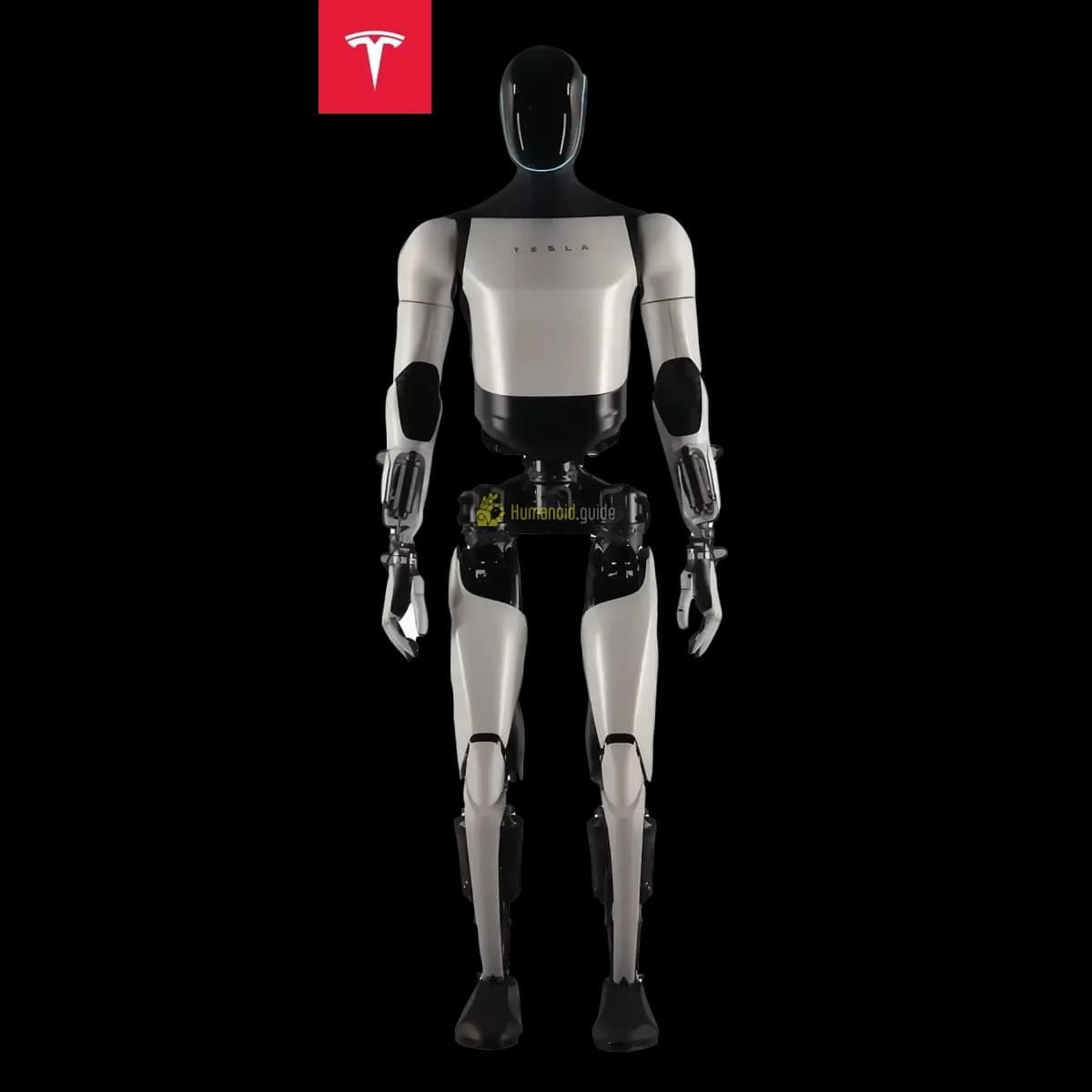
28 DOF, 20 kg payload, in internal use at Tesla factories (Fremont, Austin) for battery sorting. No external sales announced. Emerging technology.
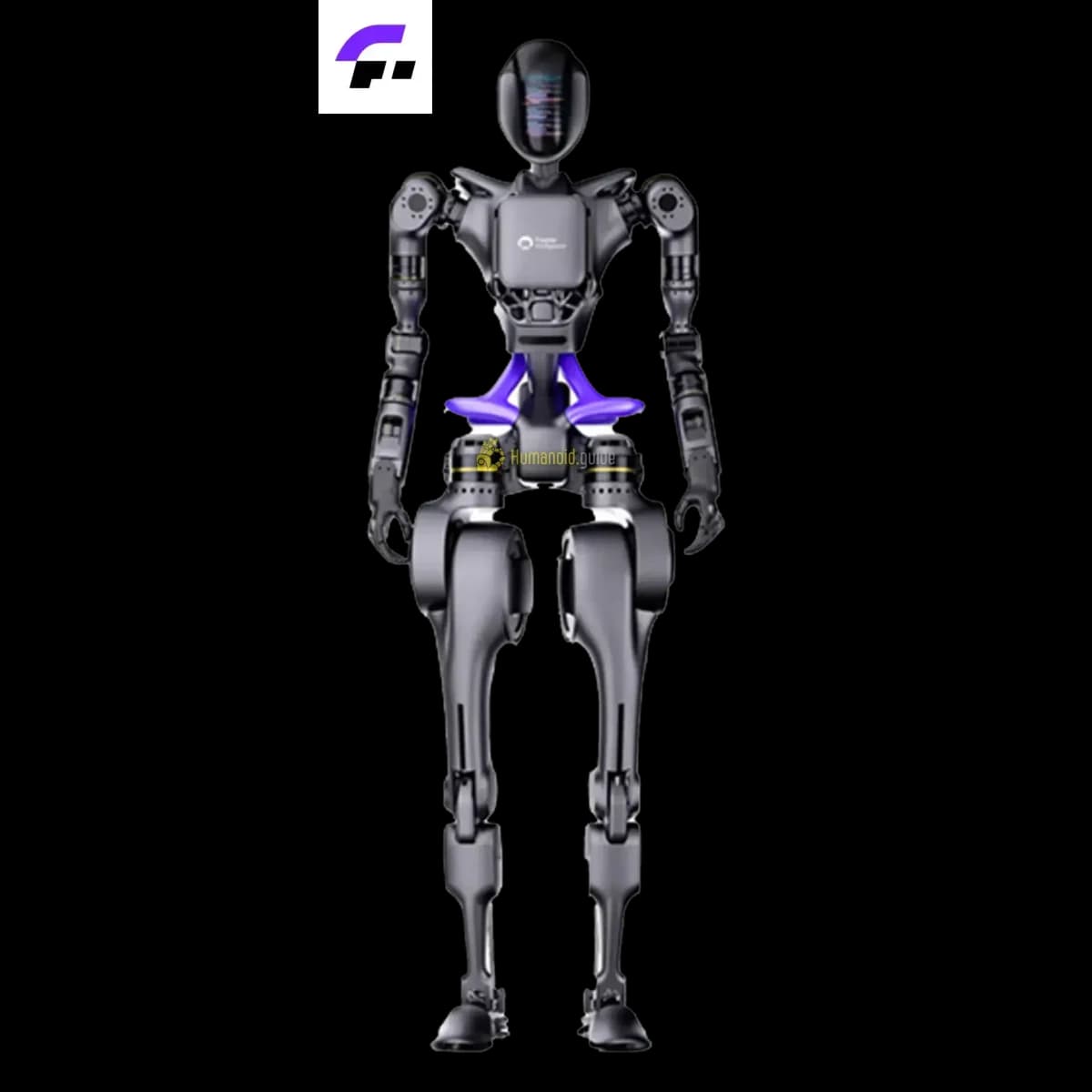
40 DOF, 50 kg payload, deployed in Chinese hospitals and European automotive factories. The GR-1 generation has now been replaced by GR-2/GR-3. Emerging technology.
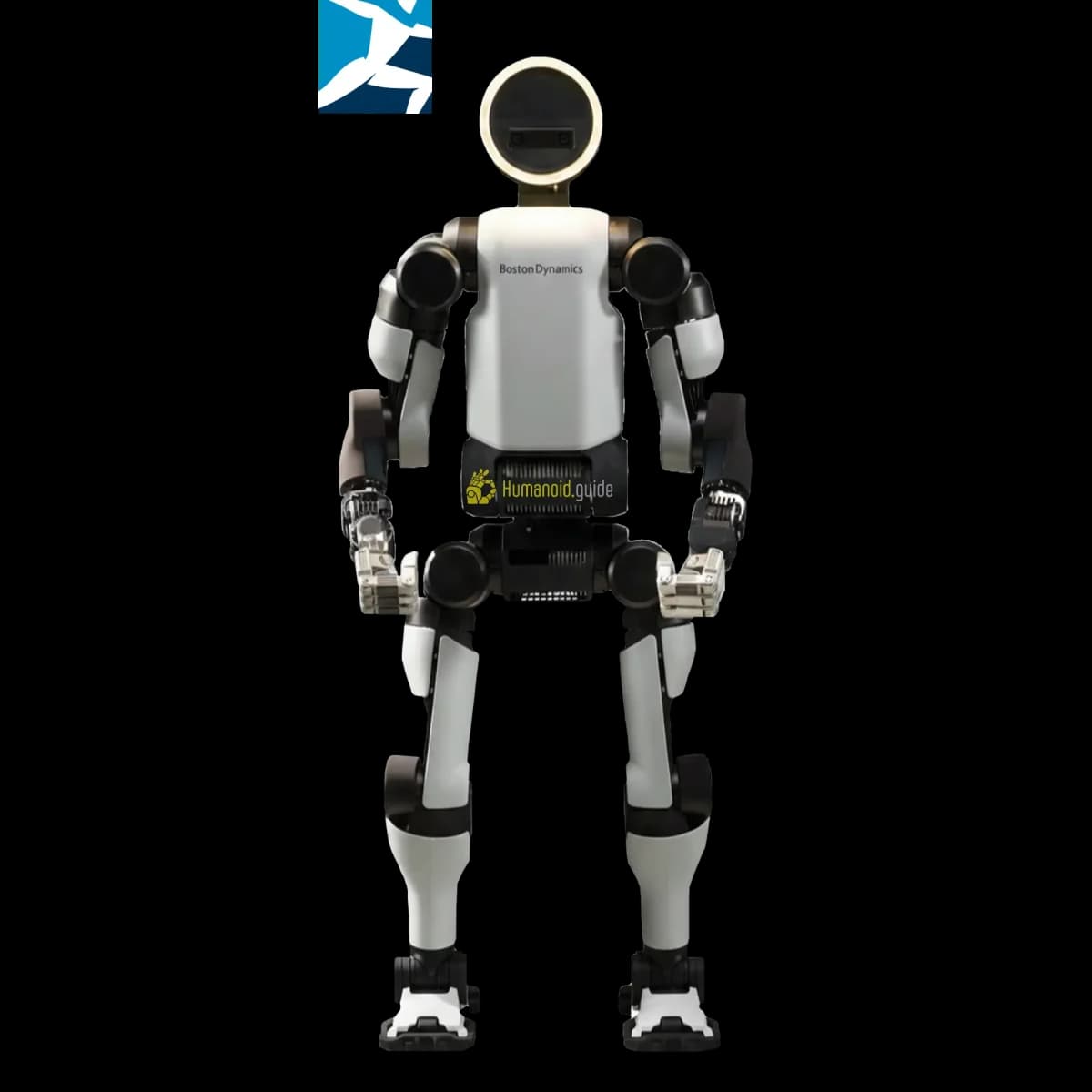
56 DOF, 50 kg payload, first fully electric version (2024); pilot collaboration with Hyundai. Not publicly sold, focused on internal industrial use. Emerging technology.
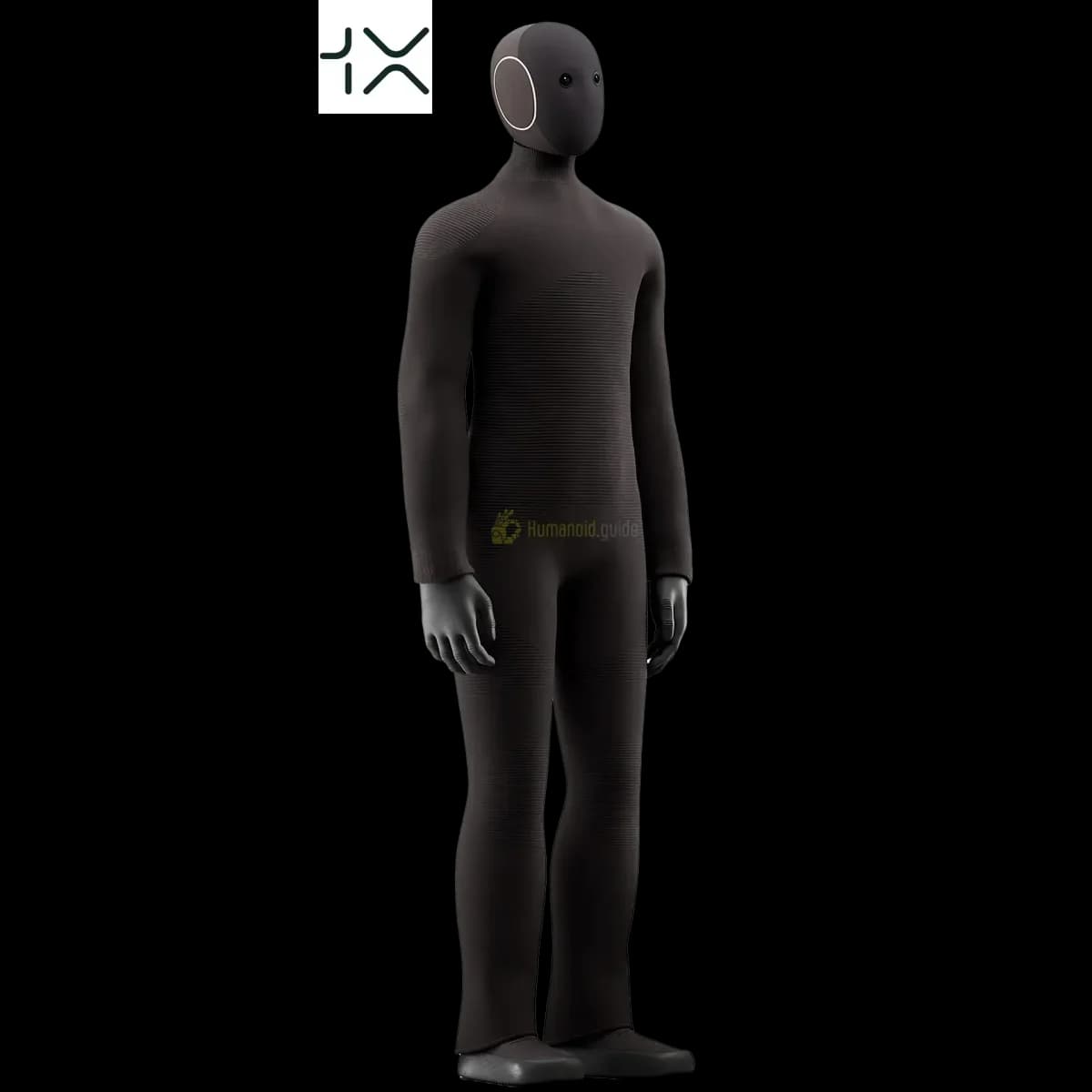
25 kg payload, pre-orders open at $20k (early access 2025); designed for domestic/service environments, not heavy industry. Among the more accessible humanoids to integrate. Emerging technology.
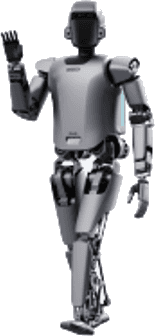
41 DOF, ~15 kg payload; pilots in Chinese factories (BYD, Foxconn, Zeekr) in 2024-2025 for line tending, sorting and inspection. Among the most widely deployed industrial humanoids in China. Emerging technology.
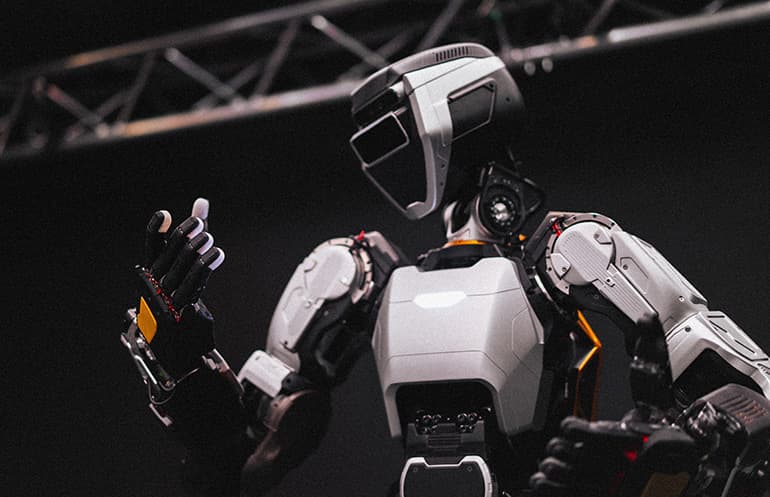
~25 kg payload, among the most dexterous hands in the sector (fine manipulation on a task-by-task basis); retail and logistics pilots. Not publicly sold. Emerging technology.
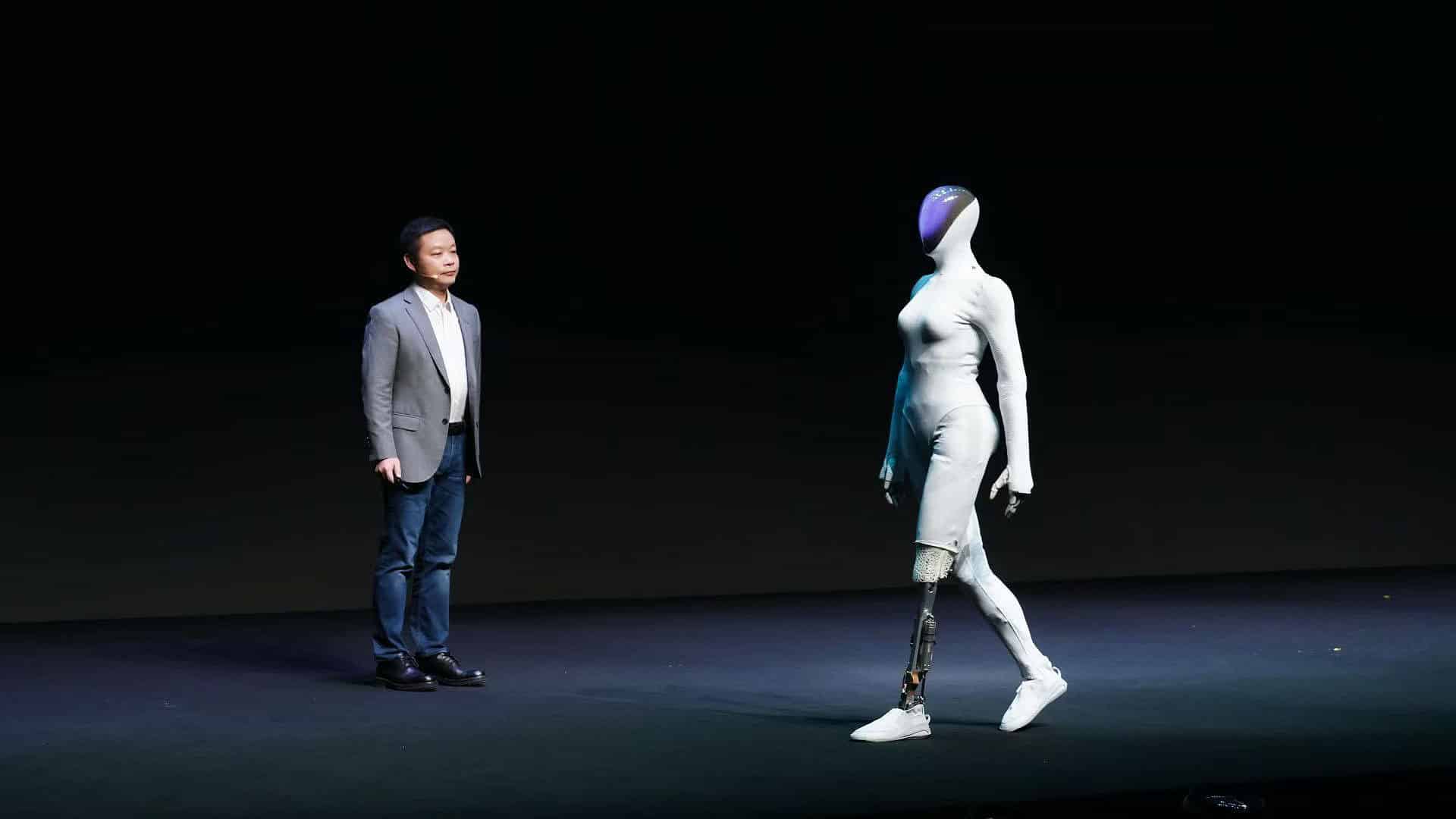
62 DOF, anthropomorphic hands; deployed on XPeng EV assembly lines since 2024. Focused on automotive manufacturing and internal use. Emerging technology.
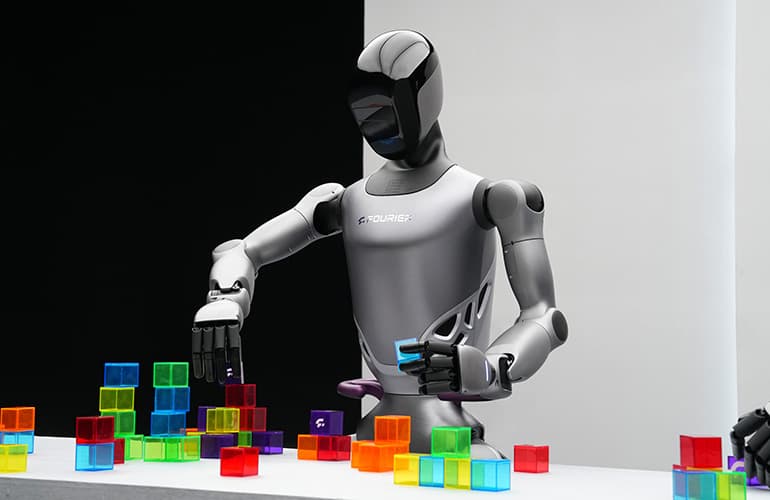
53 DOF, an evolution of GR-1; open platform for research and services, drawing on Fourier's rehabilitation robotics background. More oriented towards services/R&D than heavy industry. Emerging technology.
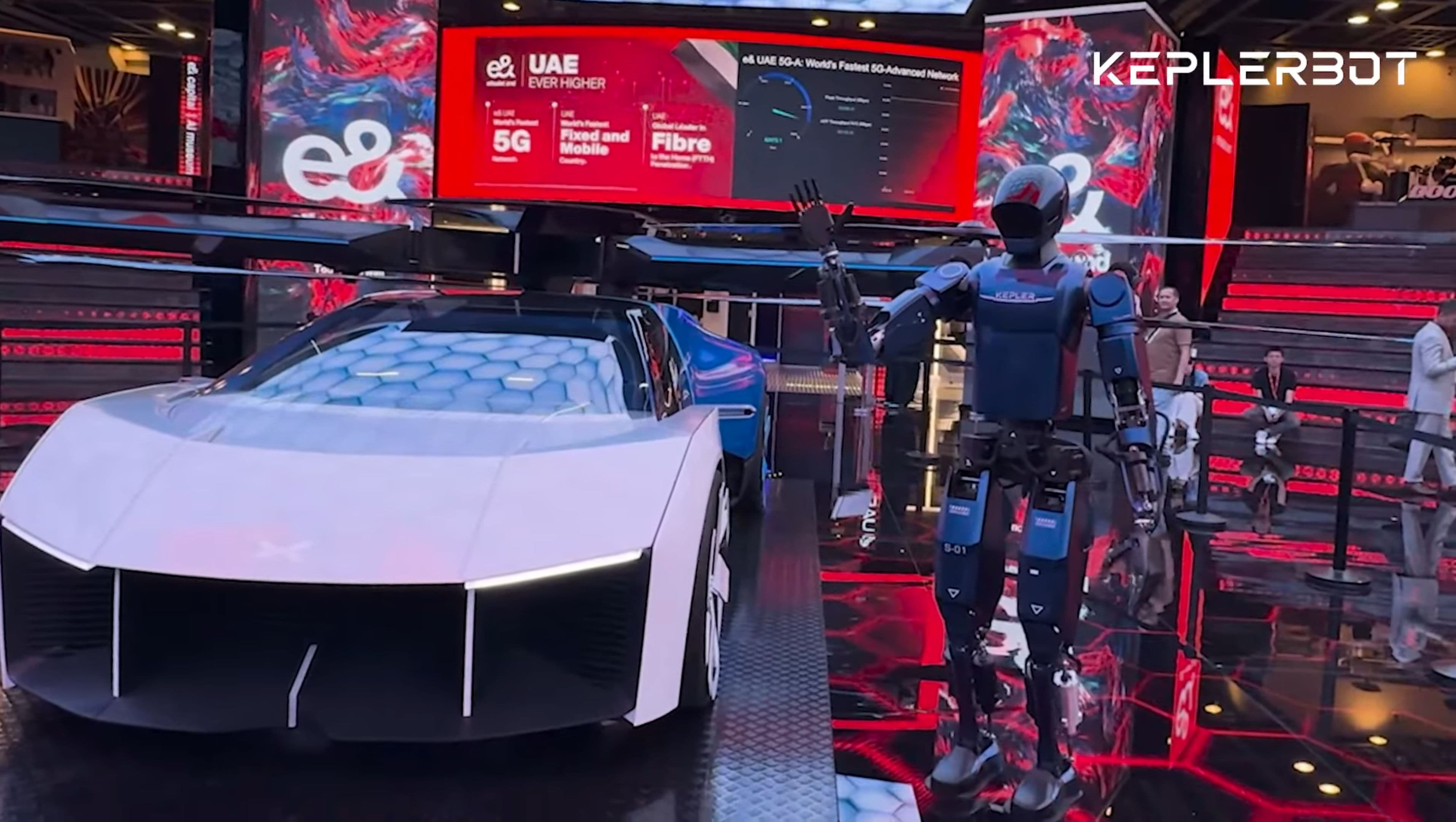
52 DOF, positioned as a lower-cost commercial option than US competitors; targets logistics, inspection and general tasks. Emerging technology.
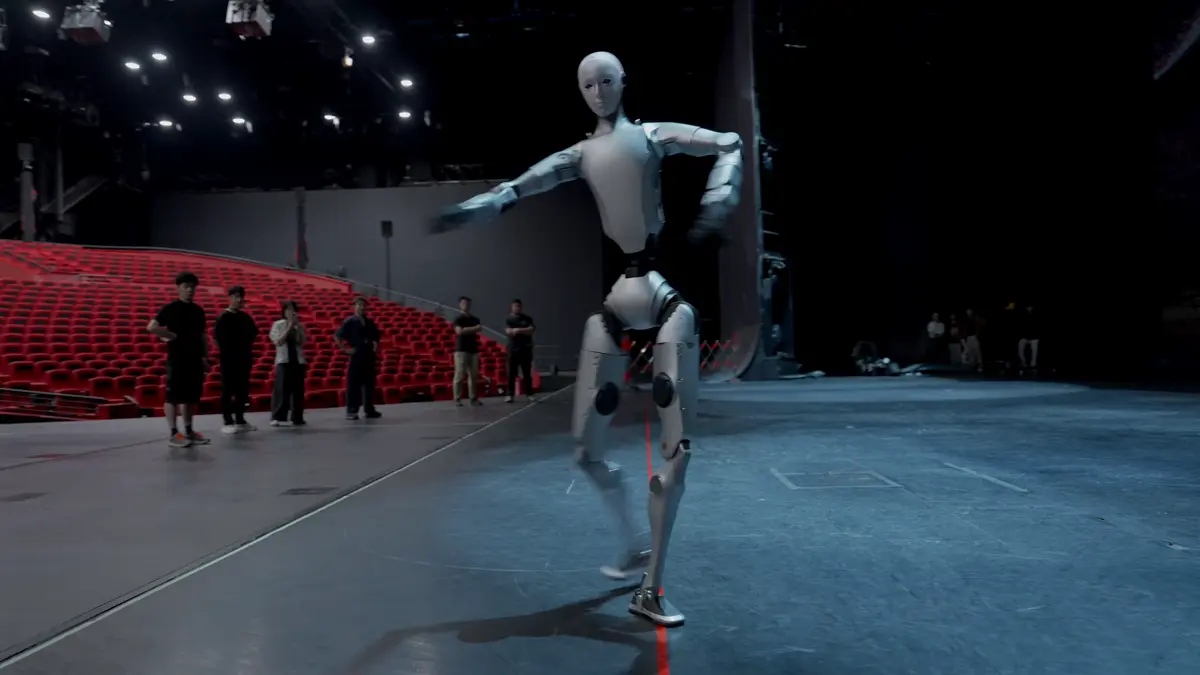
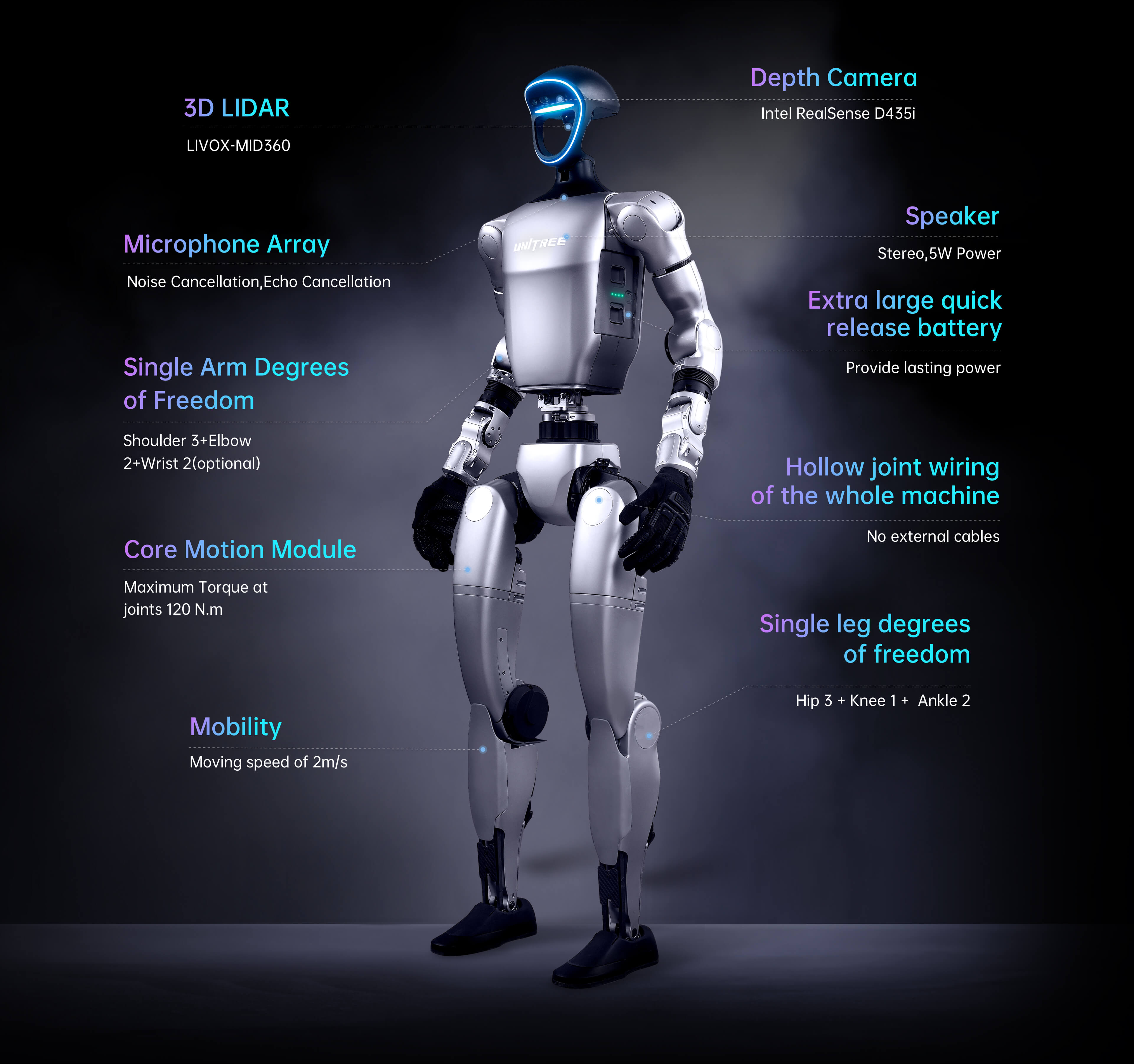
Full-size bipedal humanoid: 31 DOF, 182 cm, ~70 kg, ~7 kg payload per arm (15 kg peak). EDU version with Jetson Thor. Emerging technology. Indicative price.
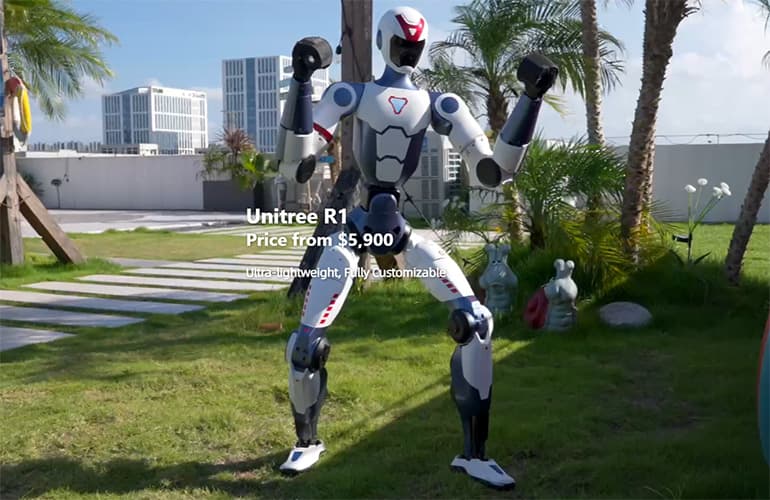
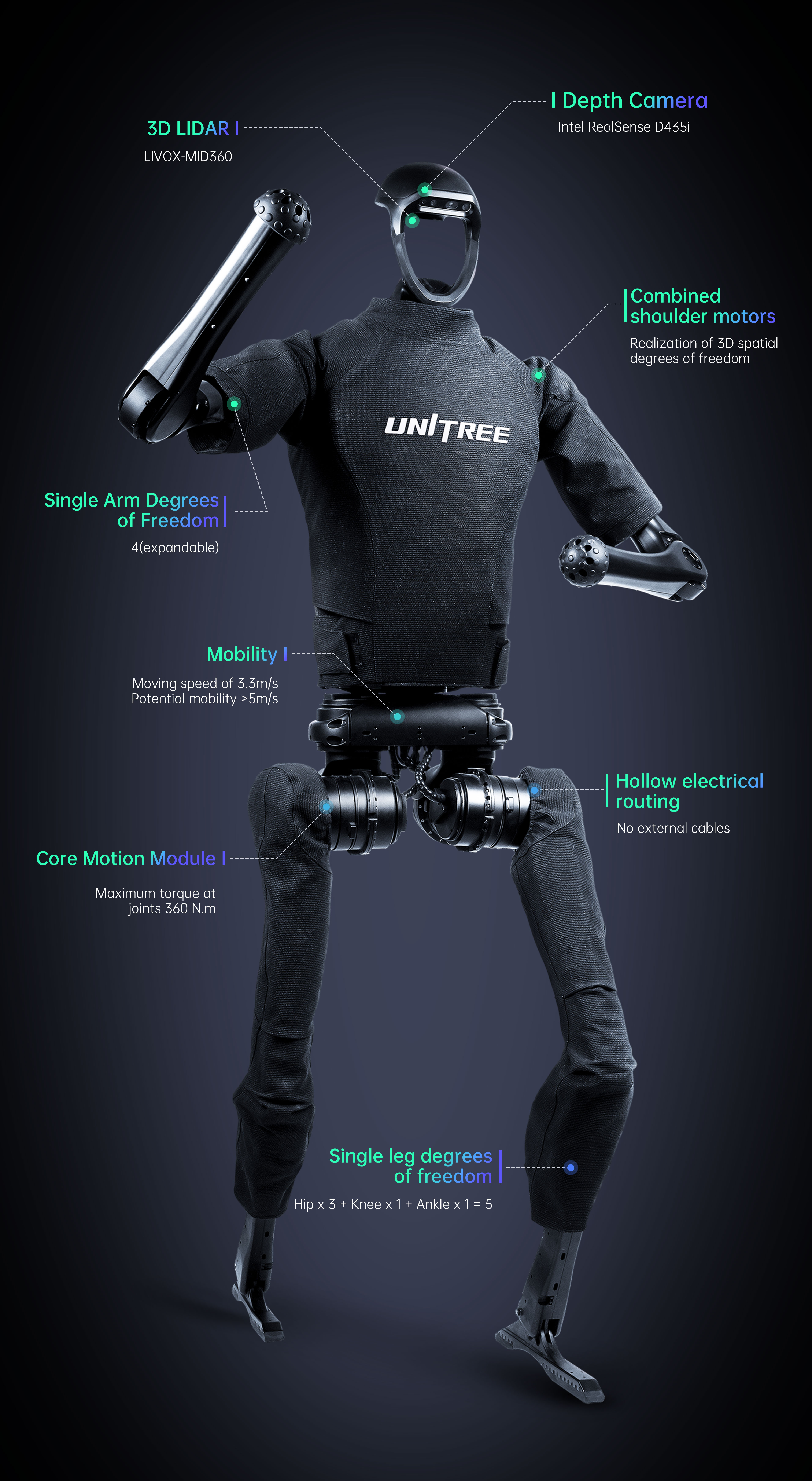
Compact entry-level humanoid: 26 DOF, 121 cm, ~25 kg. For development, education and dynamic demonstrations. Emerging technology. Indicative price.
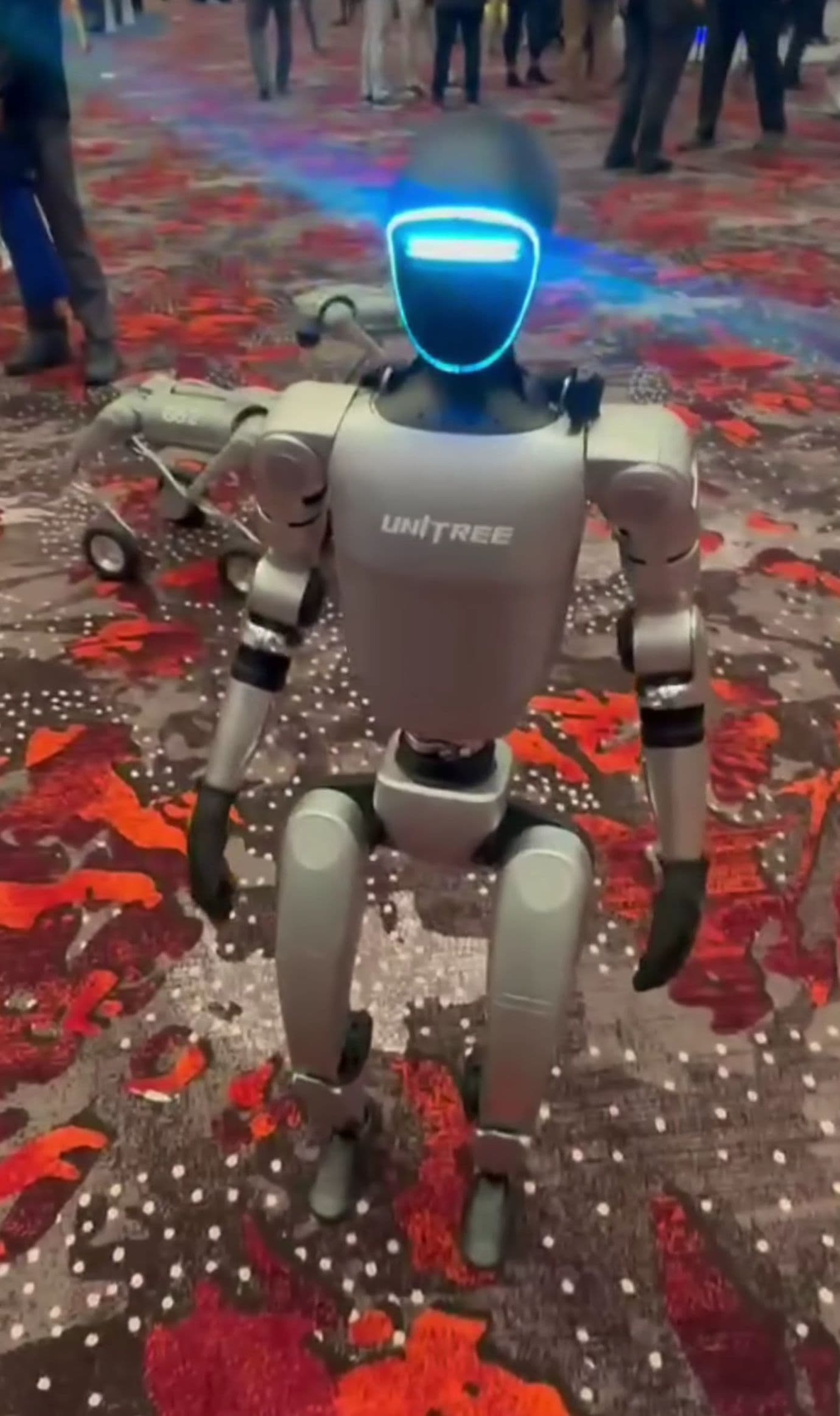
Developer version of G1: 23-41 DOF, ~127 cm, ~3 kg payload, Jetson Orin, SDK and ROS 2, with 5-finger hands on top versions. Emerging technology. Indicative price.

Industrial humanoid: 176 cm, ~70 kg, up to 15 kg using both arms, ~2 m/s, autonomous battery swapping for 24/7 operation. Emerging technology. Indicative price.
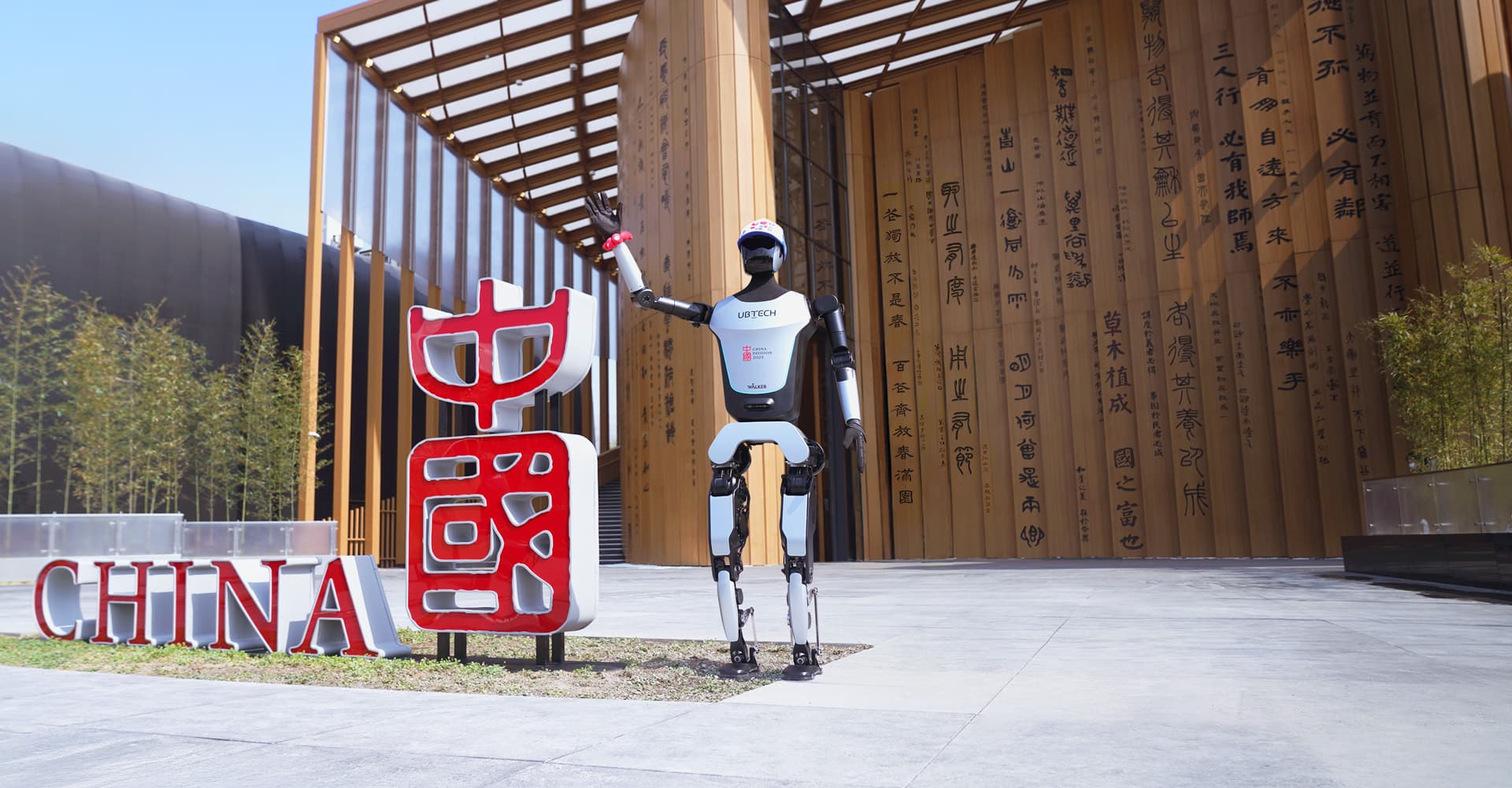
Service humanoid: 163 cm, 43 kg, 20 DOF, U-SLAM navigation and multilingual interaction. For reception and guided tours. Emerging technology. Indicative price.
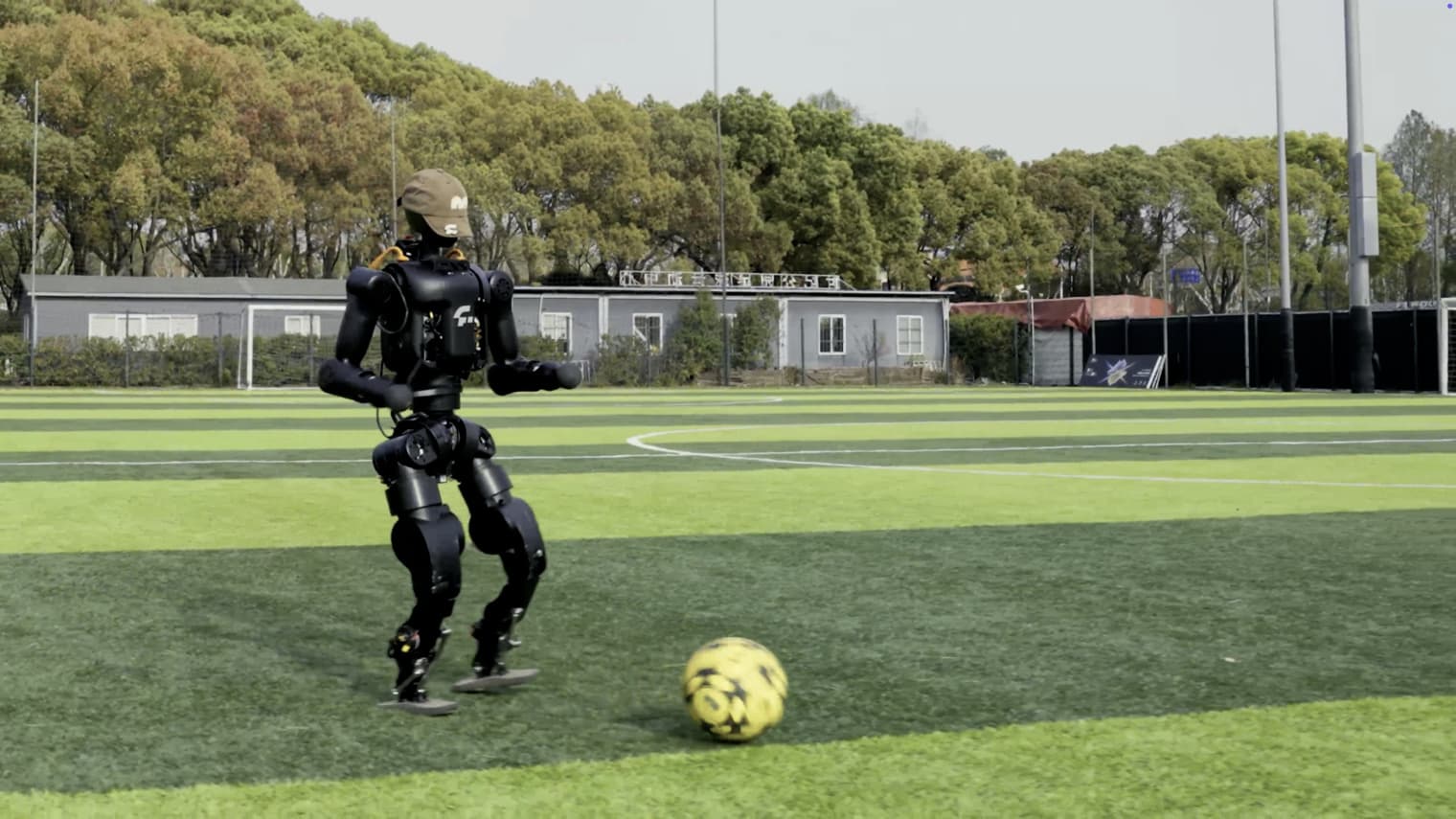
Open-source humanoid: 130 cm, 38 kg, 23 DOF, up to 3.5 m/s, with a replaceable battery. Public BOM and software. Emerging technology. Indicative price.
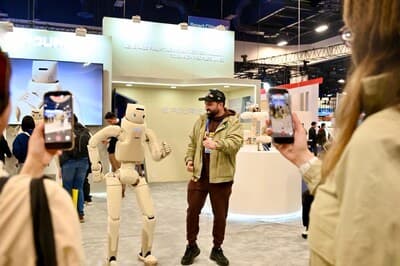
Fourier's first 'Care-bot': 165 cm, up to 55 DOF and hot-swappable batteries. For functional tasks, emotional interaction and companionship. Emerging technology. Indicative price.
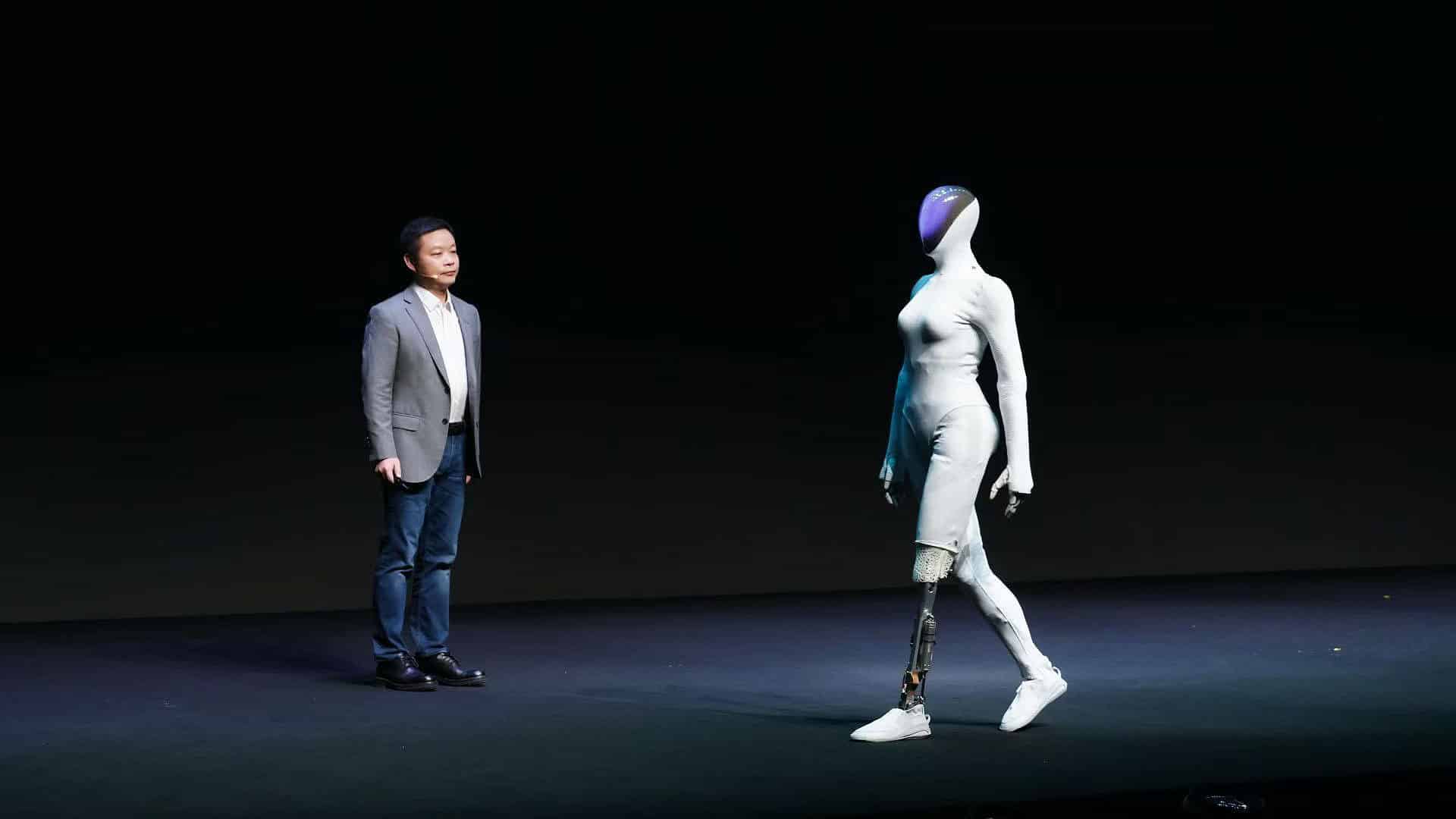
New generation (AI Day 2025): 178 cm, ~70 kg, 82 DOF (22 DOF hand), bionic spine and solid-state batteries. Mass production in late 2026. Emerging technology. Indicative price.
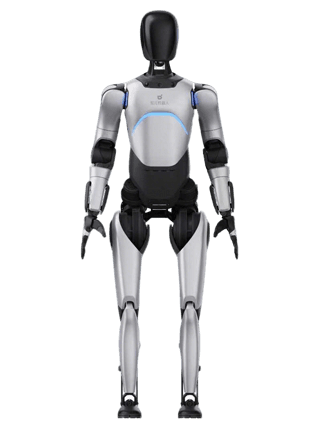
Full-size humanoid: ~169-175 cm, 40+ DOF, dexterous 19 DOF hand, 15 kg payload, up to 3.3 m/s. First humanoid certified in China/USA/Europe. Emerging technology. Indicative price.
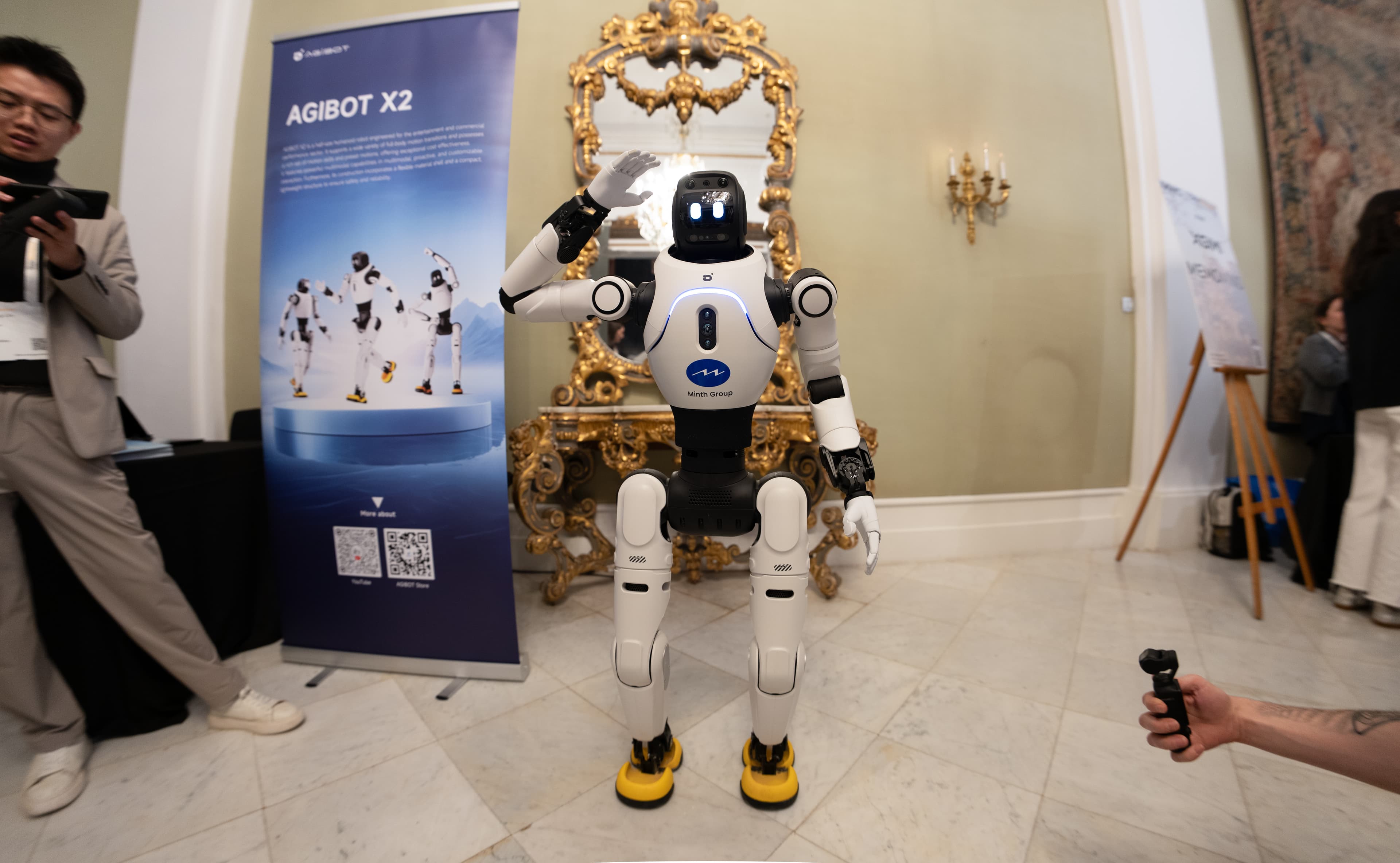
Compact general-purpose humanoid: 130 cm, ~34 kg, 28 DOF, flexible exterior and GO-1 AI model for tasks without training. Emerging technology. Indicative price.
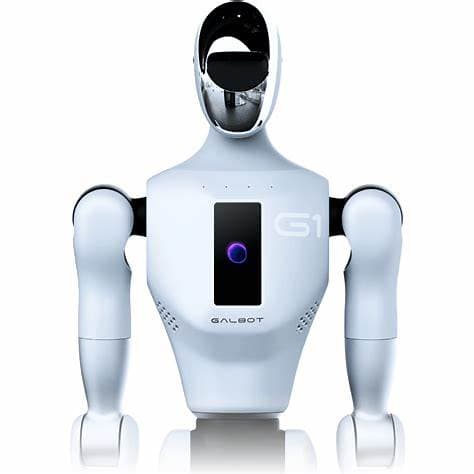
Semi-humanoid on a wheeled base: ~173 cm, 85 kg, 2.4 m reach, 47 DOF, 5 kg per arm, TrackVLA navigation and GraspVLA grasping. Indicative price.
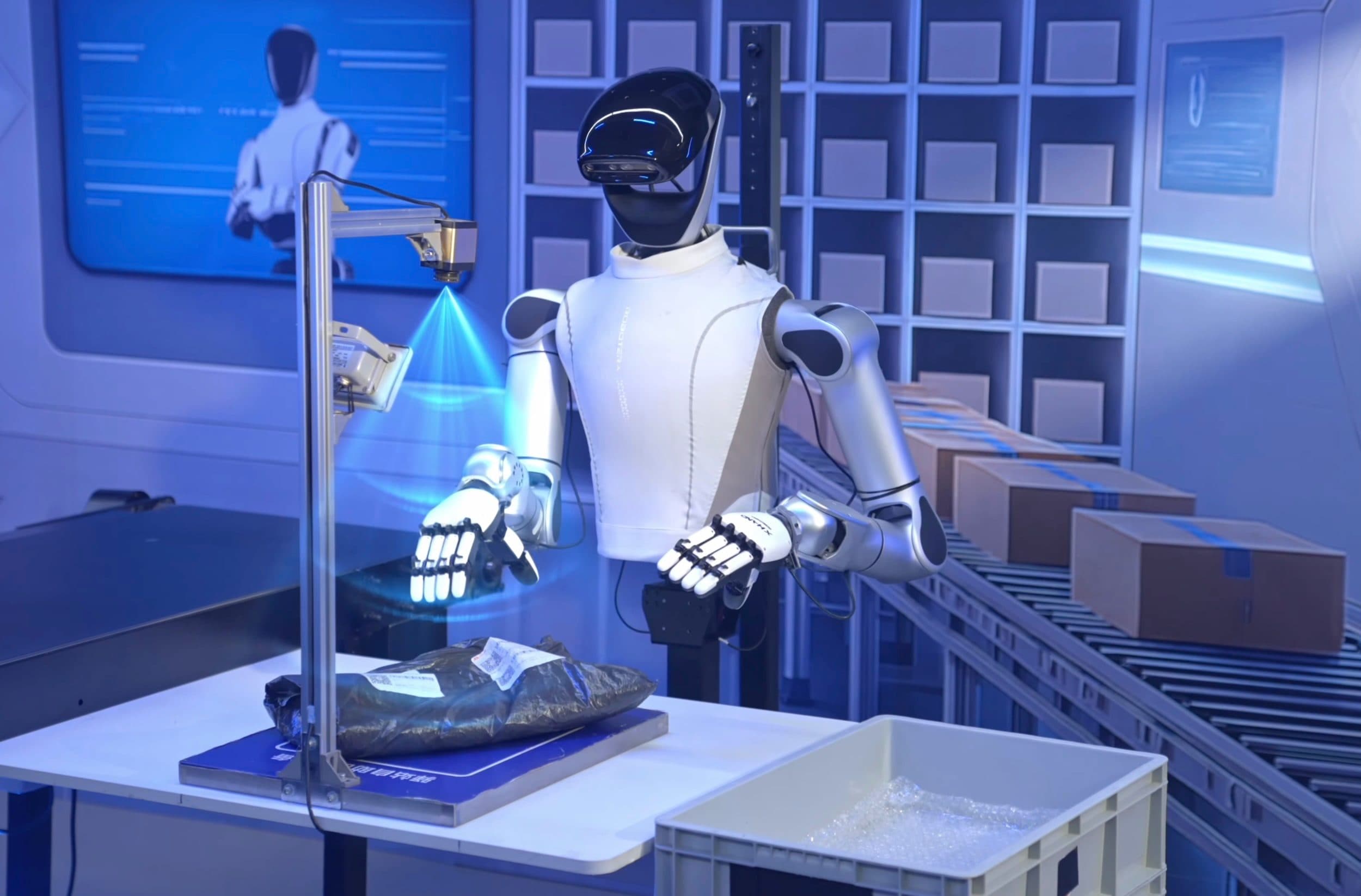
Highly agile humanoid: 171 cm, 65 kg, 55 DOF (12 DOF hand), running speed up to 14.4 km/h, 20 kg payload using both arms. Emerging technology. Indicative price.
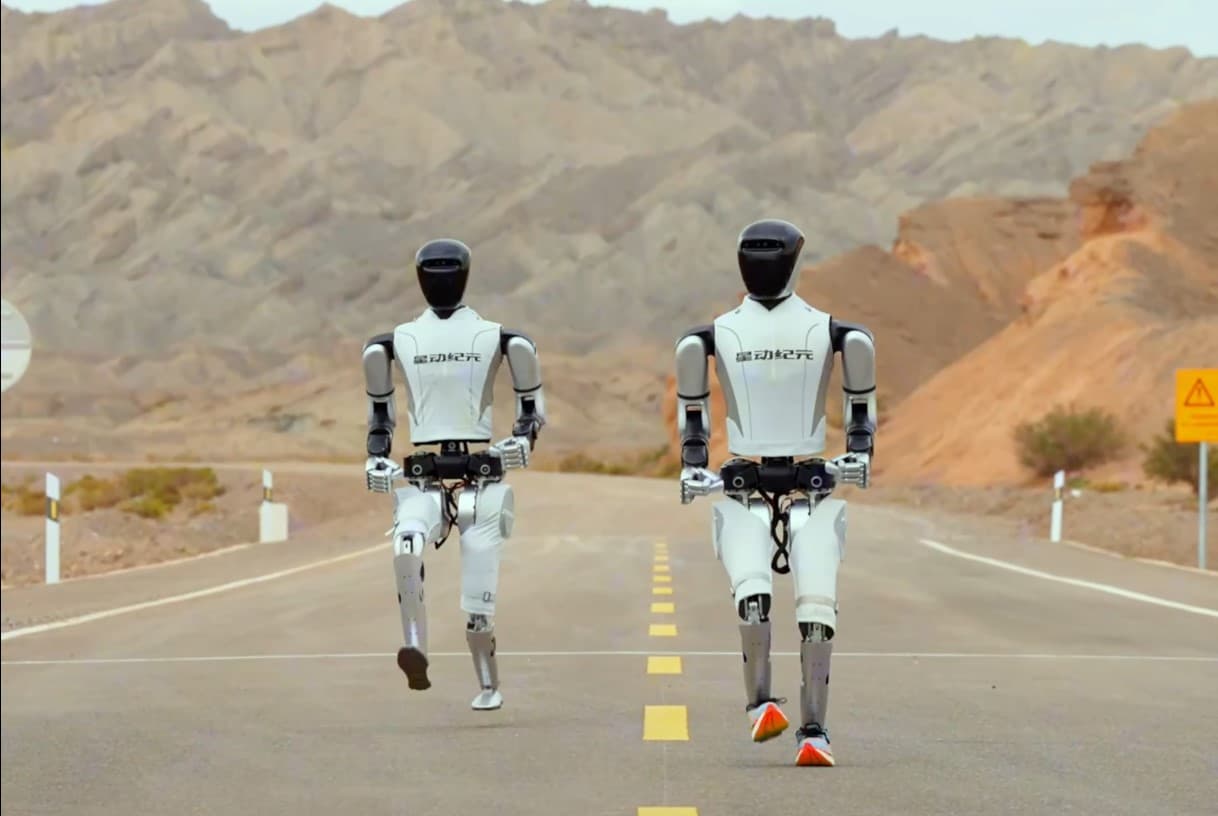
Athletic humanoid: 171 cm, 55 DOF, 400 Nm torque, up to 12.9 km/h and ERA-42 AI platform. Emerging technology. Indicative price.
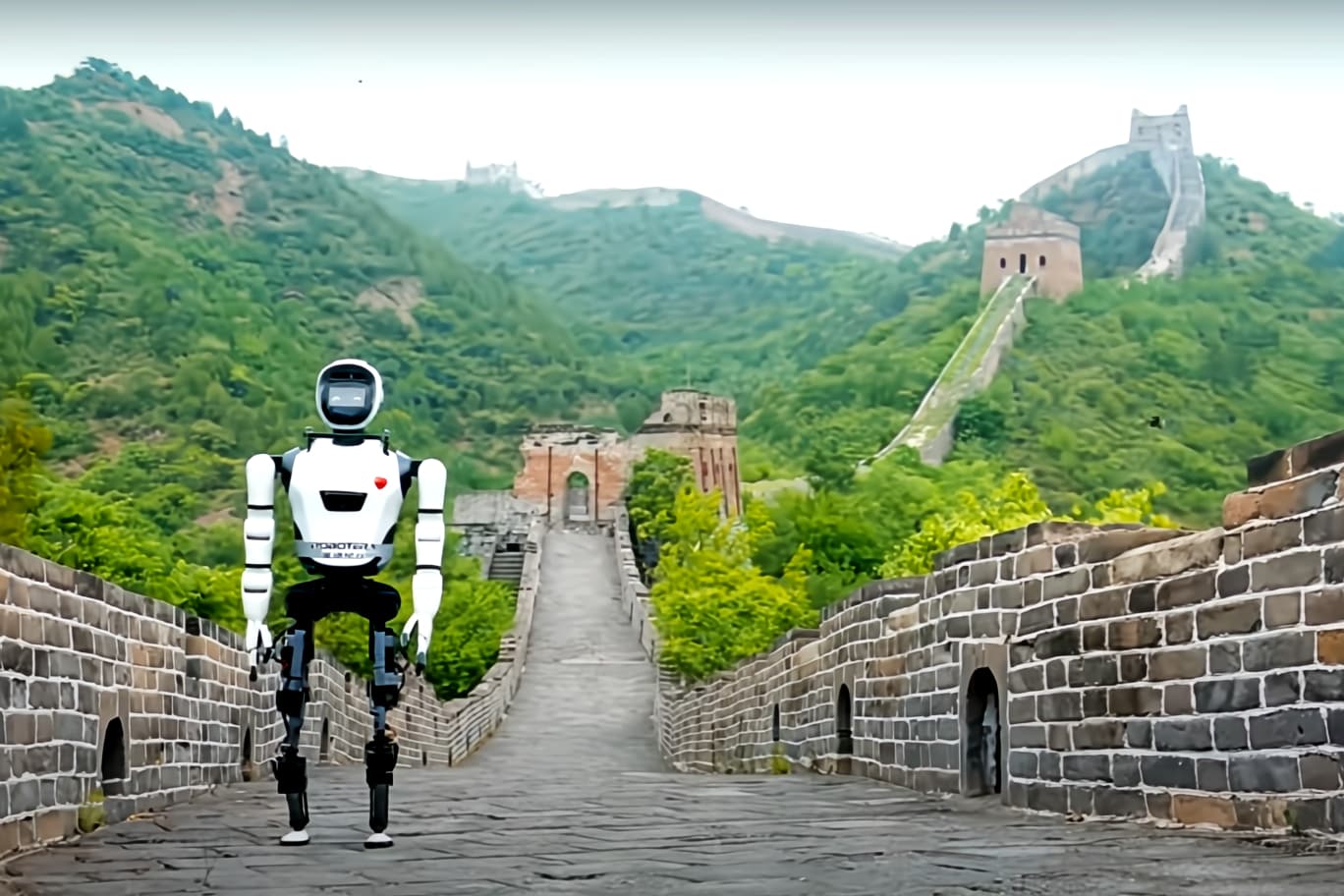
Outdoor biped, the first humanoid to walk on the Great Wall: uneven surfaces and irregular stairs. Payload not disclosed. Emerging technology. Indicative price.
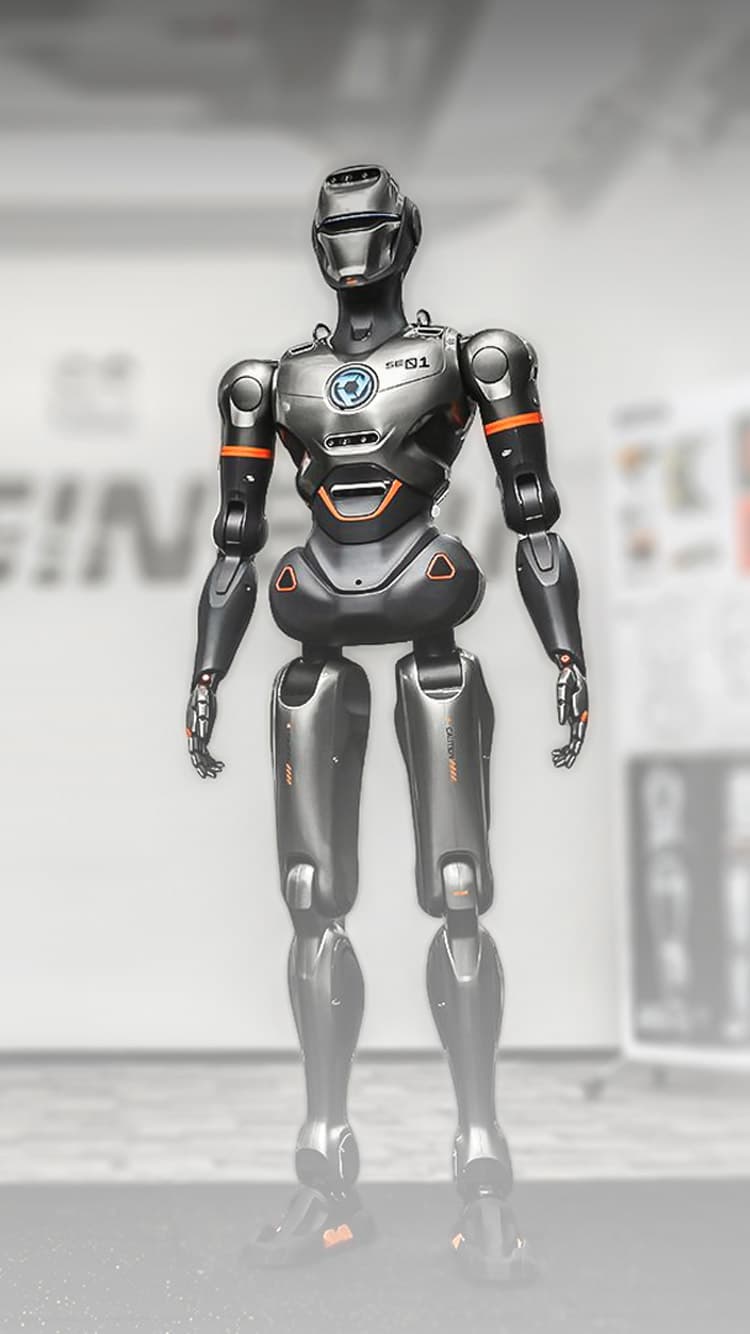
Full-size humanoid: 170 cm, ~55 kg, 32 DOF, 186 Nm knee torque and joint cooling. Commercial and educational versions. Emerging technology. Indicative price.
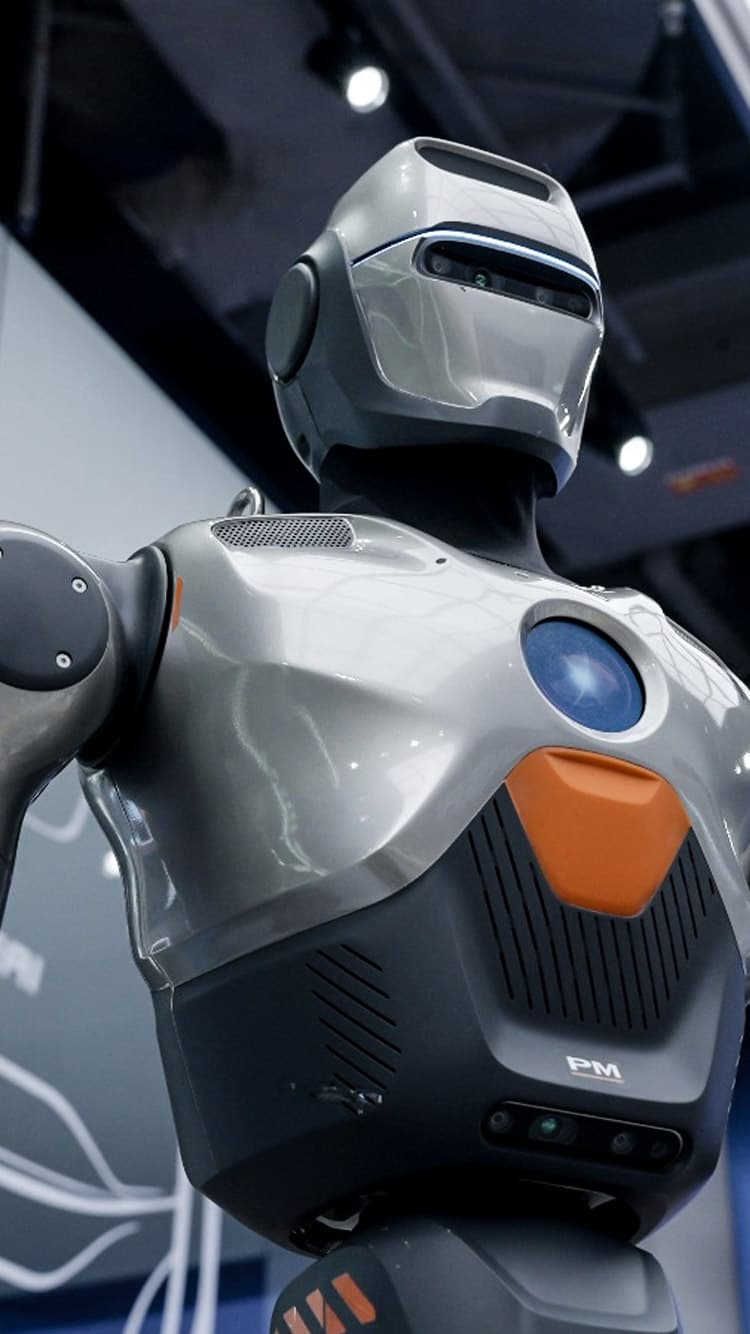
Compact low-cost humanoid: 138 cm, ~40 kg, 24 DOF, 2 m/s and 320° waist rotation. For demonstrations and service tasks. Emerging technology. Indicative price.
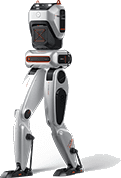
Bipedal research platform (pre-SE01): ~170 cm, aluminium frame, RealSense multi-sensor fusion and 360° LiDAR. Emerging technology. Indicative price.
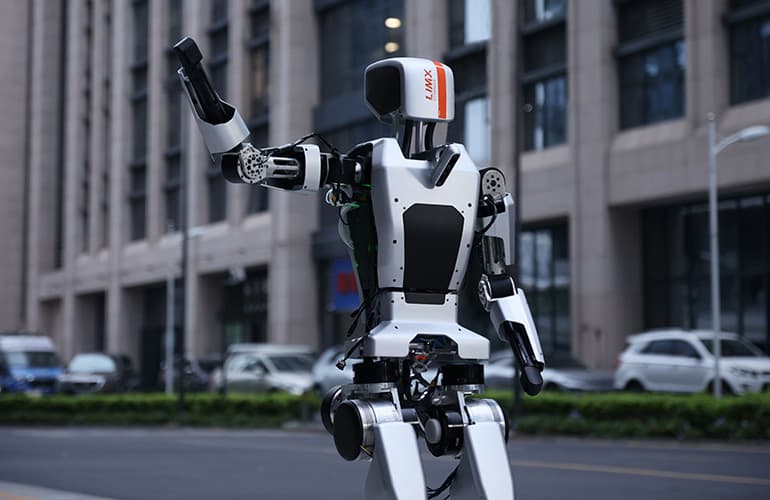
Humanoid for perception-driven loco-manipulation: continuous handling of heavy objects, lifting up to 80 cm by coordinating legs and arms. Data not disclosed. Emerging technology. Indicative price.
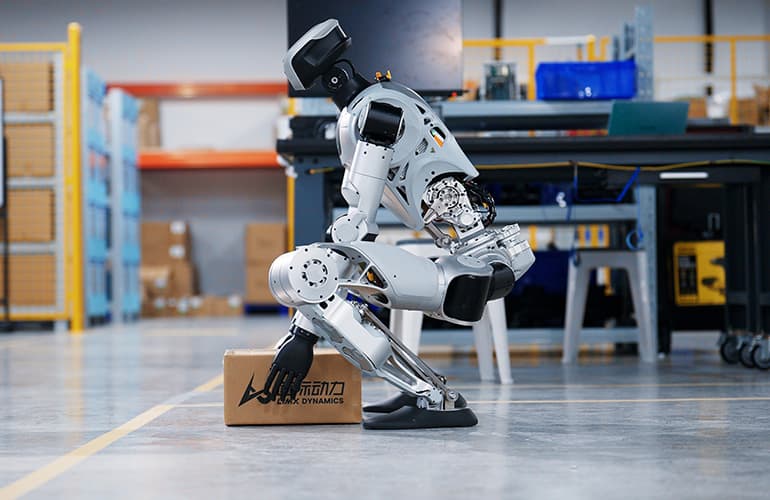
Modular full-size humanoid: 165 cm, 43 DOF (31 for the body + 12 for the hands), 7 DOF arms and interchangeable end effectors. Emerging technology. Indicative price.
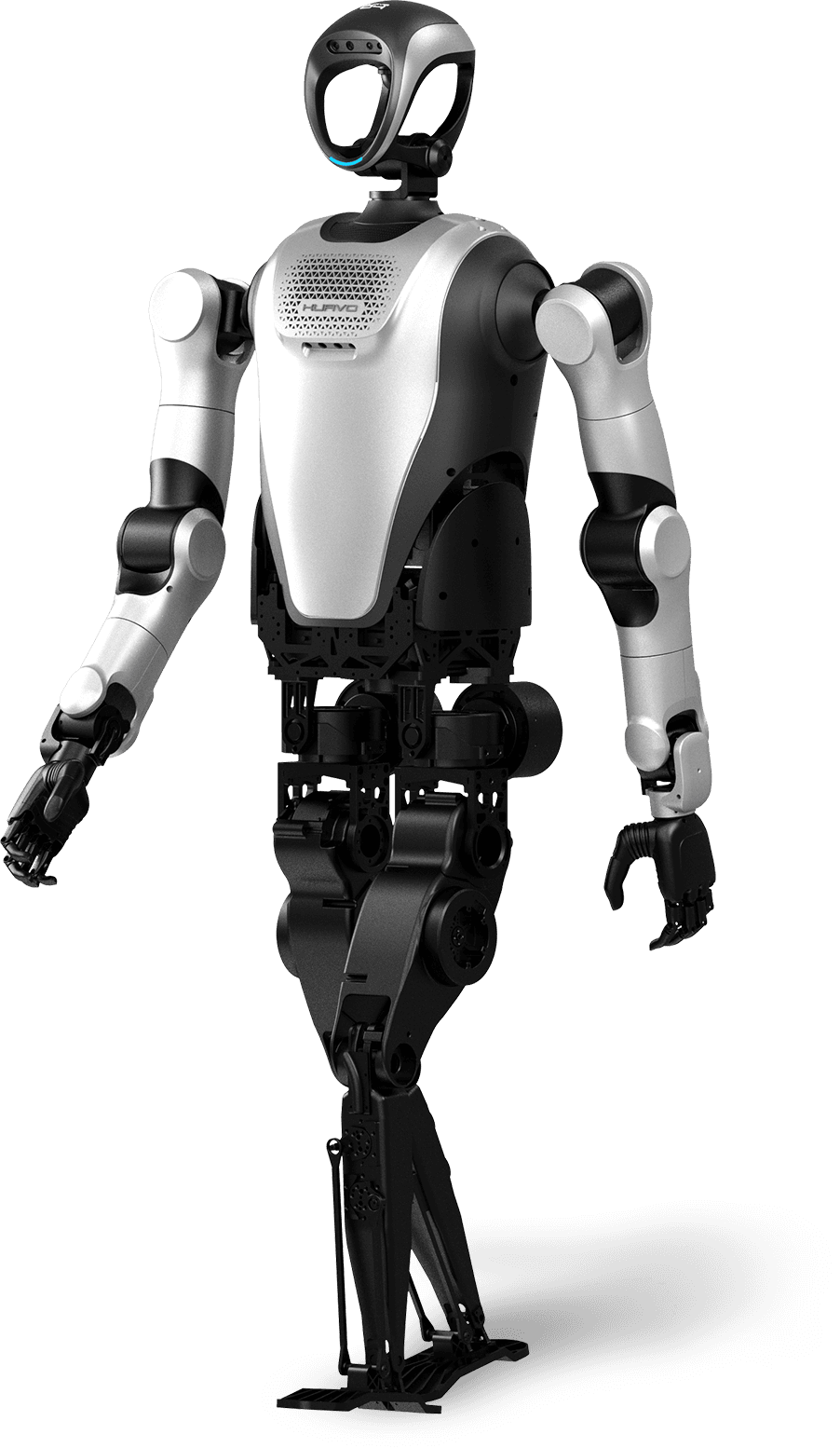
Full-size humanoid: 170 cm, 62 DOF and 16 DOF hands, 360 Nm joints and a 20 cm jump. Runs on HarmonyOS with the Pangu AI model. Emerging technology. Indicative price.
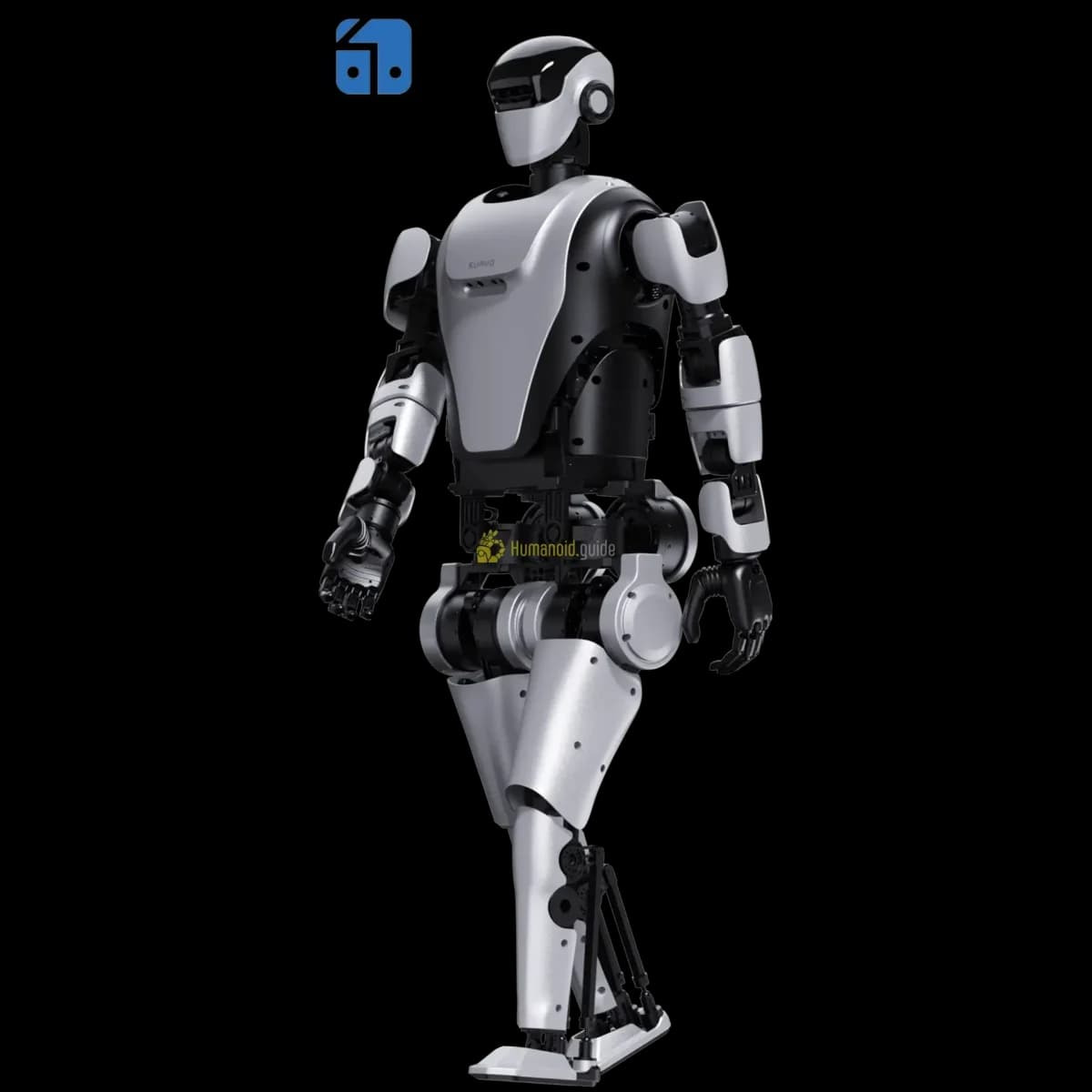
Lightweight Kuavo variant: ~45 kg, 26 DOF (14 for the arms + 12 for the legs), programmable via HDMI/USB/cloud. Emerging technology. Indicative price.
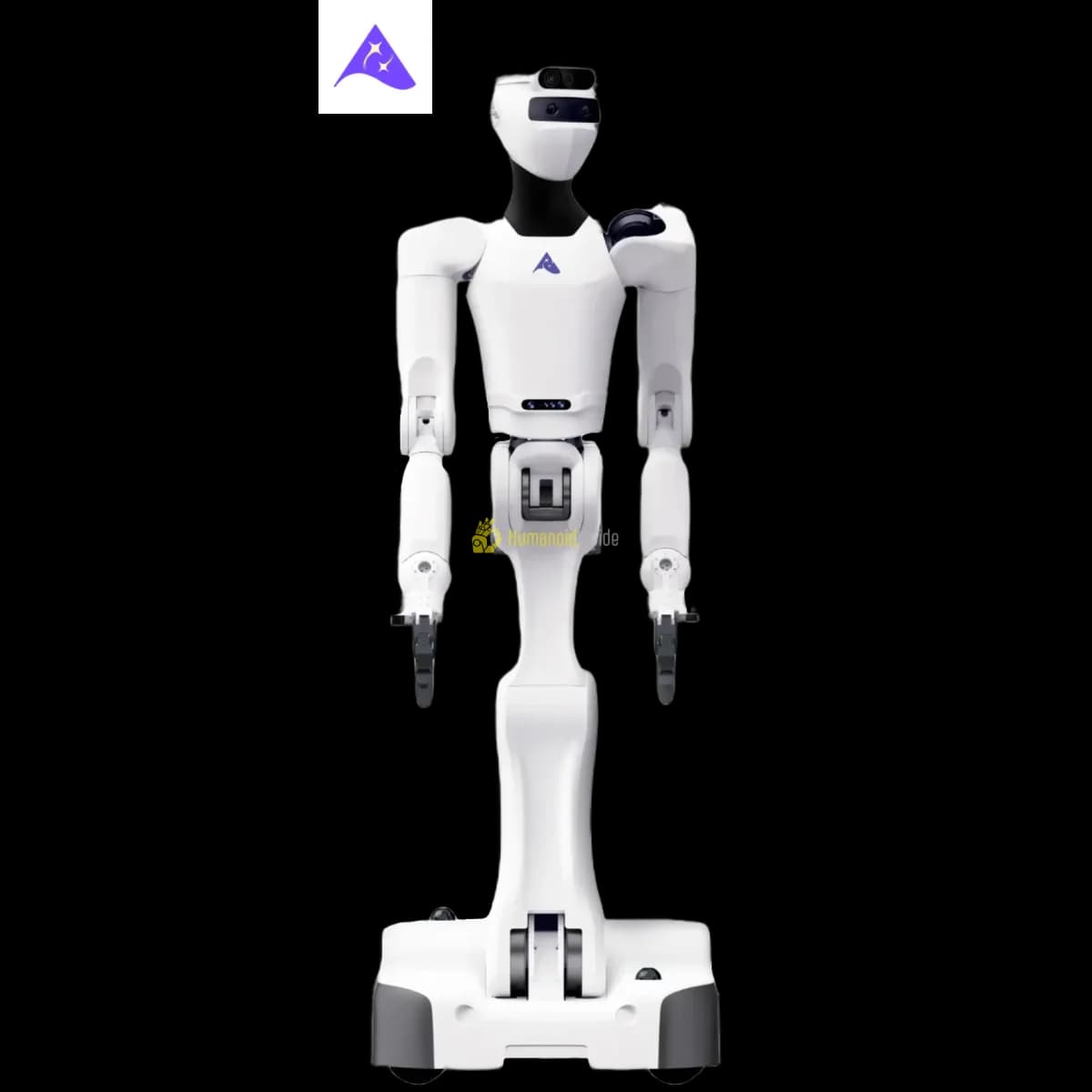
Manipulator on a wheeled base: ~170 cm, 7 DOF arms at 10 m/s, 5 kg payload per arm, ±0.1 mm repeatability and grippers for delicate high-speed tasks. Indicative price.
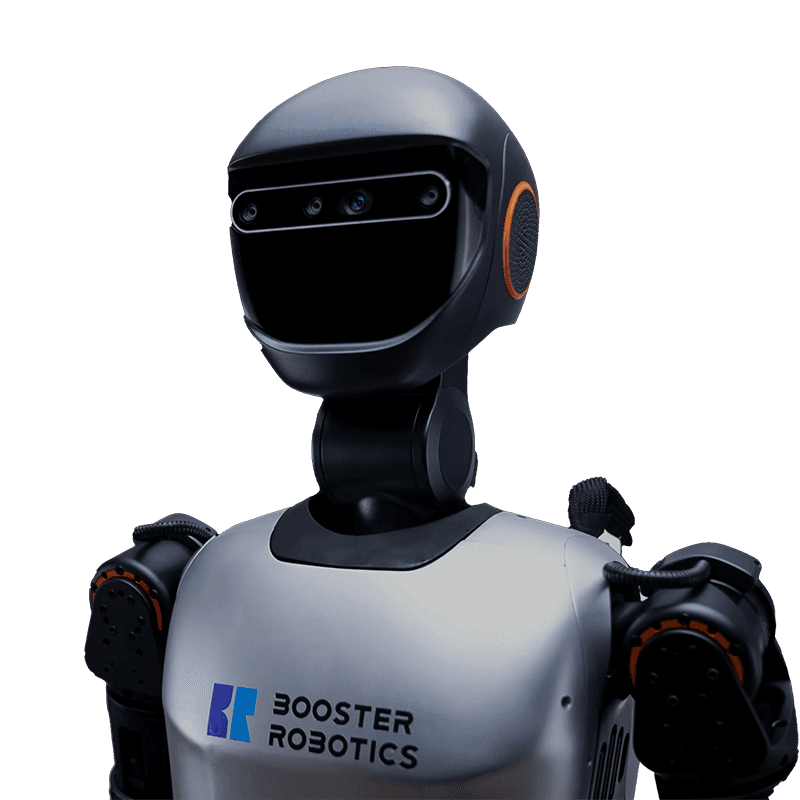
Compact development humanoid: 118 cm, 30 kg, 23 DOF (up to 41 with dexterous hands), Jetson AGX Orin 200 TOPS. RoboCup AdultSize 2025 winner. Emerging technology. Indicative price.
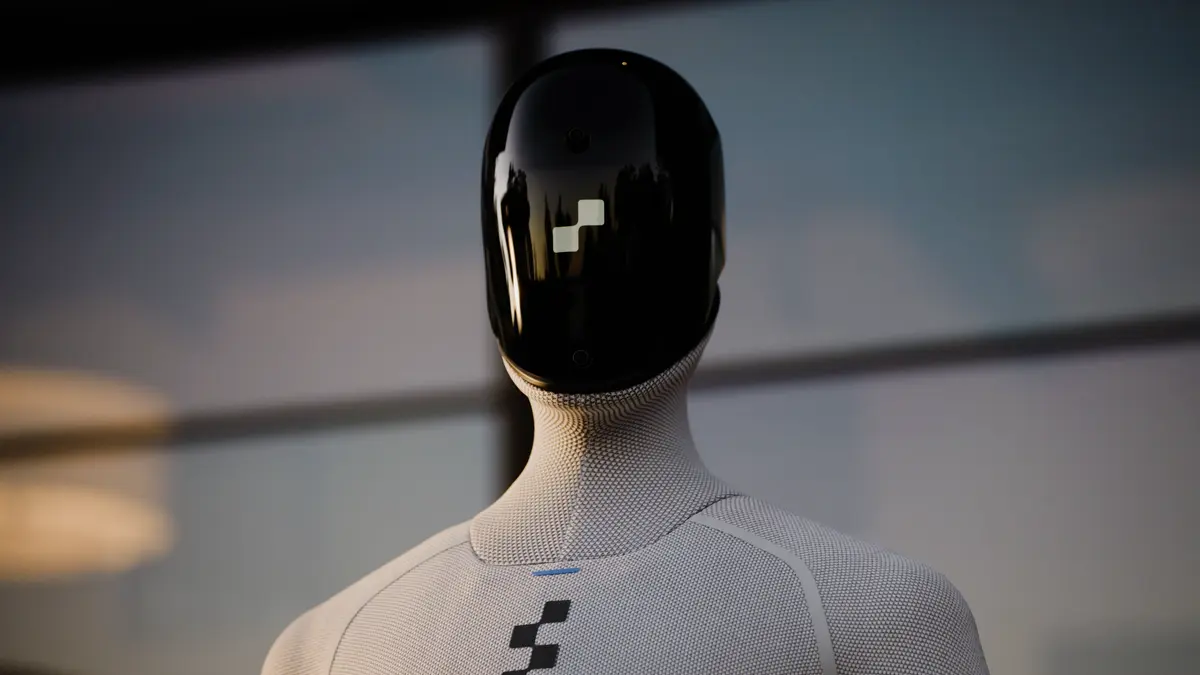
Bipedal humanoid ~173 cm, 20 kg payload, 20 DOF hands with tactile sensors and Helix AI. Target ~$20,000, not yet on sale (late 2026). Emerging technology. Indicative price.
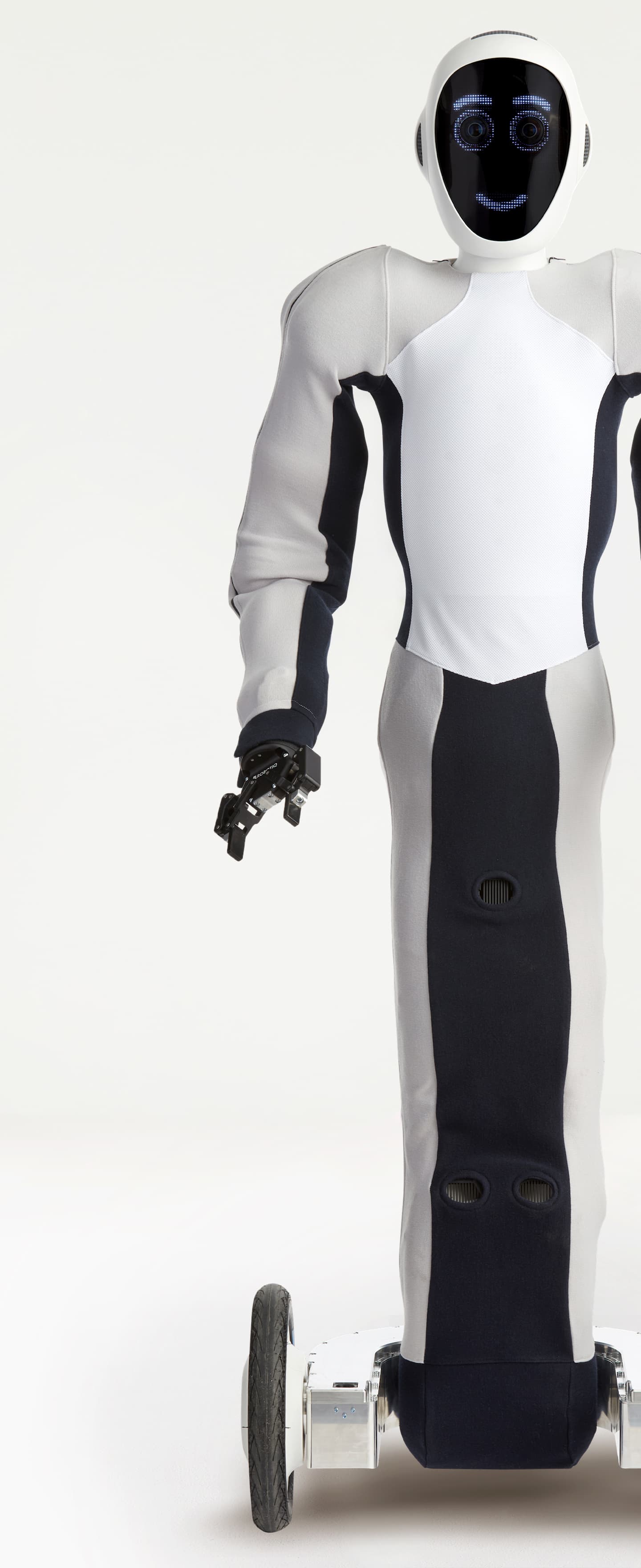
Humanoid on a wheeled base: 183 cm, 25 DOF, 15 kg payload and Revo1 actuators for safe cooperation. For logistics, security and healthcare. Emerging technology. Indicative price.
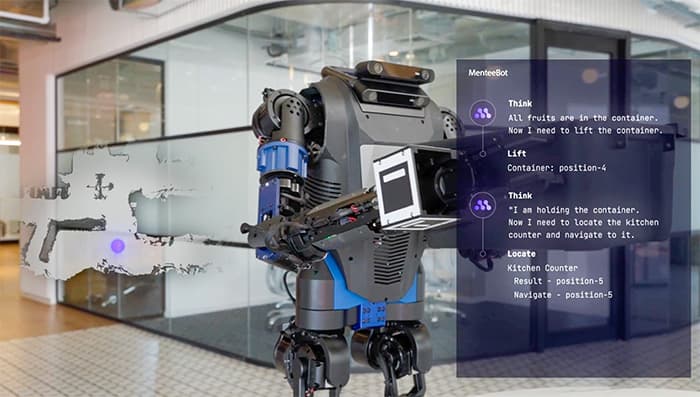
Bipedal humanoid, 175 cm, 70 kg, 40 DOF, up to 25 kg payload, 360 vision and a hot-swappable battery for 24/7 operation. For warehouses and production. Emerging technology. Indicative price.
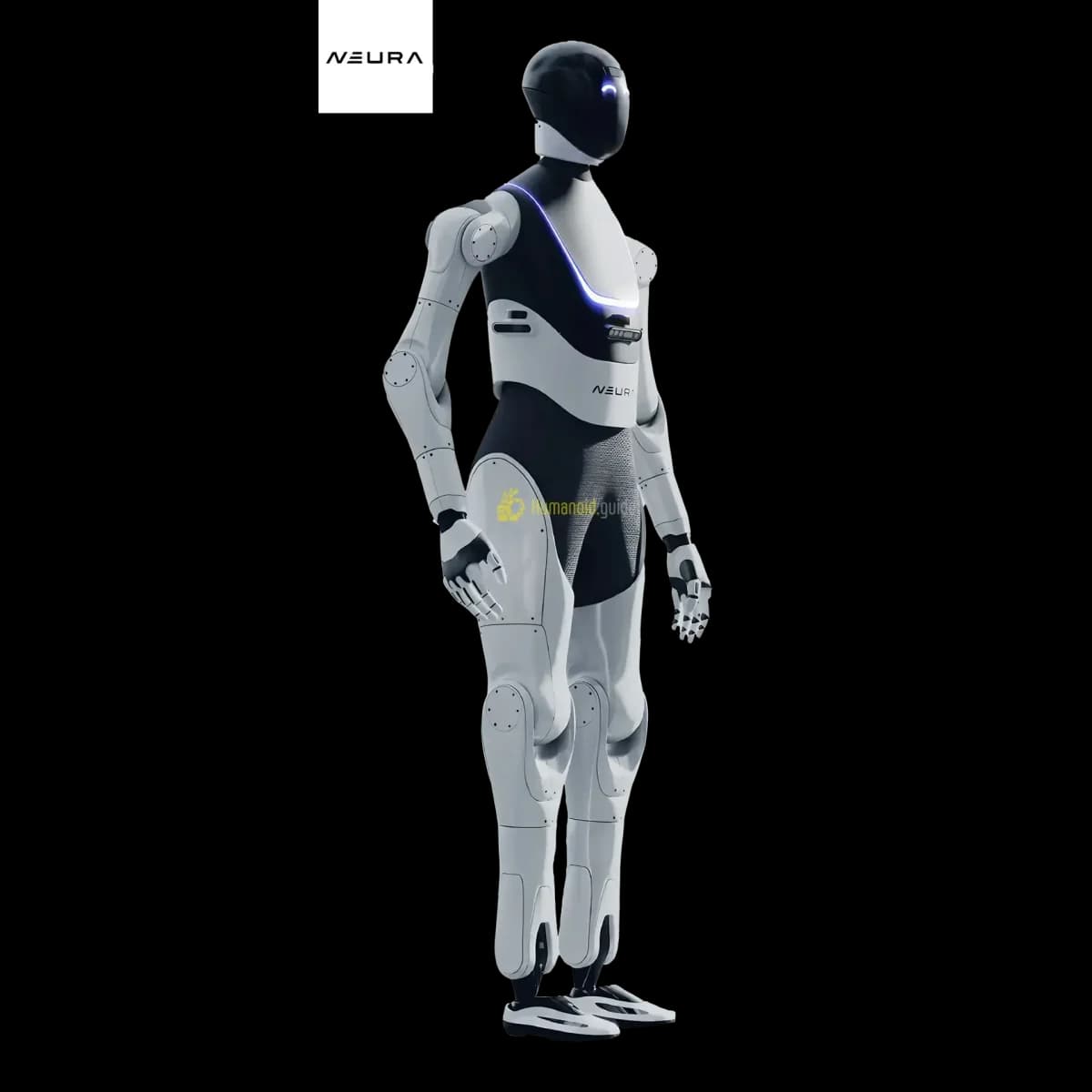
Cognitive humanoid, 180 cm, 80 kg, 55 DOF (12 for the hands), force-torque sensors and tactile skin for safe collaboration. 24/7 operation. Emerging technology. Indicative price.
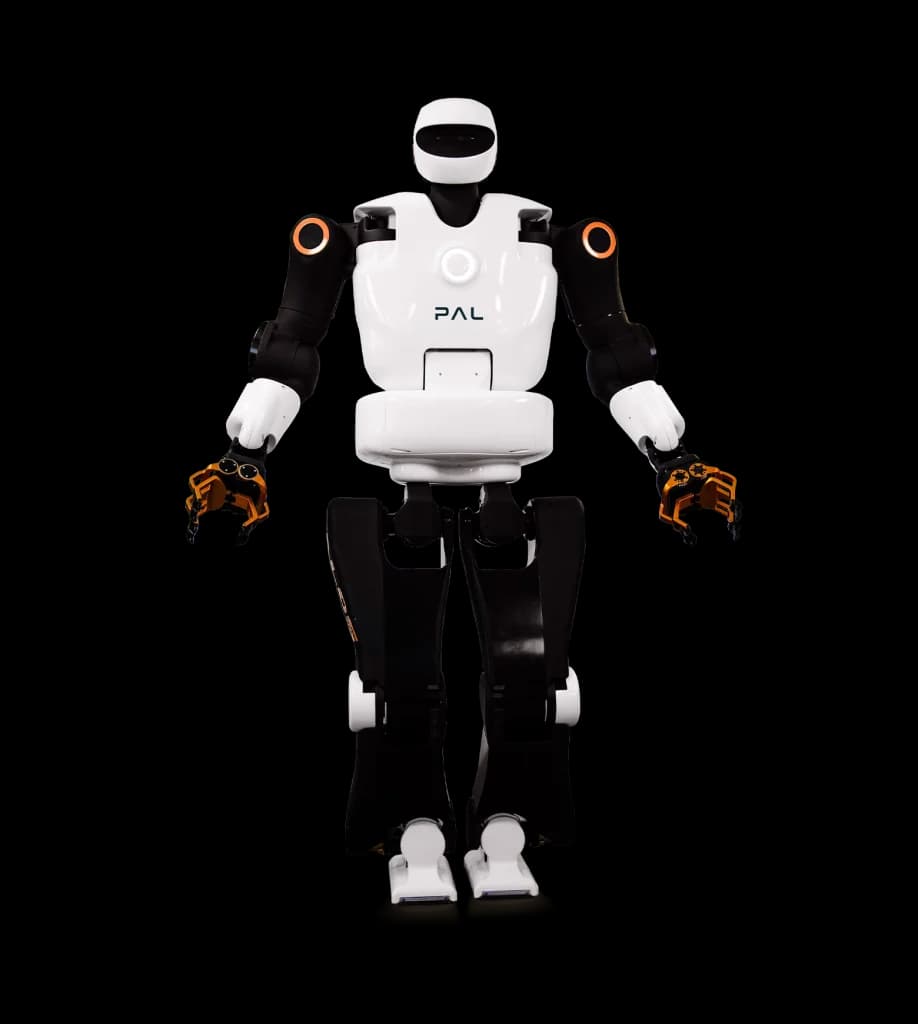
Bipedal research humanoid, 175 cm, 95 kg, 32 DOF, torque-controlled joints and ~6 kg payload per arm. Research platform, not for production. Emerging technology. Indicative price.
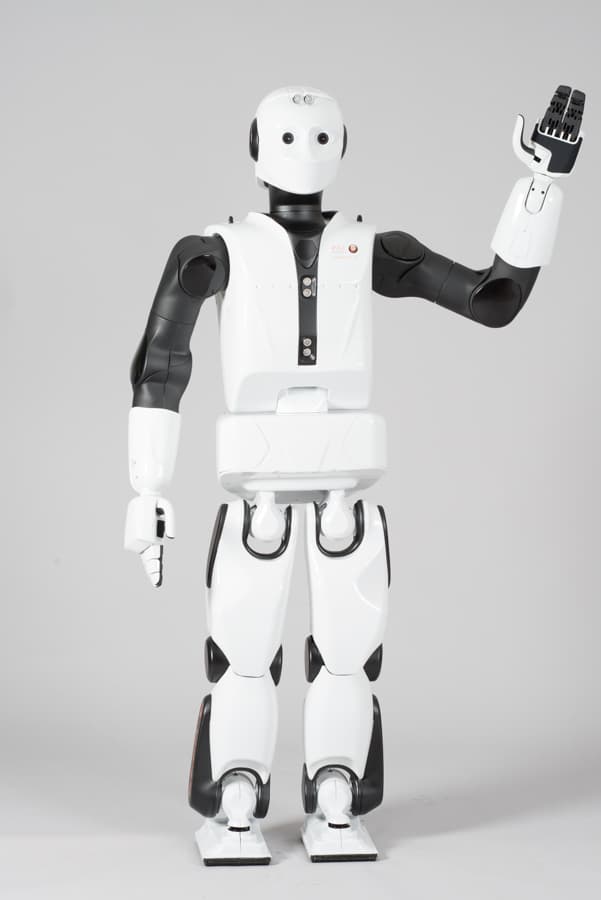
Bipedal research humanoid, 164 cm, ~77 kg, 68 DOF and 10 kg payload using both arms. For research and service tasks. Emerging technology. Indicative price.
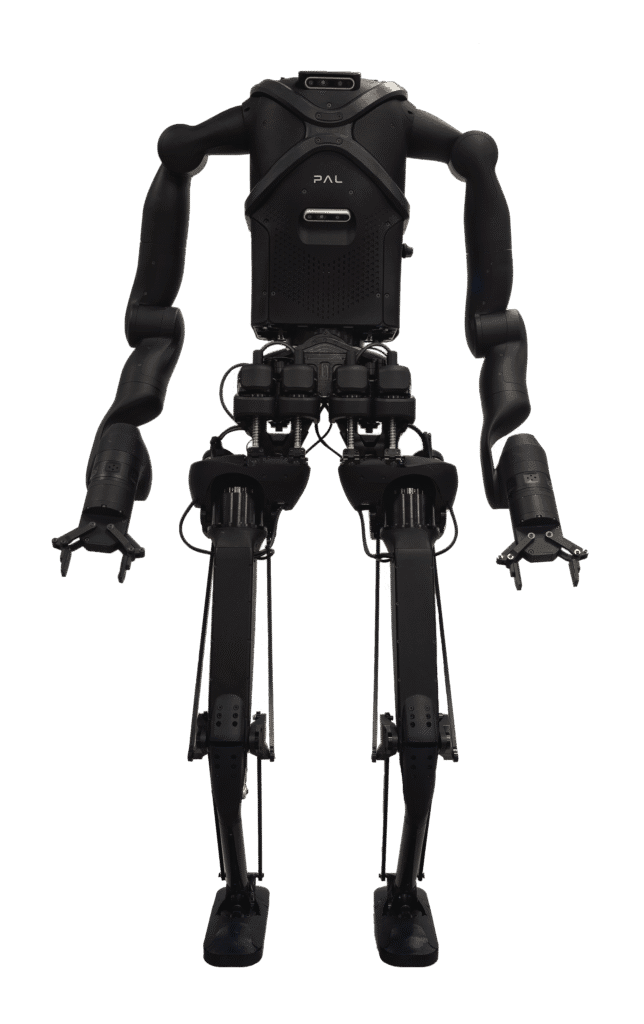
Bipedal research platform for dynamic locomotion (jumping, running) with force-sensing actuators. Experimental platform. Emerging technology. Indicative price.
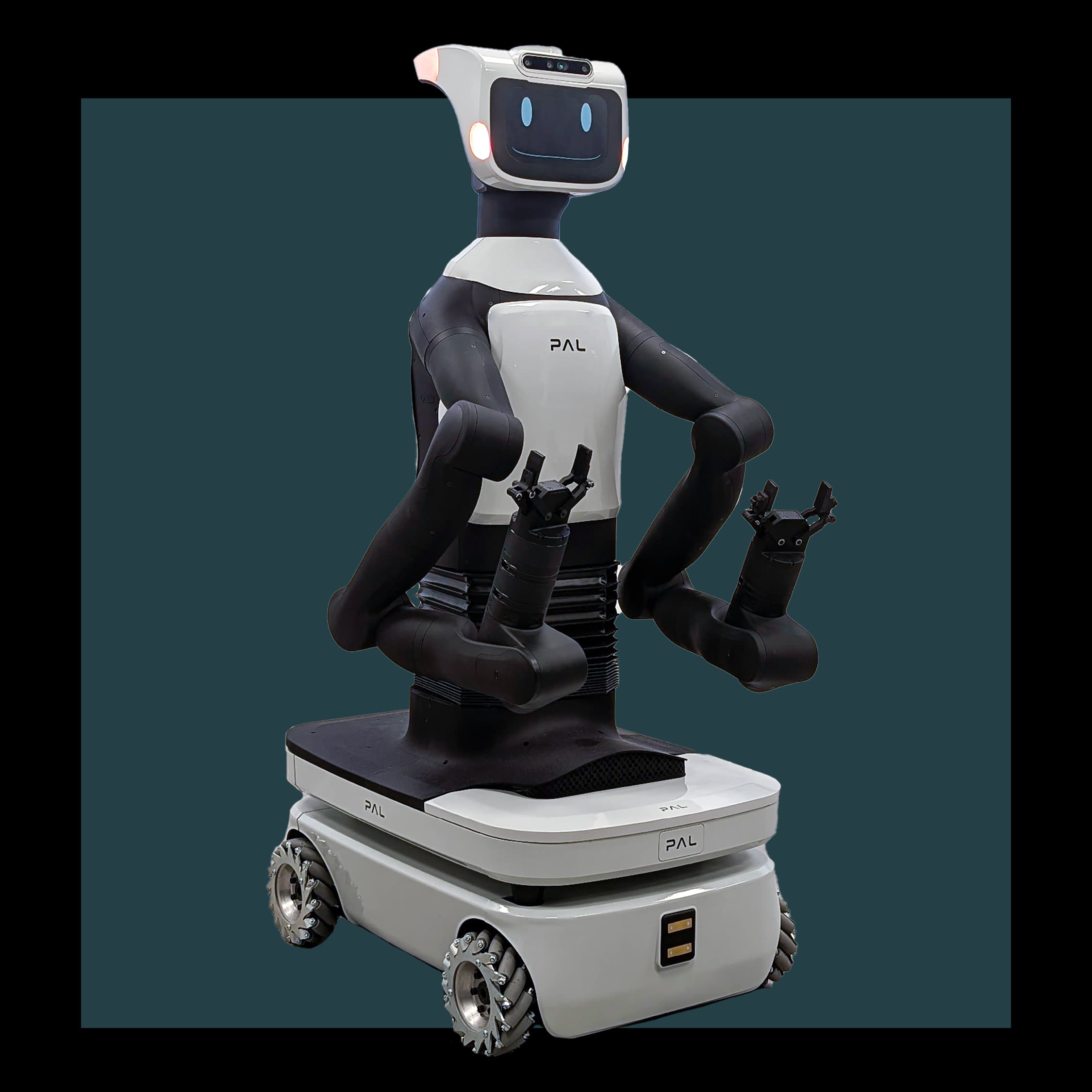
Mobile manipulator (humanoid on a mobile base) for navigation, manipulation and perception, ROS2. Arm payload ~3 kg. For manufacturing, healthcare and services. Indicative price.
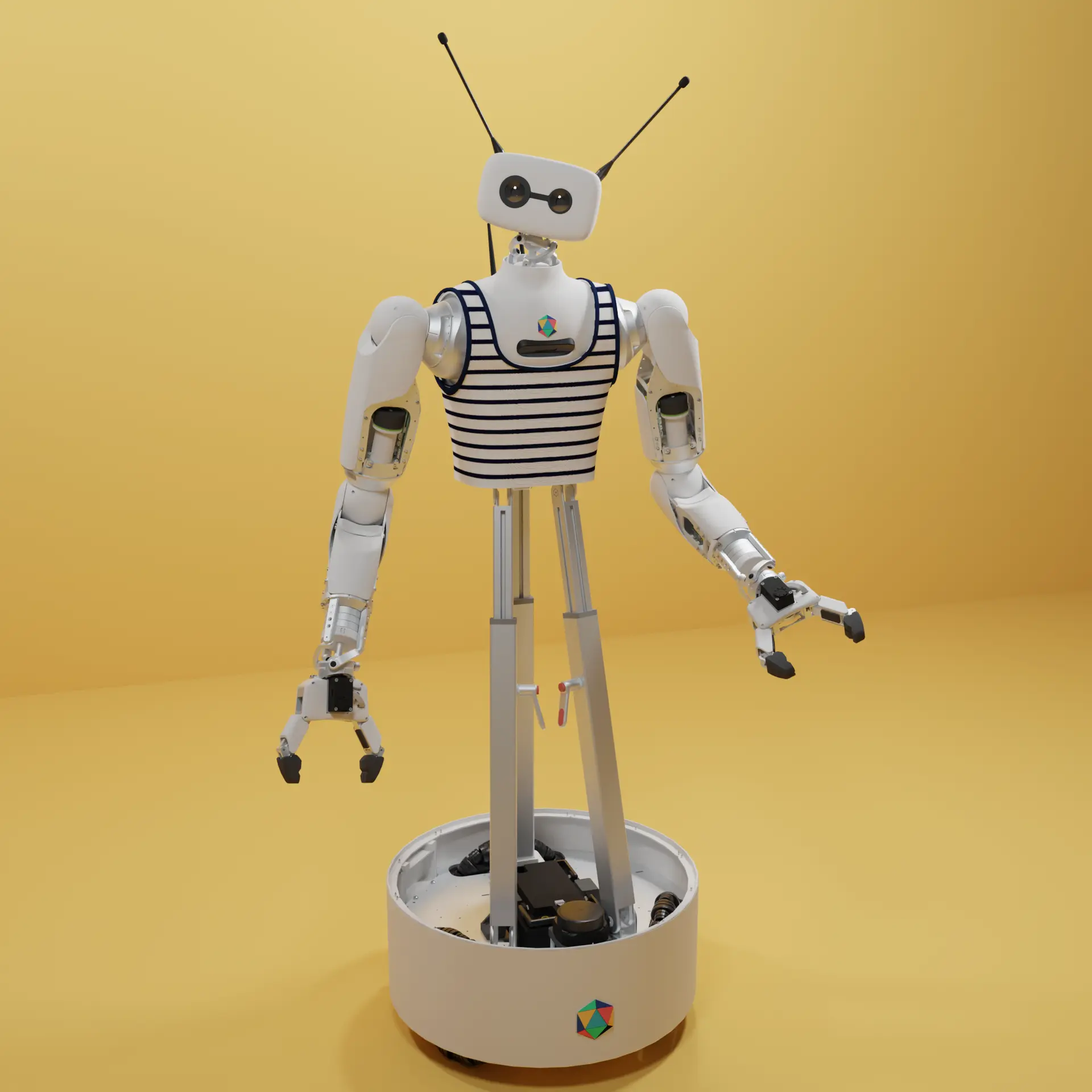
Open-source humanoid with 7 DOF arms, Orbita actuators, ~3 kg payload per arm and an optional mobile base. For embodied AI, telepresence and research. Indicative price.
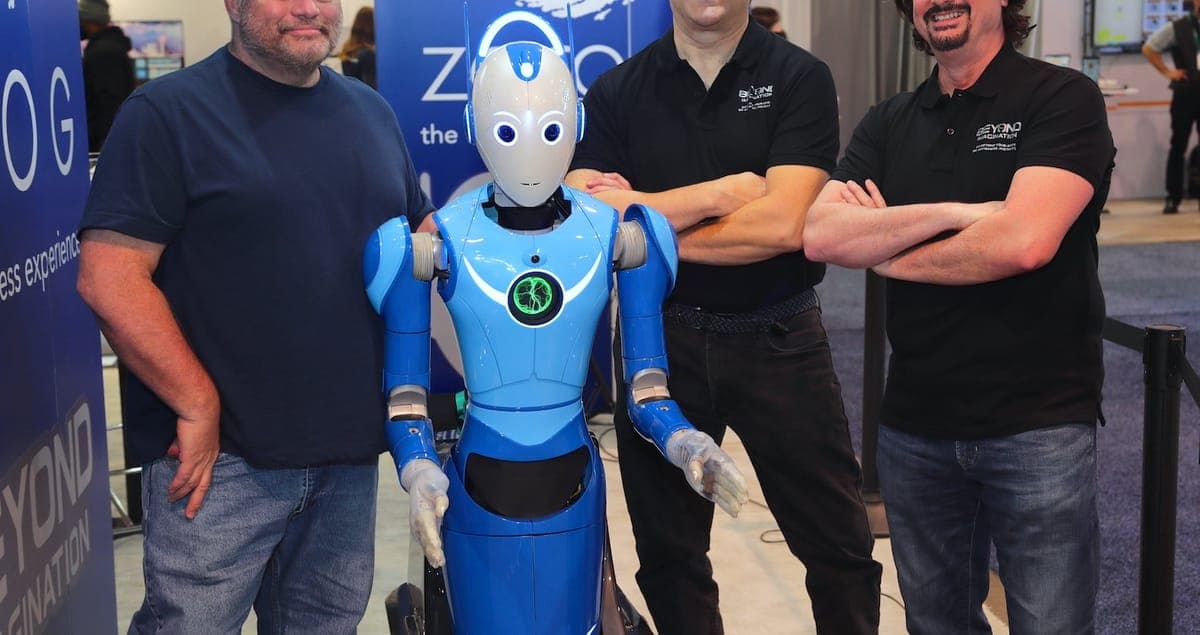
Humanoid on a 4-wheel base, ~180 cm, 12 DOF arms, ~15 kg payload per arm, teleoperated via VR with AI working towards autonomy. Eldercare pilot. Emerging technology. Indicative price.
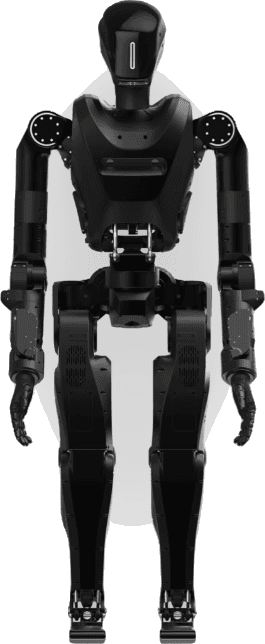
Bipedal humanoid, ~175 cm, ~80 kg, ~20 motors, ~20 kg payload, backdrivable cycloidal actuators and camera-based perception. For high-risk roles. Emerging technology. Indicative price.
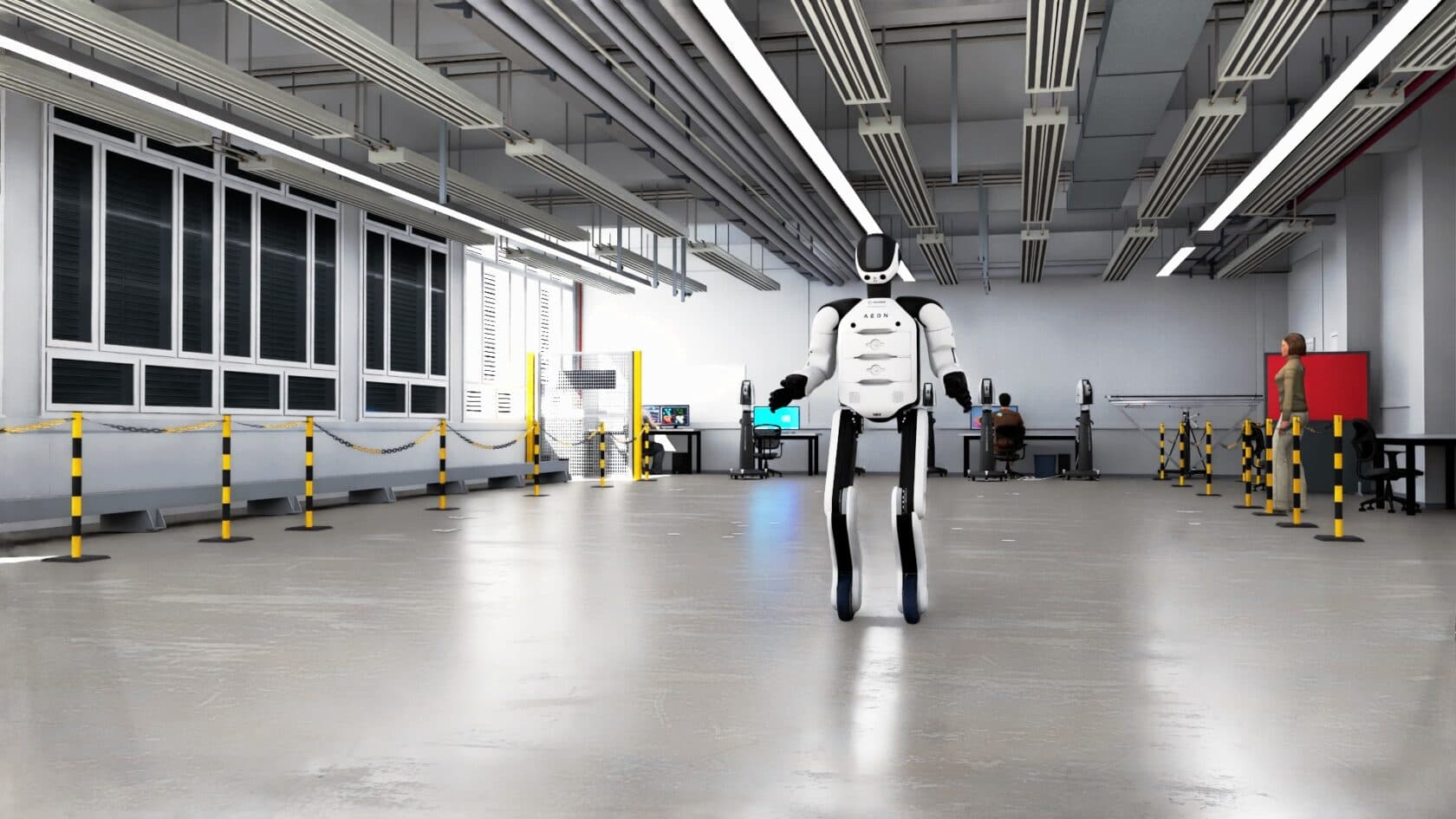
Industrial humanoid, 165 cm, 60 kg, 34 DOF, ~15 kg payload, 22+ sensors (LiDAR, inspection cameras) and a swappable battery. For inspection, logistics and digital twins. Emerging technology. Indicative price.
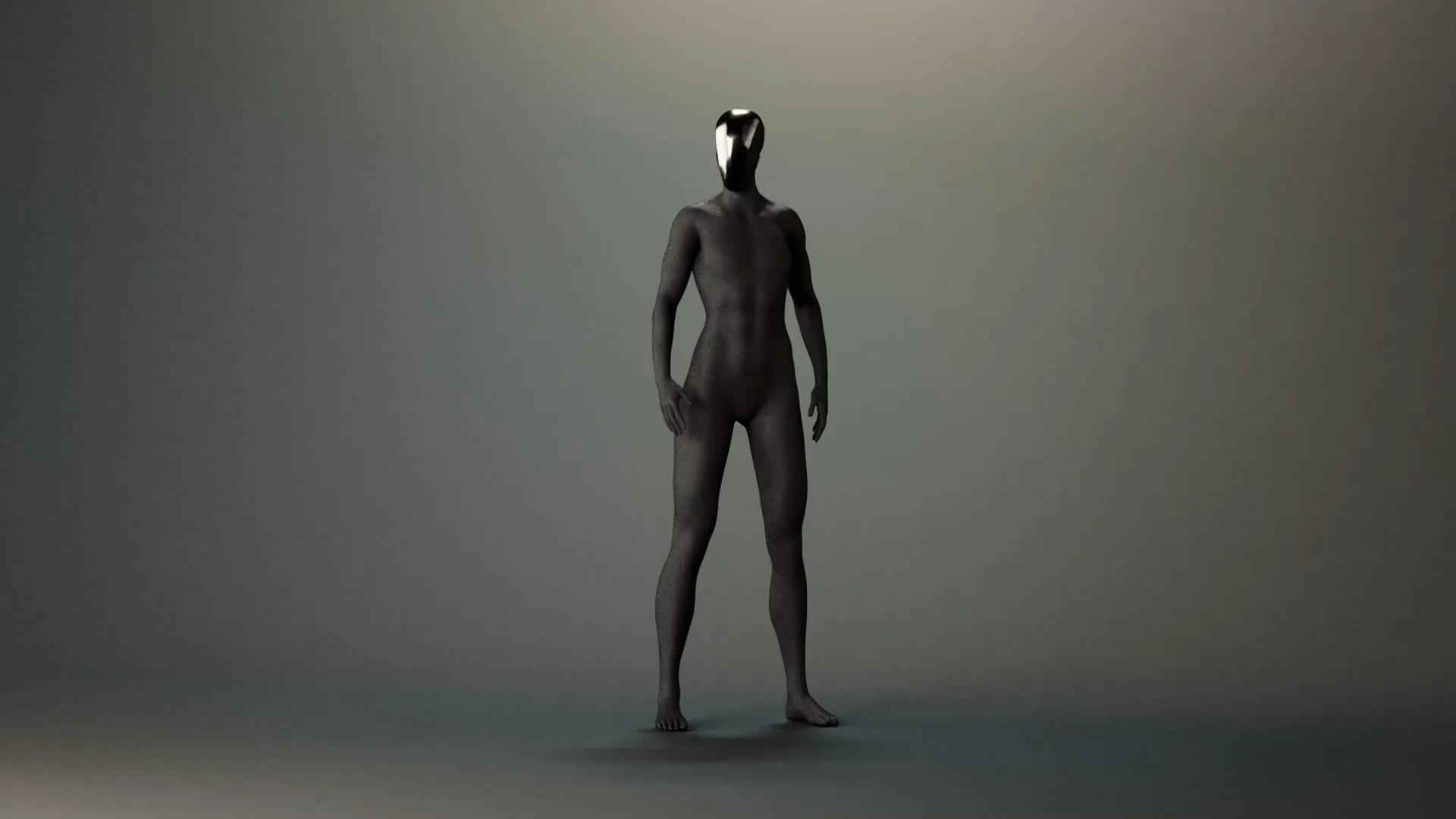
Android ~183 cm with a 206-bone skeleton, over 200 DOF, ~1000 artificial hydraulic muscles and 500 sensors. Laboratory prototype. Emerging technology. Indicative price.
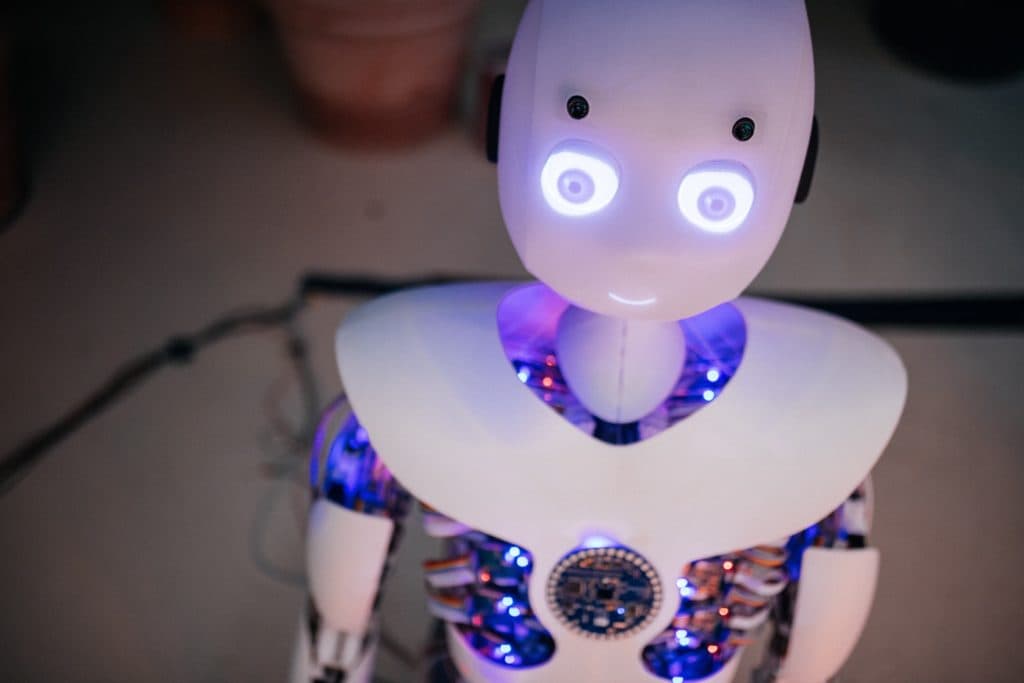
Tendon-driven musculoskeletal humanoid with elastic actuators (up to 300 N) and 3 DOF joints in the neck/shoulders/wrists. Focused on home care and teleoperation. Emerging technology. Indicative price.
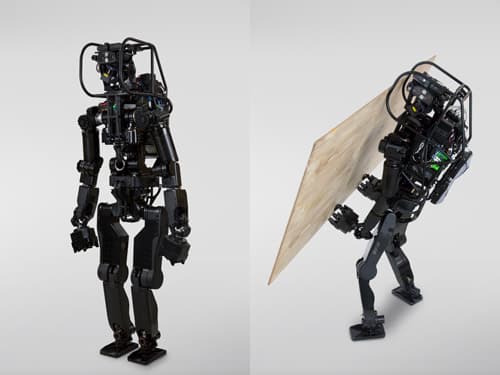
Heavy-work humanoid, 182 cm, 101 kg, 37 DOF and high-power electric joints. Demonstrates autonomous plasterboard installation. AIST prototype. Emerging technology. Indicative price.
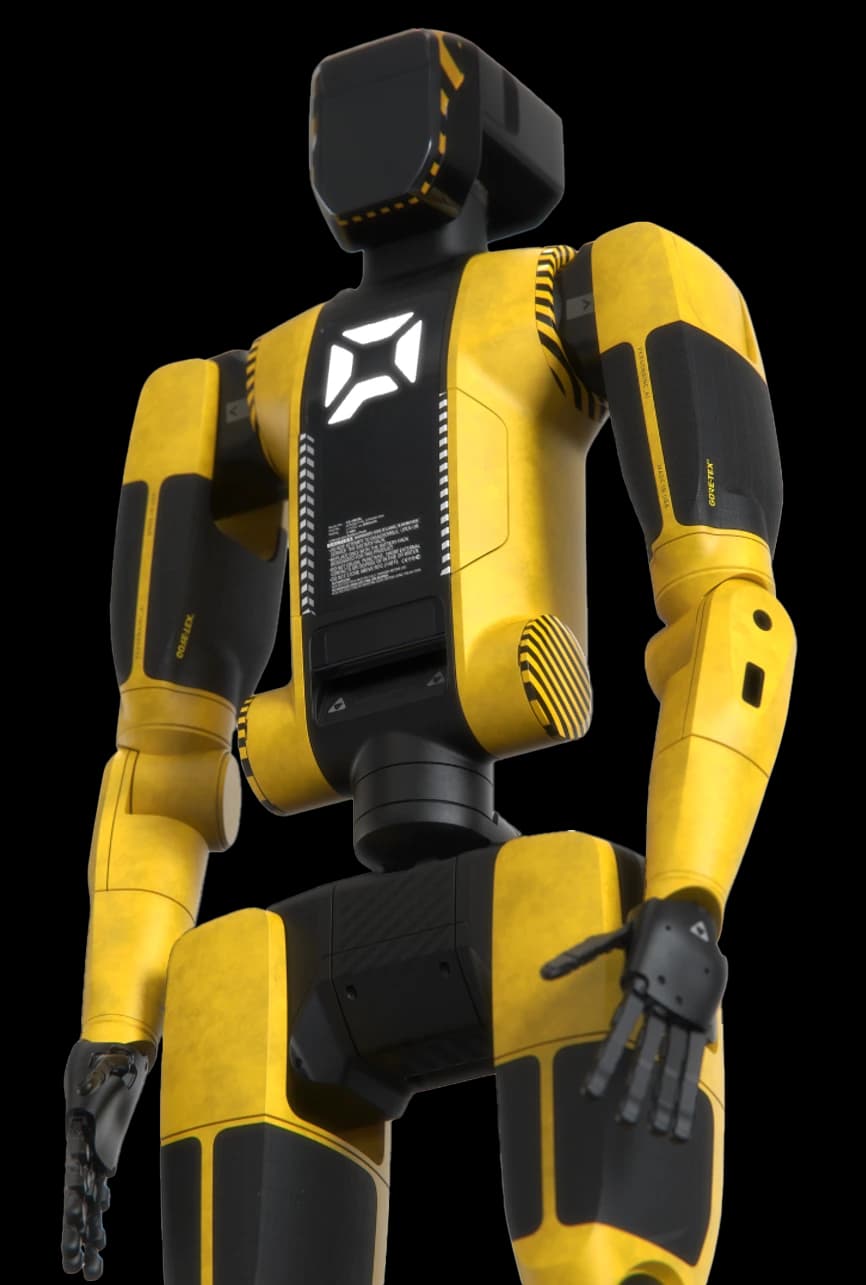
Industrial humanoid (team formerly on NASA Robonaut) for skilled physical work: welding, grinding and inspection. Shipyard pilot. Specifications not disclosed. Emerging technology. Indicative price.
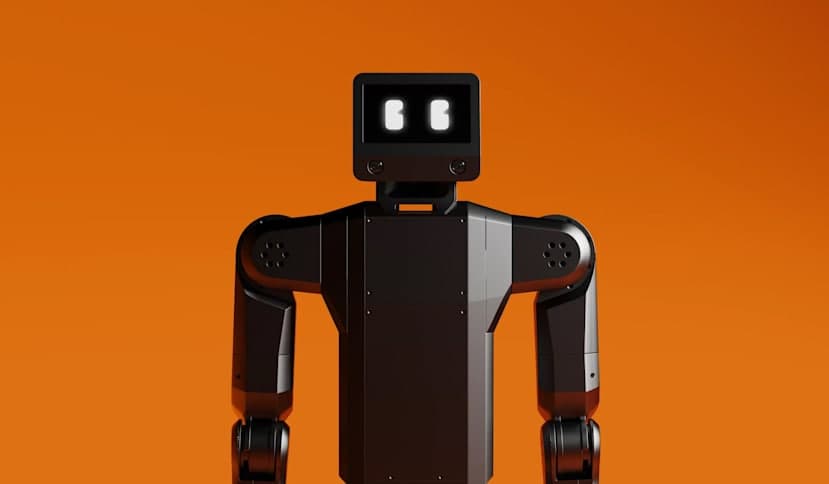
Open-source humanoid, ~140 cm, ~34 kg, 120 Nm actuators and a Rust-based OS (K-OS). ~$8,999, the first open-source humanoid made in the USA. Emerging technology. Indicative price.
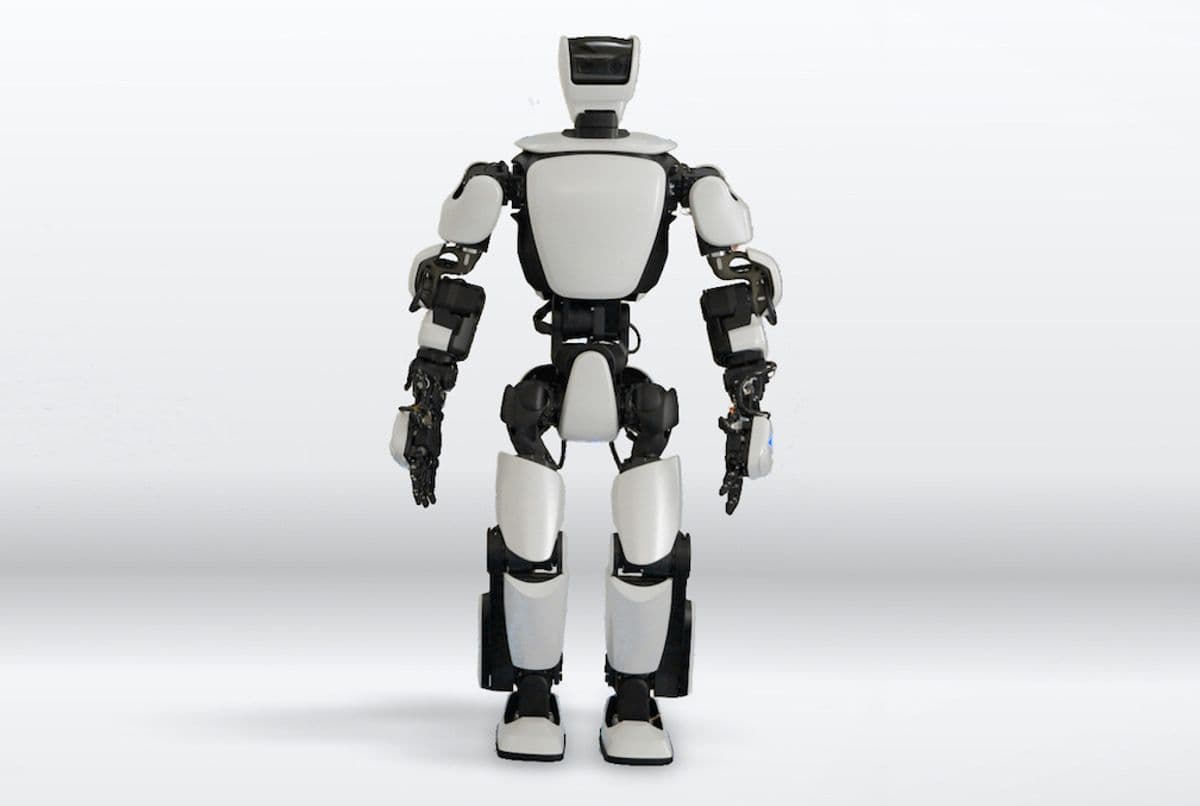
3rd-generation teleoperated humanoid, 32 torque-servo modules, controlled via the Master Maneuvering System with force feedback. Research platform. Emerging technology. Indicative price.
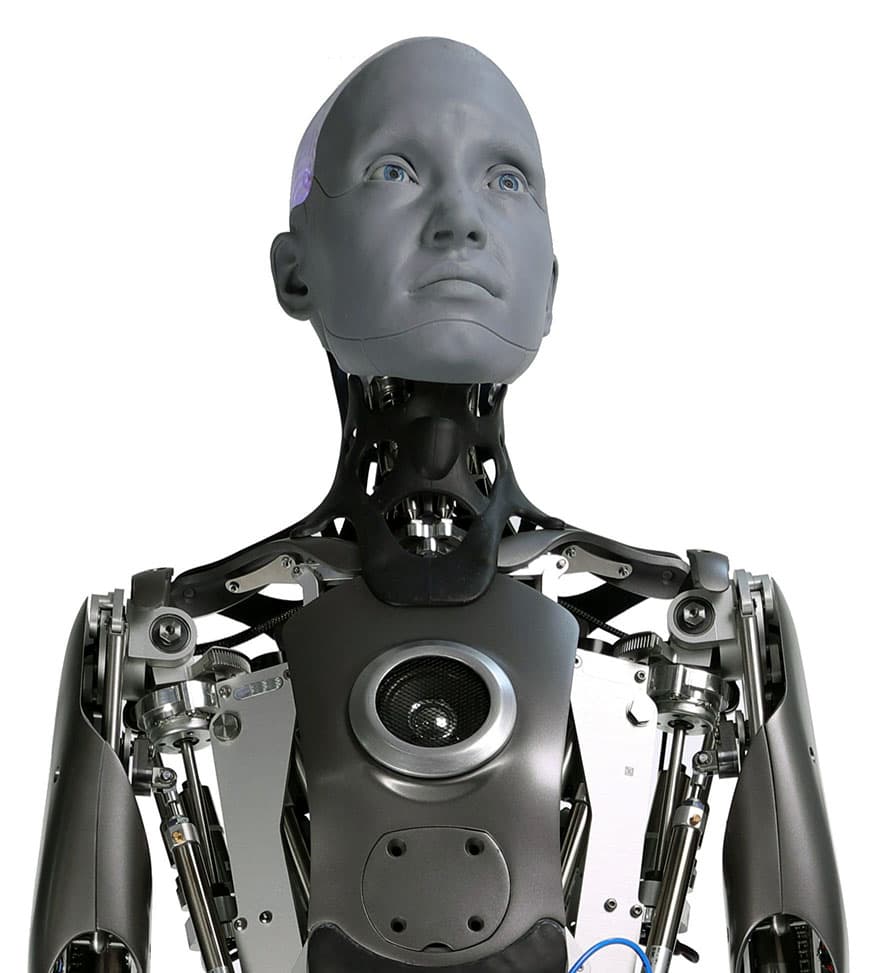
Social humanoid, 187 cm, 61 DOF (27 facial), Mesmer technology and LLM integration. For interaction, events and HRI research, not physical work. Available for sale/rental. Indicative price.
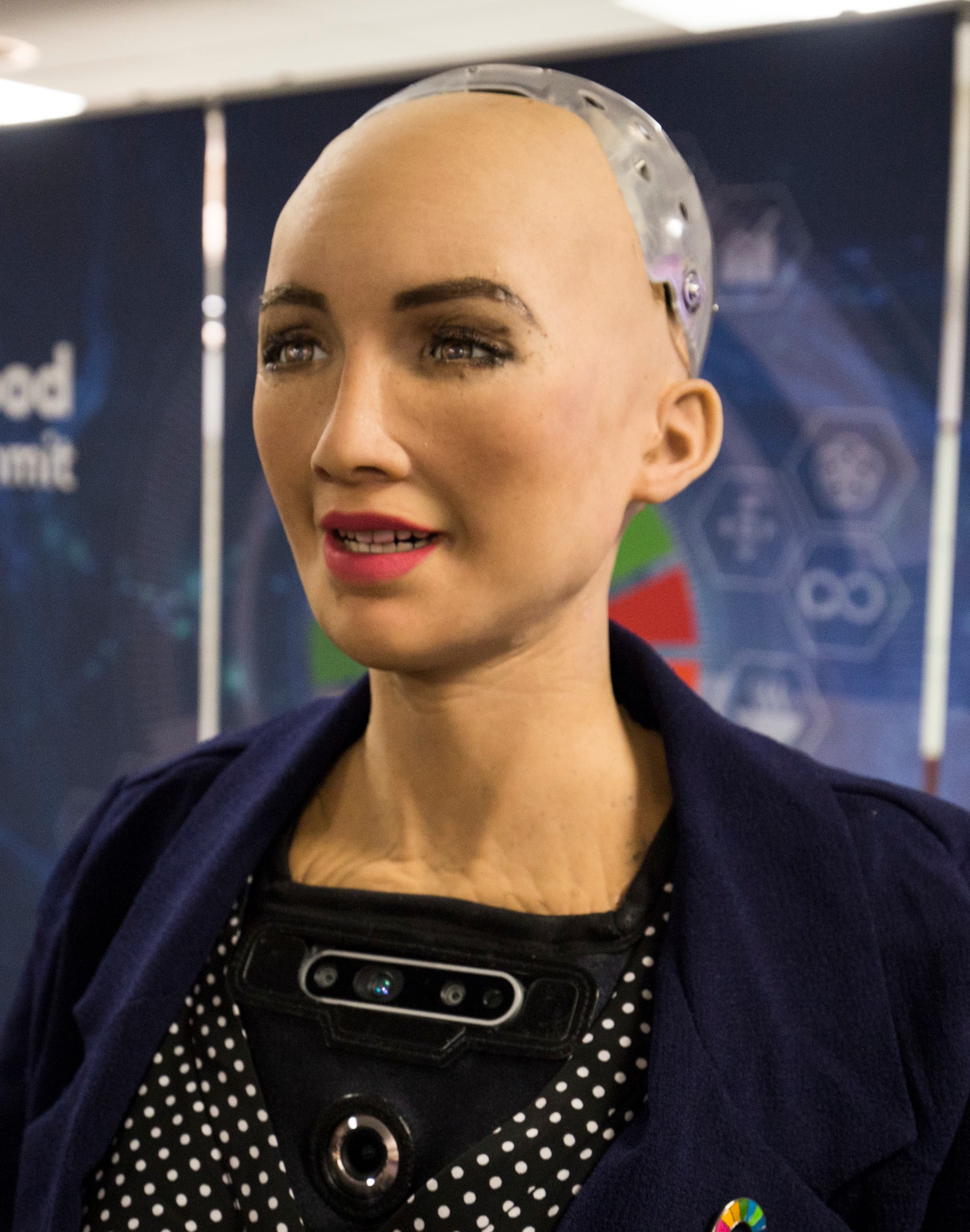
Social humanoid, 167 cm, Frubber skin, 83 DOF (36 for the head/neck) and over 60 expressions. AI ambassador, education and media. Not for physical work. Indicative price.
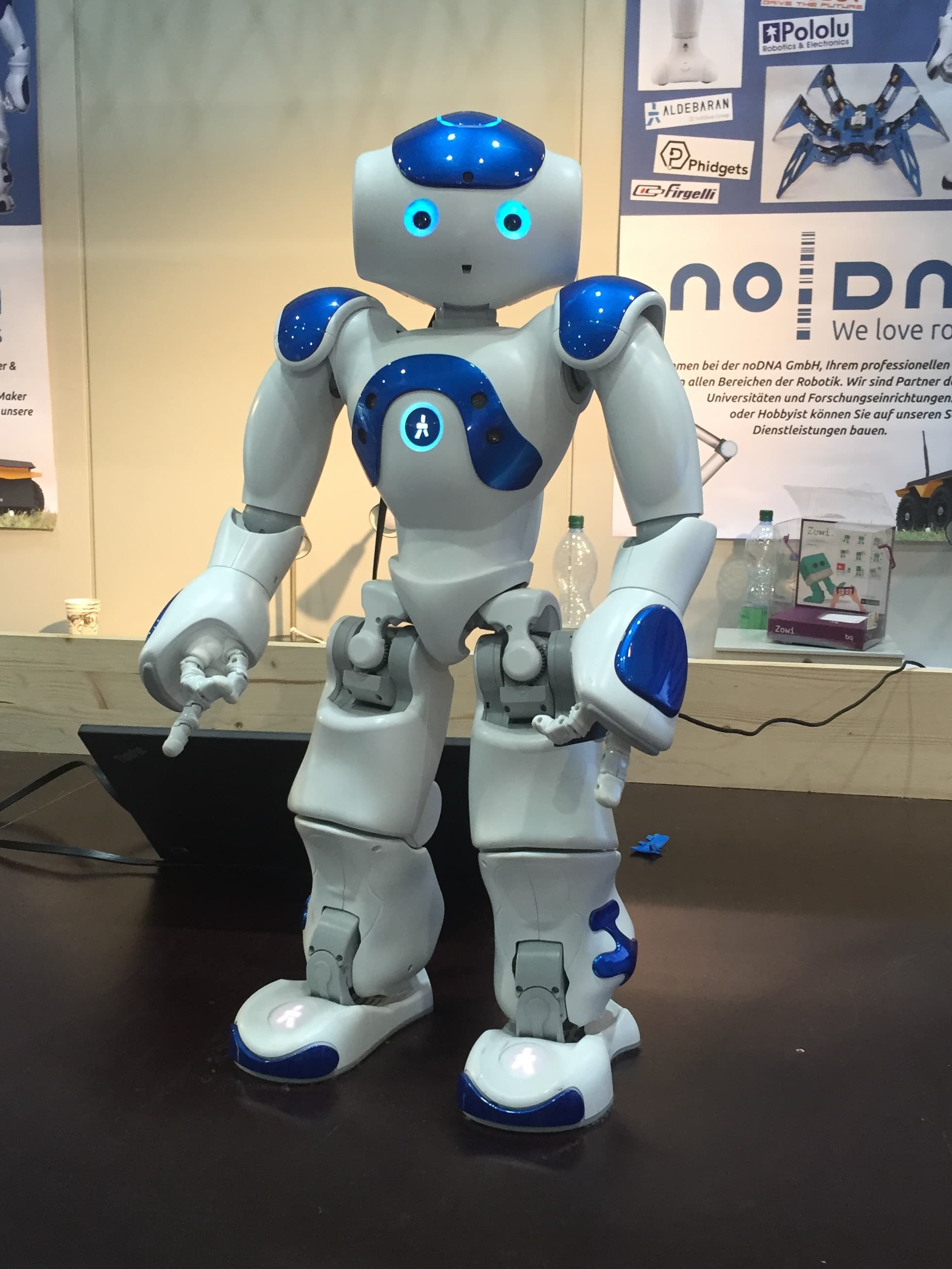
Small bipedal humanoid, 58 cm, 5.6 kg, 25 DOF, HD cameras and tactile sensors. Over 13,000 units in 70+ countries: a standard for education and research. Available. Indicative price.
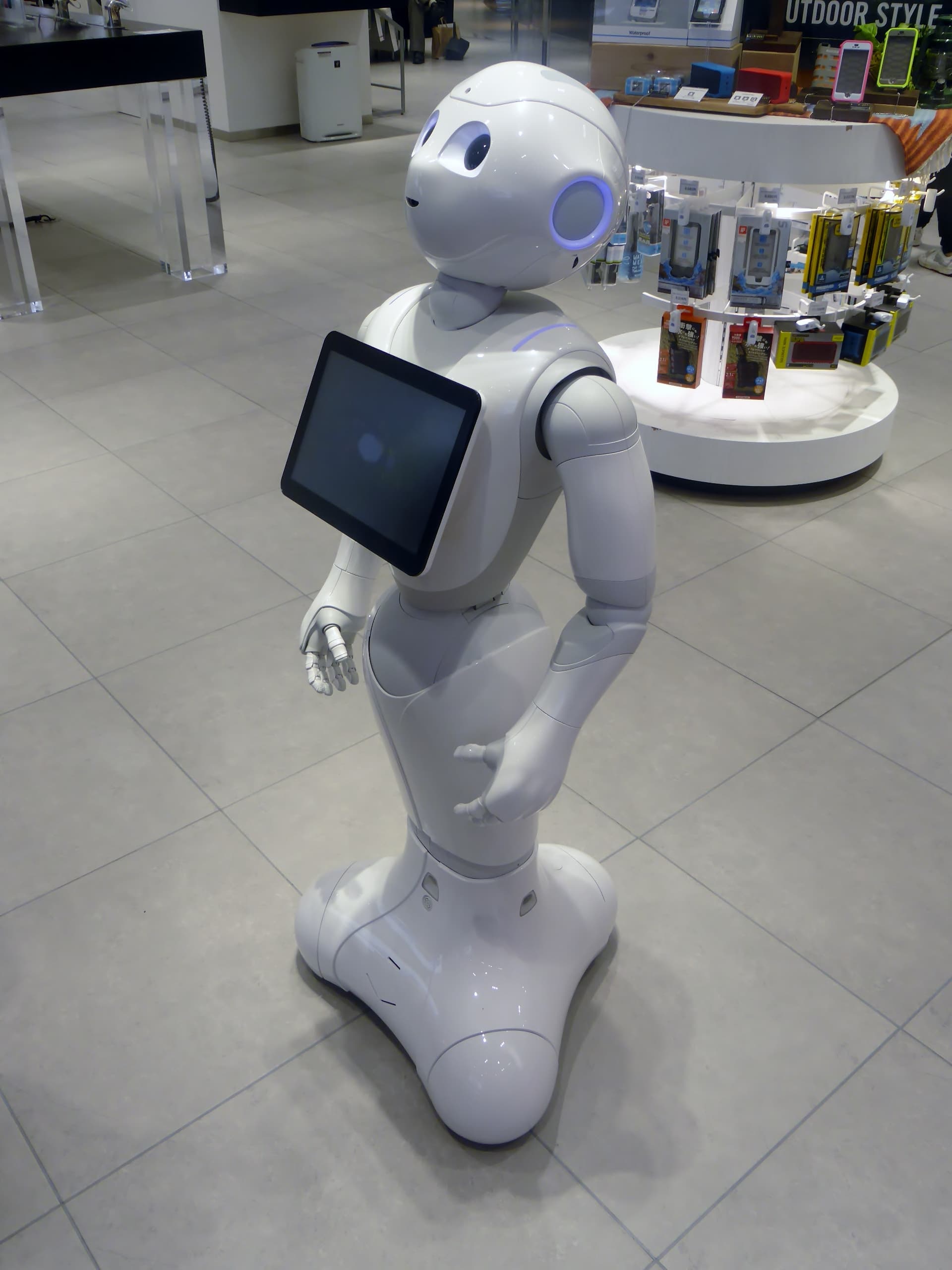
Social humanoid on a 3-wheel base, 121 cm, 20 DOF, tablet display and emotion recognition. Over 27,000 units since 2015 for retail and reception. Available. Indicative price.
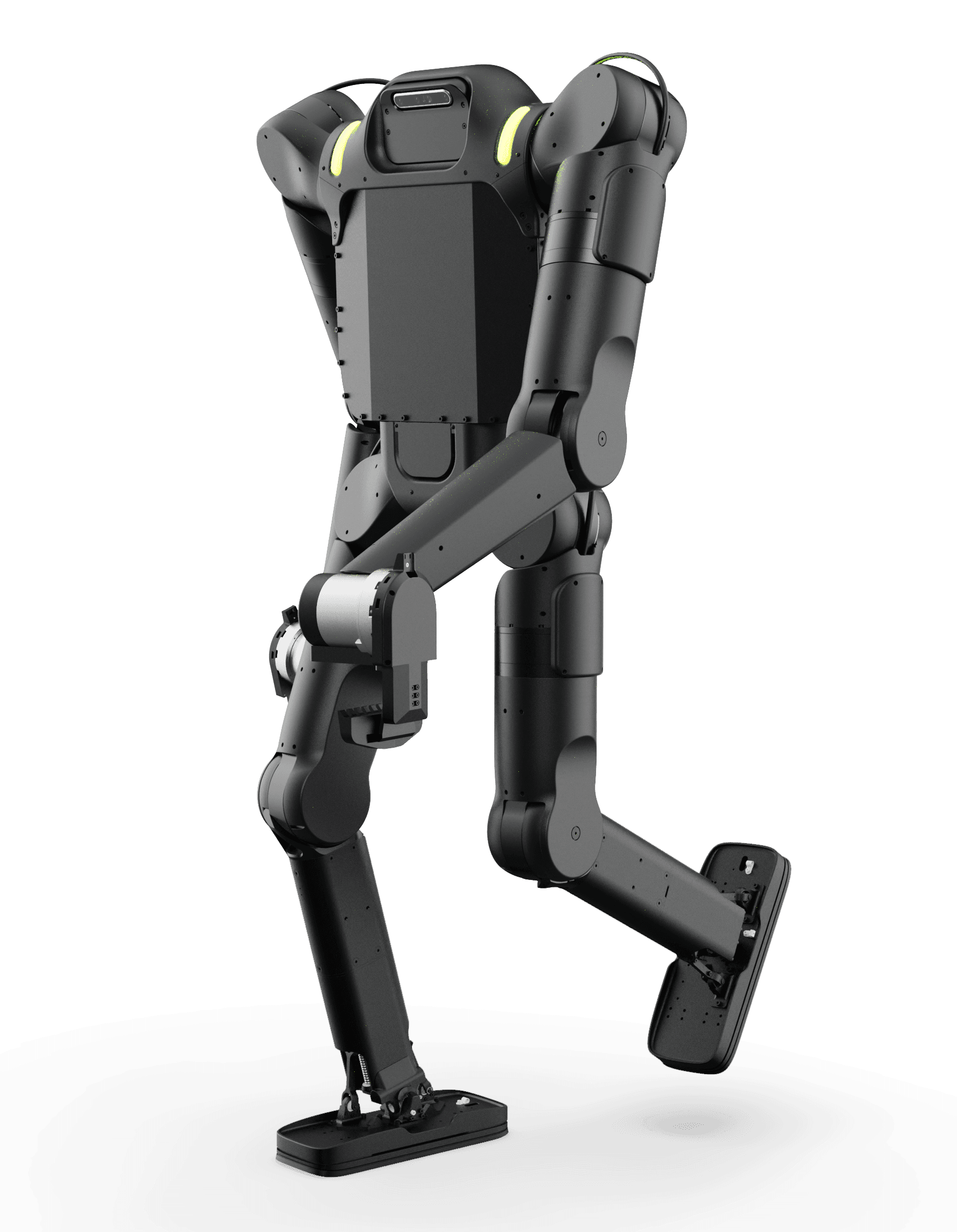
Voice-operated industrial humanoid derived from self-balancing exoskeletons, interchangeable end effectors and NVIDIA Jetson edge AI. Renault plans 350 units. Emerging technology. Indicative price.
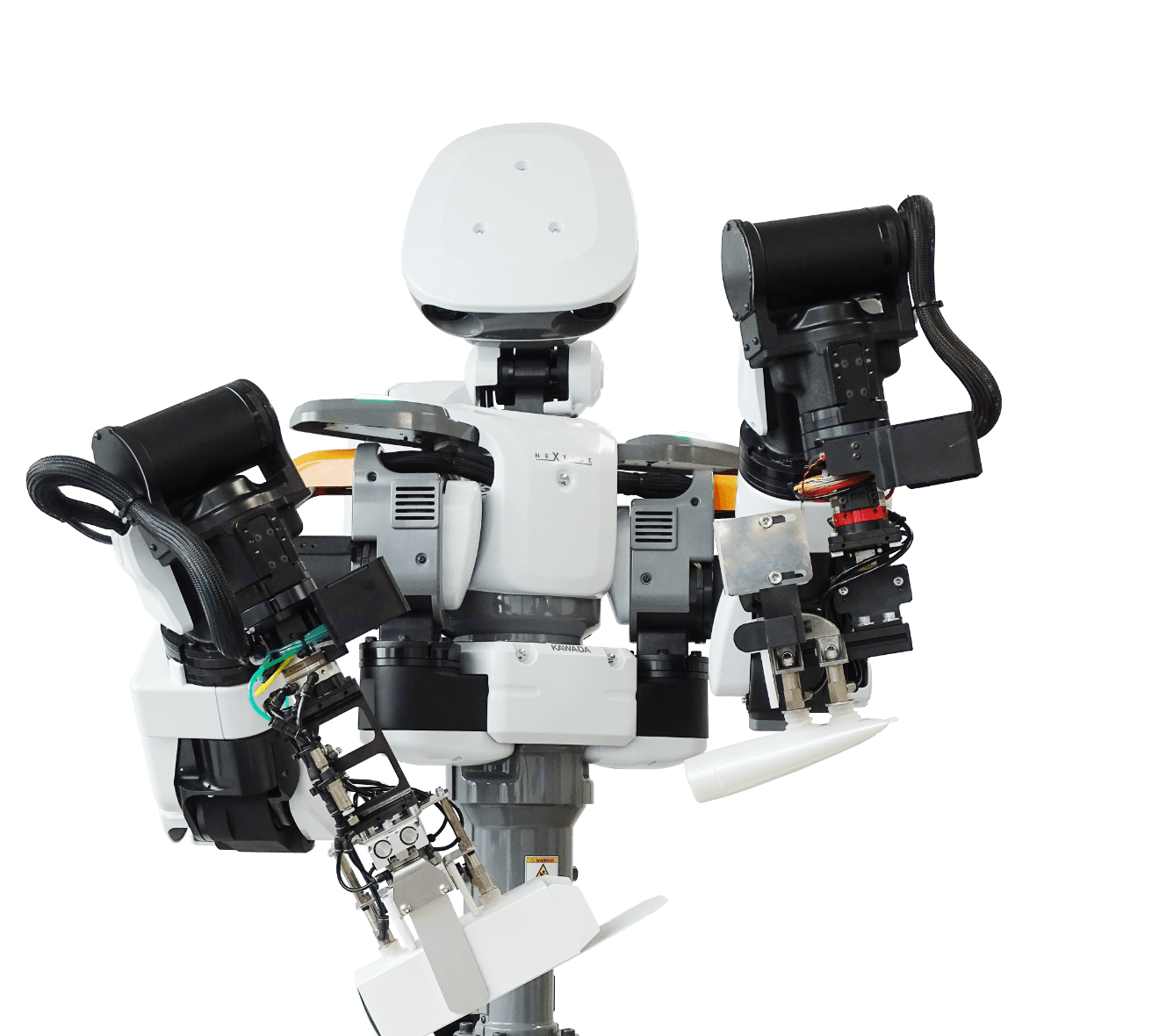
Collaborative industrial humanoid with dual 6-axis arms, 15 DOF, 1.5 kg payload per hand, 0.03 mm repeatability and integrated vision. In production since 2009 without barriers. Available. Indicative price.
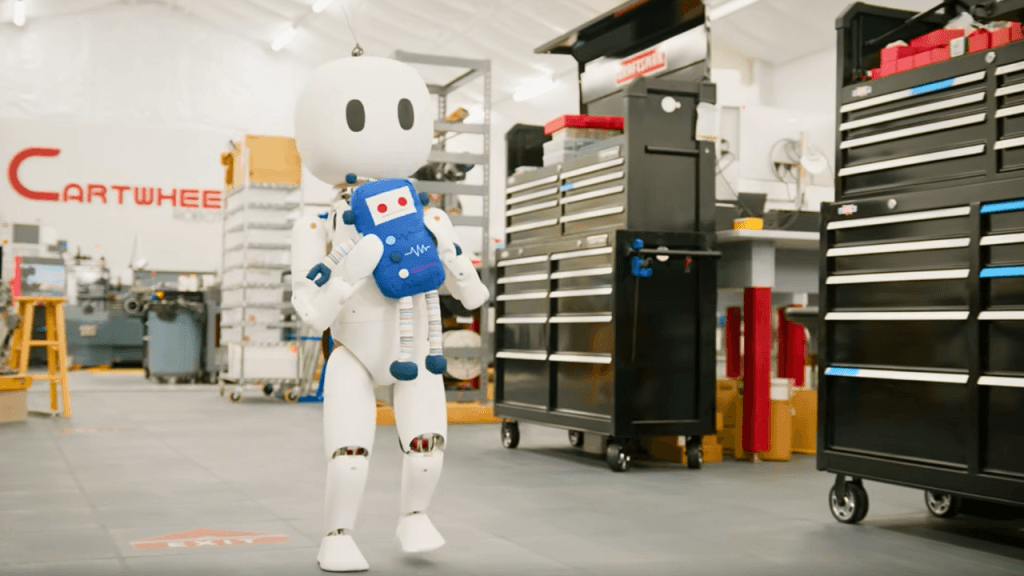
Companion humanoid, ~1 m, with childlike proportions, over 50 DOF, medical-grade silicone, a swappable battery and a Motion Language Model. Focused on home, hospitality and healthcare. Emerging technology. Indicative price.
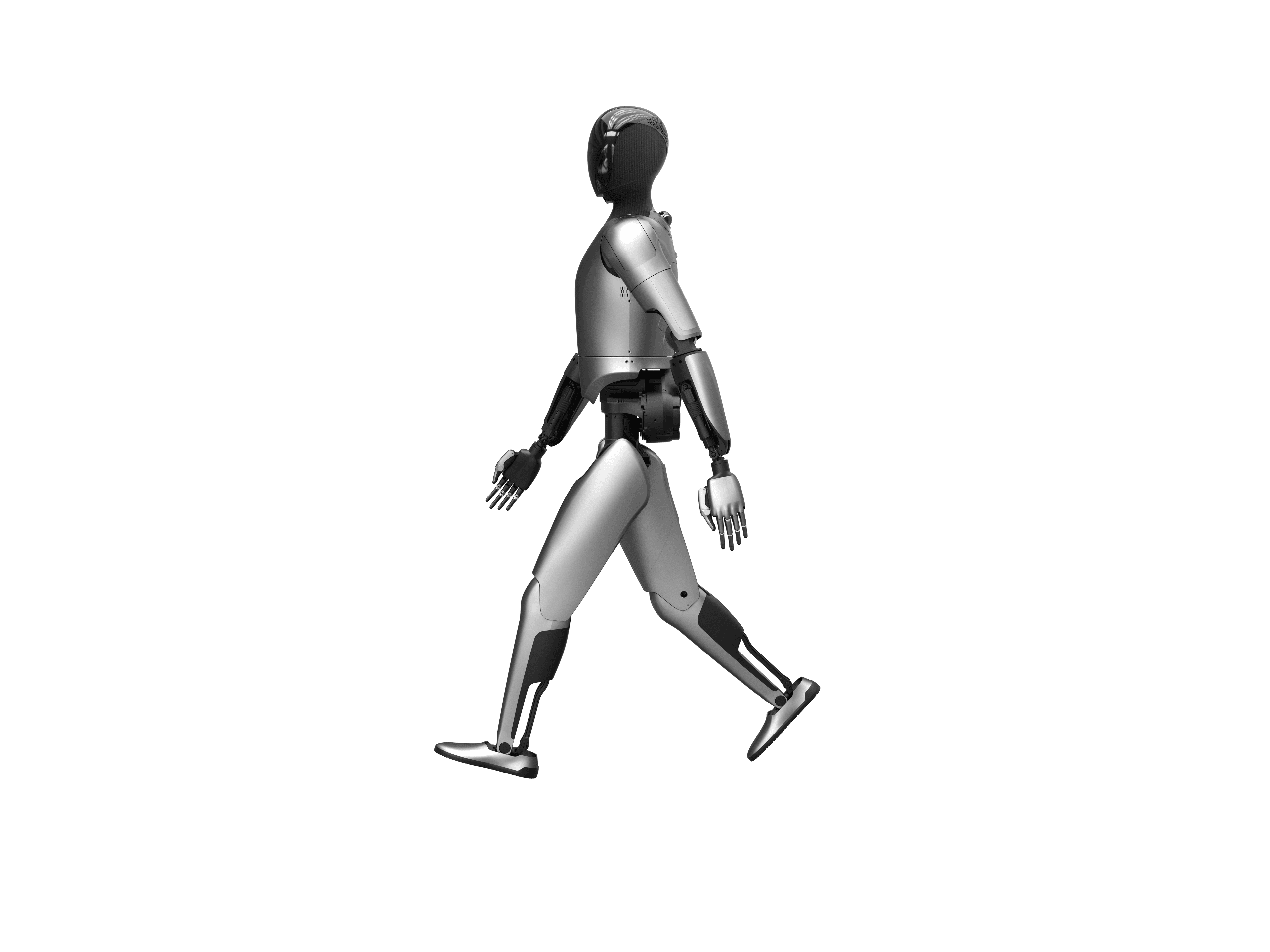
Full-size bipedal humanoid: 175 cm, 42 DOF (7 per arm + 11 DOF hands), ~20 kg dual-arm payload and 4-5 h runtime. Emerging technology. Indicative price.
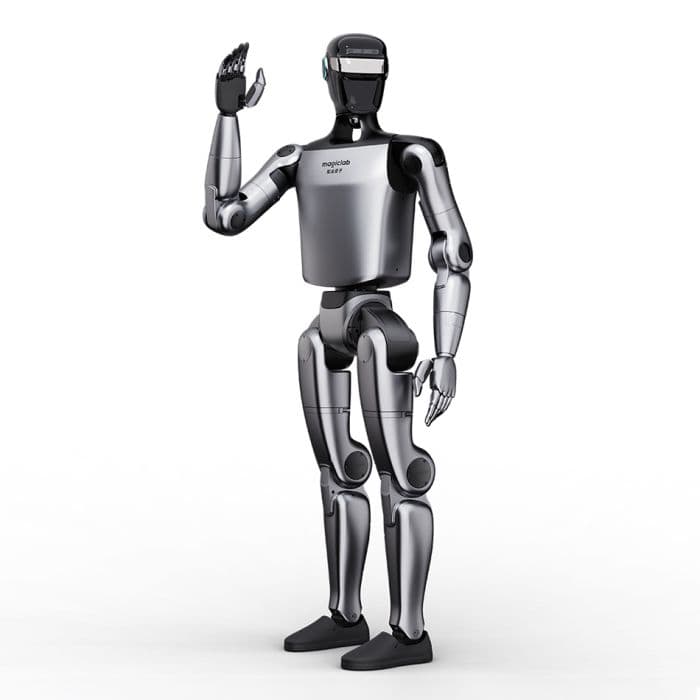
Compact humanoid, 140 cm and 40 kg, 24 DOF (expandable to 49), peak torque 130+ N·m and a 5-finger hand supporting up to 5 kg. Emerging technology. Indicative price.
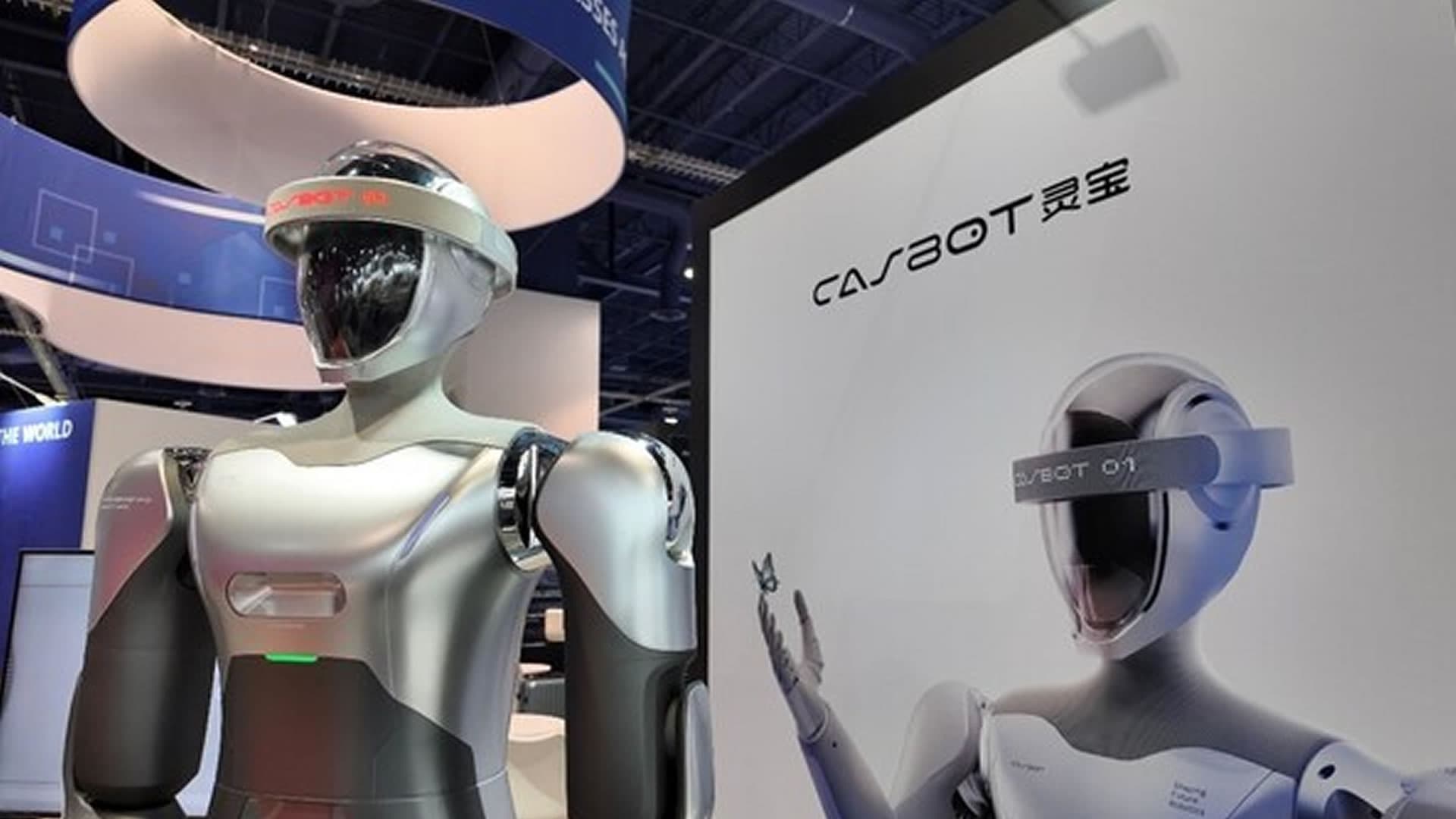
Full-size bipedal humanoid, 179 cm and 60 kg, 52 DOF, 550 TOPS, 5-finger hand and 4+ h runtime, capable of walking/running/jumping. Emerging technology. Indicative price.
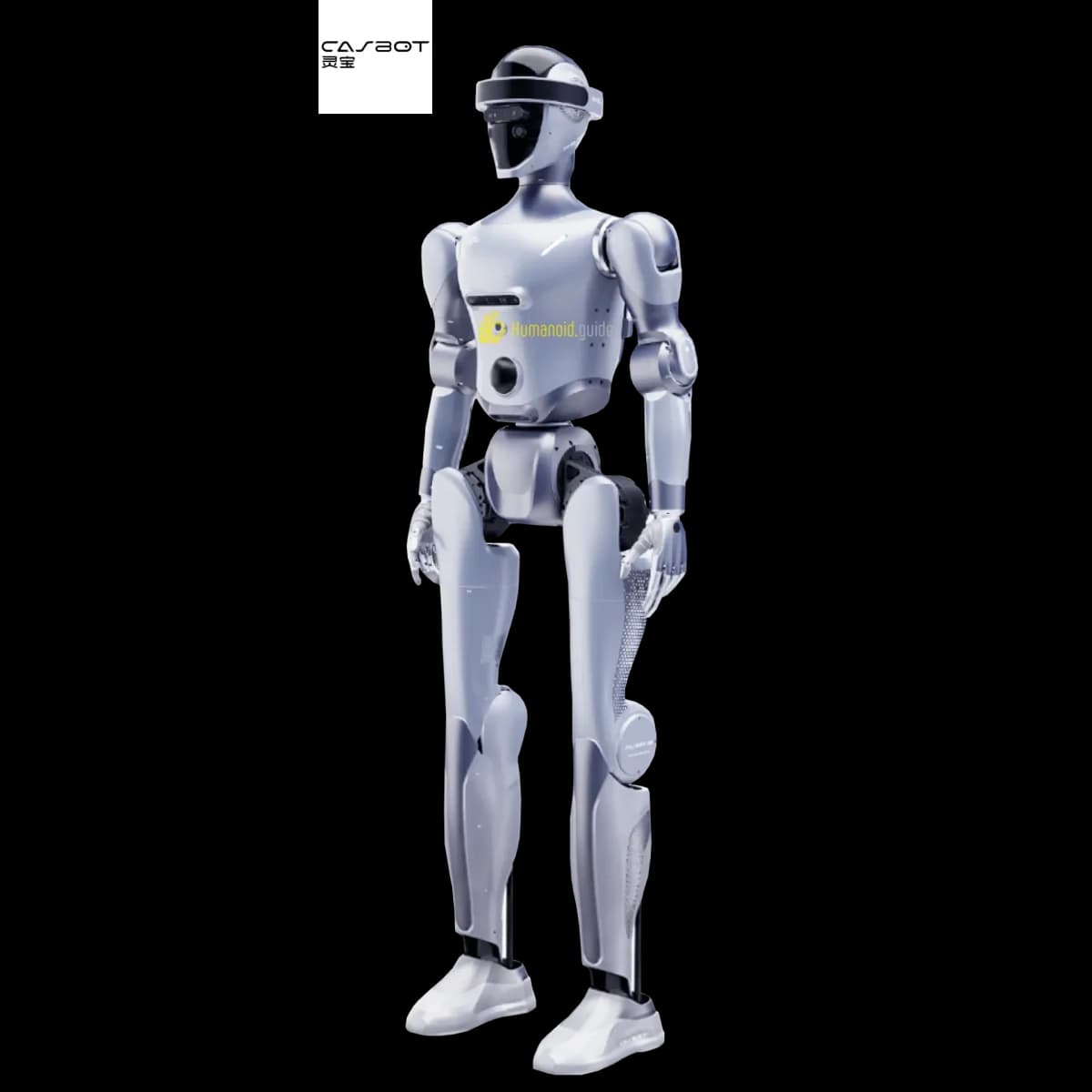
Bipedal humanoid, 163 cm, 33 DOF, 275 TOPS, with face and voice recognition for reception and guidance. Emerging technology. Indicative price.
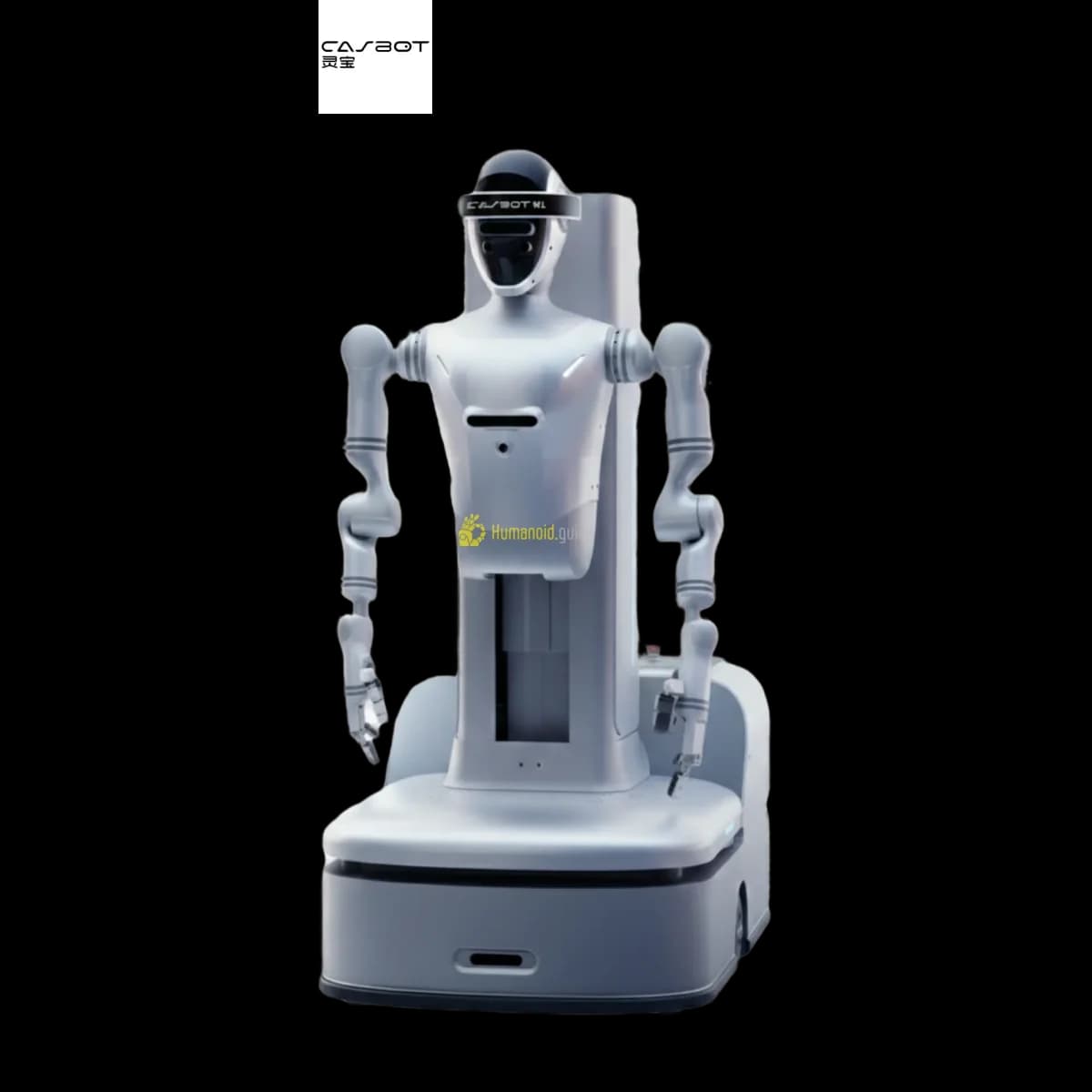
Wheeled humanoid with dual 7 DOF arms, 20 DOF in total, 0-2.1 m vertical lift, IPC i9 + GPU for logistics, manufacturing and inspection. Emerging technology. Indicative price.

Service humanoid, 158 cm, on an omnidirectional 3-wheel chassis, with 34 compliant actuators, cloud AI and NLP for interaction. Indicative price.
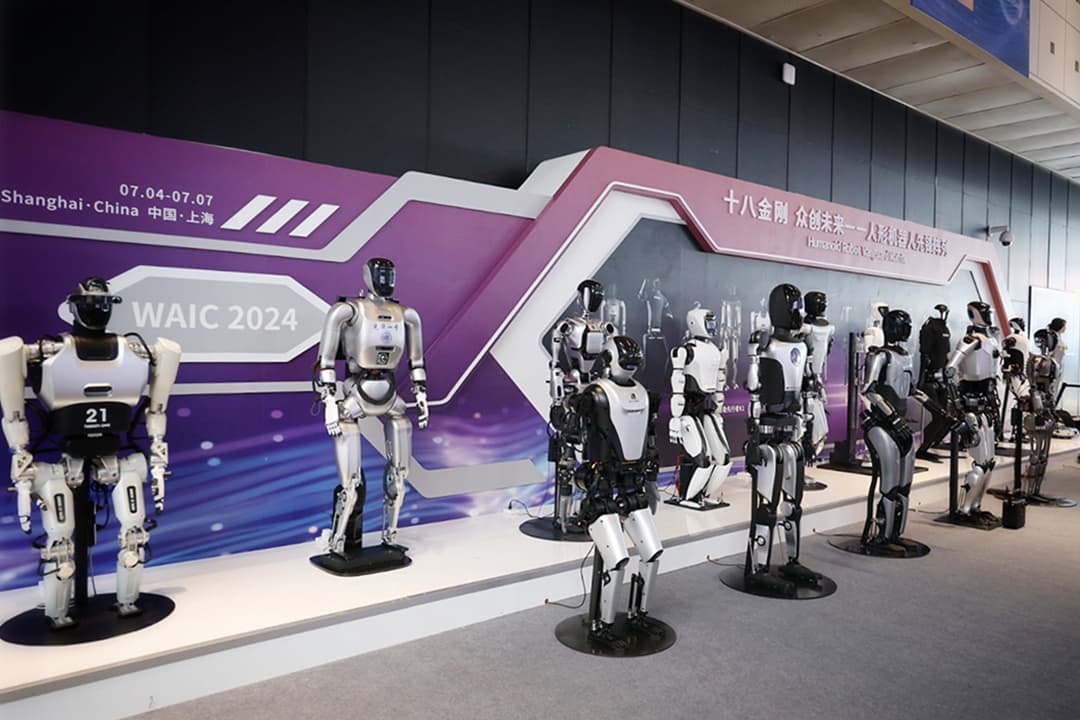
Bipedal humanoid, ~168 cm and 75 kg, over 50 DOF, double-parallel structure and integrated RobotGPT. Emerging technology. Indicative price.
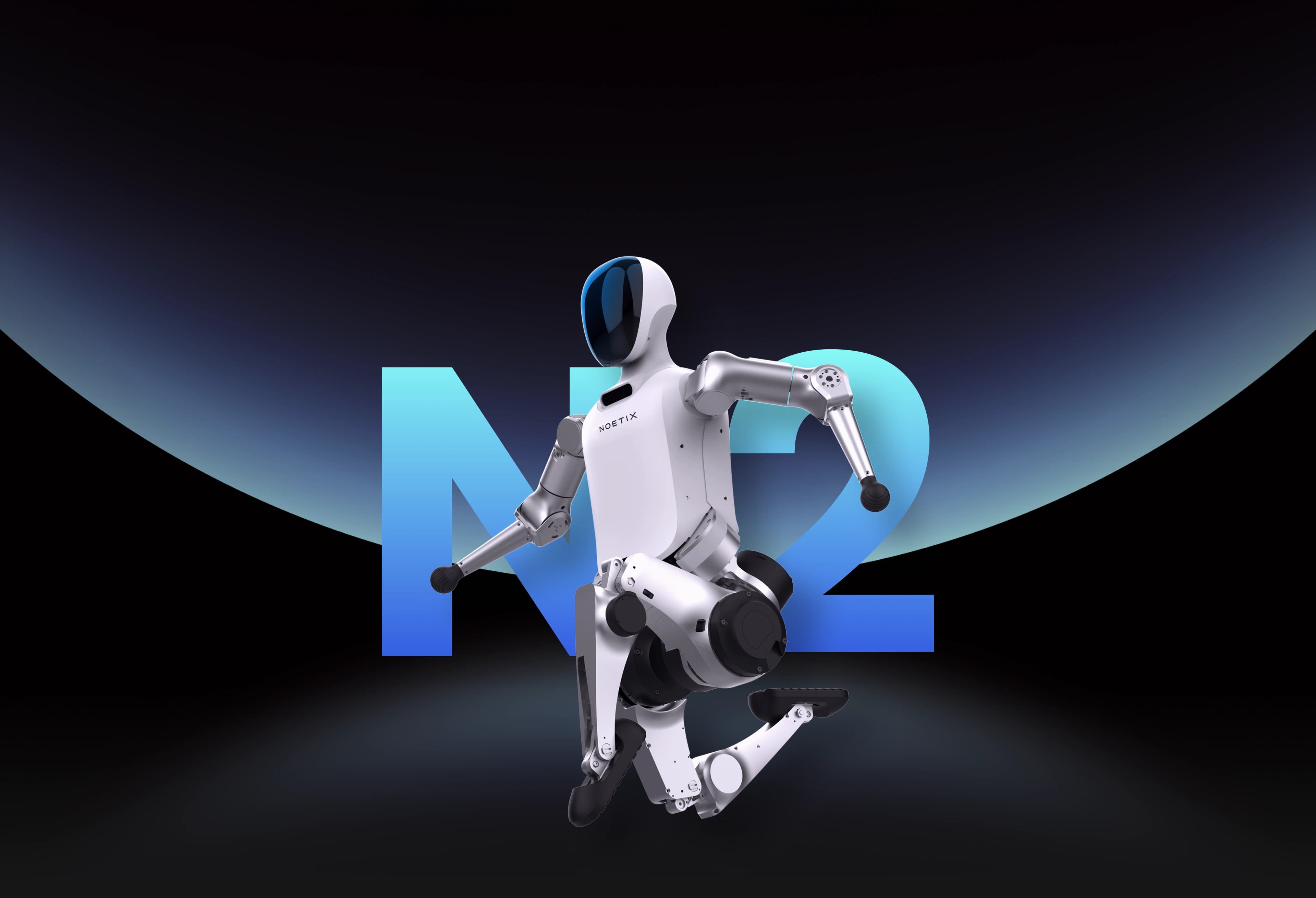
Lightweight humanoid, 118 cm and 30 kg, 18 DOF, 150 N·m peak torque, 5 kg walking payload and edge AI up to 67 TOPS. Emerging technology. Indicative price.
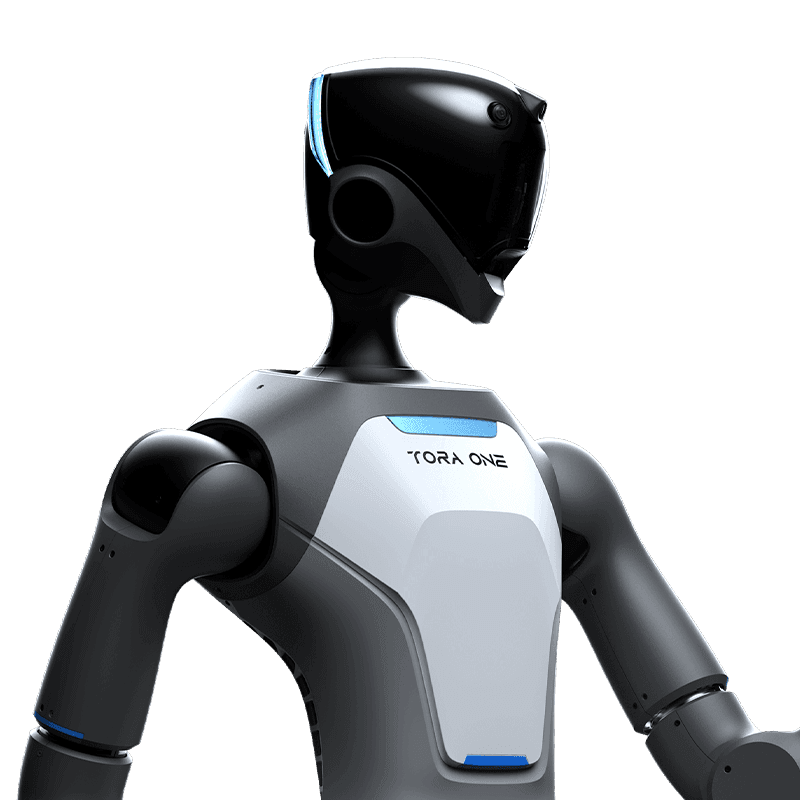
Wheeled humanoid with adjustable 1.46-1.86 m height, 47 DOF, ~2000 tactile sensors, 6 kg payload per arm and laser-SLAM navigation. Emerging technology. Indicative price.

Full-size bipedal humanoid, 170 cm and 65 kg, 42 DOF, 352 N·m maximum torque, dual 7 DOF arms with 20+ kg payload and a hand with tactile sensors. Emerging technology. Indicative price.

Industrial semi-humanoid with force-controlled dual arms, 14 kg payload, working height up to 2 m, tactile sensing and autonomous battery swapping. Emerging technology. Indicative price.
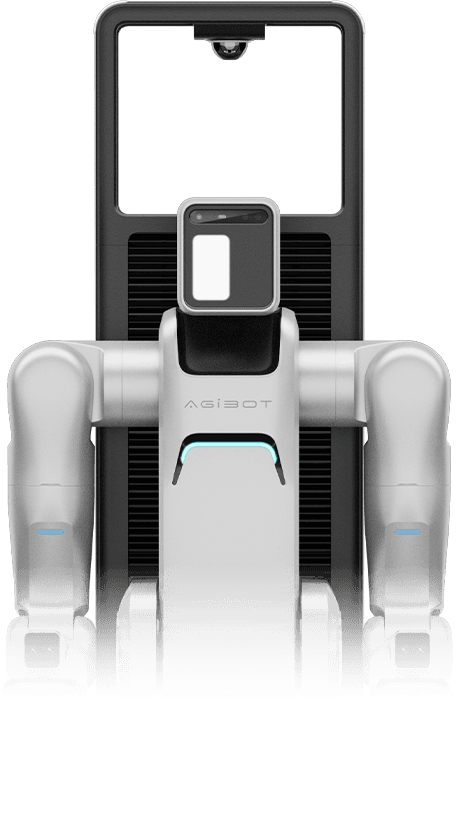
Wheeled humanoid for flexible manufacturing, 230 kg, dual bionic 7 DOF arms, 22 DOF with a lifting/tilting torso and a 2 kWh battery for 5+ h. Emerging technology. Indicative price.
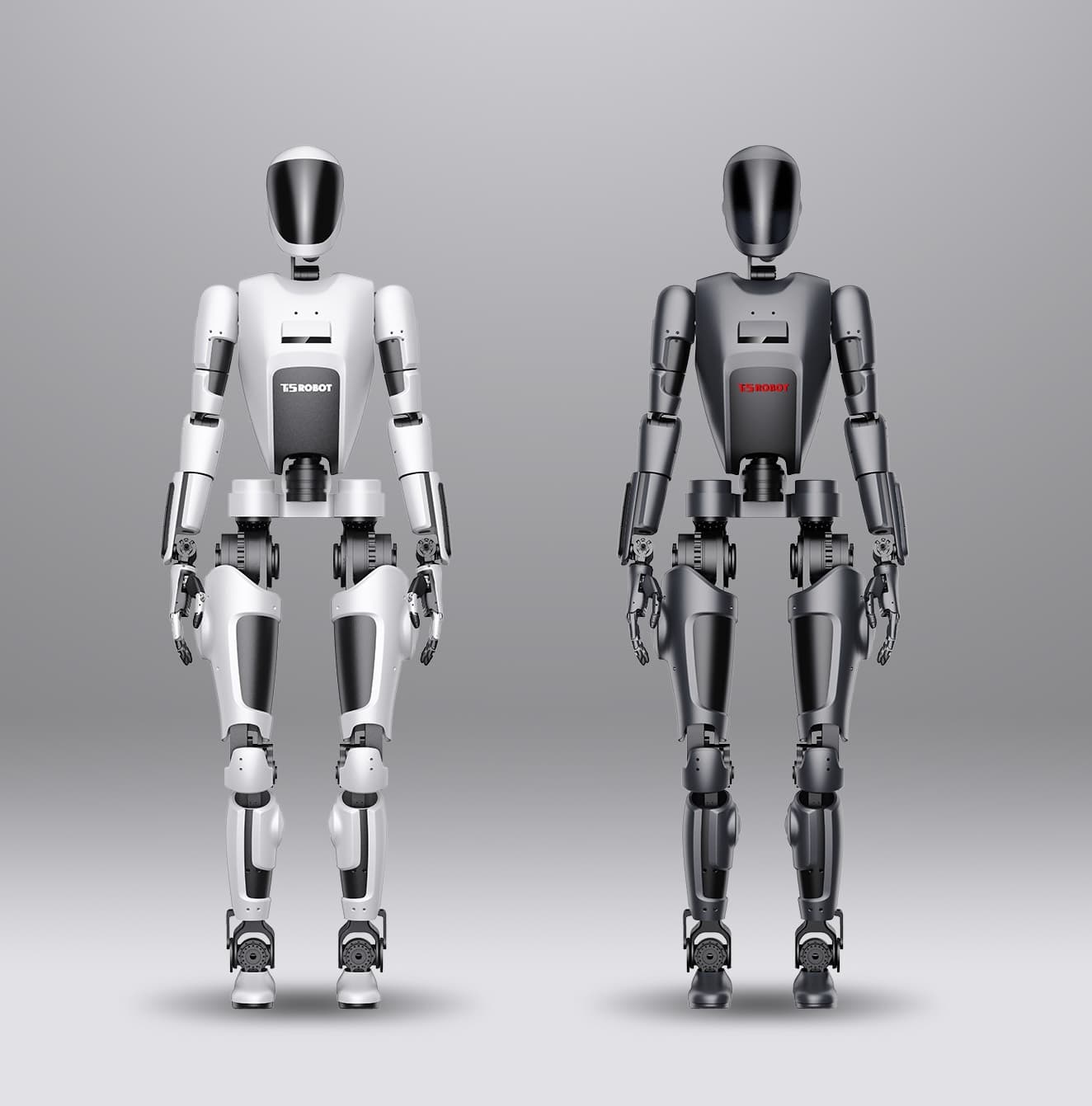
Lightweight humanoid, 170 cm and 48 kg, 44 DOF, high-torque 490 N·m leg joints, 7 DOF arm and dual vision using lidar + depth camera. Emerging technology. Indicative price.
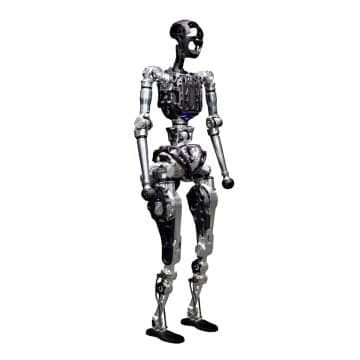
Bipedal humanoid, 160 cm and 60 kg, 25 DOF with force-controlled QDD actuators (up to 340 N·m), with locomotion through reinforcement and imitation learning. Emerging technology. Indicative price.
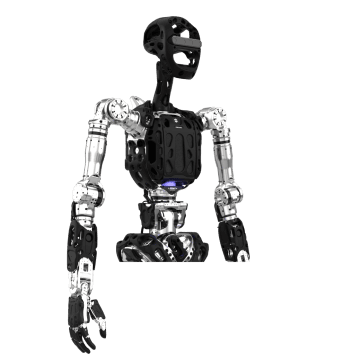
Humanoid on a fixed platform with adjustable 1.35-1.77 m height, weighing 61 kg, with 31 force-controlled DOF for precision manipulation and data collection. Emerging technology. Indicative price.
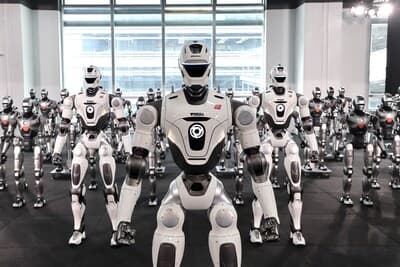
Bipedal humanoid, 170 cm (Shenzhen), performance above 80% of a person of the same height, operating cost around 1/3 of human labour and agile movement. Emerging technology. Indicative price.
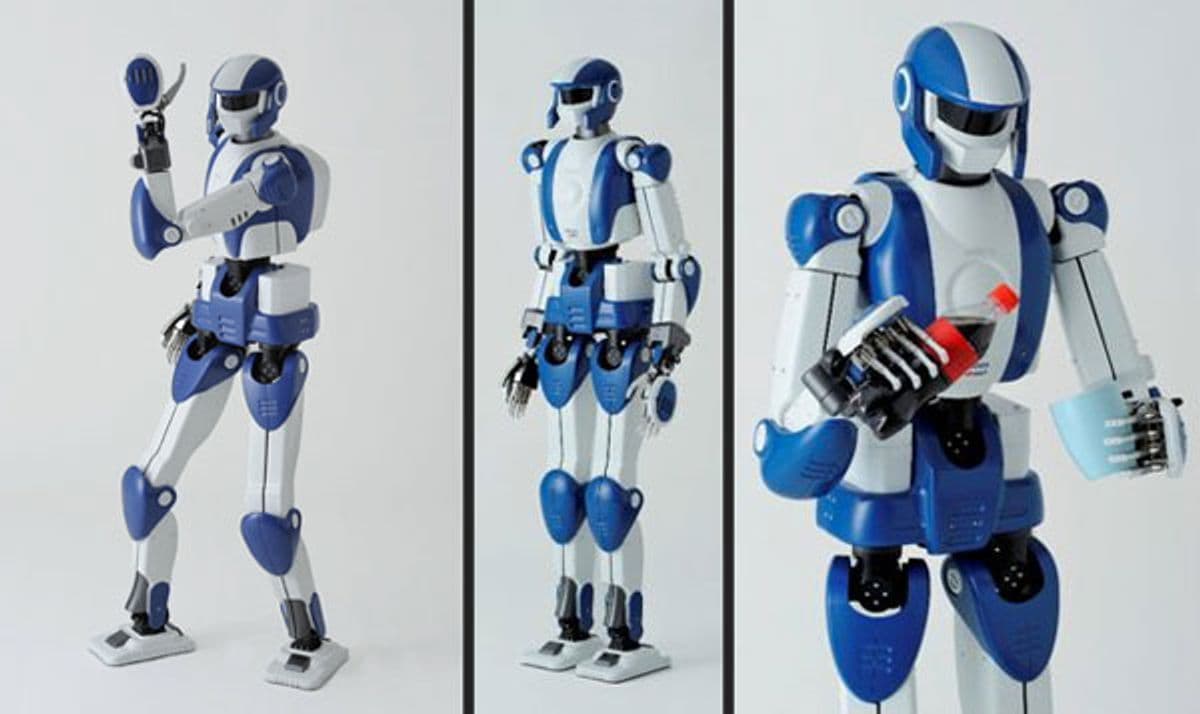
Slim, lightweight humanoid, 151 cm and 39 kg, 34 DOF and 5-finger hands; recognises faces and tracks objects; AIST research platform. Emerging technology. Indicative price.
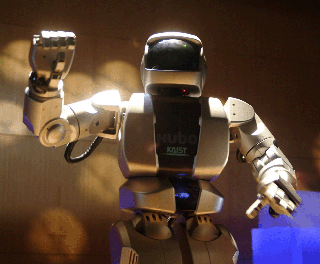
Bipedal humanoid, 125 cm and 55 kg, 41 DOF; KAIST research platform for bipedal walking and manipulation. Emerging technology. Indicative price.
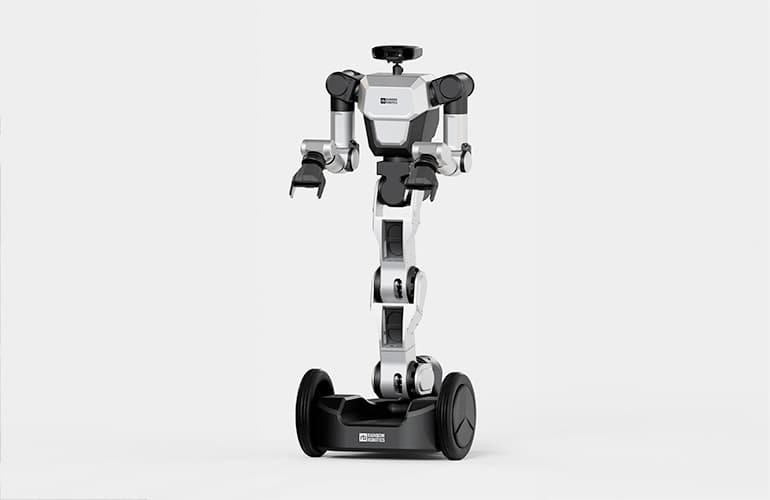
Wheeled semi-humanoid, 140 cm and 131 kg, dual 7 DOF arms (6 kg total), a 6 DOF leg, 20-axis whole-body control and 1.5 m/s speed. Indicative price.
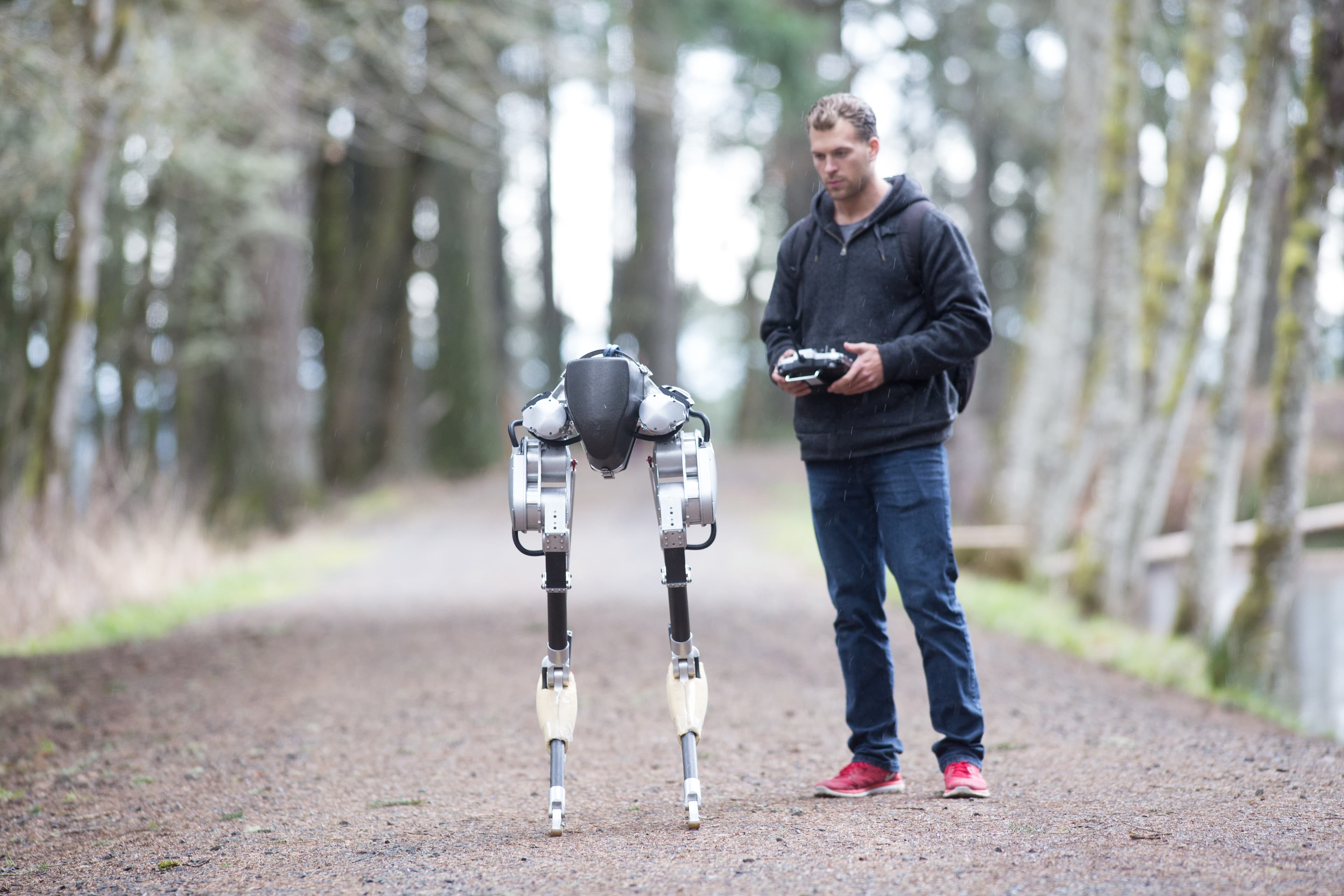
Bipedal research platform (legs only, the basis of the future Digit), originating at Oregon State with a DARPA grant, 22 DOF; holds the Guinness record for a bipedal robot over 100 m (24.73 s). Emerging technology.
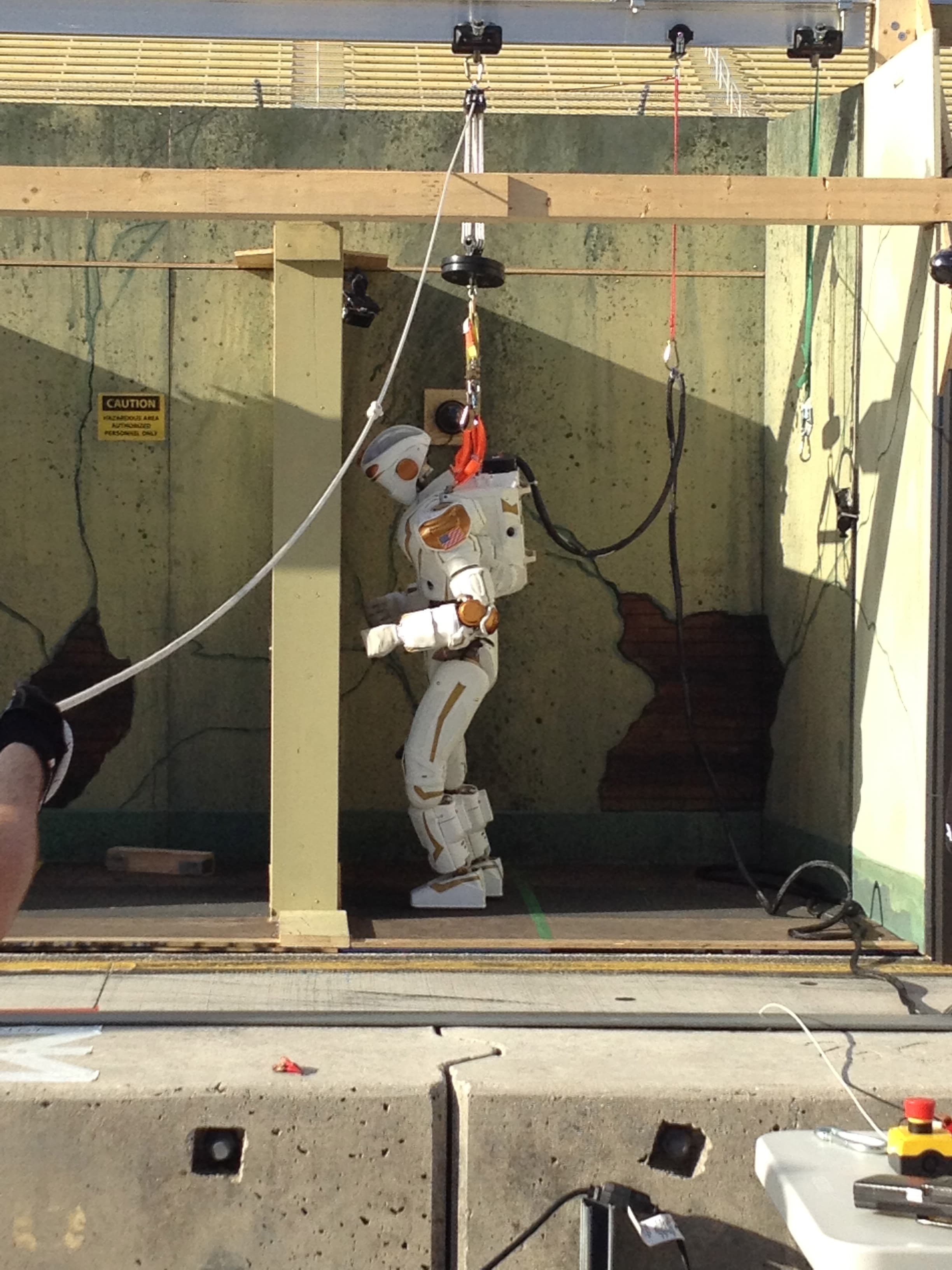
Electric bipedal humanoid, 190 cm, 125 kg, 44 DOF, developed by NASA for the DARPA Robotics Challenge; research platform distributed to IHMC and universities. Emerging technology.
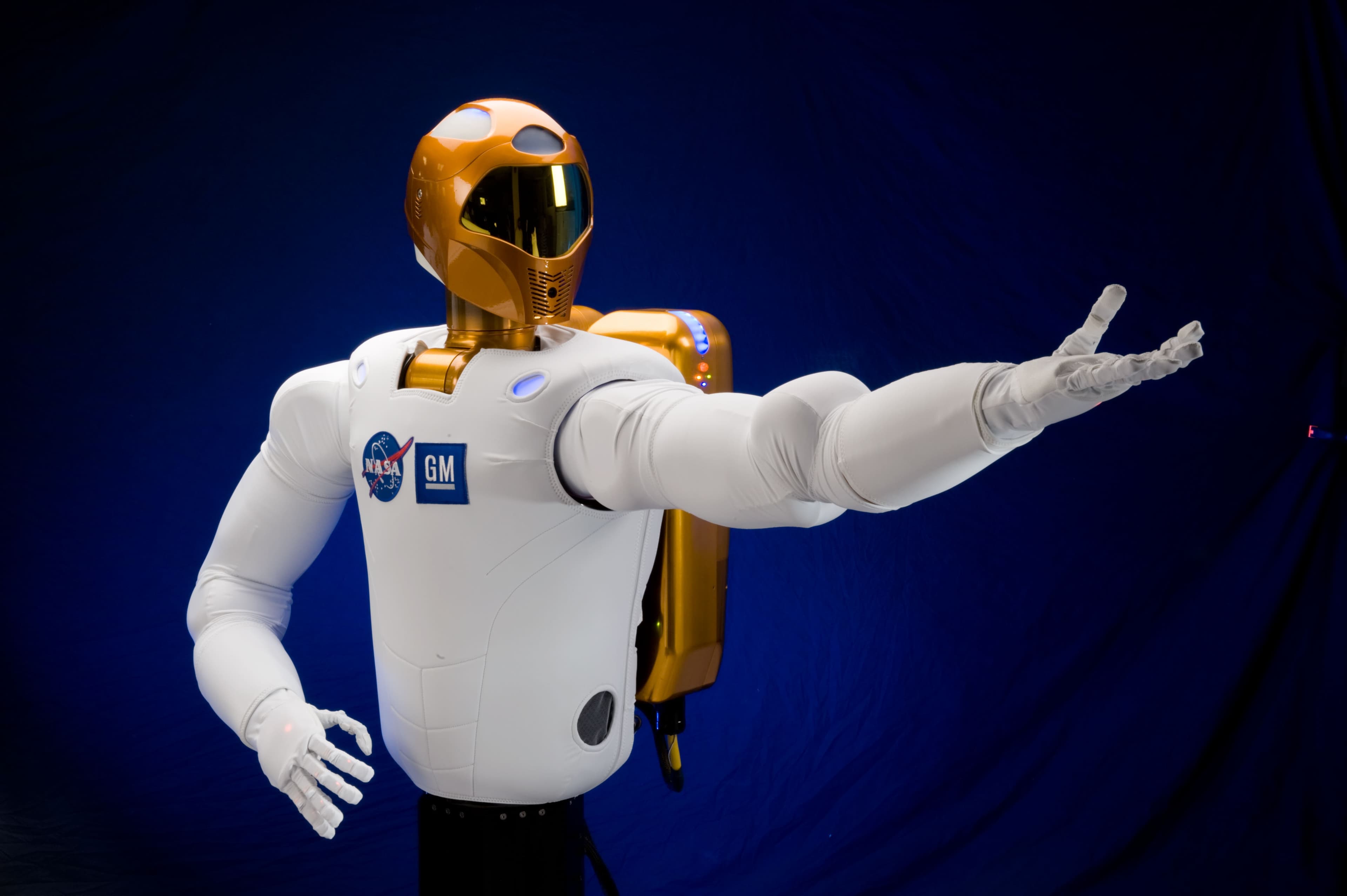
Humanoid with a torso + two arms (7 DOF each, dexterous hands), developed with General Motors, the first humanoid robot in space (ISS, 2011); ~150 kg with legs and over 350 sensors. Emerging technology.
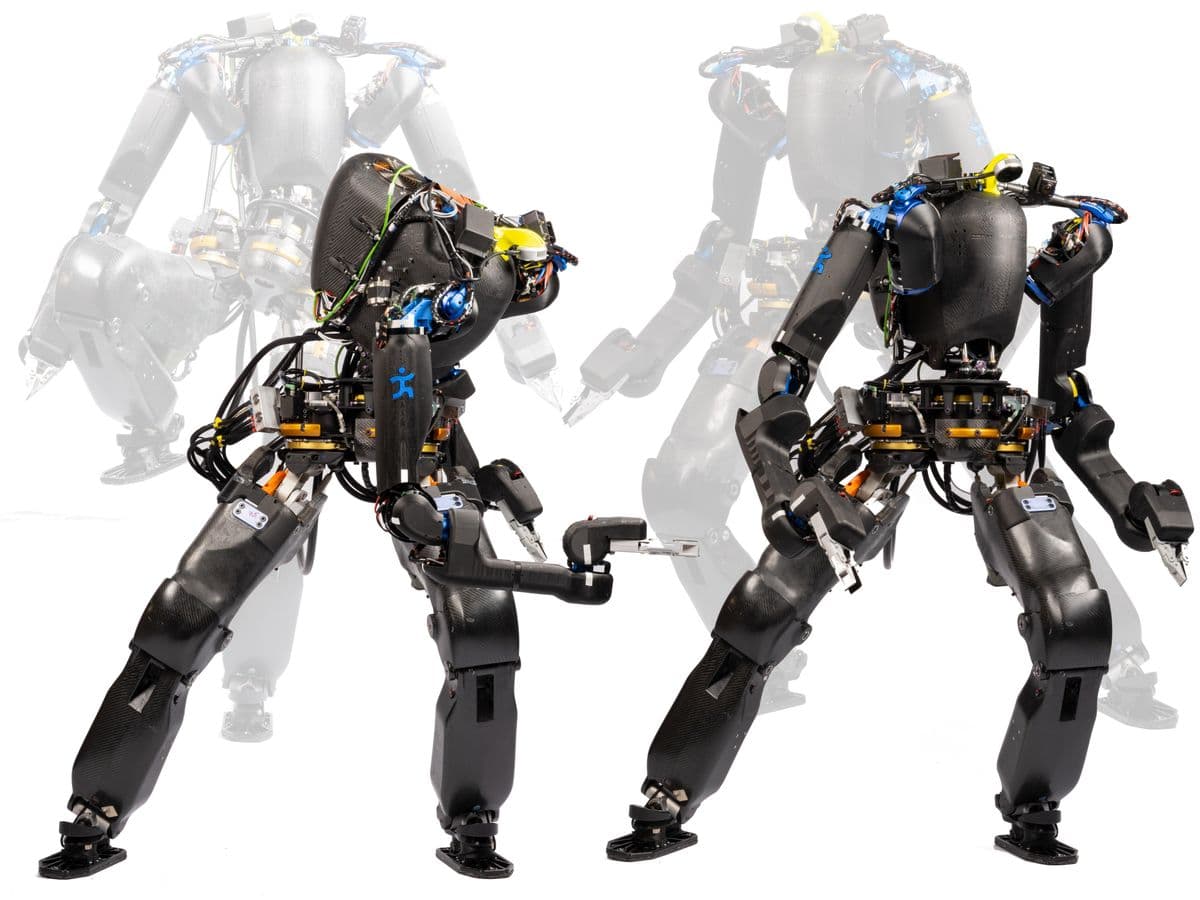
Hybrid electric-hydraulic humanoid (electric 7 DOF arms, hydraulic 2 DOF torso, hydraulic 5 DOF legs), a successor to Atlas DRC and Valkyrie, developed in Pensacola (Florida). Emerging technology.
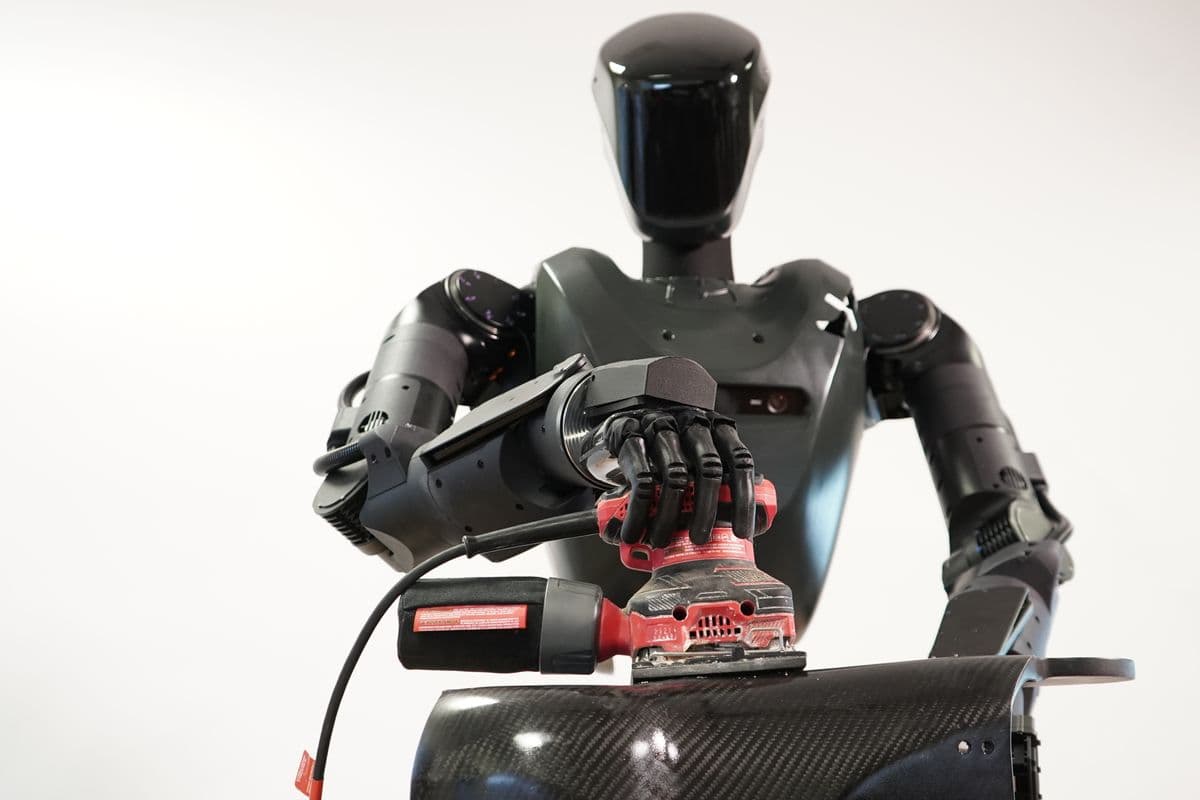
Upper-body humanoid (without legs) with 19 DOF, high-speed joints (9 rad/s), continuous 10 kg payload and ~85 kg weight; IHMC spin-off founded by Jerry Pratt. Emerging technology.
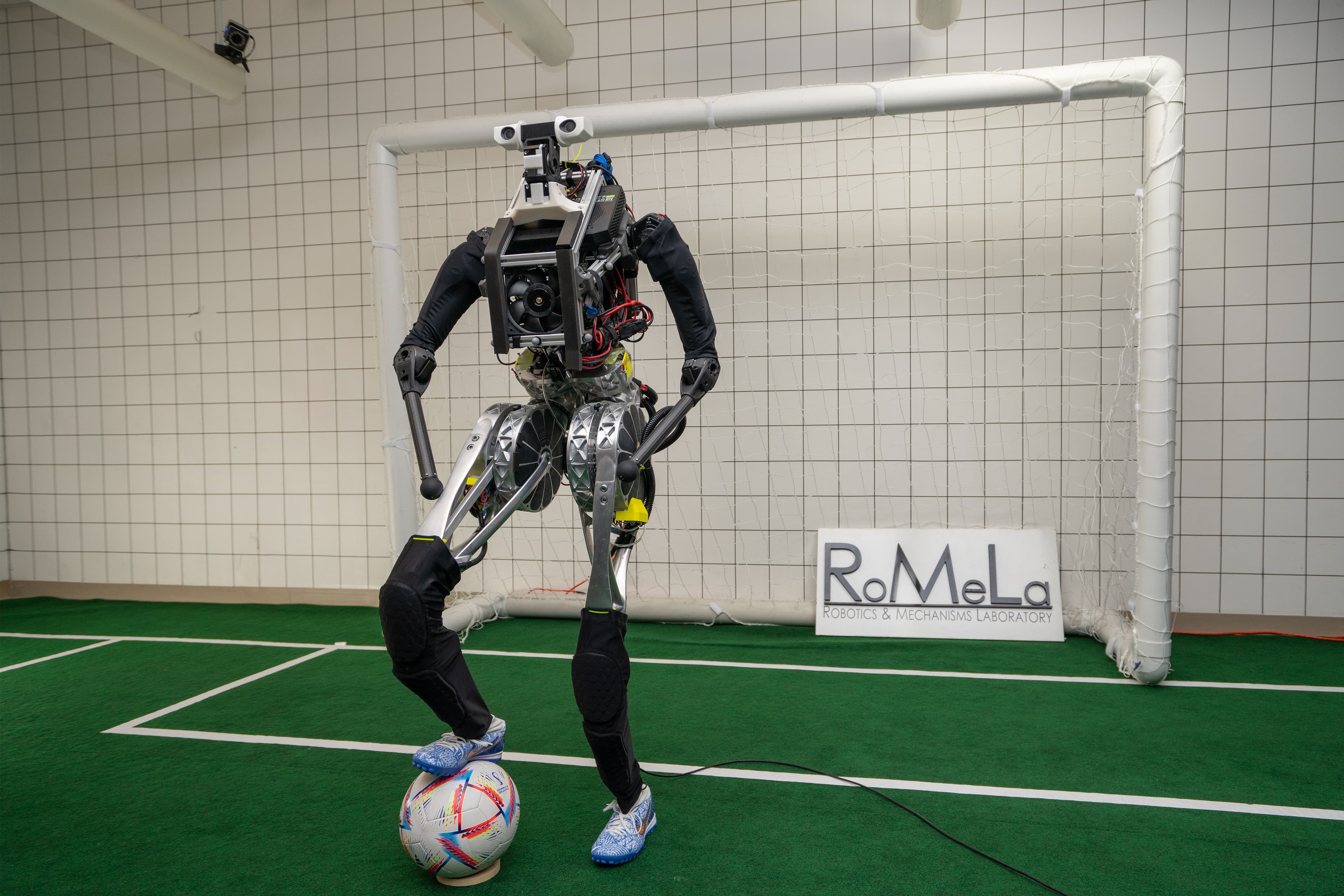
Bipedal humanoid, 142 cm, ~38 kg, force-controlled 'muscle-like' electric actuators, capable of running and jumping (2.1 m/s); open-source project from Dennis Hong's lab, a 6-time RoboCup champion. Emerging technology.
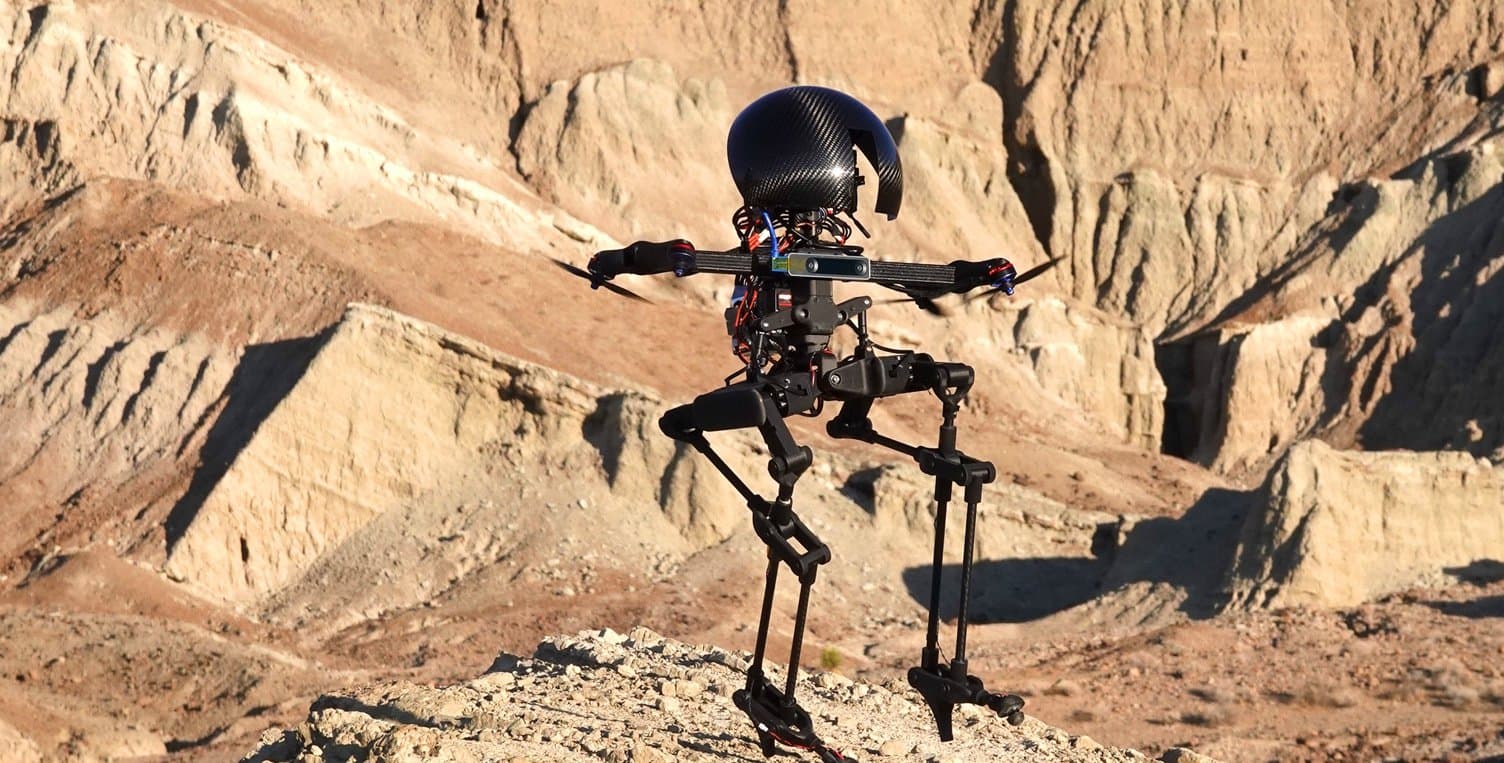
Experimental carbon-fibre biped, ~76 cm and 2.7 kg, combining multi-joint legs and propeller thrusters to walk, jump and fly; developed at Caltech's Center for Autonomous Systems and Technologies. Emerging technology.
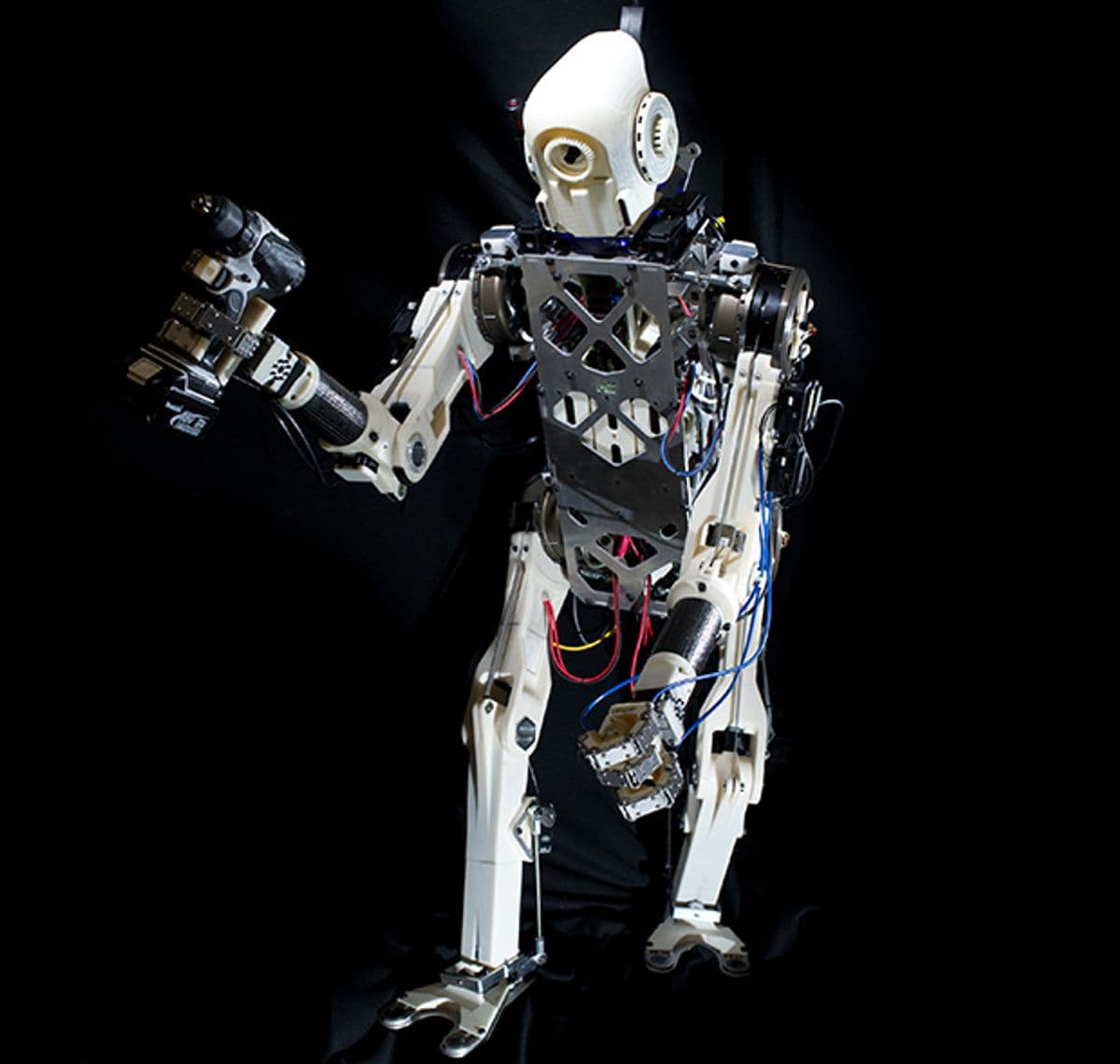
Teleoperated bipedal humanoid from Sangbae Kim's lab, controlled by an operator through a balancing interface; used to pour coffee, use an axe and handle a fire extinguisher. Emerging technology.
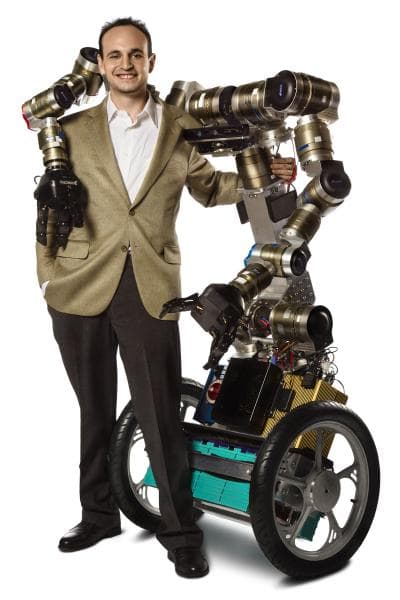
Humanoid on a self-balancing two-wheel base with a torso and arms, transforming from 0.5 m when static to 1.5 m when dynamic; Mike Stilman's project funded by the Office of Naval Research. Emerging technology.
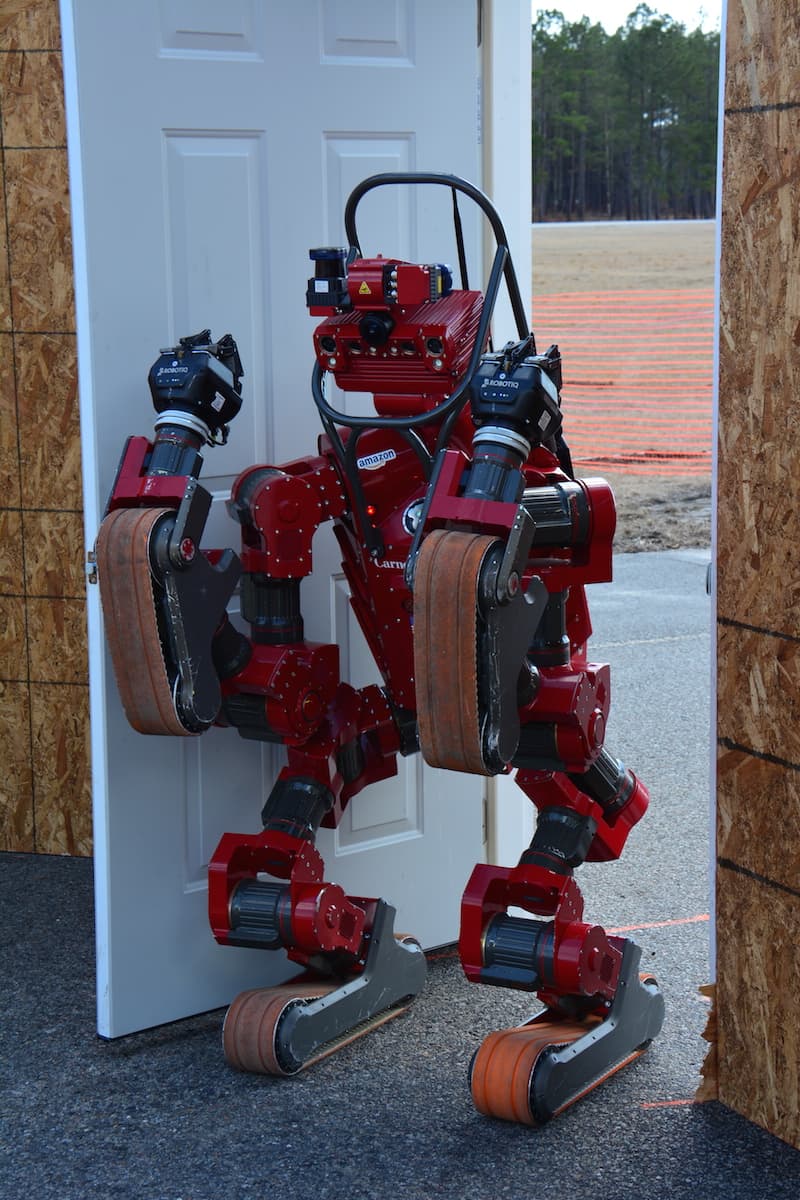
4-limbed humanoid with a torso and arms that moves on tracks (tank-style) for stability, developed by the Tartan Rescue Team for the DARPA Robotics Challenge. Emerging technology.
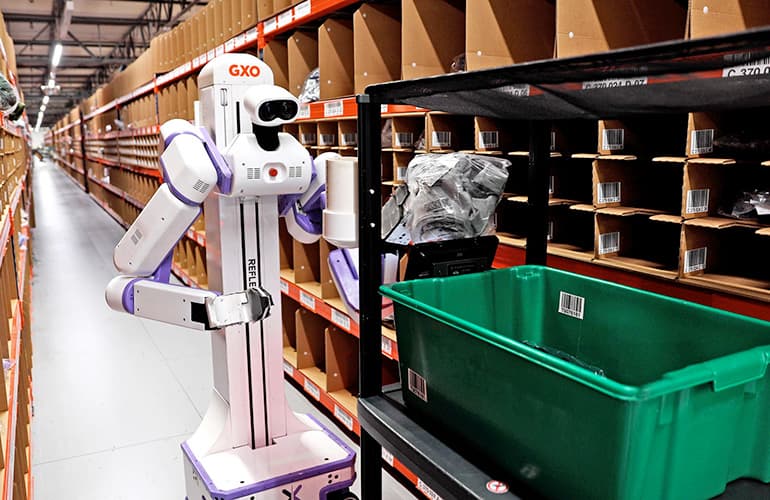
Torso humanoid with two arms on a wheeled base (under 60x60 cm) and a 'spine' adjusting its height from ground level to high shelves; over 25 lbs per arm, teleoperation-first architecture; pilot with GXO Logistics. Emerging technology.

Bipedal home humanoid with an expressive display head and design by Yves Behar; Palo Alto startup founded in 2023 by Christoph Kohstall, later acquired by 1X. Emerging technology.
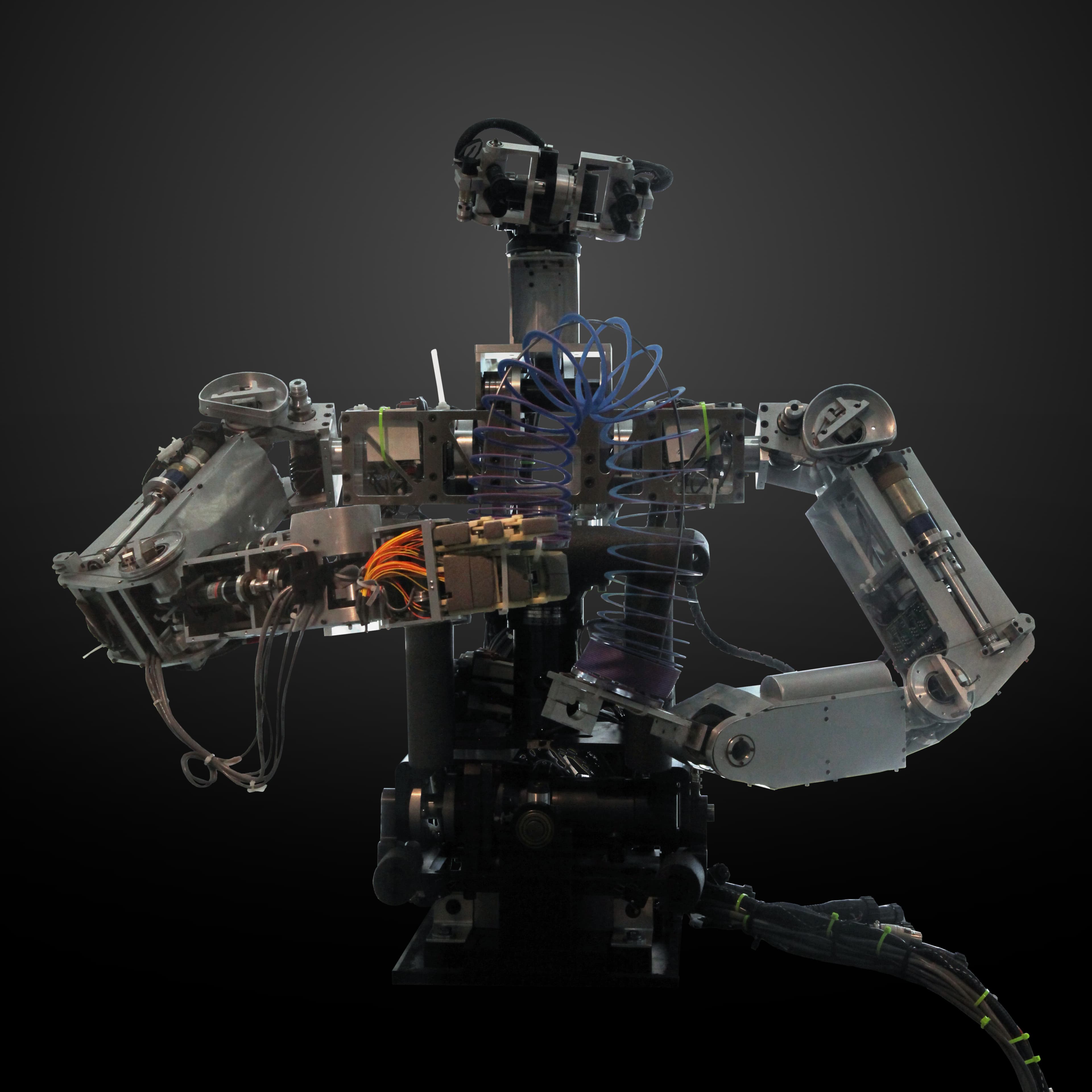
Historic upper-body humanoid with arms and a head, developed in the '90s at the MIT AI Lab by Rodney Brooks' team to study sensorimotor behaviour and human interaction. Emerging technology.
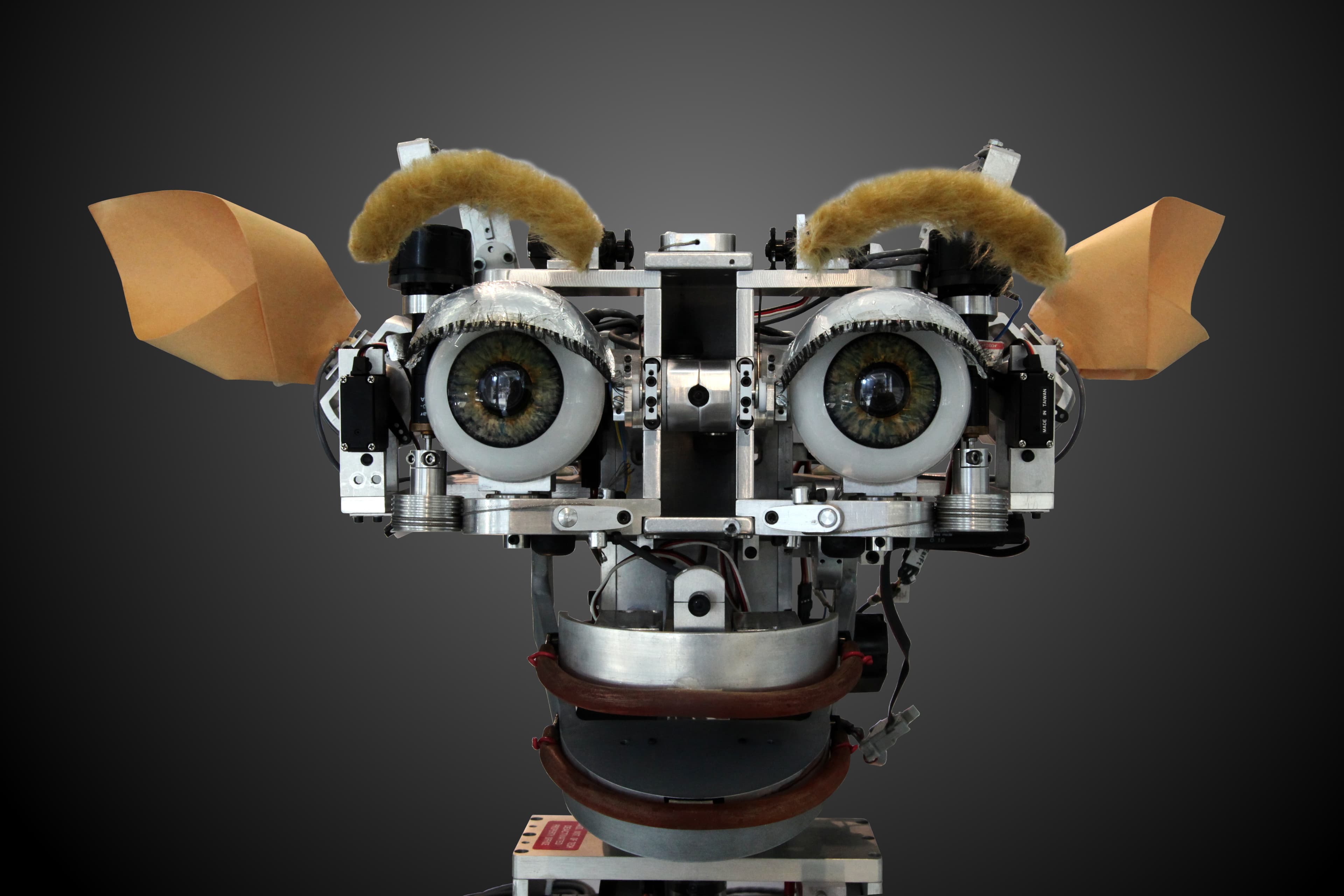
Expressive robotic head/face (1997), created by Cynthia Breazeal at MIT; the first robot designed to engage people in natural face-to-face interaction, a pioneer of social robotics. Emerging technology.

Bipedal humanoid, 145 cm, 36 DOF, payload up to 10 kg, with advanced visual navigation and hand-eye coordination.
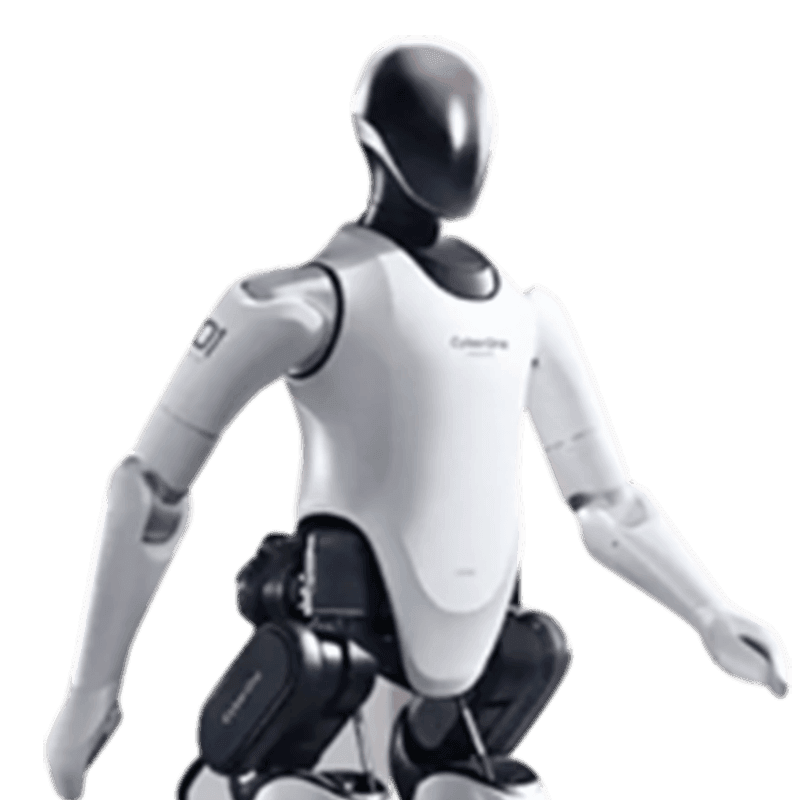
Bipedal humanoid, 177 cm, 21 DOF, handling up to 1.5 kg per hand, recognising 45 human emotions and 85 environmental sounds; prototype not for sale. Emerging technology.
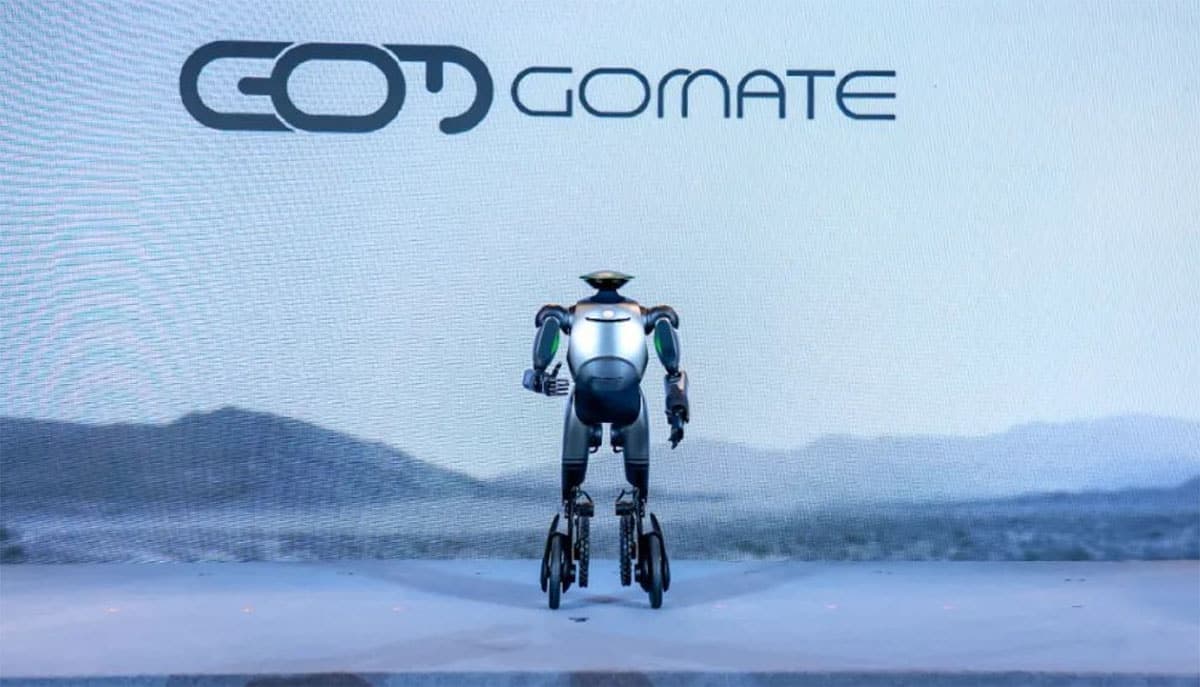
Hybrid wheel-foot humanoid, 175 cm in bipedal mode (1.4 m in quadrupedal mode), 38 DOF and a solid-state battery lasting up to 6 hours; experimental use in 2025, small-scale production in 2026. Emerging technology.
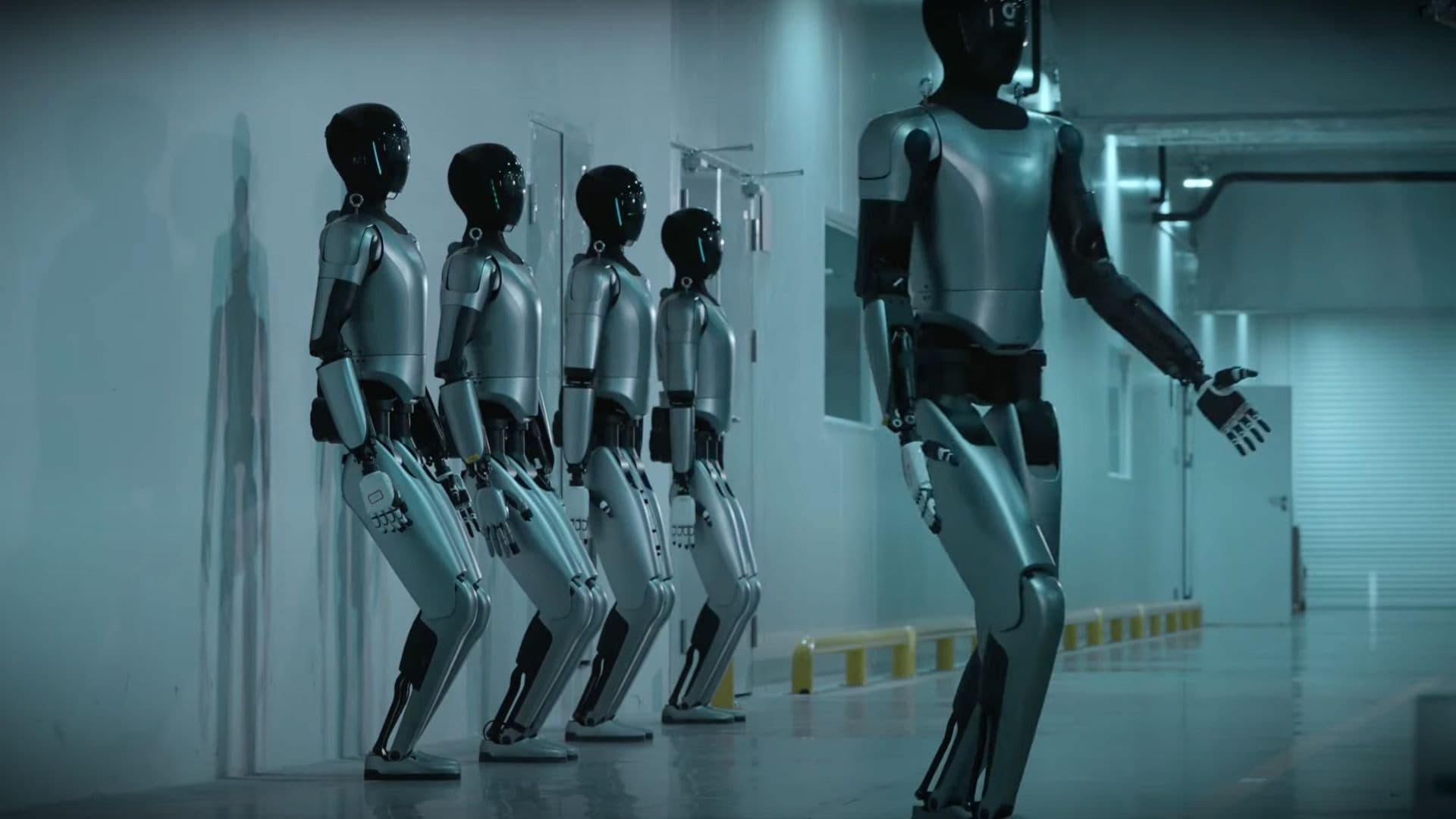
Full-size bipedal humanoid, 174 cm, 42 DOF, 11 DOF Magic-Hand hands, 20 kg payload per arm (40 kg total) and up to 5 hours runtime. Emerging technology.
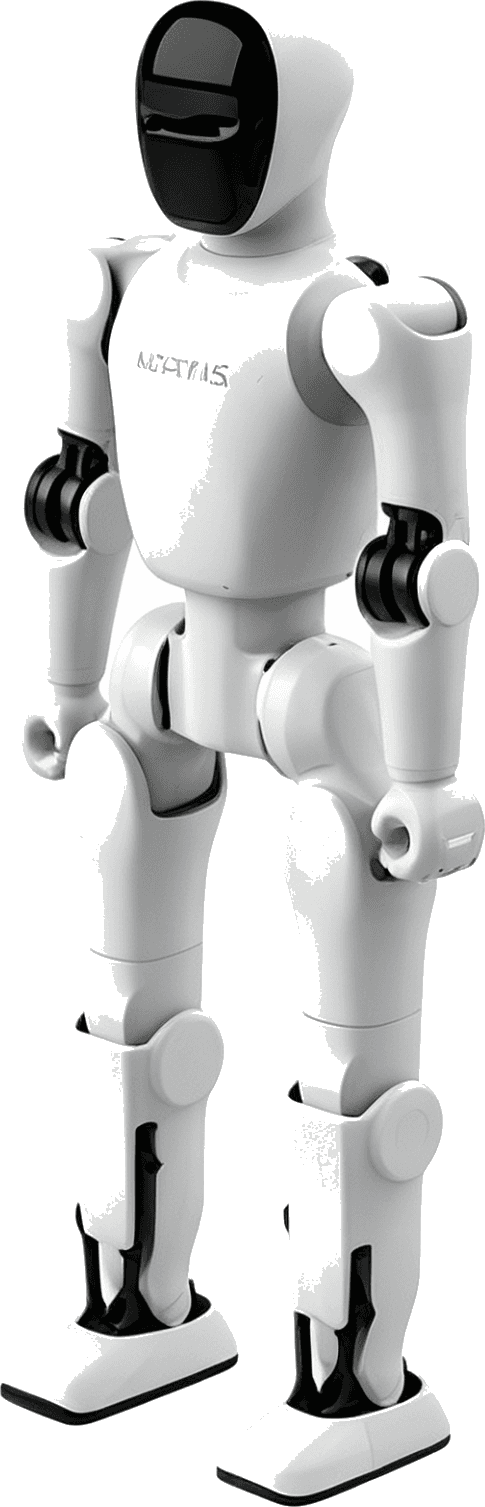
Ultra-low-cost consumer humanoid launched at around 1,300 EUR, positioned as the most affordable on the market. Indicative price.
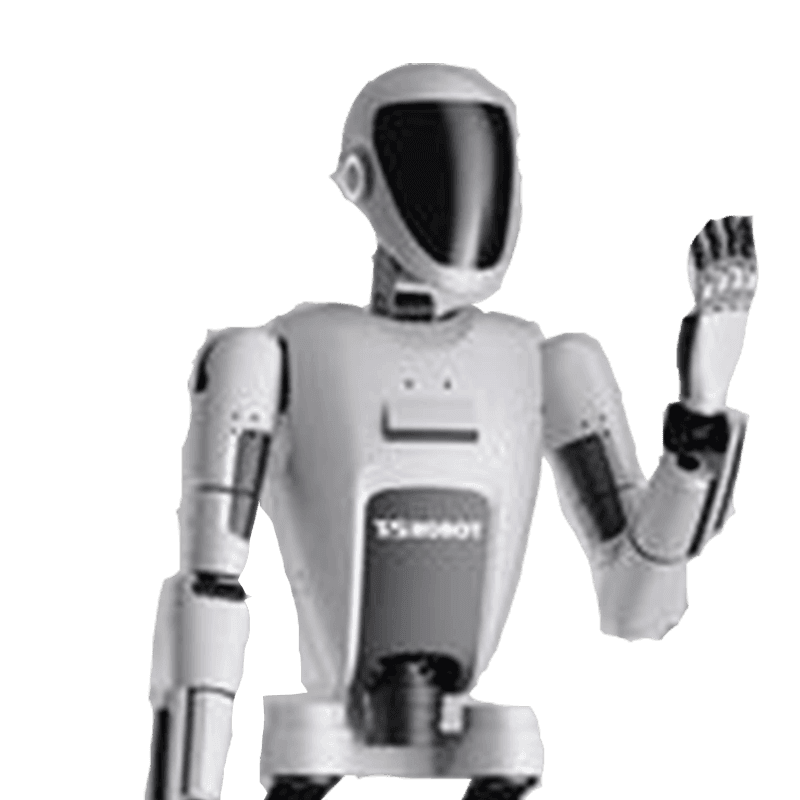
Humanoid, 170 cm and 50 kg, with 44 DOF, leg joints up to 490 Nm, a 7-DOF arm and 5 depth cameras for 360-degree perception. Emerging technology.

Wheeled humanoid with 44 DOF in commercial deployment for customer guidance, the basis of Haier's Hiva version. Indicative price.

Wheeled humanoid, 163 cm and 110 kg, with 34-40 DOF, dual 7-DOF arms supporting 10 kg, 300+ TOPS and 8 hours runtime. Indicative price.
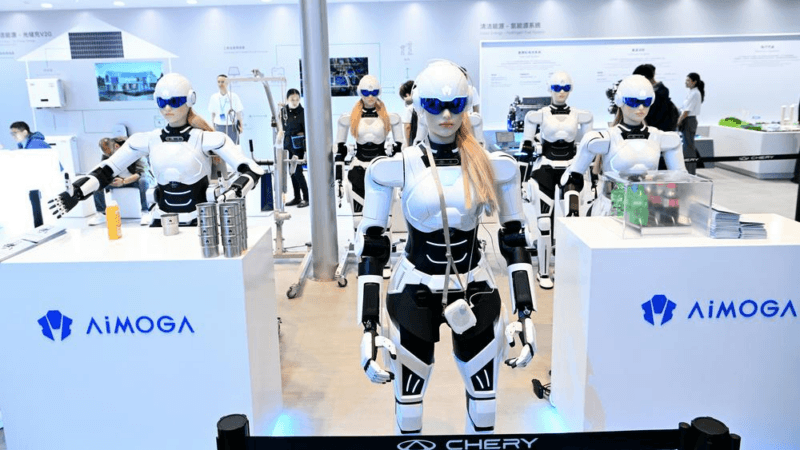
Humanoid from EV manufacturer Chery, 167 cm and 70 kg, with 40 DOF, 1.5 kg arm payload and interaction in 11 languages, on sale at JD.com for around 38,000 EUR. Indicative price.
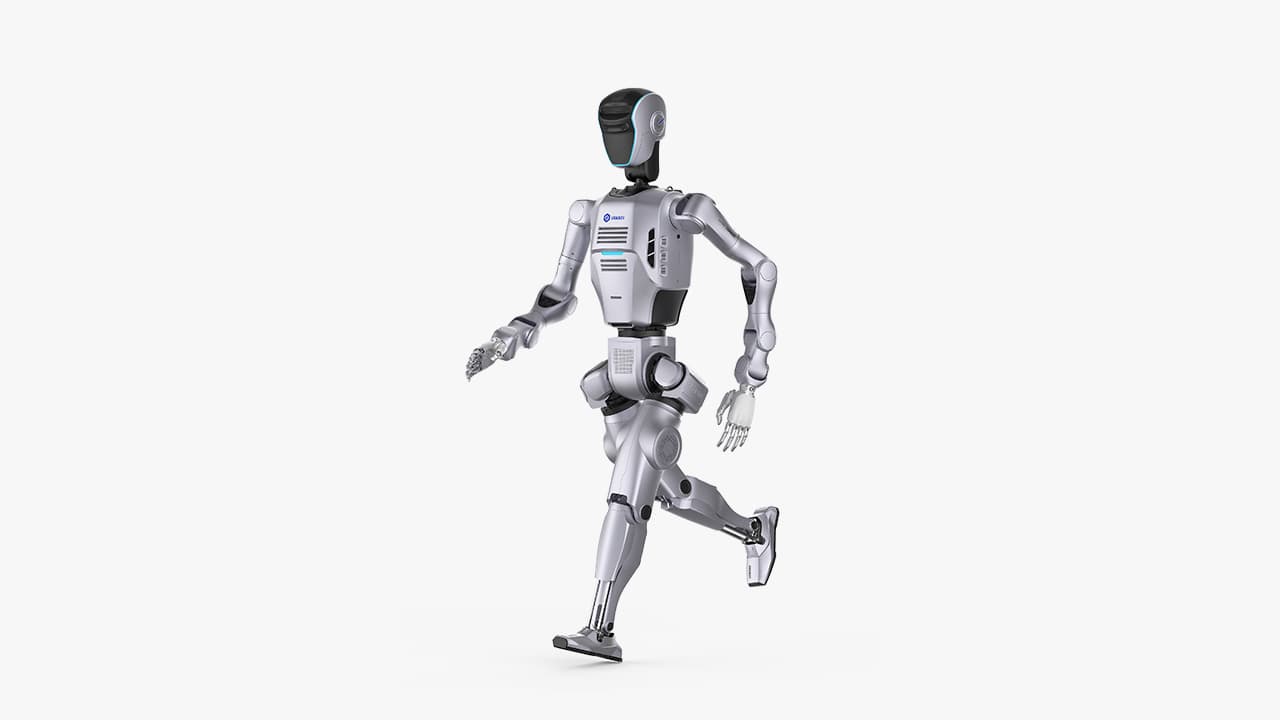
Humanoid, 153 cm and 62 kg, with 41 DOF, five-finger hands, straight-knee gait and 1,500 TOPS, in mass production at around 25,000 EUR. Indicative price.
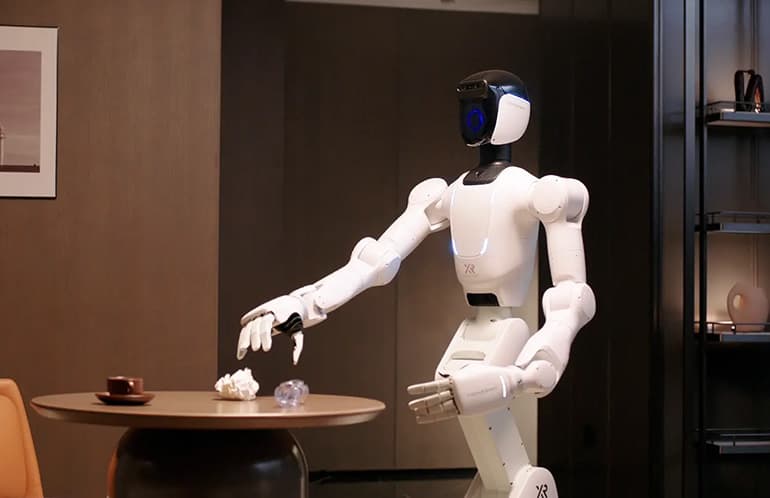
Semi-anthropomorphic humanoid on a wheeled base, driven by the embodied WALL-A model combining VLA and a world model, still in development. Emerging technology.
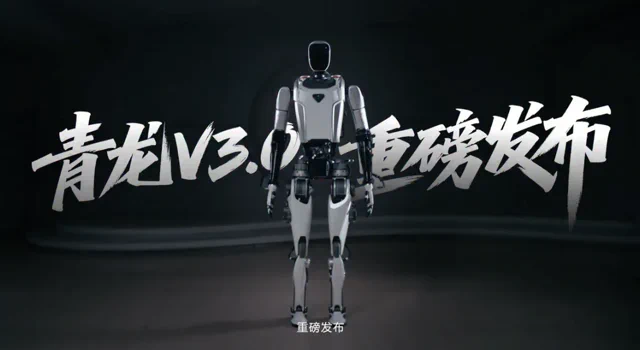
Open-source humanoid, 185 cm, 85 kg and 60 DOF, a modular platform with light and wheeled variants. Emerging technology.
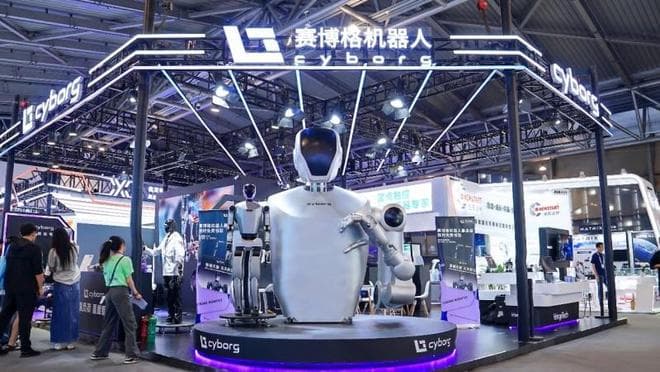
Full-size bipedal humanoid with 62 DOF (16 for the right hand) for heavy-duty industrial environments, shown at WAIC 2025. Emerging technology.
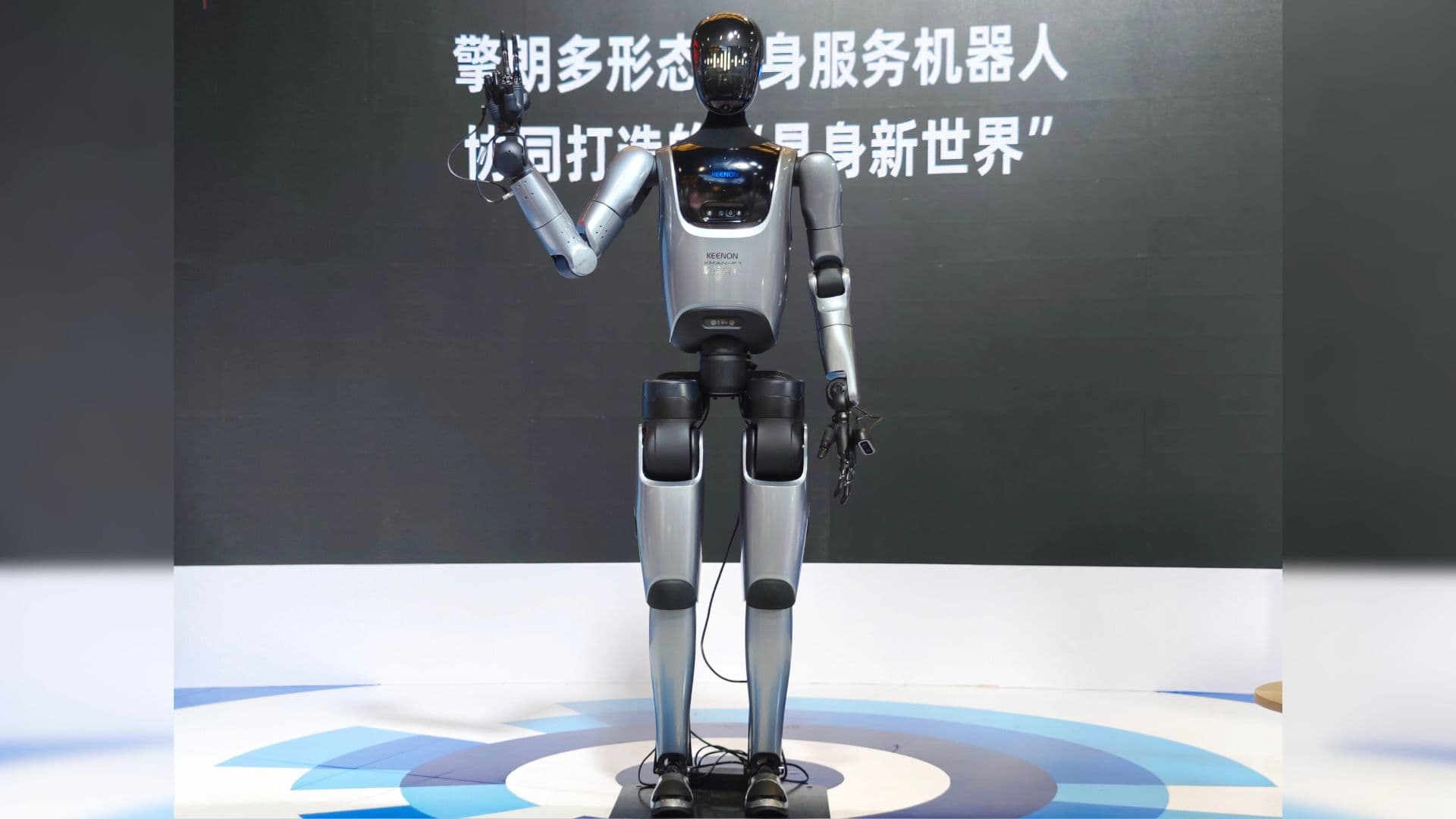
Service humanoid from service-robot leader KEENON, shown at WAIC 2025 for food/beverage service. Emerging technology.
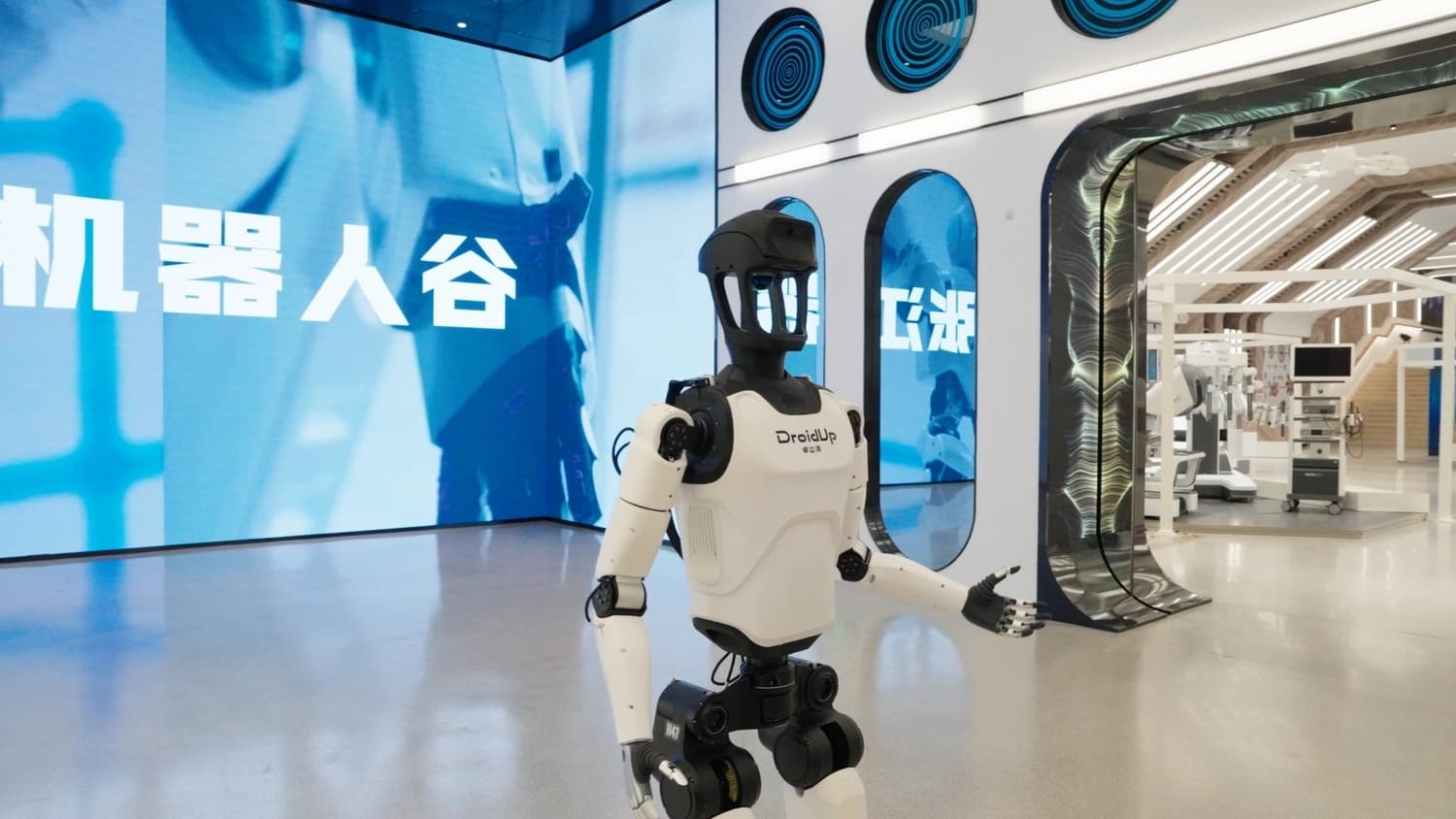
Humanoid, 170 cm and 30 kg, being tested for public security and factory training. Emerging technology.
Humanoid on a mobile base with four arms, 52 DOF and millimetre precision, presented as the first four-arm AI humanoid. Emerging technology.
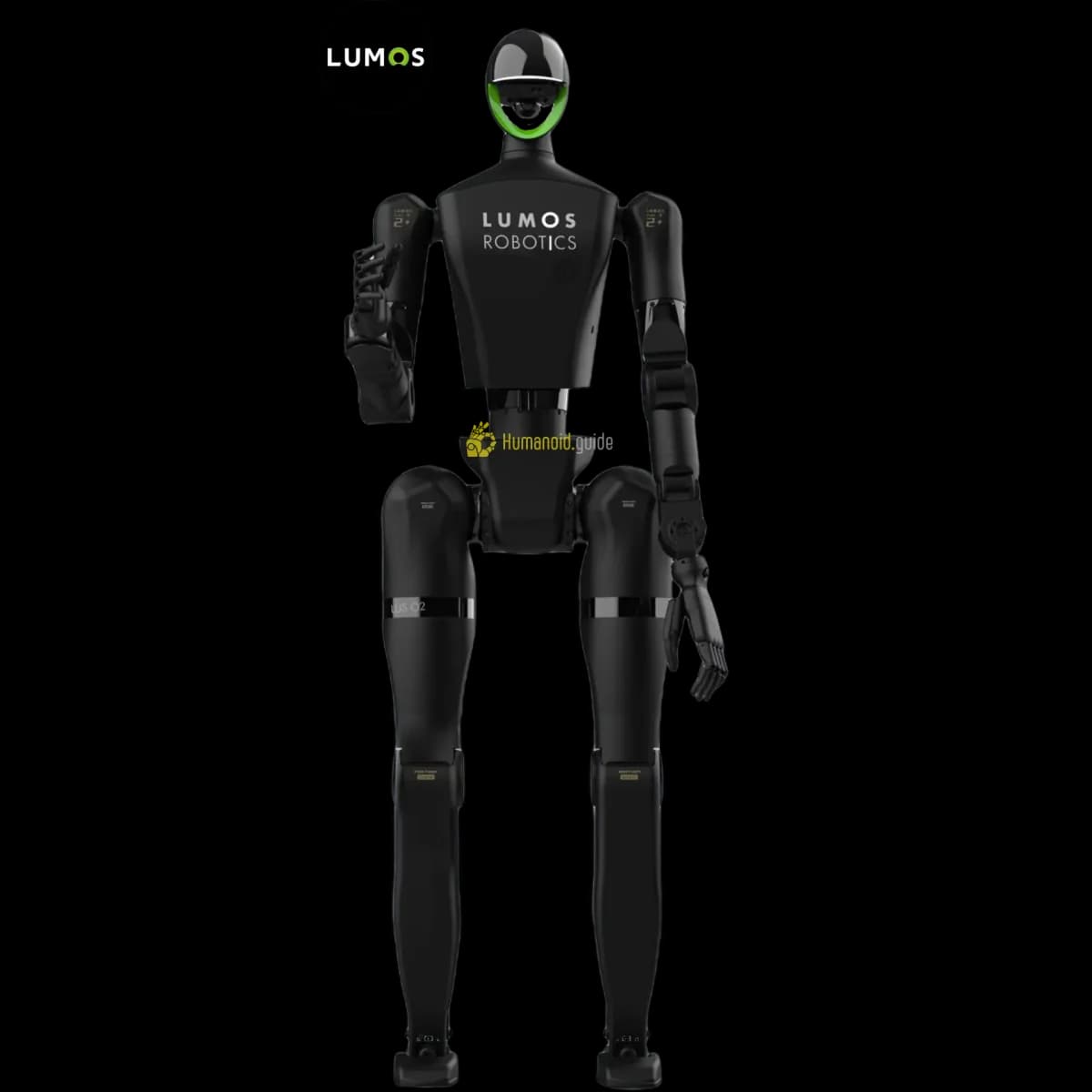
Bipedal humanoid demonstrated getting up from the ground in less than a second. Emerging technology.
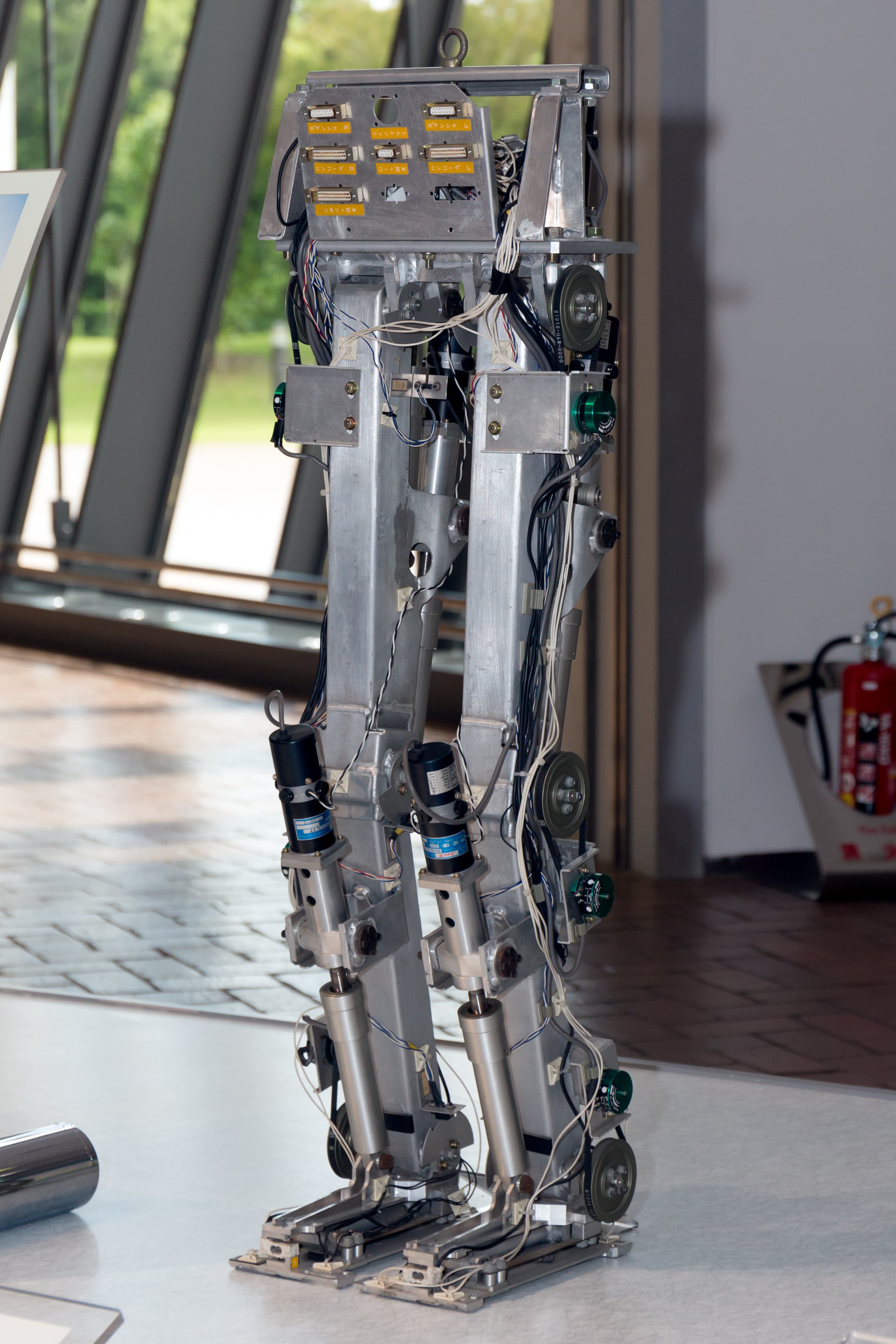
Honda's first legged prototype (1986), 6 DOF, lower limbs only, for studying static walking. Emerging technology.
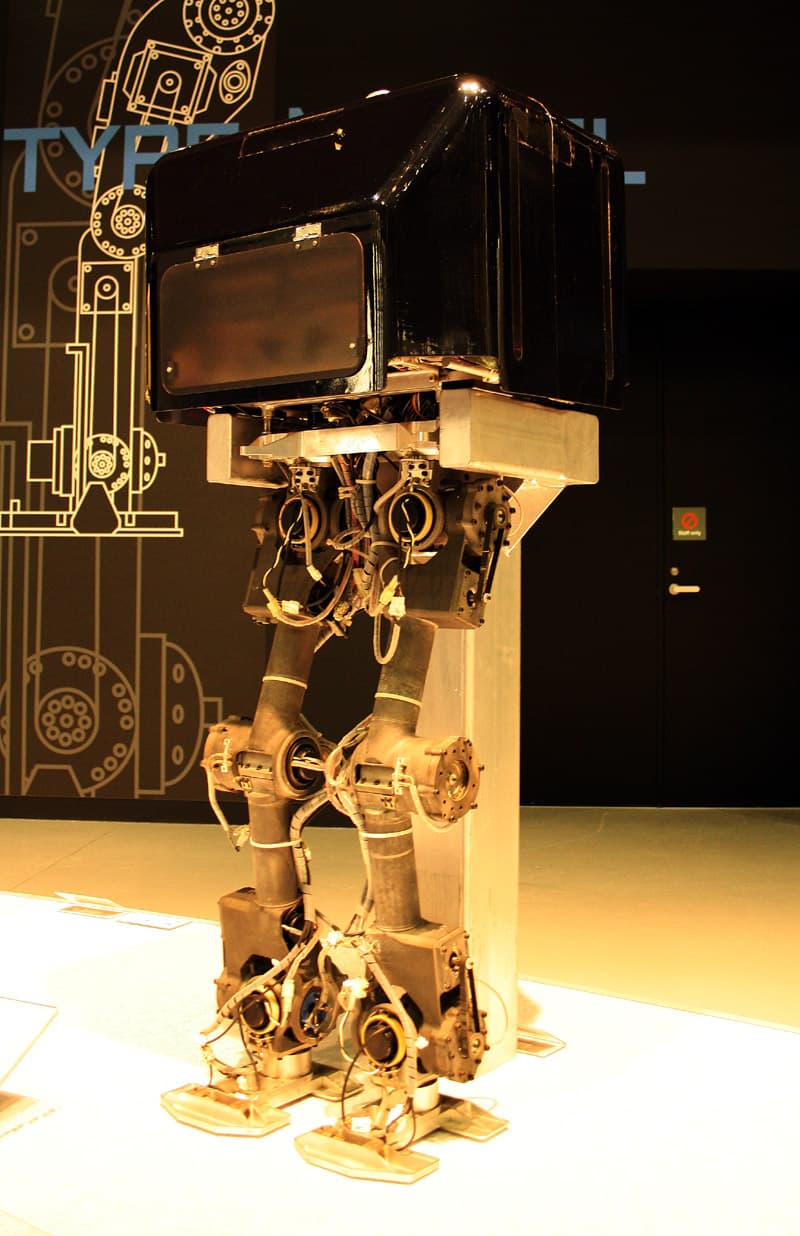
Honda's experimental robotic-leg series (1987-1993), 12 DOF; E2 achieves dynamic walking at 1.2 km/h. Emerging technology.
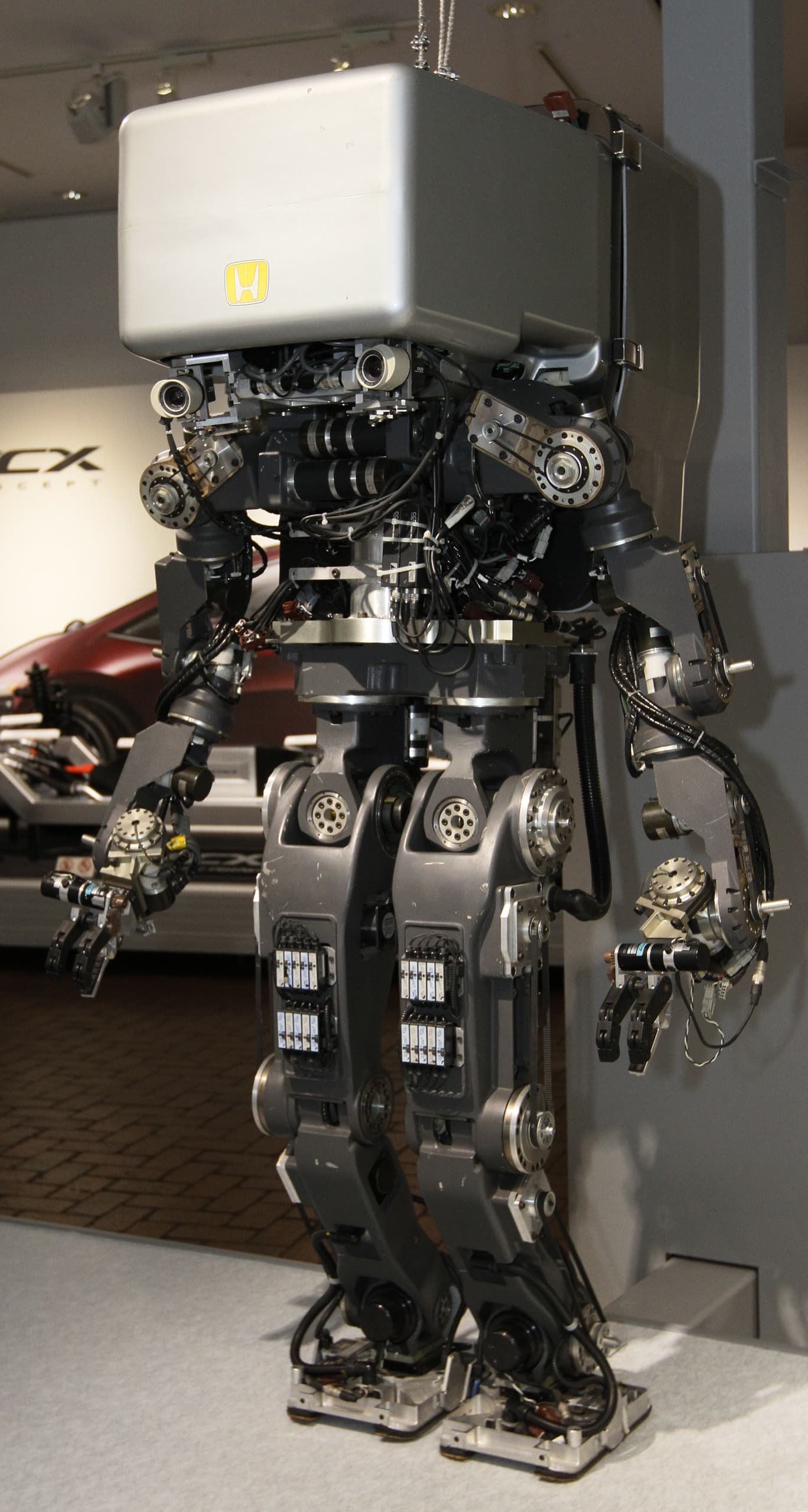
Honda's first complete humanoid (1993), 191 cm, 175 kg, 30 DOF, with external power and computation. Emerging technology.
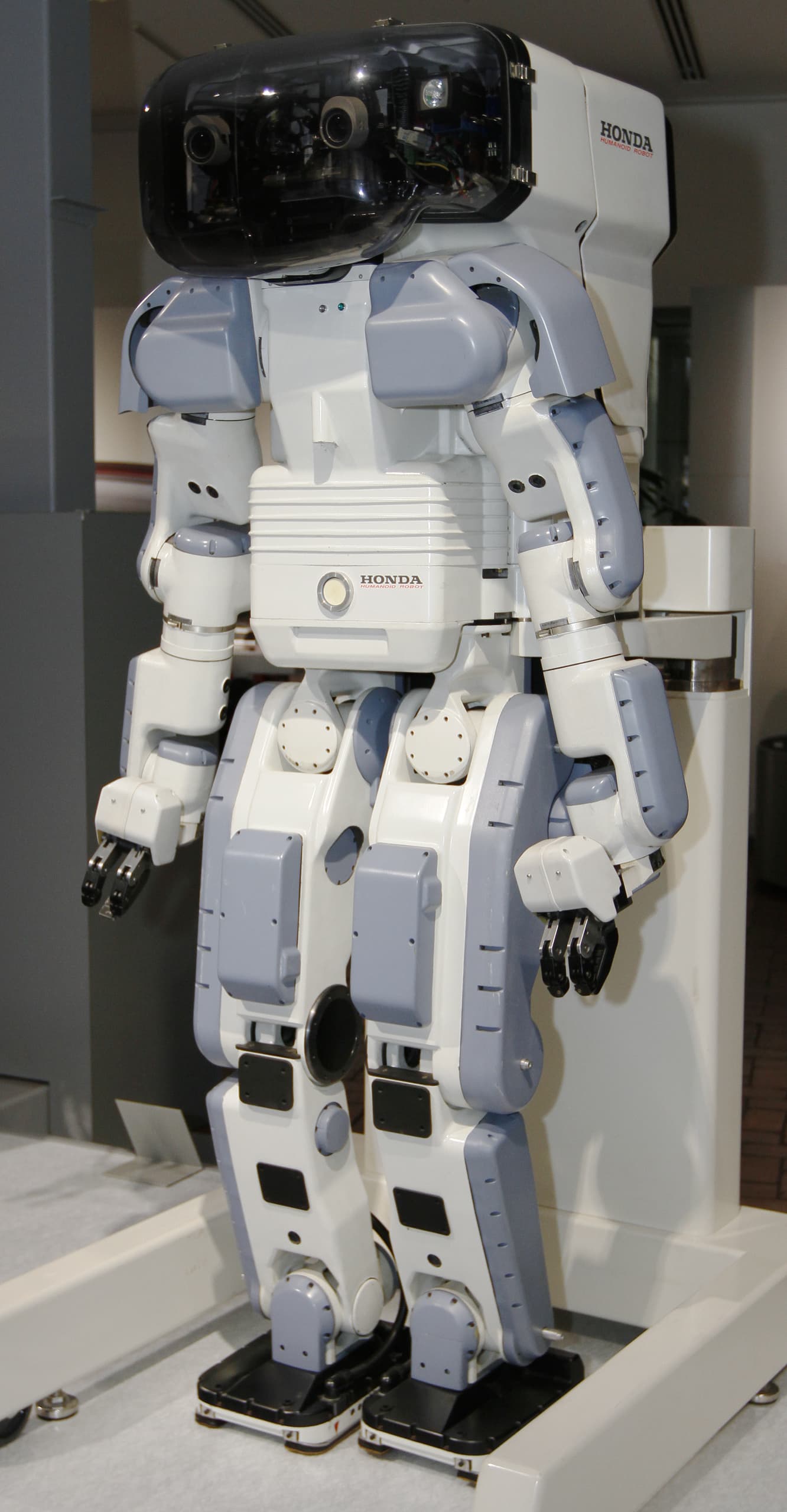
The world's first autonomous wireless bipedal humanoid (1996), ~182 cm, ~210 kg, with an onboard battery and computer. Emerging technology.
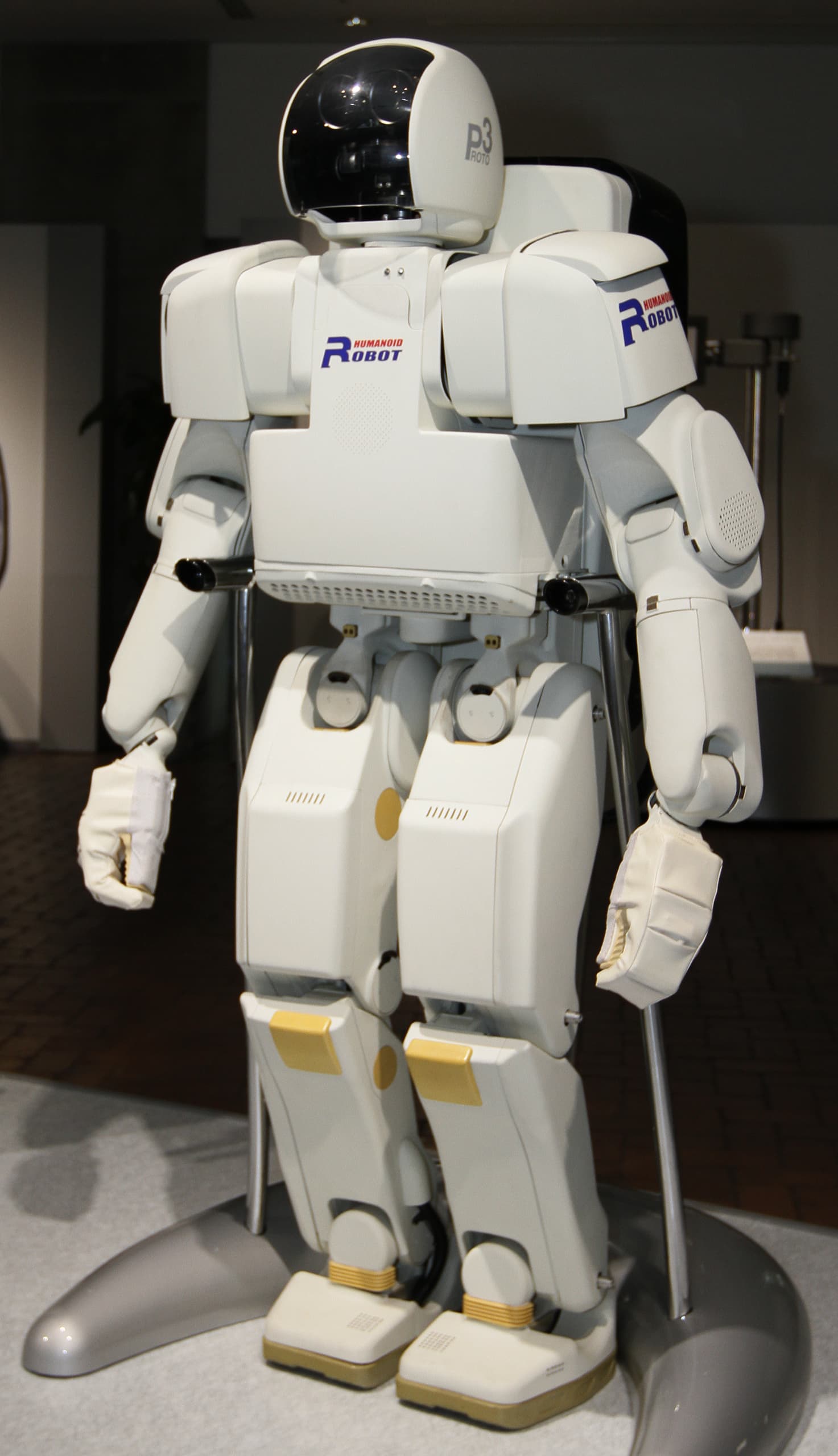
Fully autonomous bipedal humanoid (1997), 160 cm, 130 kg, using distributed control to reduce size. Emerging technology.
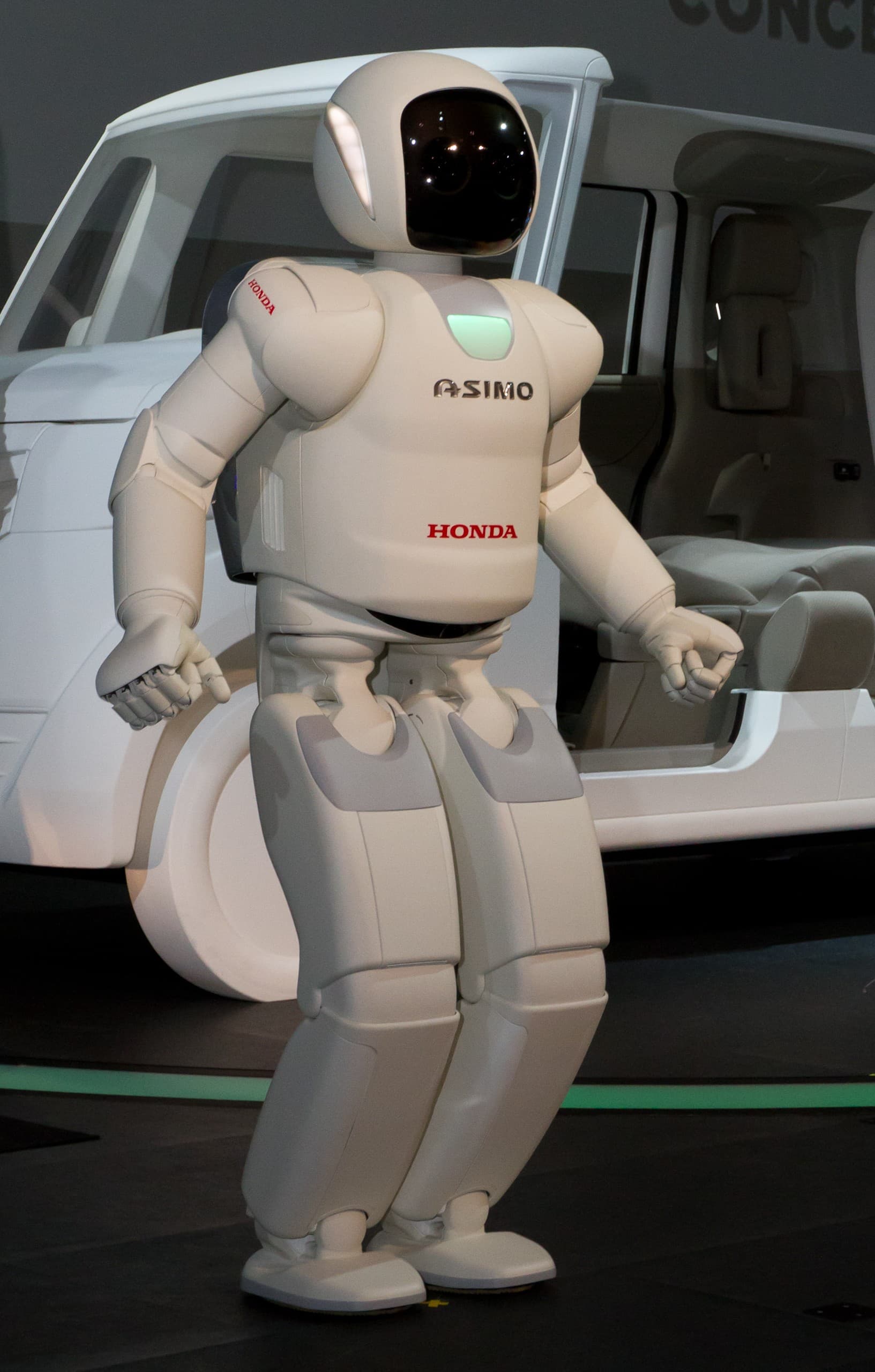
Honda's iconic bipedal humanoid, 130 cm, 48-50 kg, 57 DOF, running up to 9 km/h and 13 DOF hands; project ended in 2018. Emerging technology.
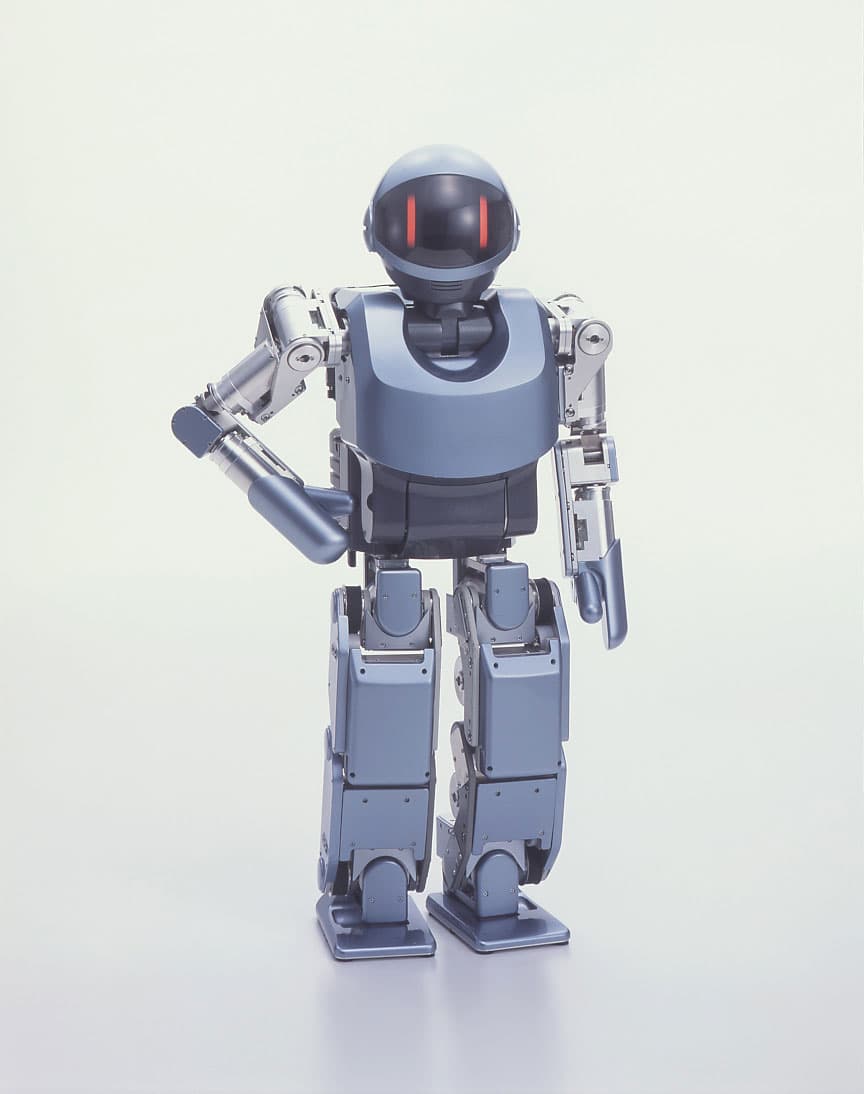
Sony Dream Robot prototype (2000), ~50 cm, performing Parapara dances and multi-robot formations. Emerging technology.
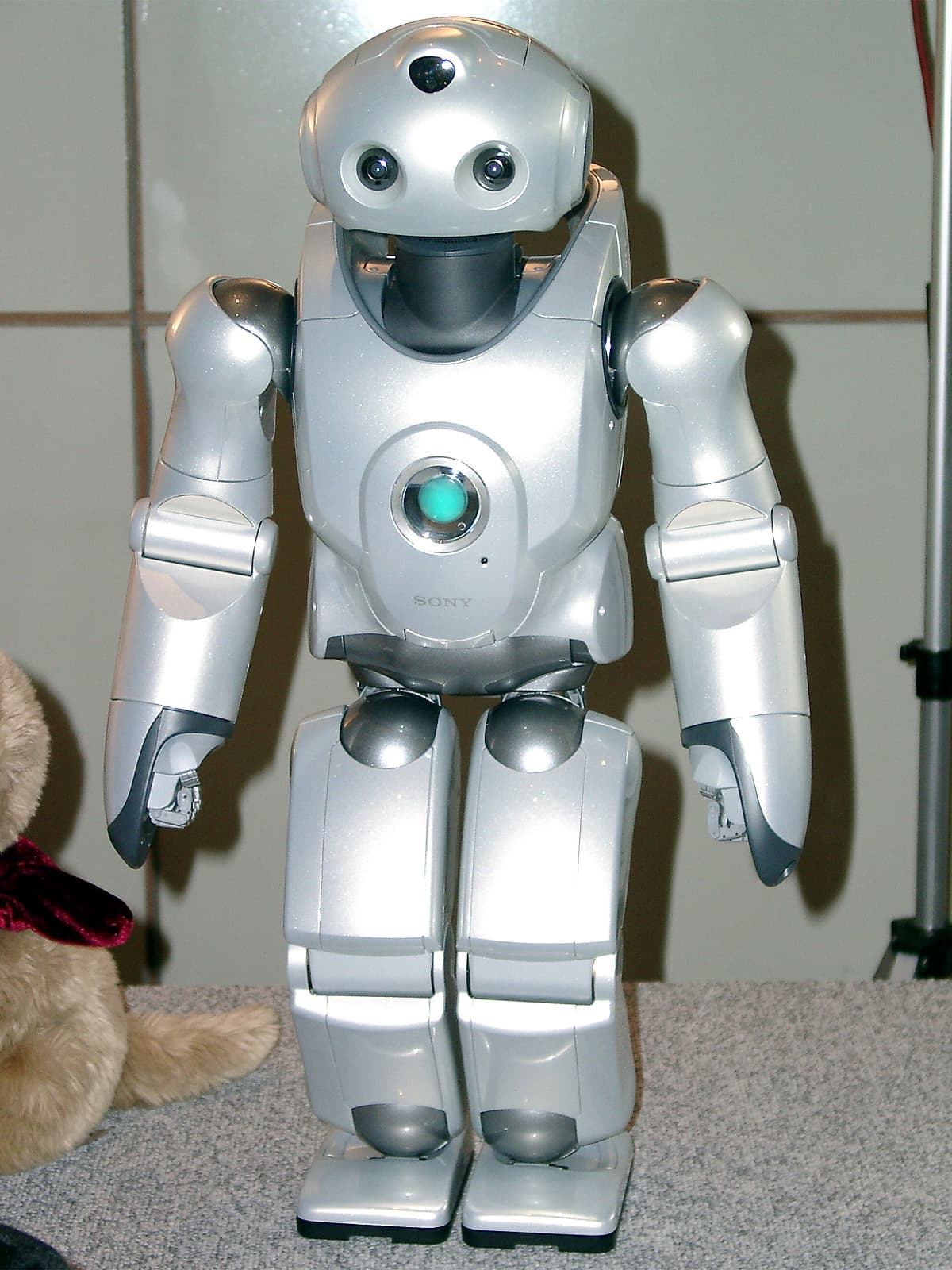
Sony humanoid, 60 cm, 7.3 kg, 38 DOF, the world's first humanoid capable of running (Guinness 2005); development ended in 2006. Emerging technology.
Toyota bipedal humanoid presented at the Aichi Expo 2005, playing the trumpet (2004) and violin (2007), with articulated fingers. Emerging technology.
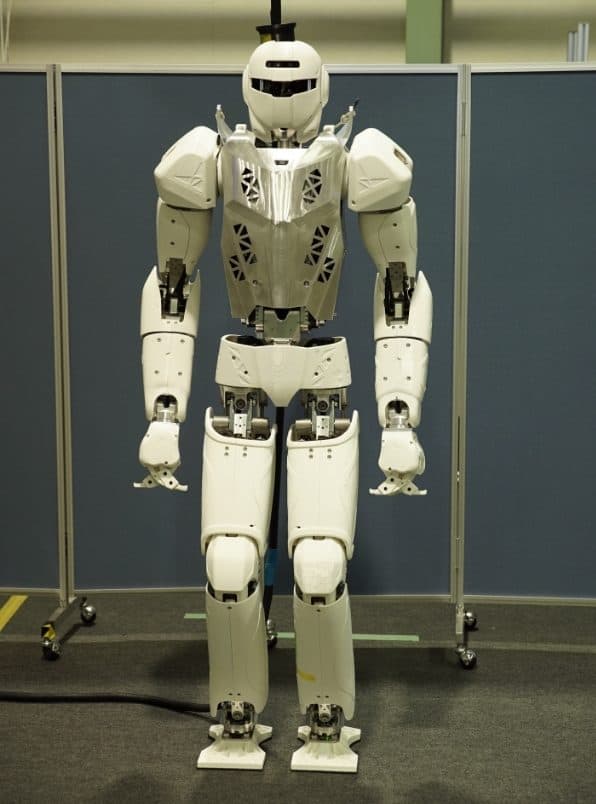
Robust Kawasaki bipedal humanoid (since 2015, gen.9 in 2025), lifting 18 kg and removing 30 kg shelves, with real-time teleoperation via HMD. Emerging technology.
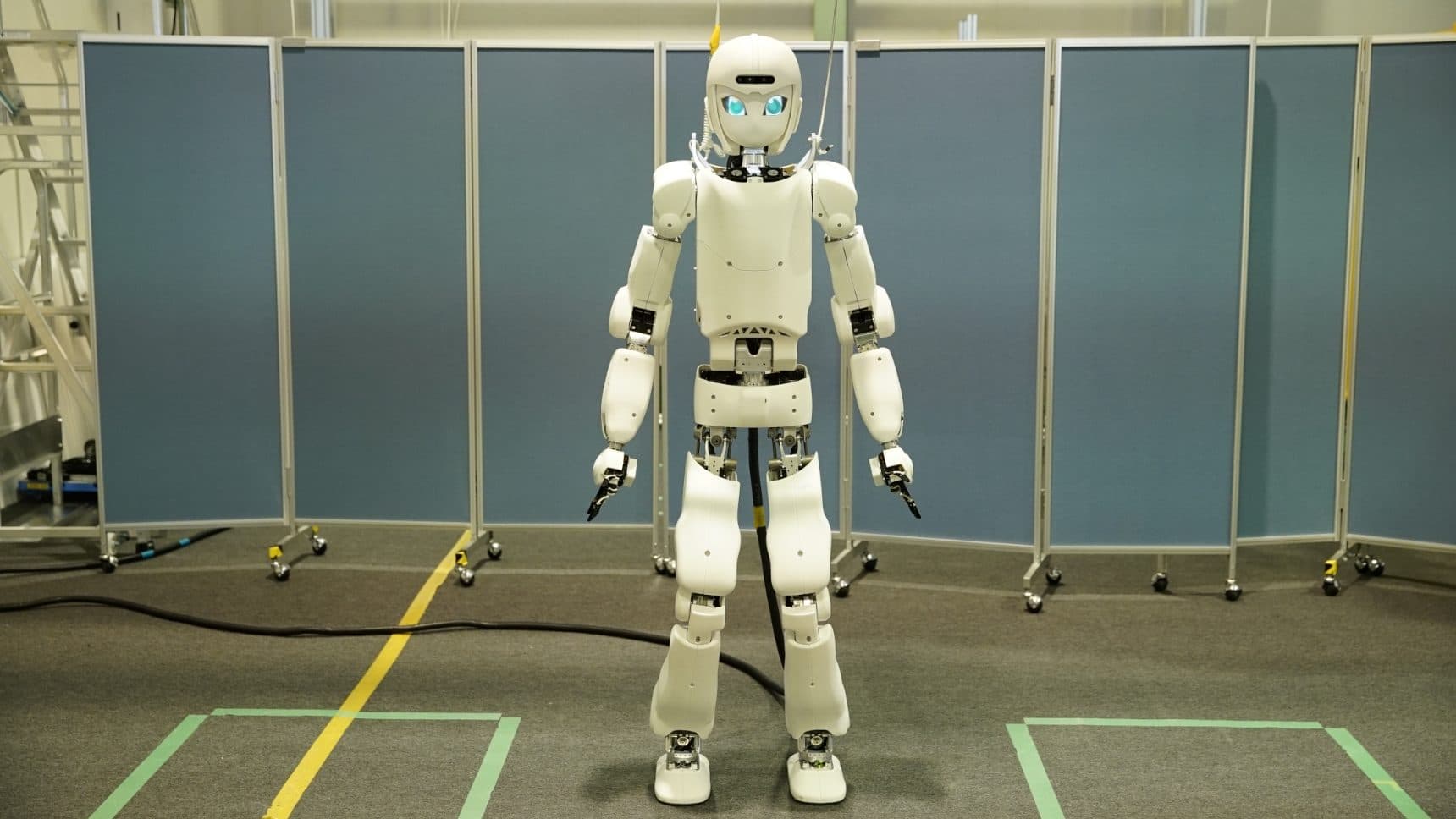
Slim Kawasaki humanoid derived from Kaleido, with two 6-axis arms, a 4-wheel base, display eyes and 600 W lithium batteries. Emerging technology.
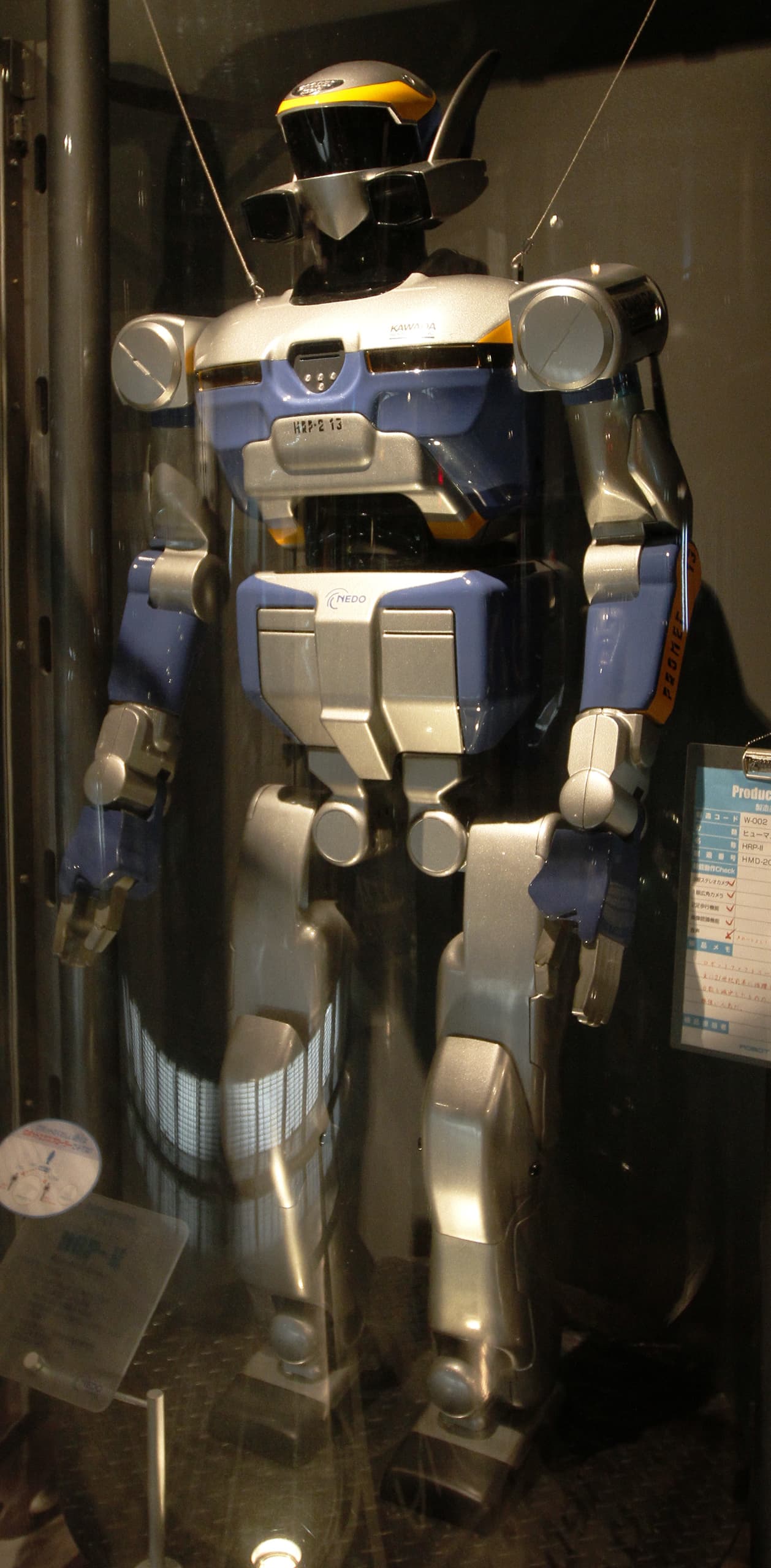
Second-generation HRP humanoid (2002), 154 cm, ~58 kg, 30 motors, capable of lying down, getting up and walking along narrow paths. Emerging technology.
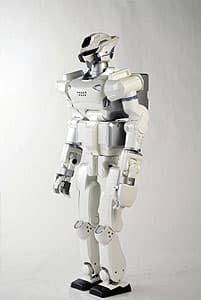
HRP humanoid (2006), ~160 cm, designed to work on slippery surfaces and outdoors, with remote bolt tightening. Emerging technology.
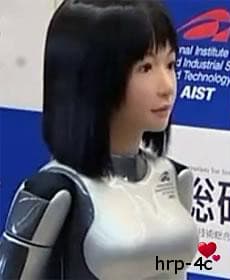
Female AIST humanoid (2009), 158 cm, 43 kg, 44 DOF (8 for facial movement), singing with Vocaloid and dancing with human performers. Emerging technology.
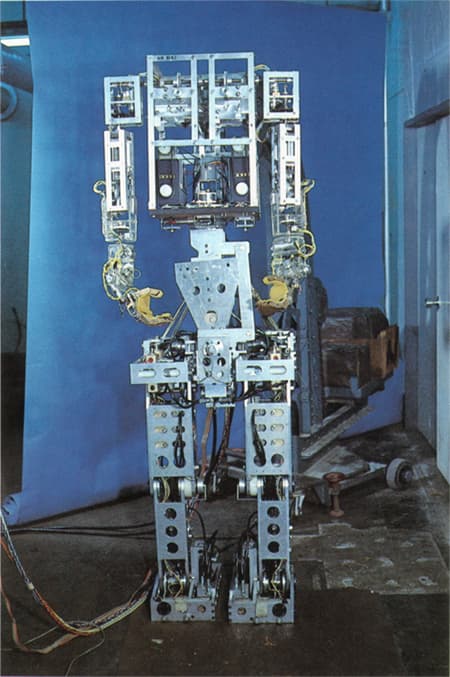
Considered the world's first full-size humanoid (Waseda, 1973), walking on two legs, grasping objects and conversing in simple Japanese. Emerging technology.
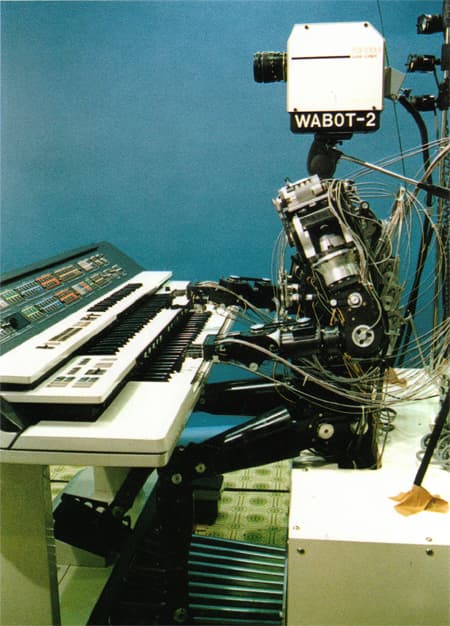
Waseda musician humanoid (1984), reading sheet music and playing the piano with its hands and feet, exhibited at the Tsukuba Expo 1985. Emerging technology.
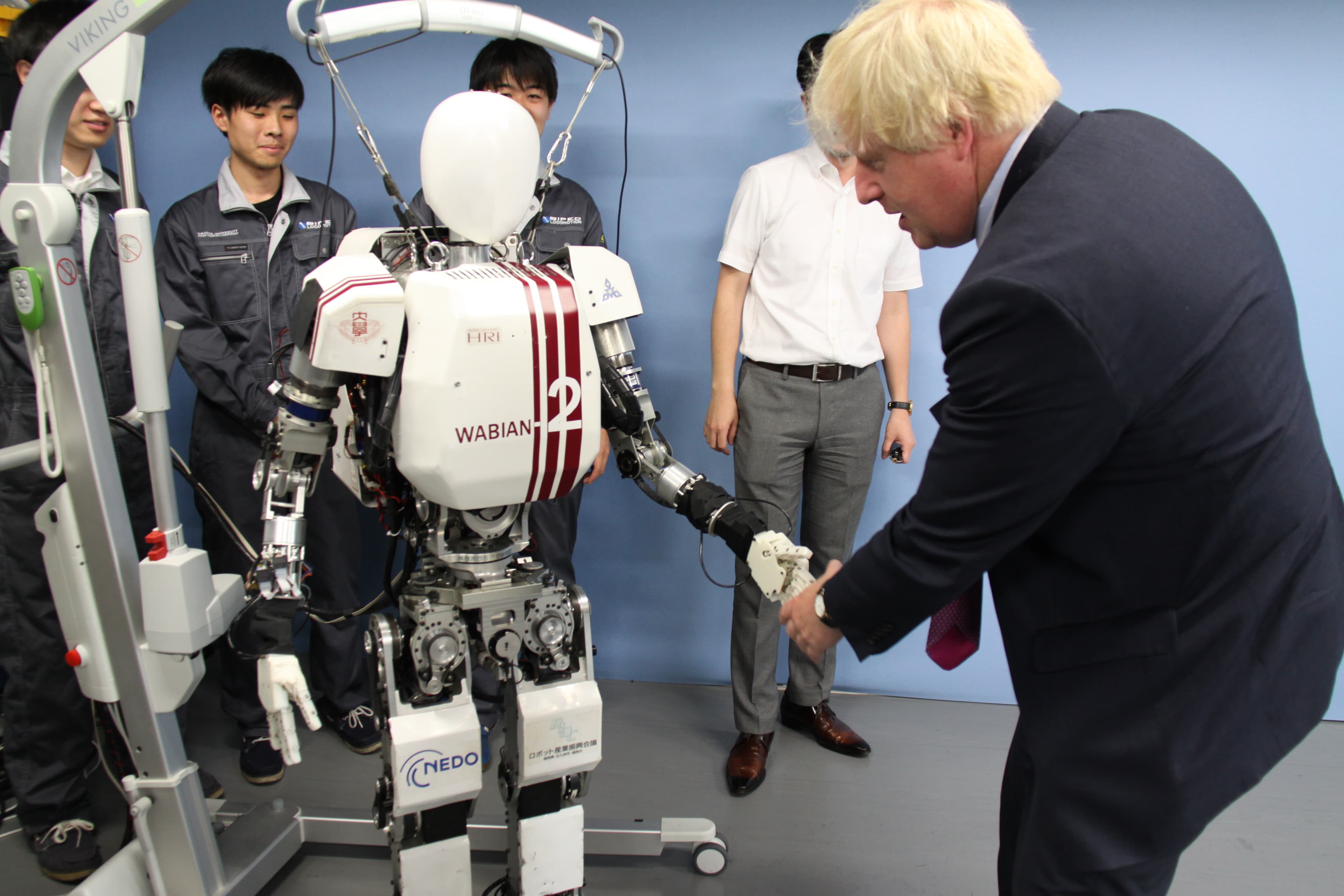
Waseda bipedal humanoid (WABIAN series, 2R in 2006), ~150 cm, 41 DOF, with realistic ZMP-based human walking. Emerging technology.

Telexistence VR-teleoperated torso-on-platform robot with two articulated arms and complex hands for restocking convenience stores. Emerging technology.
Telexistence restocking robot with NVIDIA AI, arms and grippers, operating in hundreds of Japanese convenience stores; robot-as-a-service offering.
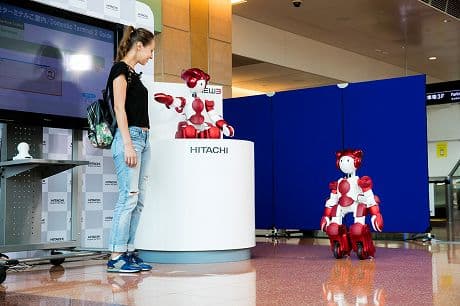
Hitachi service robot on a self-balancing two-wheel base, 90 cm, 15 kg, up to 6 km/h, with voice and visual recognition. Emerging technology.
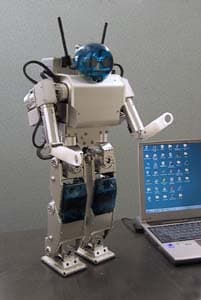
Fujitsu's compact open-platform humanoid series (HOAP-1 2001, -2 2003, -3 2005), ~48-60 cm, for research. Emerging technology.
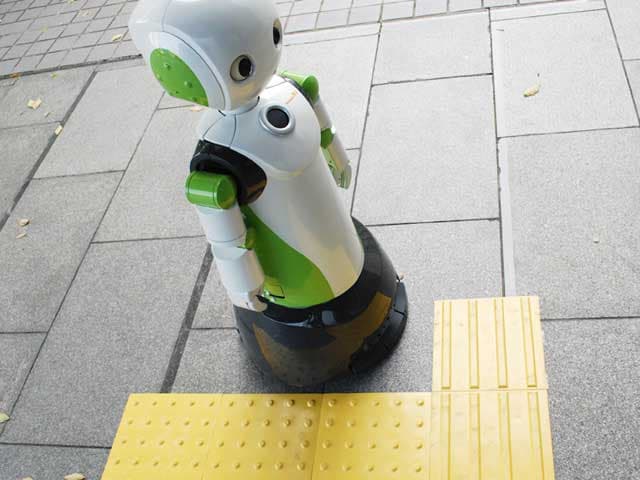
ATR/Vstone communication humanoid on an omnidirectional base, 108 cm, 35 kg, 13 DOF, with cameras as eyes and microphones for dialogue. Emerging technology.
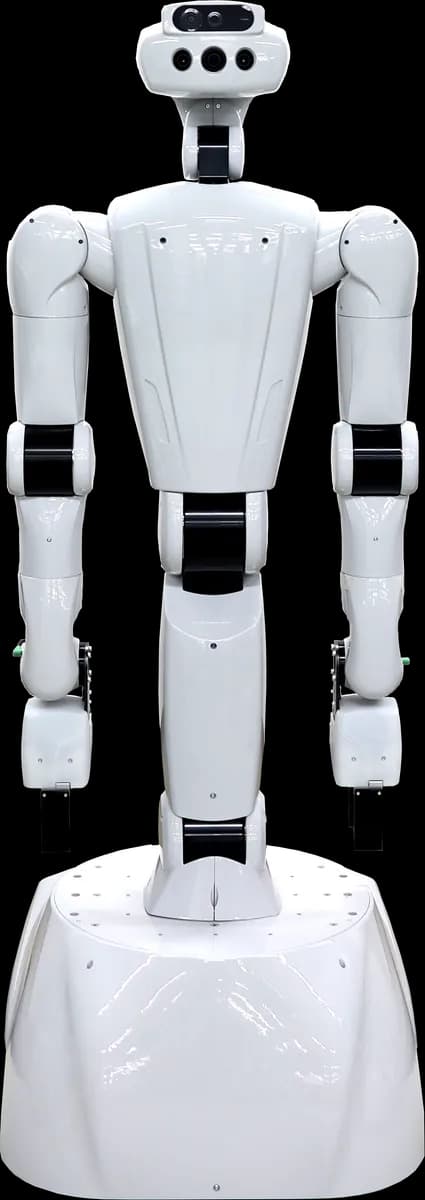
Tokyo Robotics humanoid platform (since 2017), with a bipedal version using a gait learned through reinforcement learning; acquired by Yaskawa in 2025. Emerging technology.
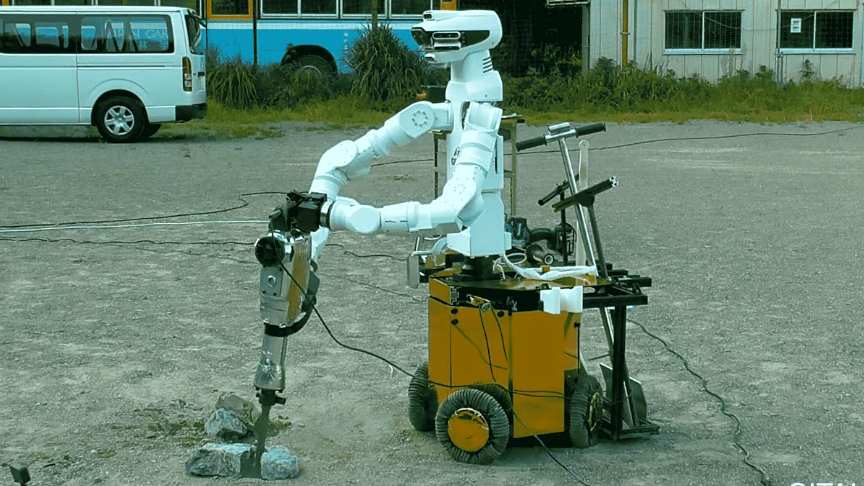
GITAI general-purpose humanoid for space, combining AI and teleoperation to manipulate tools and control panels. Emerging technology.
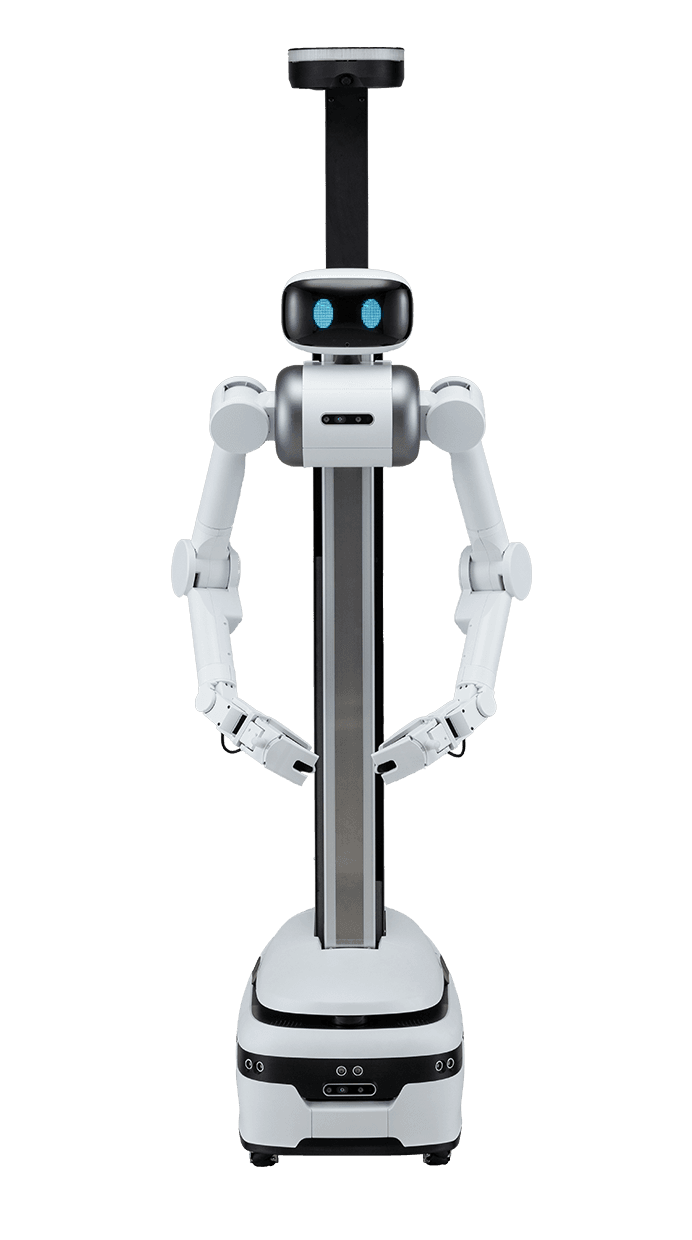
Mira Robotics/ugo dual-arm avatar robot on wheels, with height-adjustable teleoperated arms; one operator manages up to 4 units; rental ~$1000/month. Indicative price.
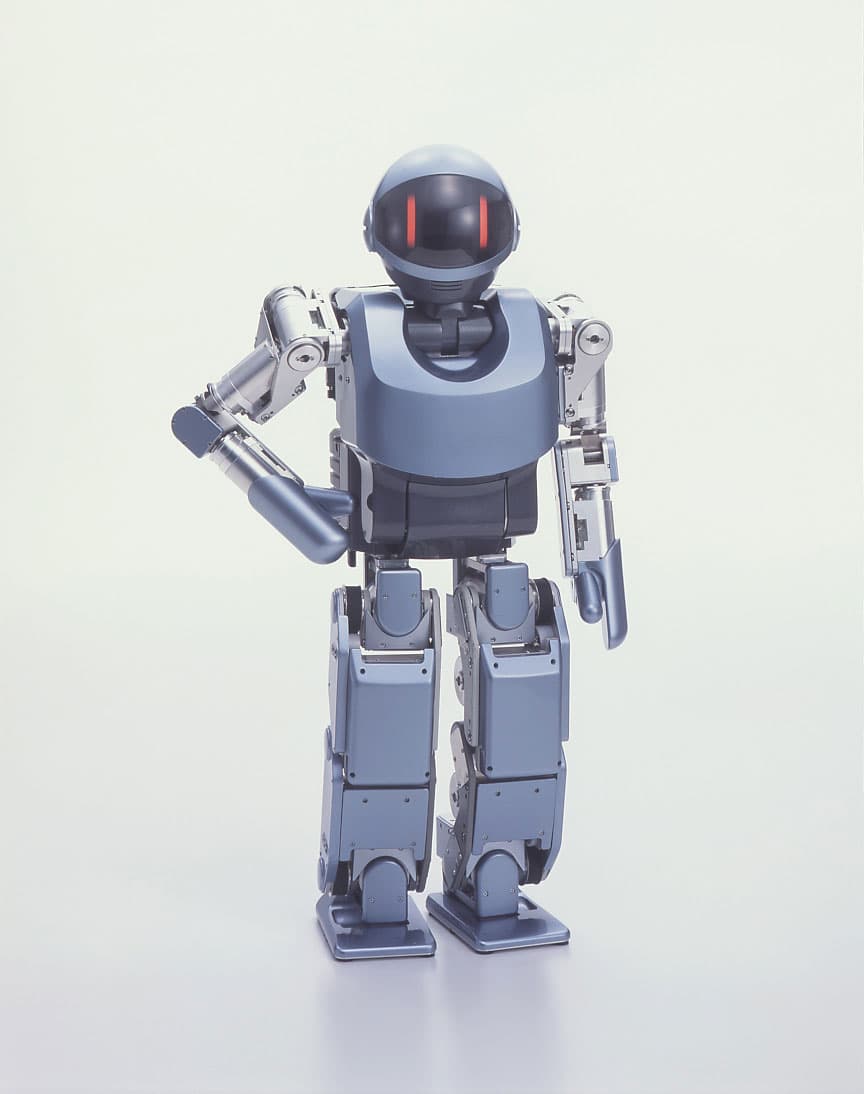
KAIST bipedal research humanoid (2004), 120 cm, 41 DOF, predecessor of the HUBO series, developed for walking on domestic floors. Emerging technology.
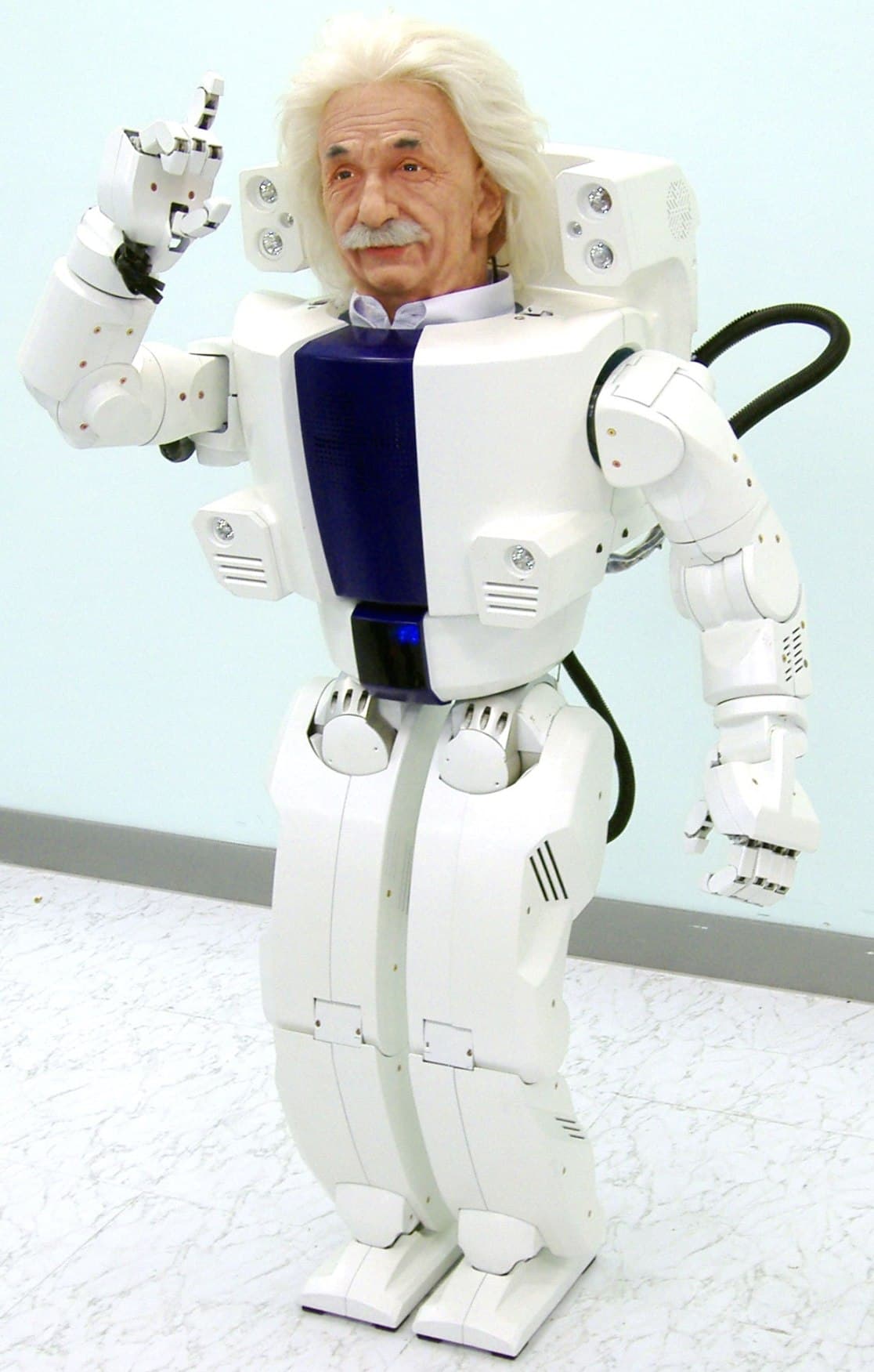
KAIST bipedal android (2005) with a HUBO body and an expressive Einstein-like head, 137 cm, ~57 kg, up to 66 DOF including facial muscles. Emerging technology.
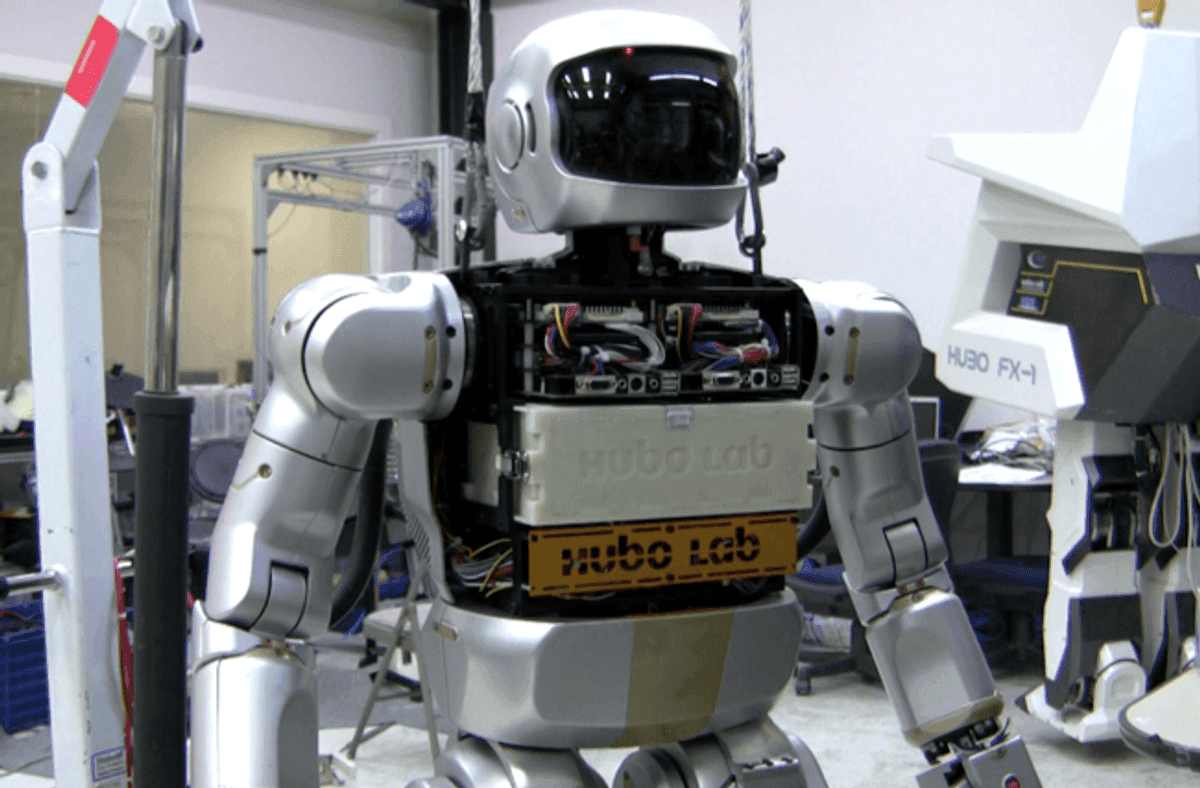
KAIST's second-generation HUBO (2008), 125 cm, ~45 kg, 38 DOF, lighter and faster, used as an international research platform. Emerging technology.
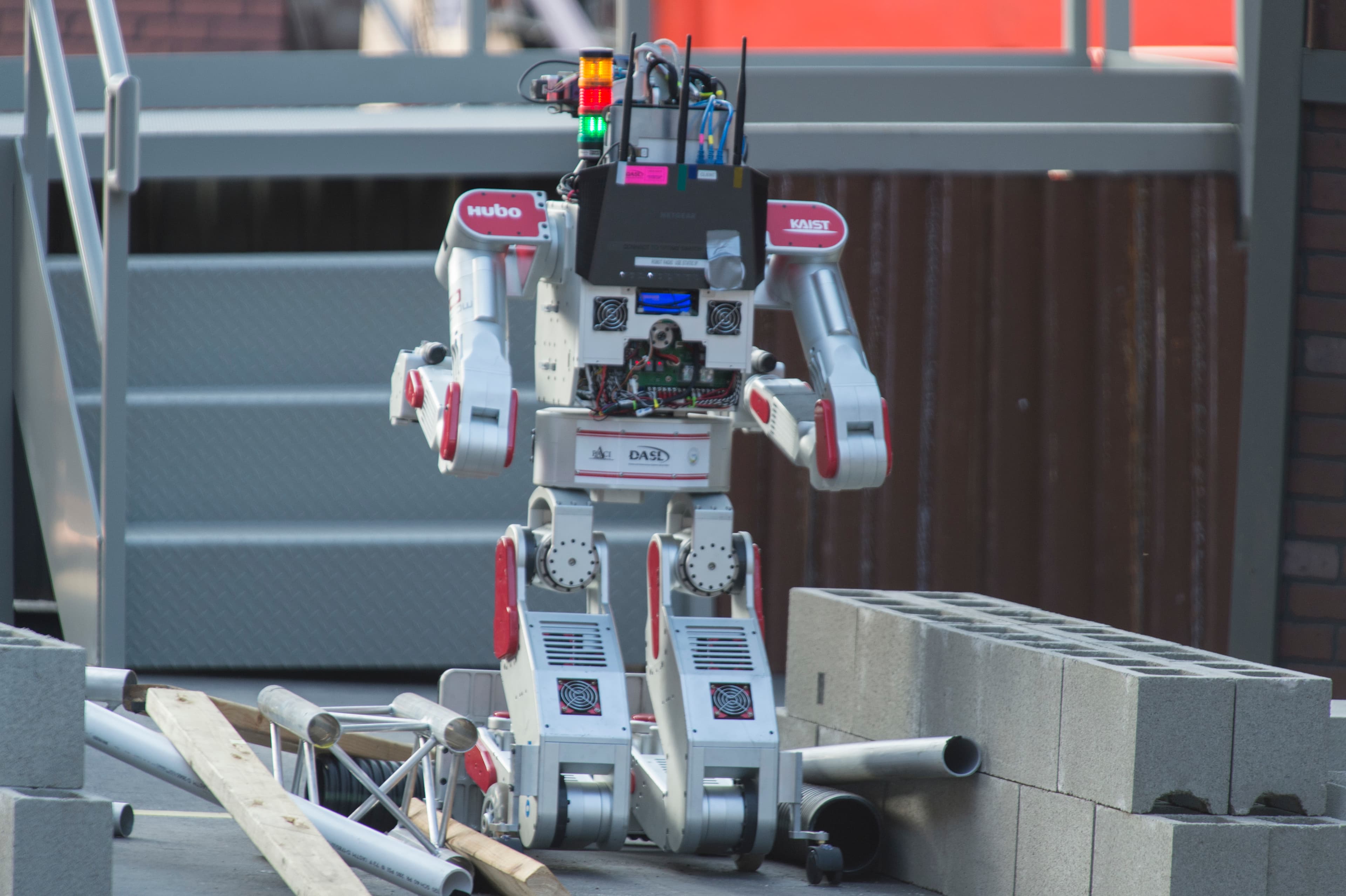
Transformable KAIST/Rainbow humanoid (2015), 32 DOF, switching from bipedal mode to a wheeled base on its knees; winner of the DARPA Robotics Challenge. Emerging technology.
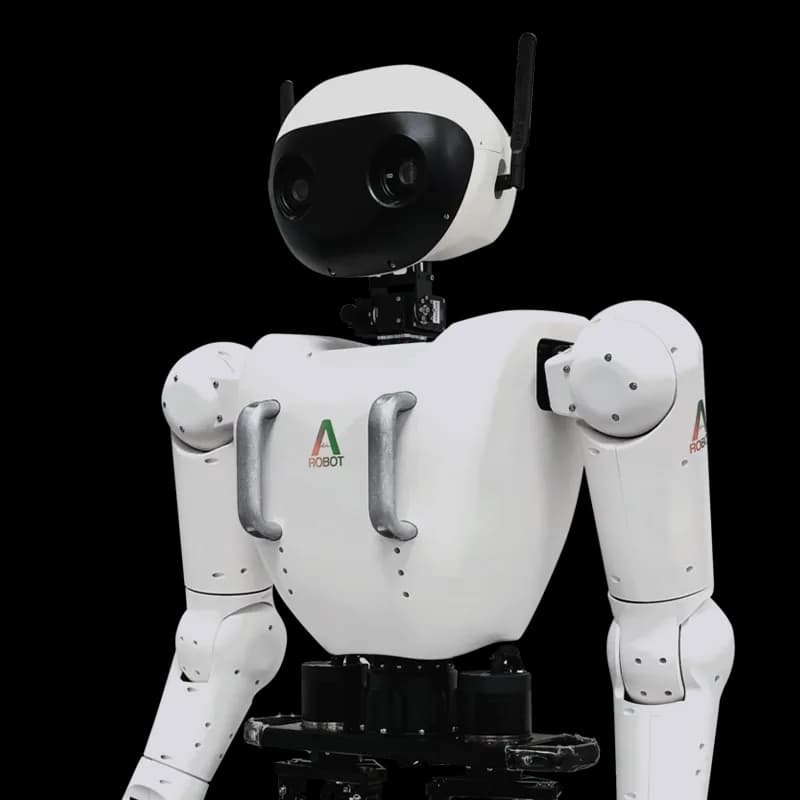
AeiROBOT full-size bipedal humanoid, 160 cm, 45 kg, 41 DOF, with proprietary gearless linear actuators and Nvidia Jetson Orin NX; in industrial field trials in Korea. Emerging technology.
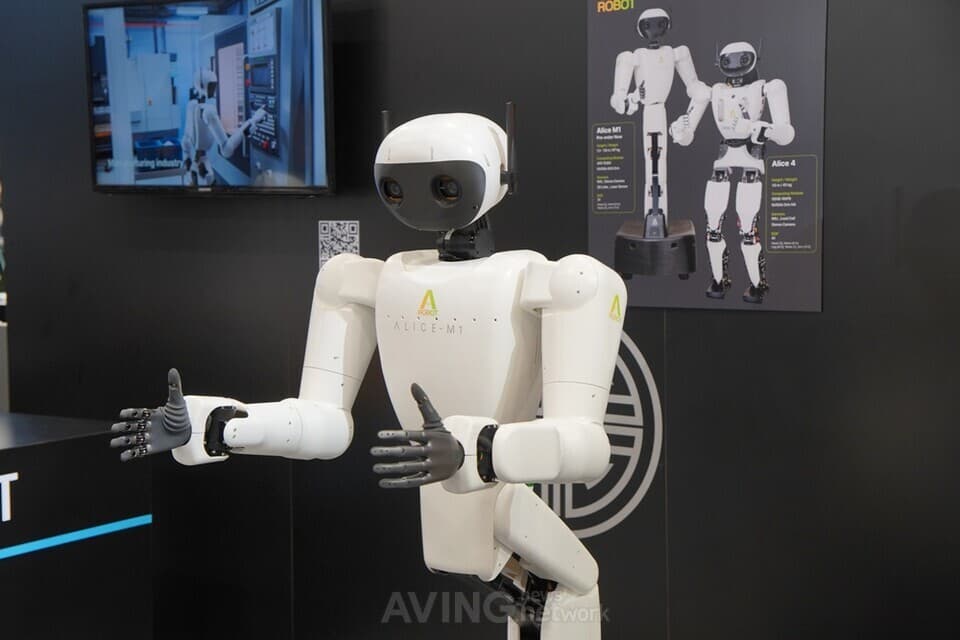
AeiROBOT semi-humanoid on an omnidirectional wheeled base, 31 DOF, designed for real-world manufacturing with an industrial AI platform. Emerging technology.
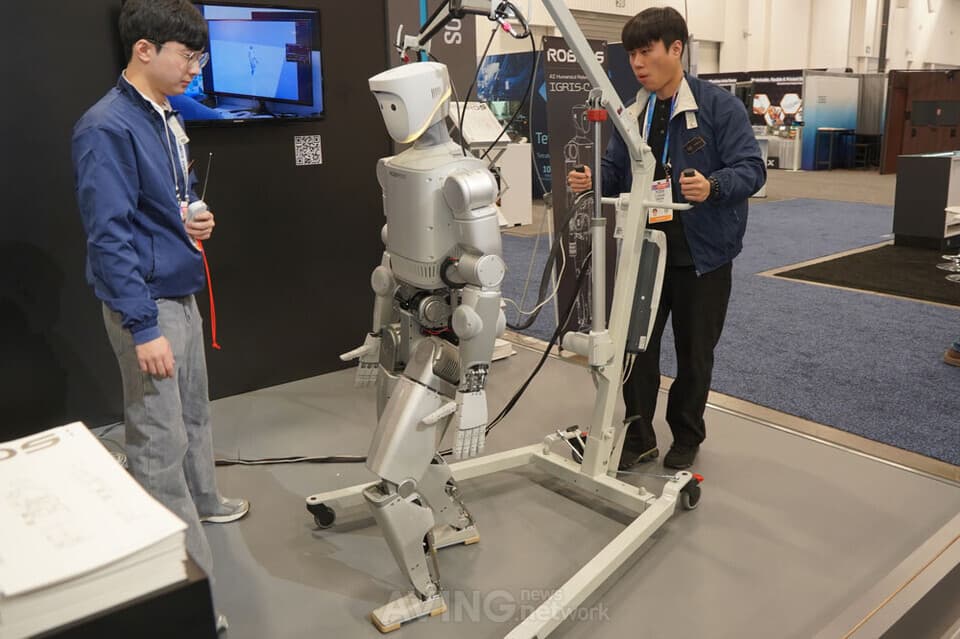
Compact ROBROS bipedal humanoid, 154 cm, 56 kg, 31 DOF for the body + 11 DOF for tendon-driven hands, low-reduction QDD actuators (torque up to 150 Nm) and an RL-trained gait. Emerging technology.
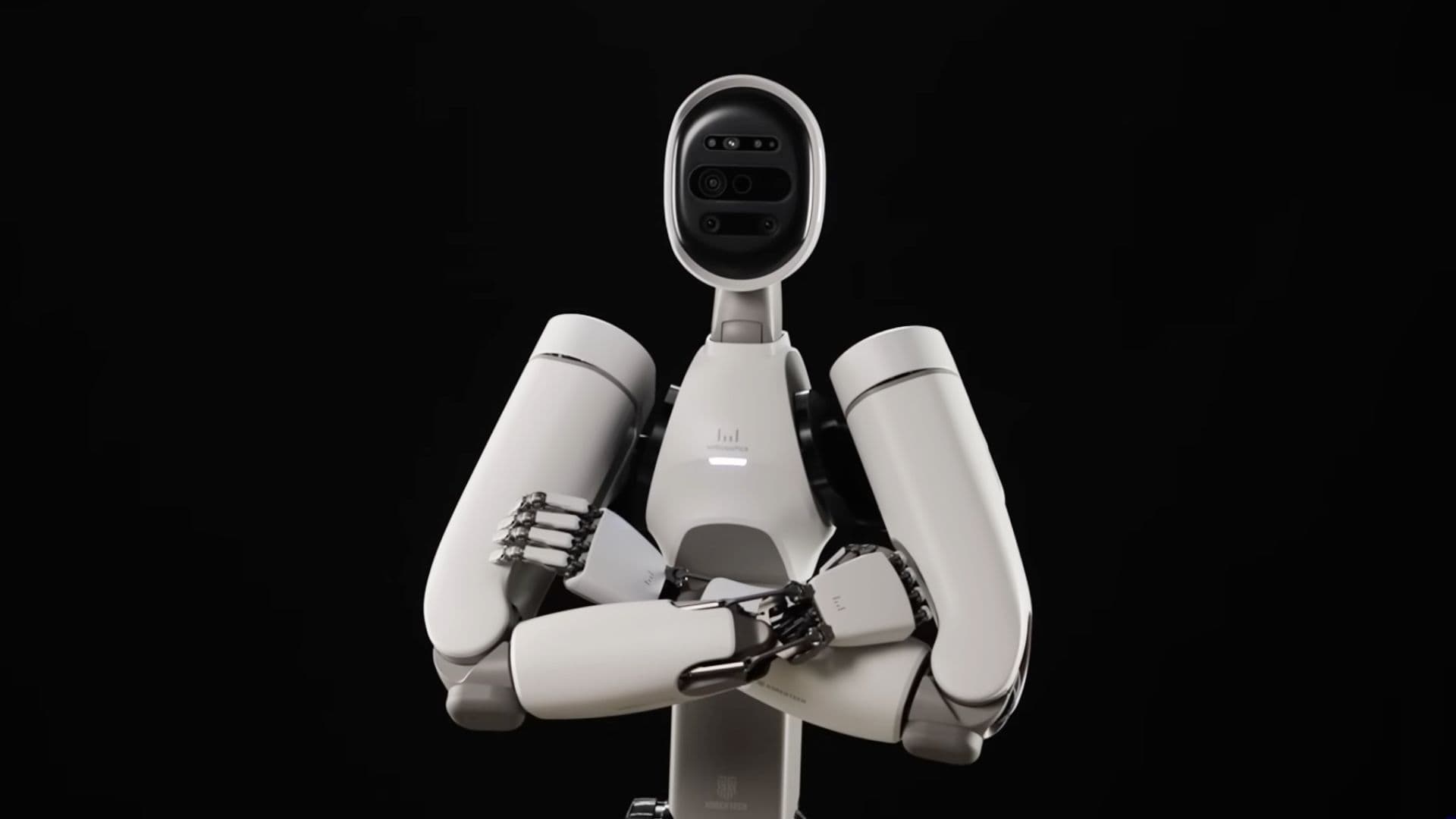
WIRobotics general-purpose humanoid unveiled (torso/upper body) in August 2025, with 15 DOF hands weighing ~700 g, extremely low-friction backdrivable arms and >3 kg payload per hand. Emerging technology.
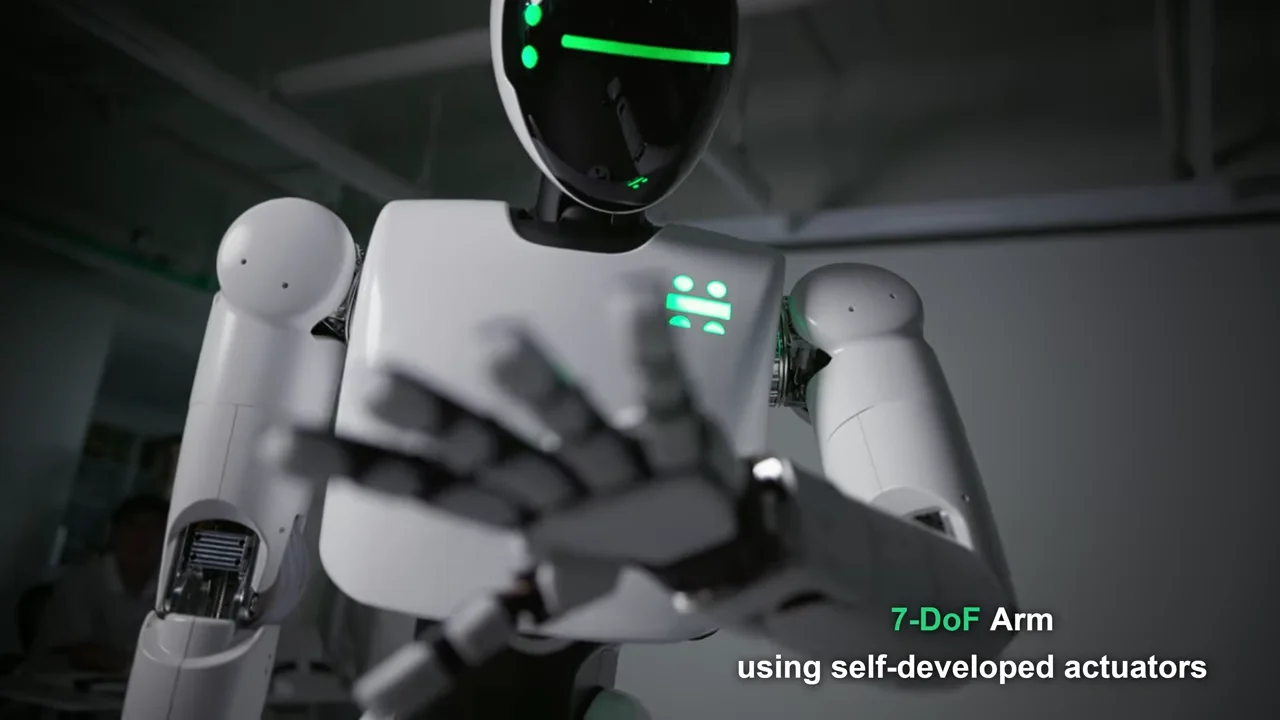
Holiday Robotics humanoid on a wheeled base (differential drive), 176 cm, focused on hand manipulation rather than bipedal locomotion. Emerging technology.
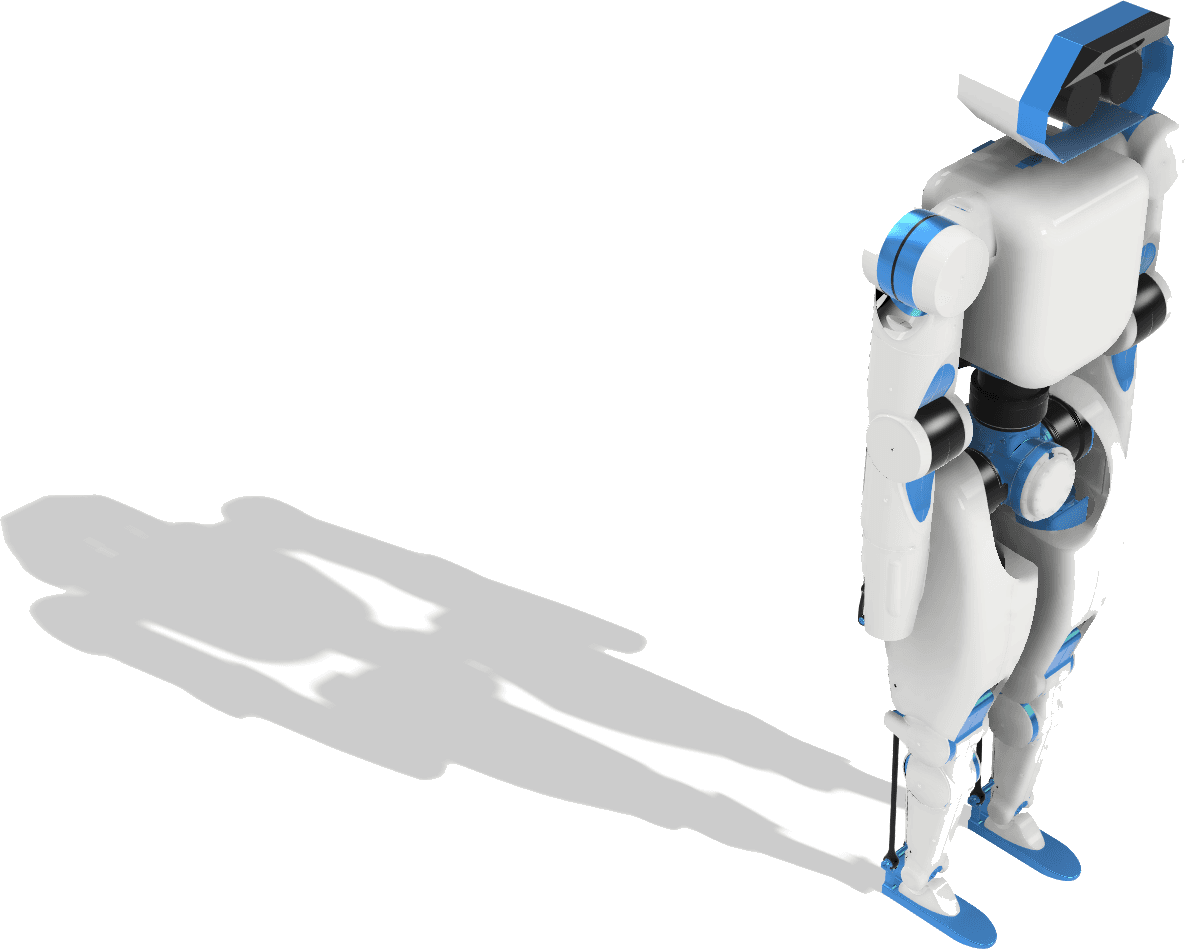
Blue Robin humanoid, 173 cm, with human proportions and 32 DOF, arms using an avatar system for object control, shown at CES 2026. Emerging technology.
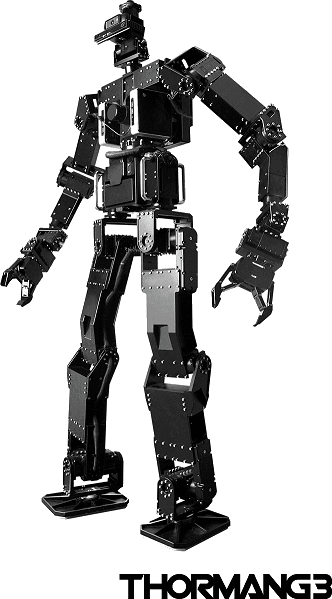
ROBOTIS full-size open-platform humanoid, 137.5 cm, 42 kg, 29 DOF, with Dynamixel PRO actuators, F/T and Realsense sensors, running ROS/Ubuntu; available on request for quotation.
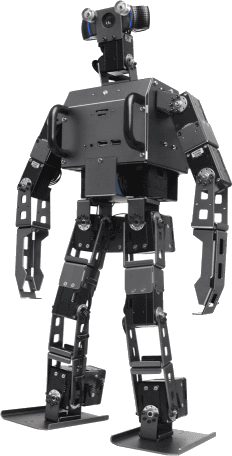
Miniature ROBOTIS bipedal humanoid, ~46 cm, ~3.5 kg, 20 Dynamixel XM-430 actuators, Intel NUC and a USB camera running ROS; an accessible educational platform. Commercially available.
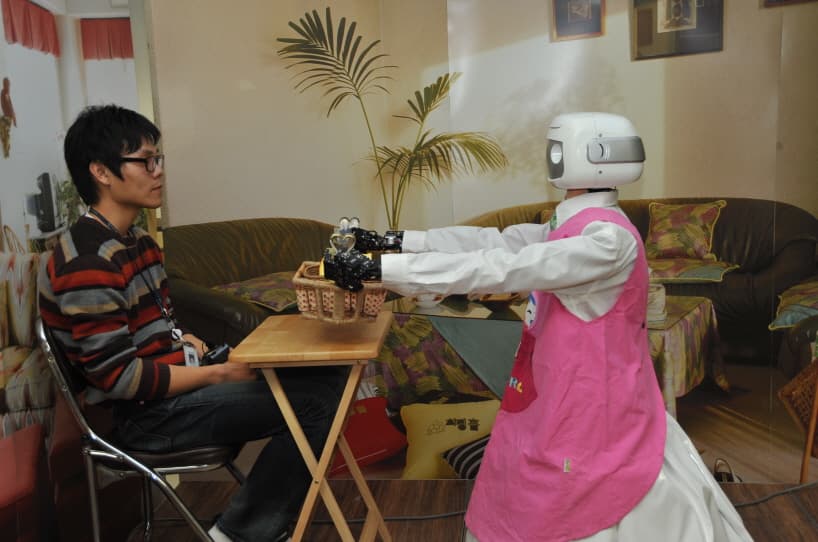
KIST domestic bipedal humanoid, 150 cm, ~67 kg, with a rotating head, six fingers and a 3D camera, capable of operating household appliances. Emerging technology.
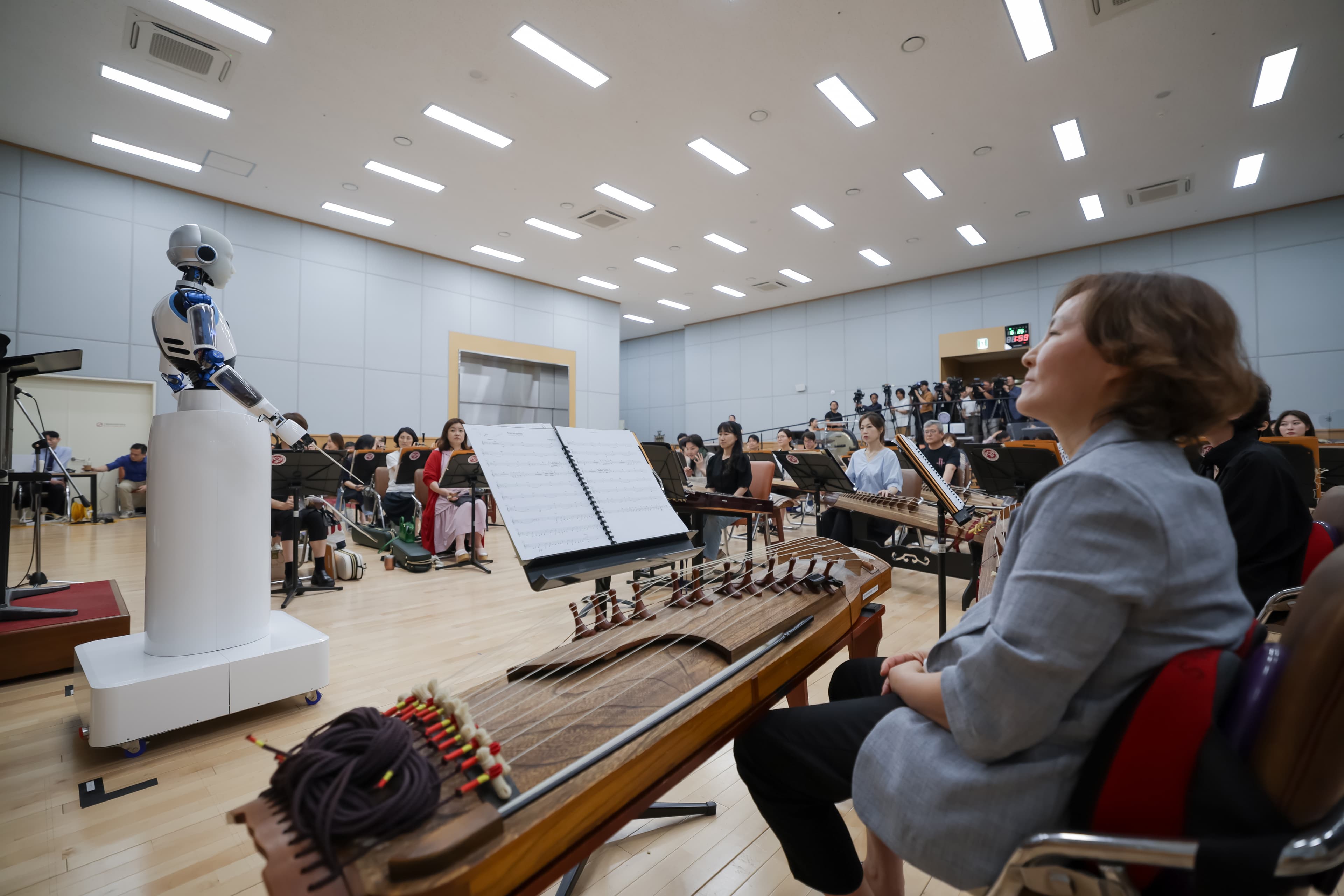
KITECH android with a torso, two arms, neck and expressive head, 180 cm, trained through motion capture; has co-conducted the National Orchestra of Korea. Emerging technology.
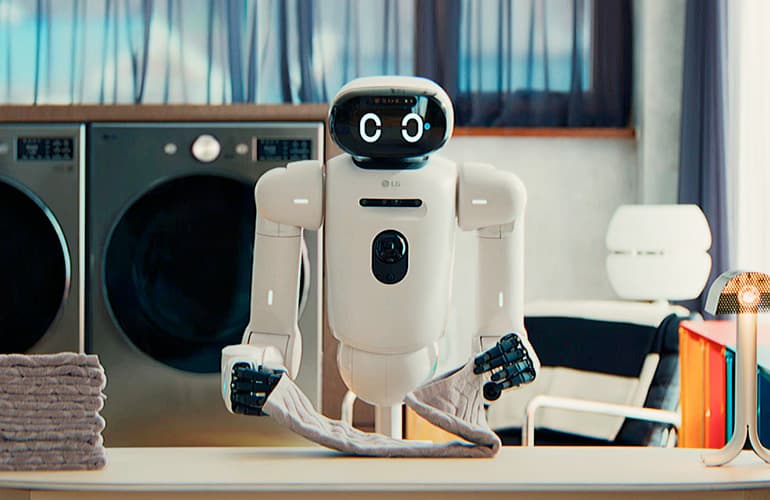
LG domestic bimanual humanoid unveiled at CES 2026, with a human-like body, two articulated arms and five actuated fingers per hand, integrated with an AI platform. Emerging technology.
DIDEN Robotics bipedal robot (KAIST HUBO Lab spin-off) with an upper manipulator for shipyard welding, trained through the DIDEN World AI platform; prototype expected in late 2025. Emerging technology.
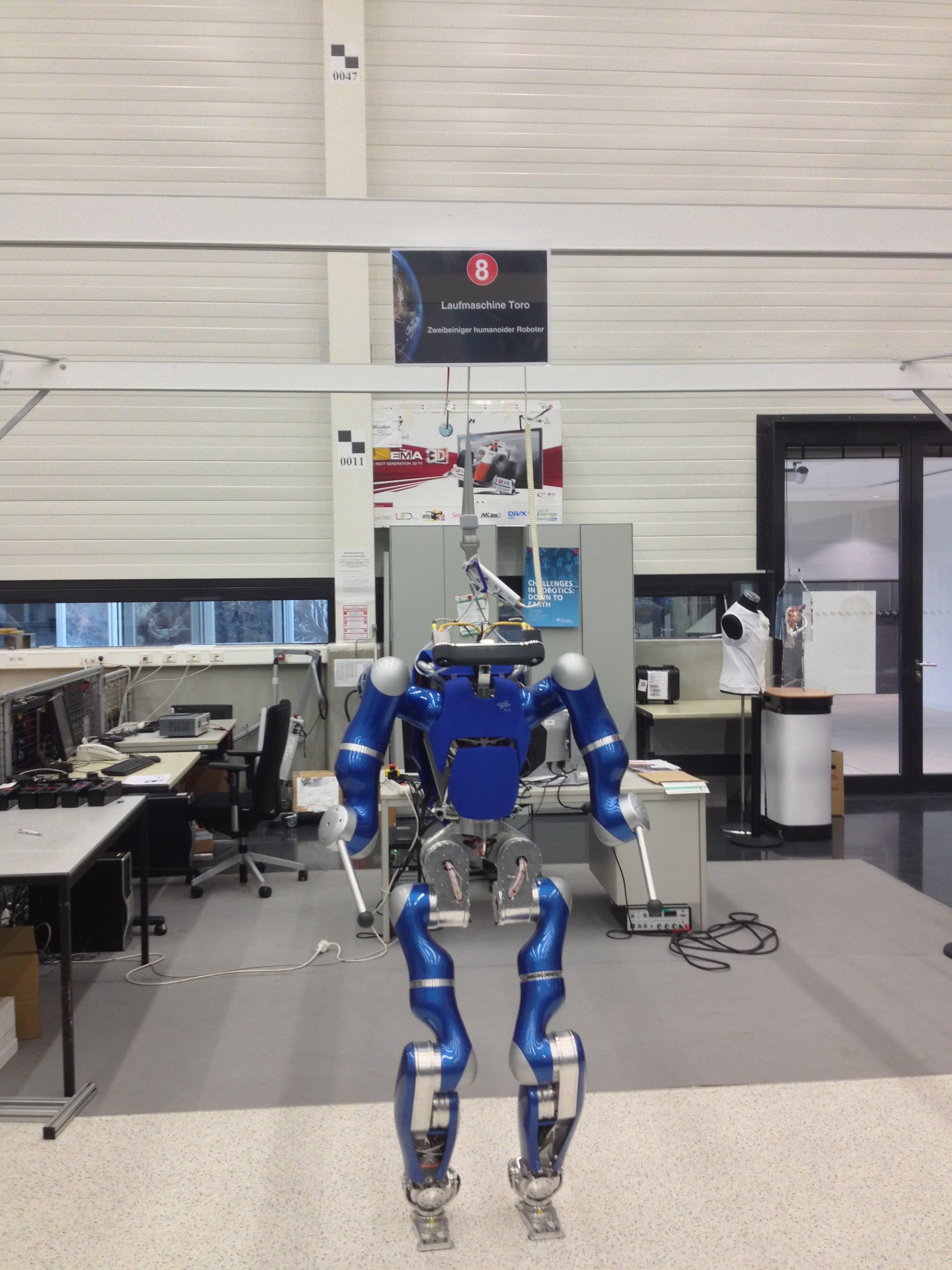
DLR torque-controlled bipedal humanoid, 174 cm, 39 DOF, based on drive units from the lightweight KUKA LBR arm; research platform for locomotion. Emerging technology.
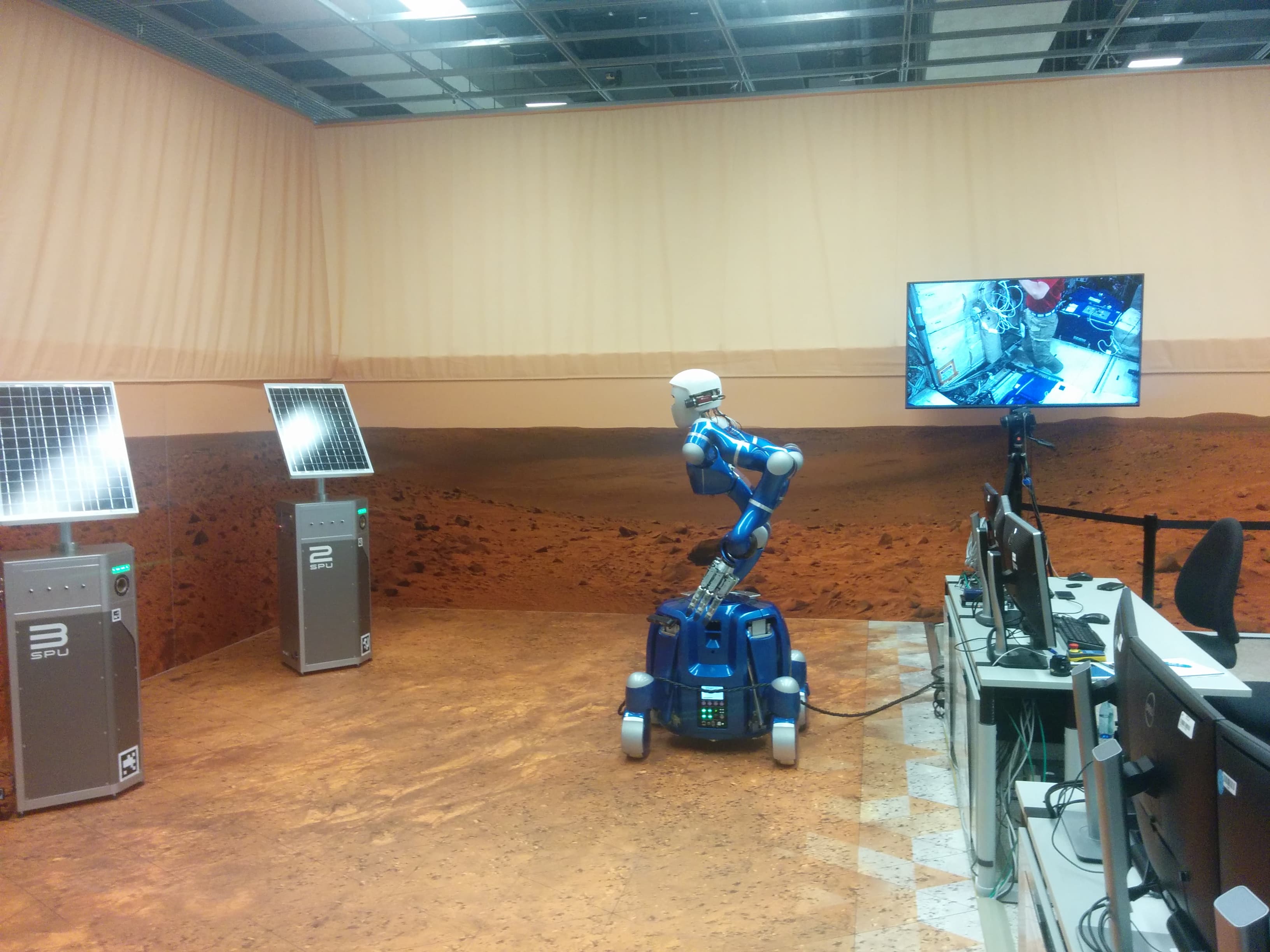
DLR humanoid on a four-wheel base with two arms and 43 DOF in total, introduced in 2009; research platform for dexterous manipulation and telepresence. Emerging technology.
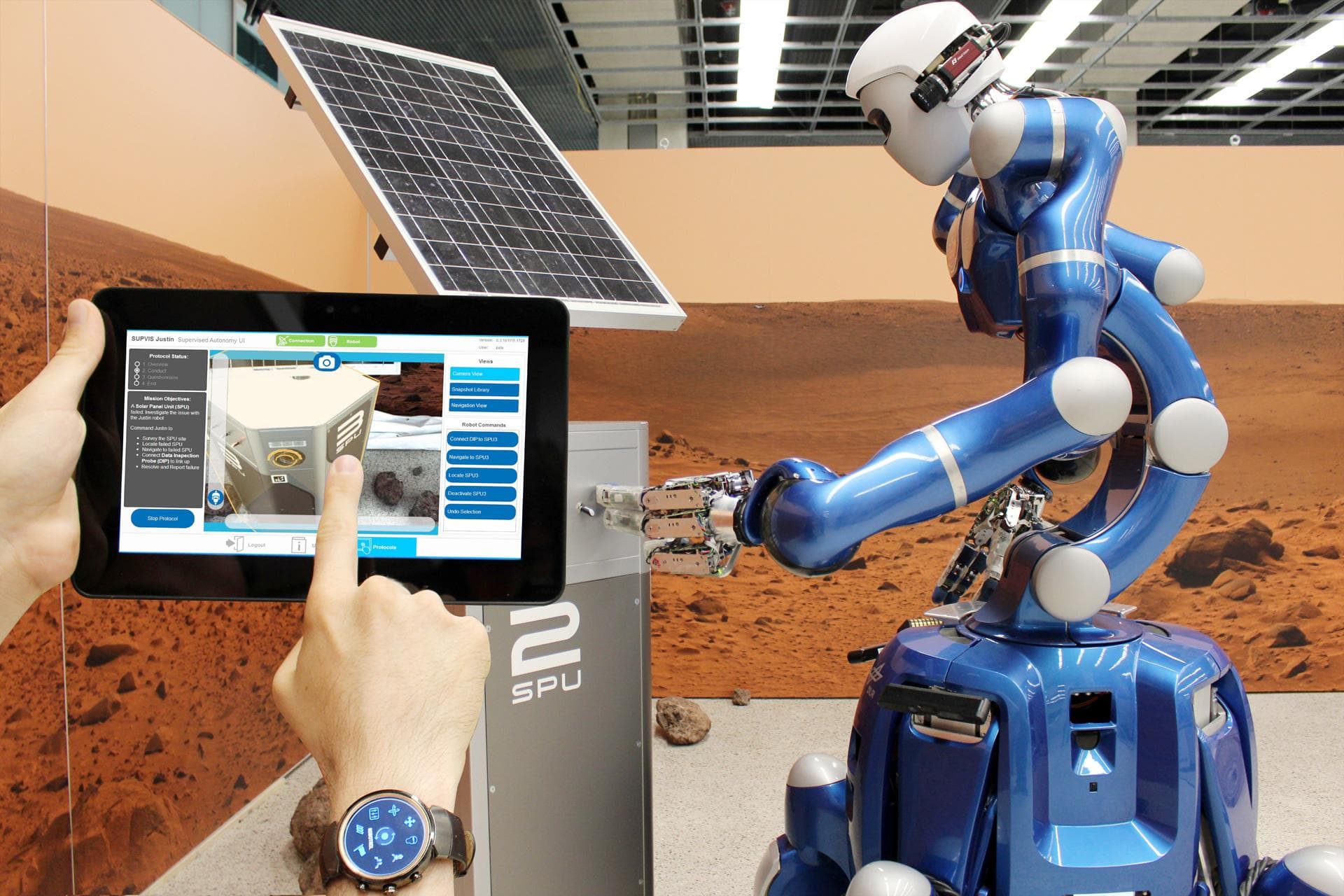
Evolved version of Rollin' Justin (2012), on a wheeled base with two fast arms, ~43 DOF; DLR platform for AI and manipulation research. Emerging technology.
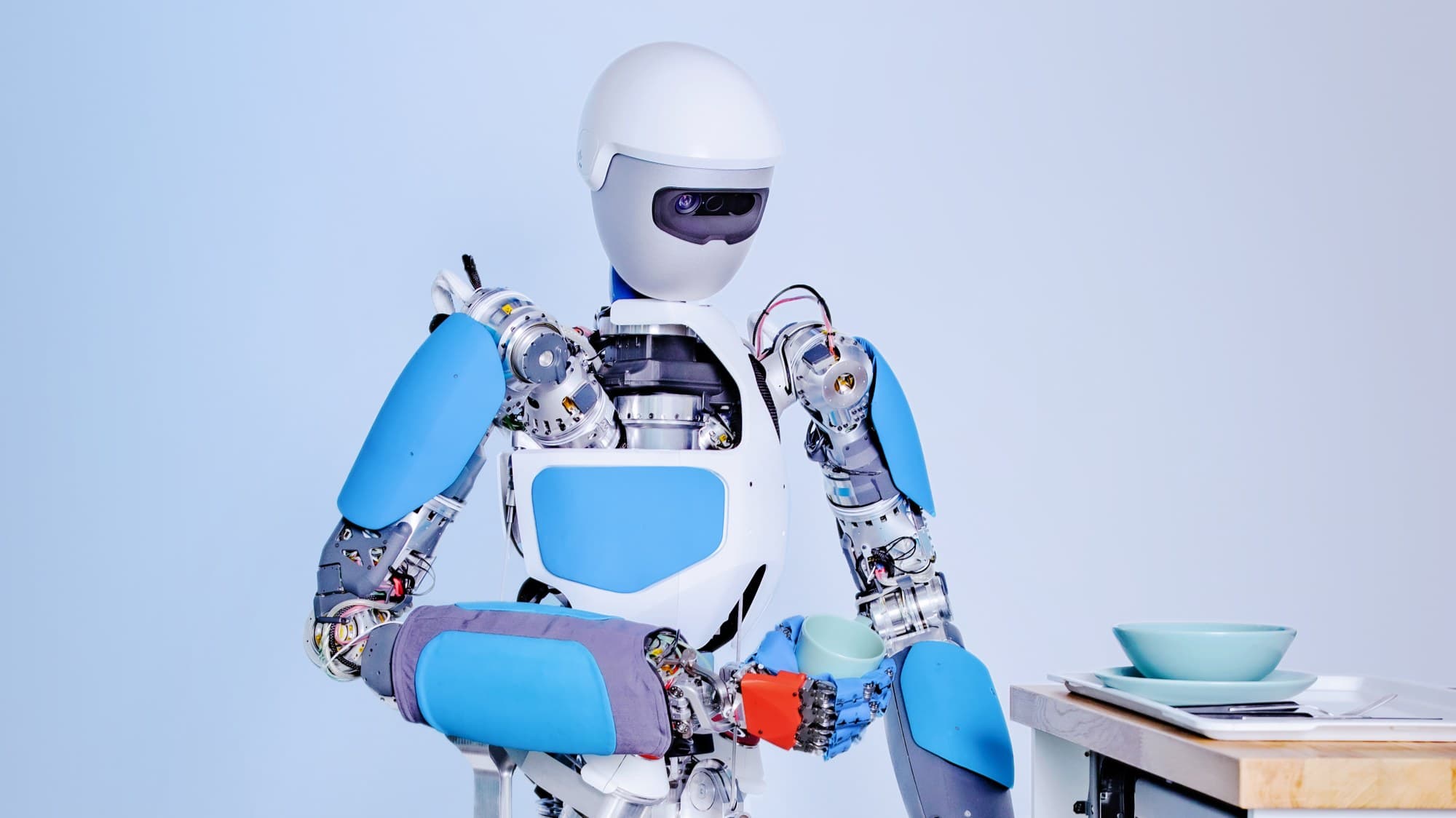
DLR anthropomorphic robot (torso and arms) with variable-stiffness joints and human-like five-finger hands; research platform for compliance and dynamics. Emerging technology.
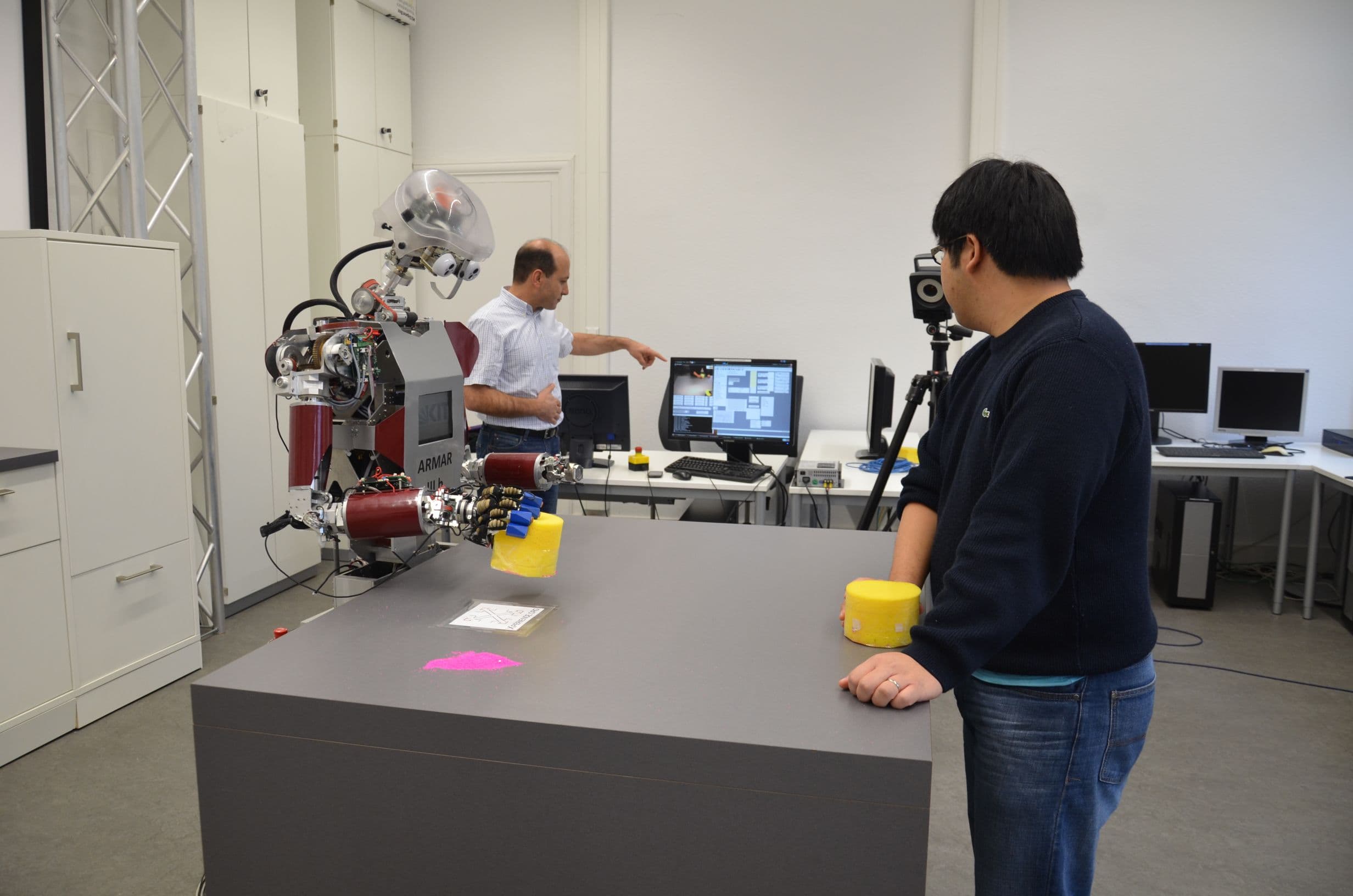
KIT humanoid on a three-wheel base with two 7 DOF arms and 43 DOF in total, known for kitchen tasks; research platform for sensorimotor control. Emerging technology.
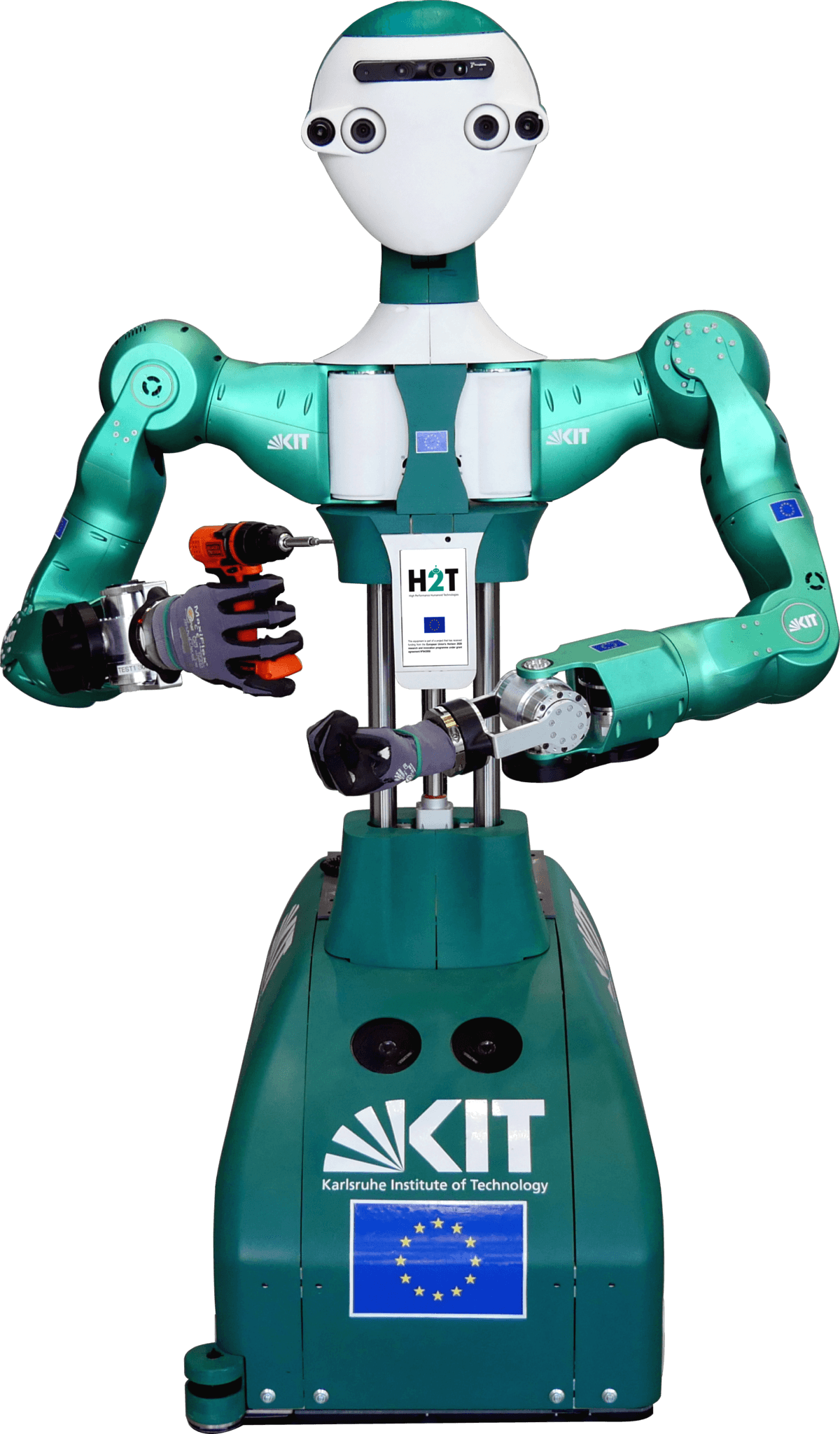
KIT collaborative humanoid for industrial environments, adjustable height up to ~192 cm, two 8 DOF arms with 10 kg payload per arm on a mobile base; research platform. Emerging technology.
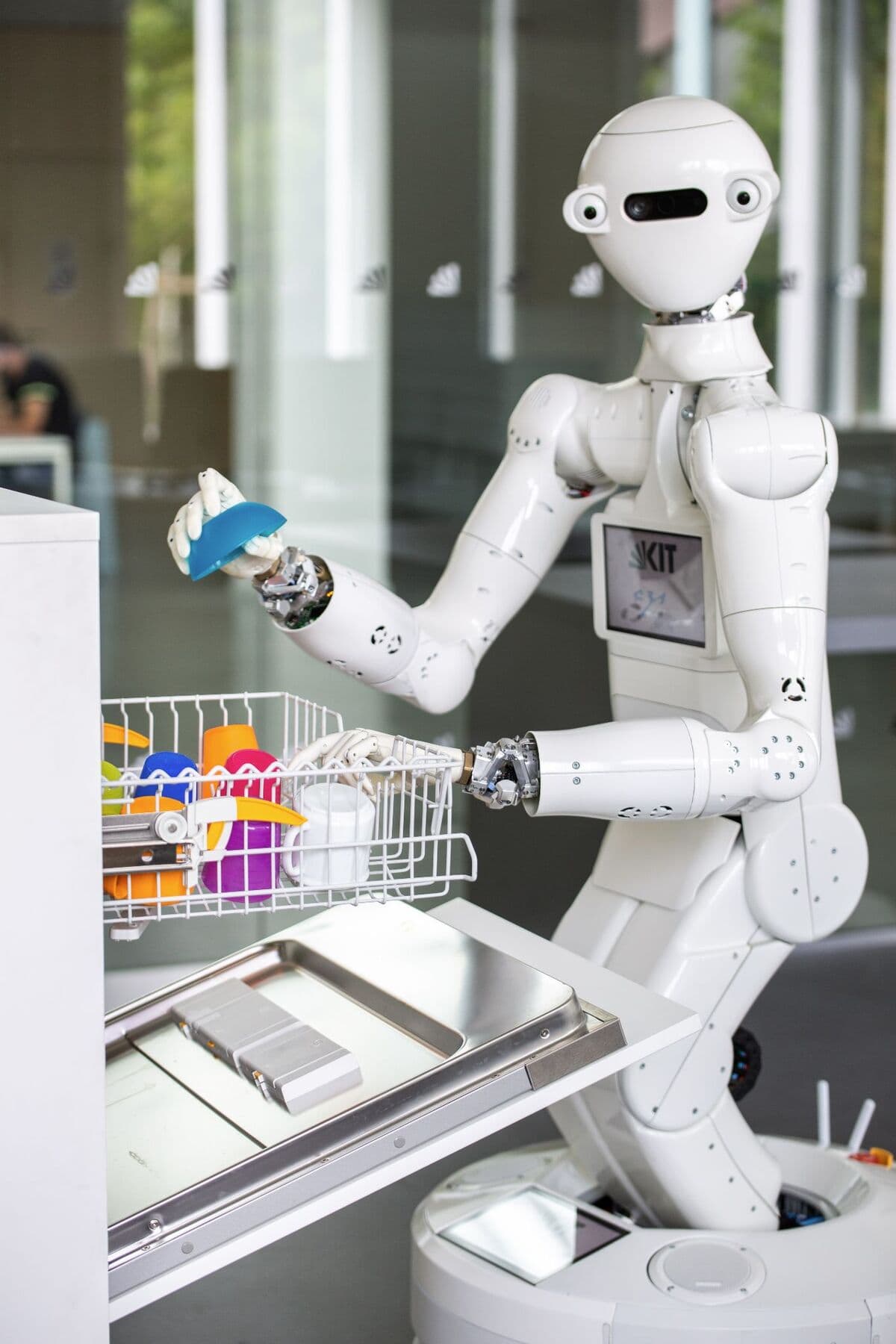
KIT's latest humanoid with two torque-controlled 8 DOF arms, underactuated five-finger hands, a stereo-vision head and a holonomic base; research into learning from demonstration. Emerging technology.
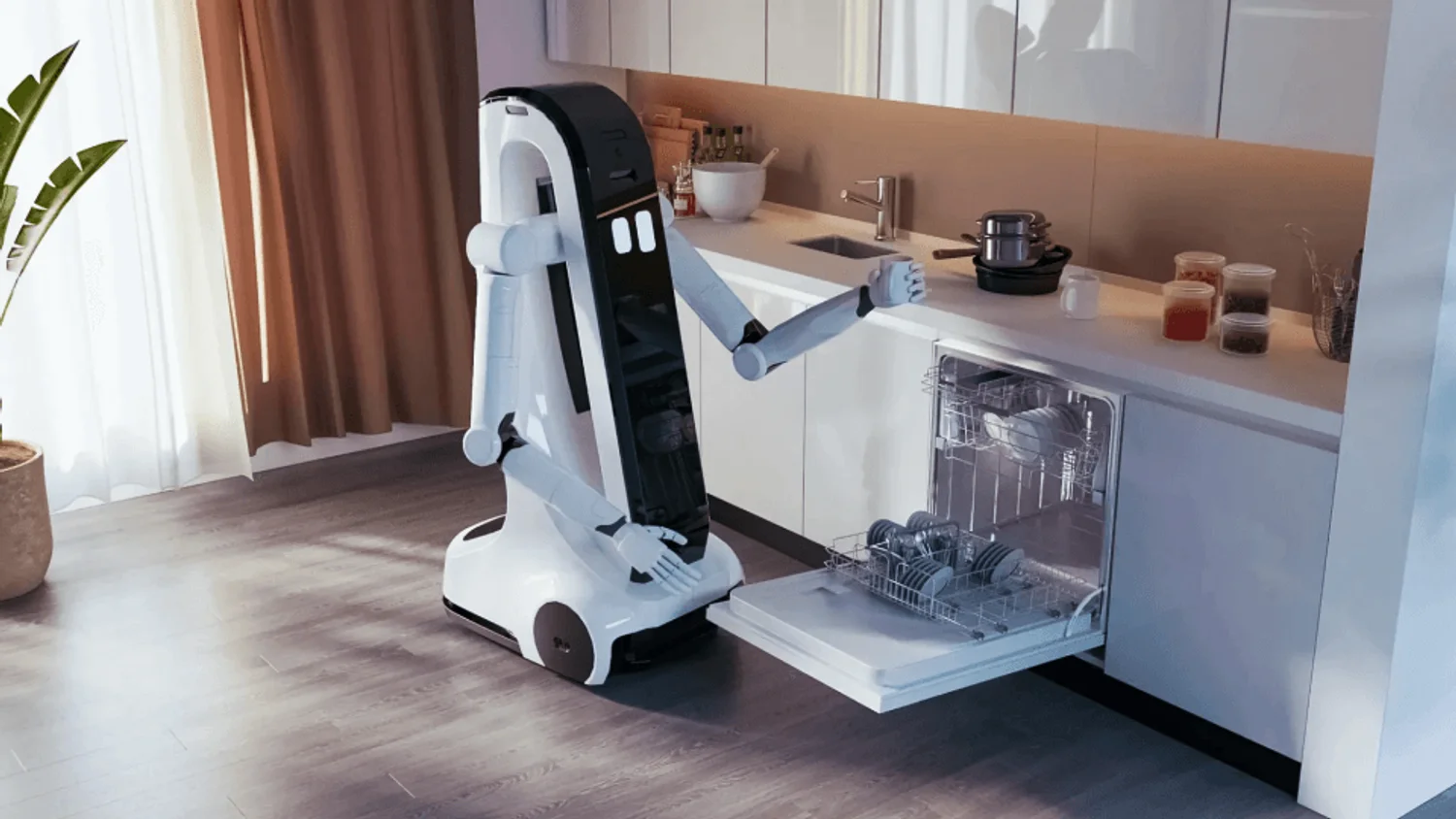
Neura cognitive service robot (torso and two arms on a mobile base, 18 DOF) for home, retail and care; available for reservation, ~9,999 EUR. Emerging technology. Indicative price.
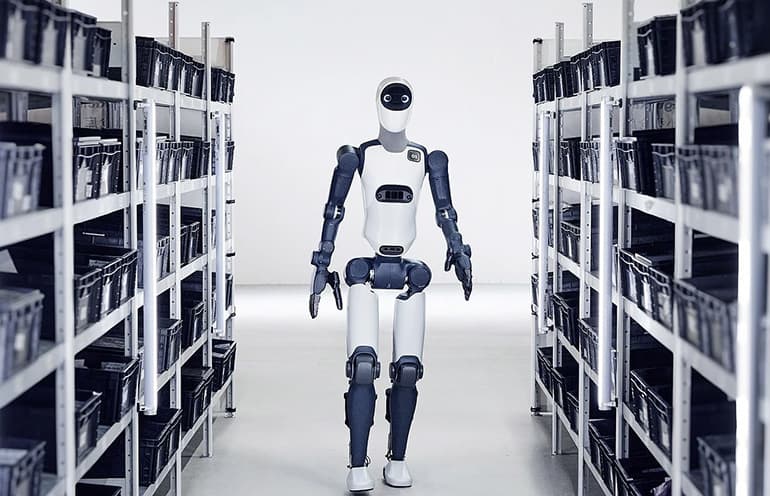
Agile Robots industrial humanoid (Munich), 174 cm, 71 DOF, 20 kg payload, hands with 21 joints and tactile sensors; production in Bavaria from early 2026. Emerging technology.
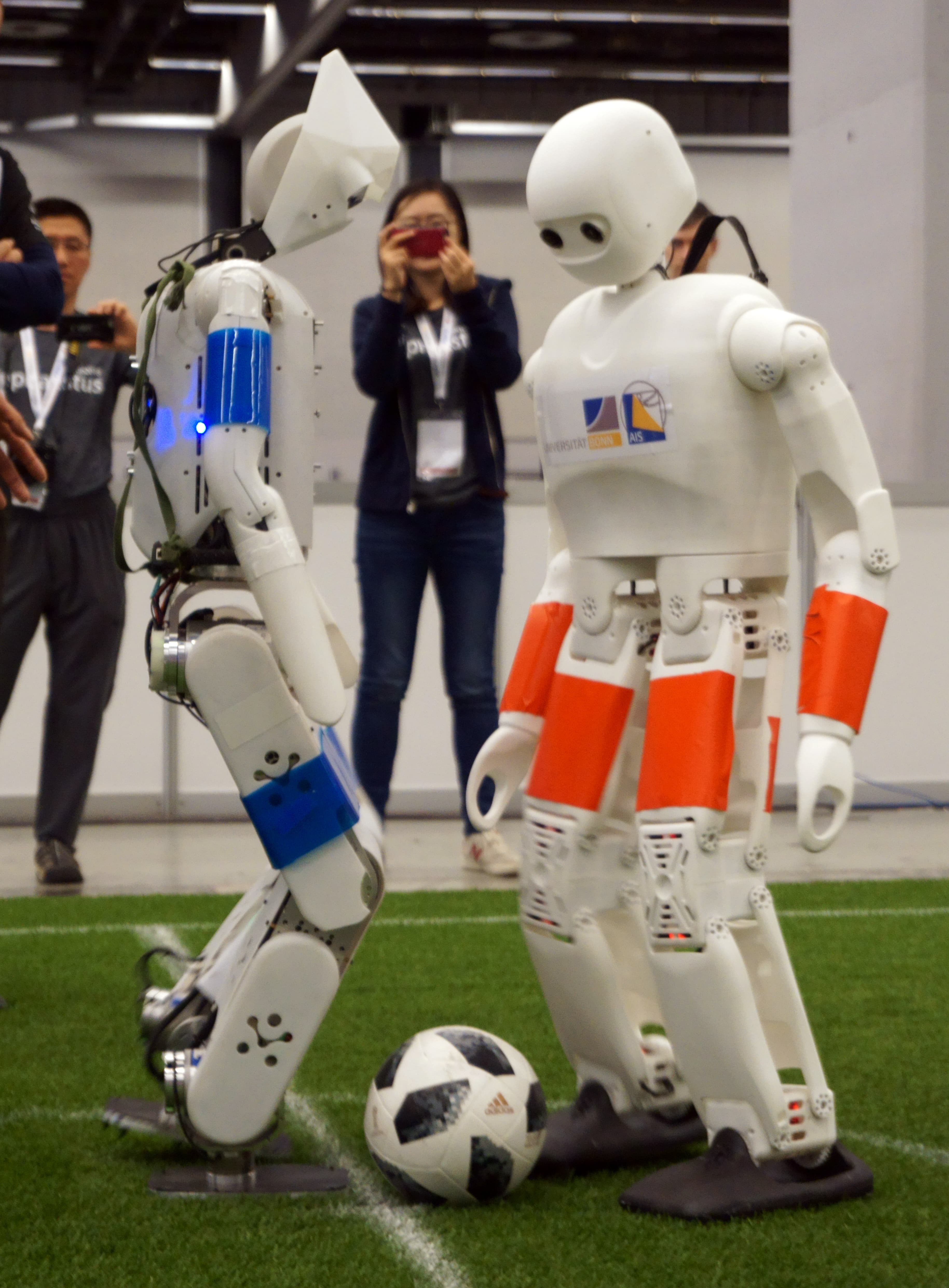
Adult-size bipedal humanoid from the University of Bonn, 135 cm, 18 DOF and a 3D-printed structure; research platform for RoboCup. Emerging technology.
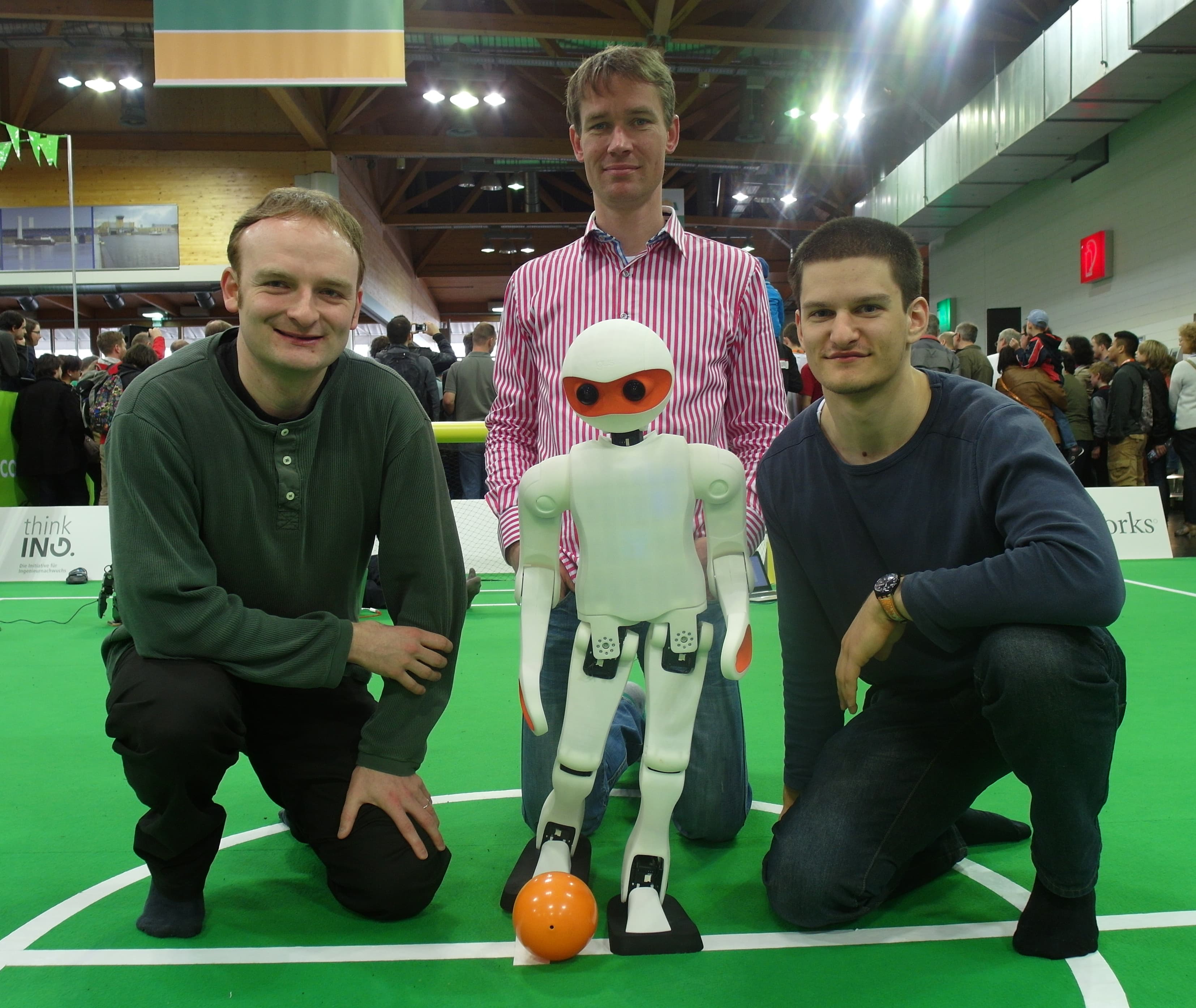
Child-size humanoid (92 cm), fully 3D-printed and open-source, developed by igus (Cologne) with the University of Bonn; research platform. Emerging technology.
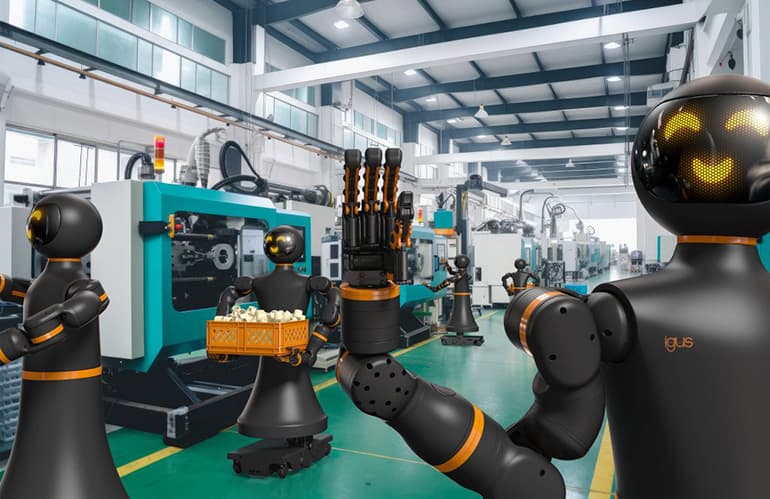
Igus humanoid (Cologne), 170 cm, on a mobile wheeled base with two ReBeL arms and bionic hands, payload up to 100 kg, CE-certified and on sale for ~47,999 EUR. Indicative price.
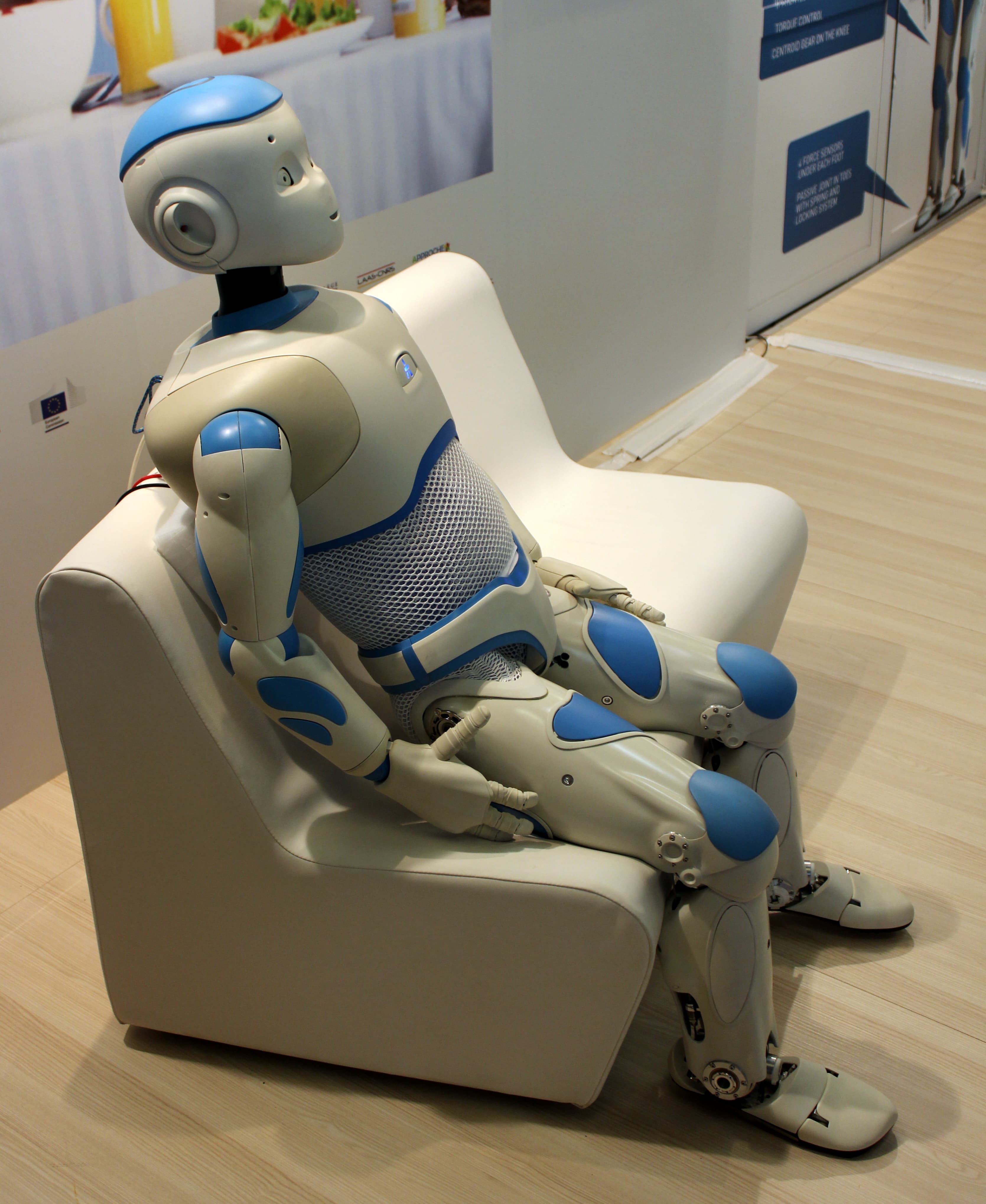
Bipedal research humanoid, 146 cm, 37 DOF, ~40 kg, designed by Aldebaran to assist older people; never commercialised. Emerging technology.
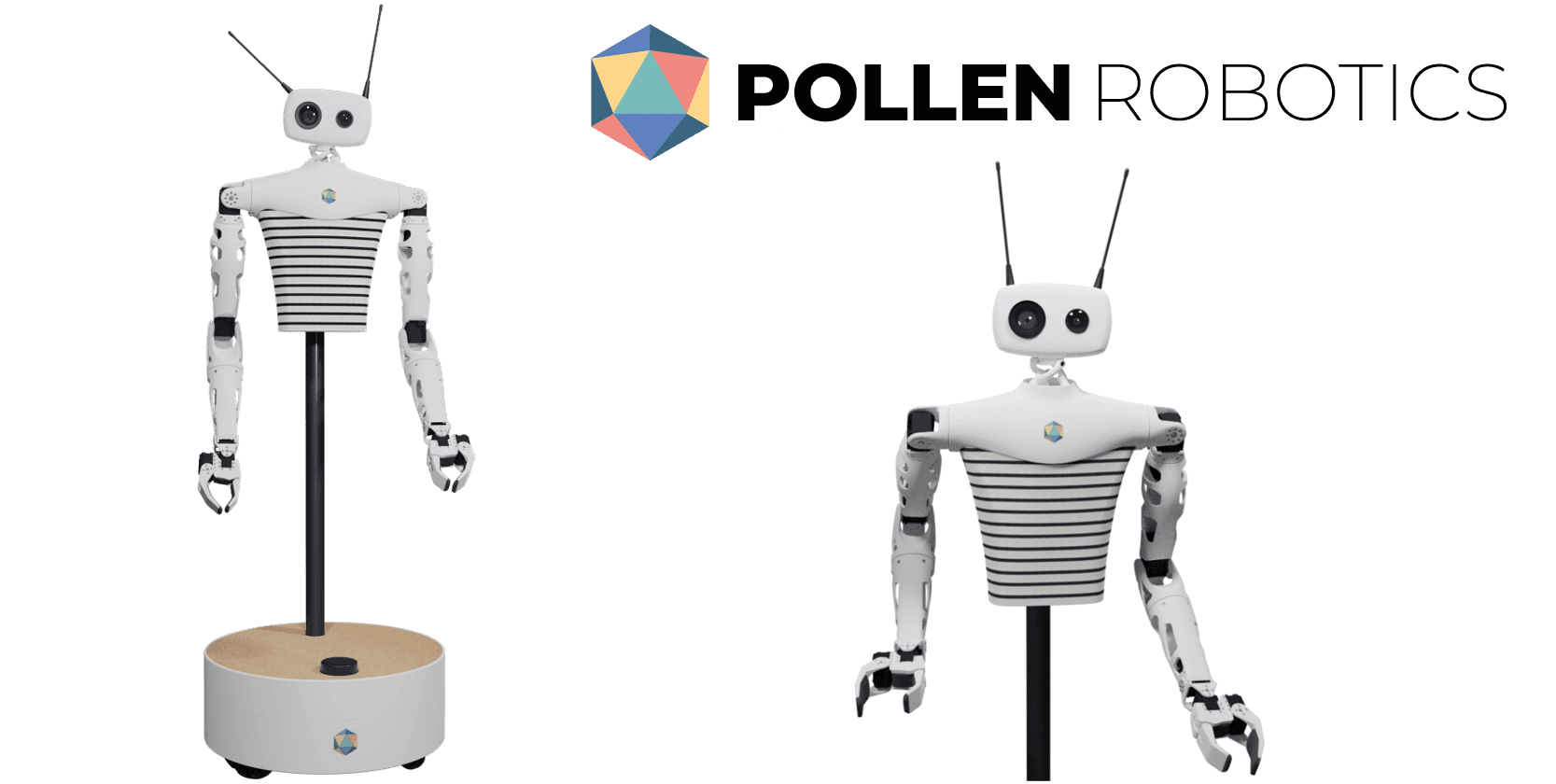
Earlier version of the open-source Reachy humanoid: torso, interactive head and two bionic 7-DOF arms (3 kg) with grippers, on a mobile or fixed base. Emerging technology.
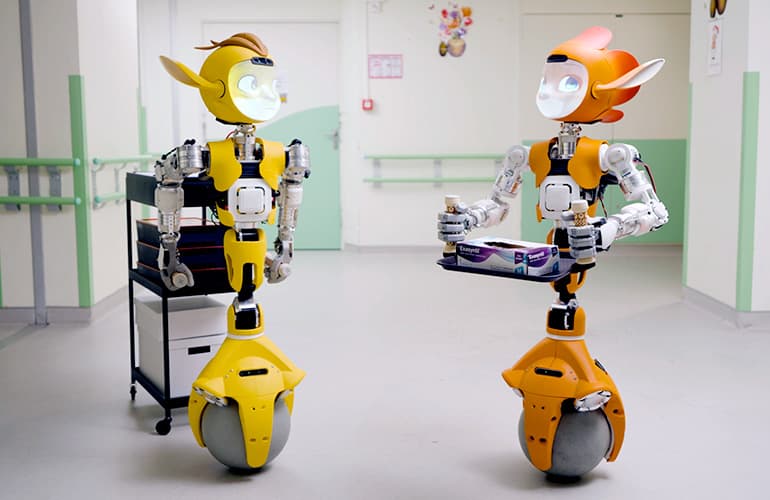
Social humanoid, 123 cm, 26 DOF, on a patented 3 DOF spherical base, 1.5 kg per hand, towing up to 15 kg and a 4-hour battery; already delivered to retail and healthcare customers in France.
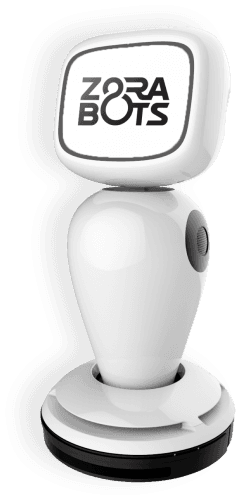
Reception humanoid on a mobile base with LiDAR and SLAM navigation, a head and torso with a tablet, microphones and speakers, using Zorabots' ZBOS operating system (Siasun hardware); marketed in over 60 countries.
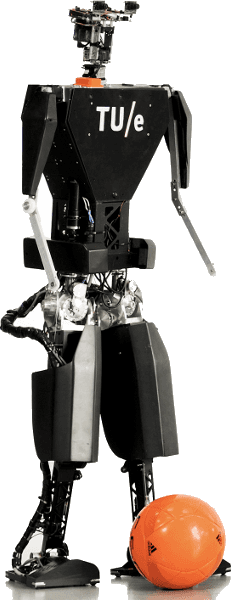
Adult-size research humanoid, 134 cm, ~30 kg, with a head, torso, two arms and two legs (6 DOF per leg), stereo vision, developed at TU Eindhoven for RoboCup. Emerging technology.
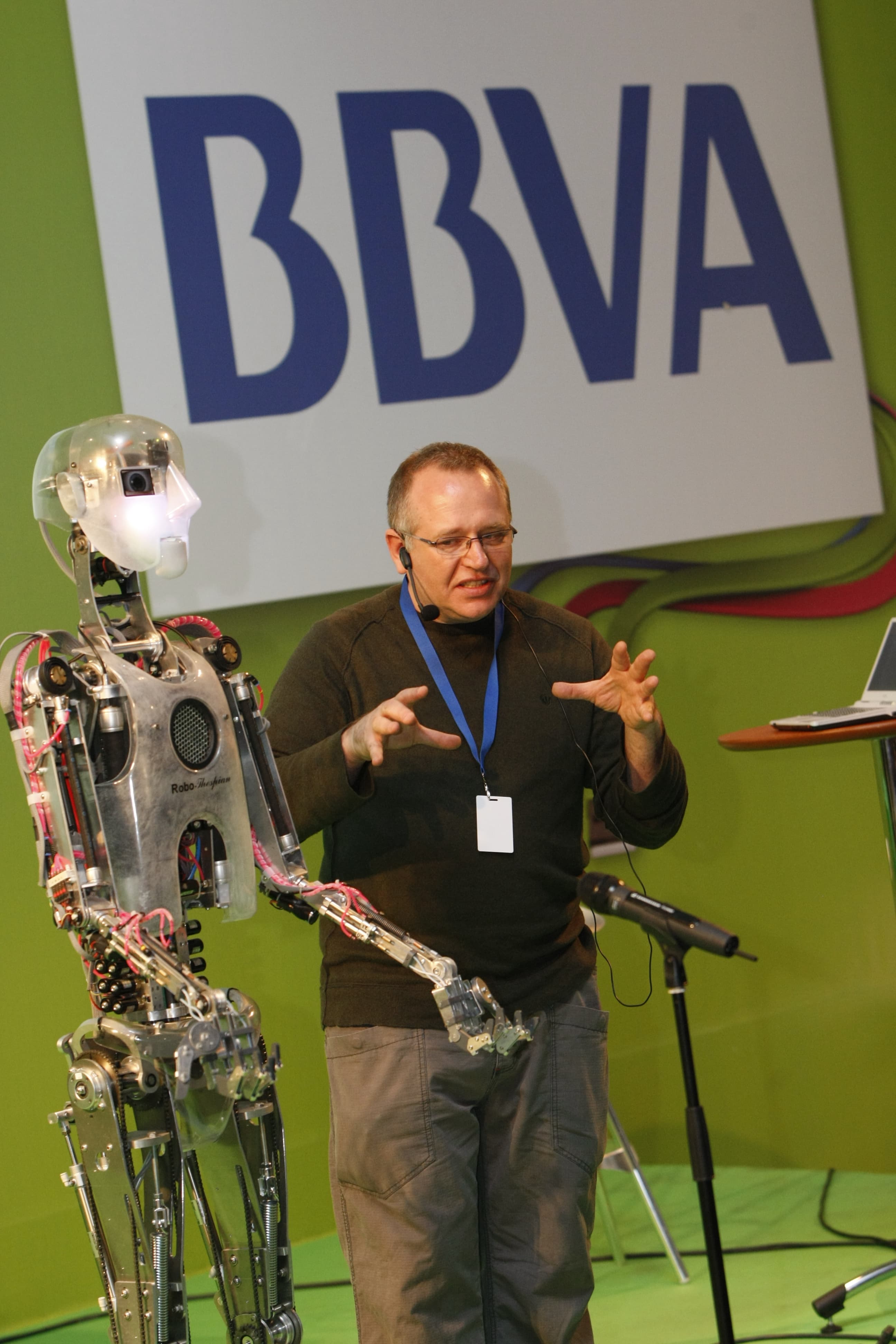
Full-size interactive animatronic humanoid (175 cm, over 30 motion axes) on a fixed base, speaking 30+ languages through Tritium OS; sold to science centres worldwide. Indicative price.
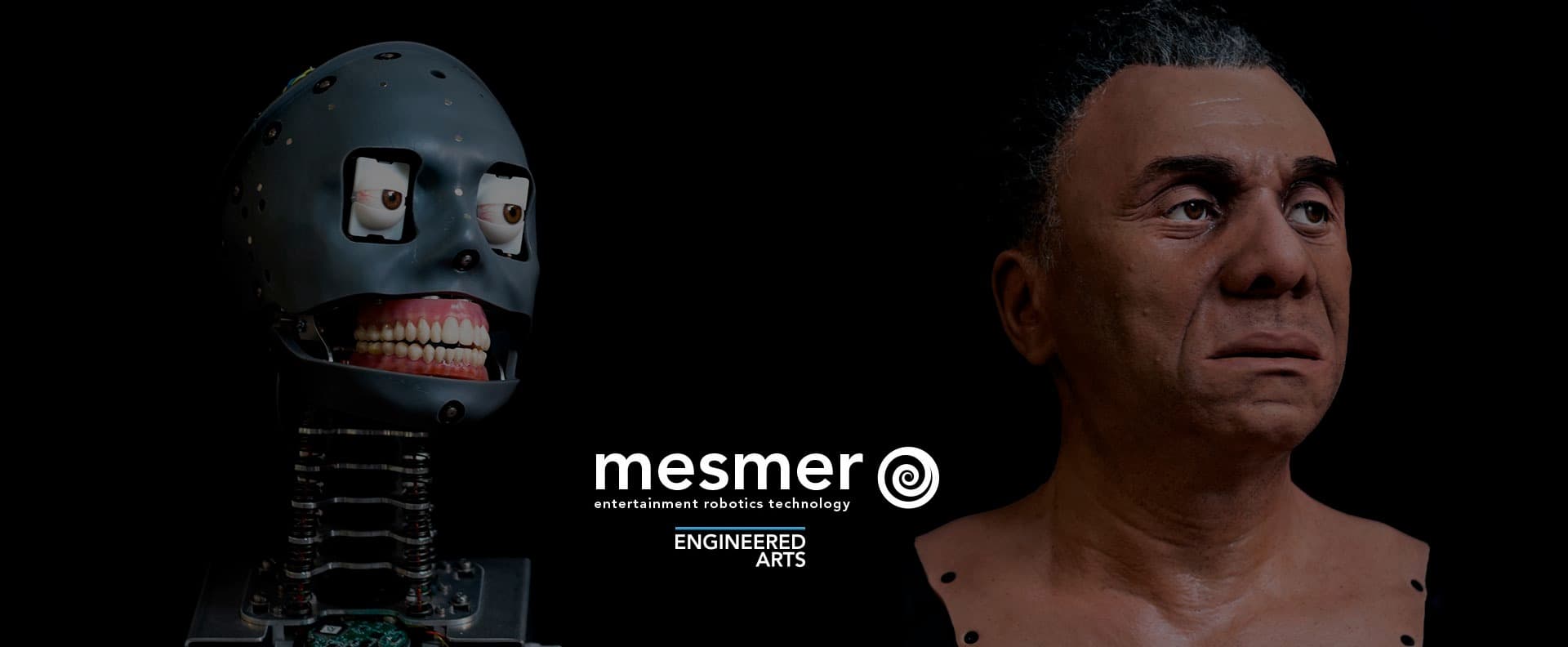
Full-body humanoid with silicone skin modelled from 3D scans of real people and an articulated vertebral neck, focused on photorealistic facial expression; made to order. Emerging technology.
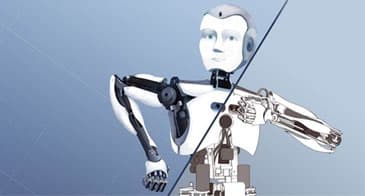
Full-size dynamic bipedal humanoid in development (4th iteration), with biologically analogous legs and a biarticular hip-knee linkage for walking, running and jumping, plus a projection-display head; prototype not for sale. Emerging technology.
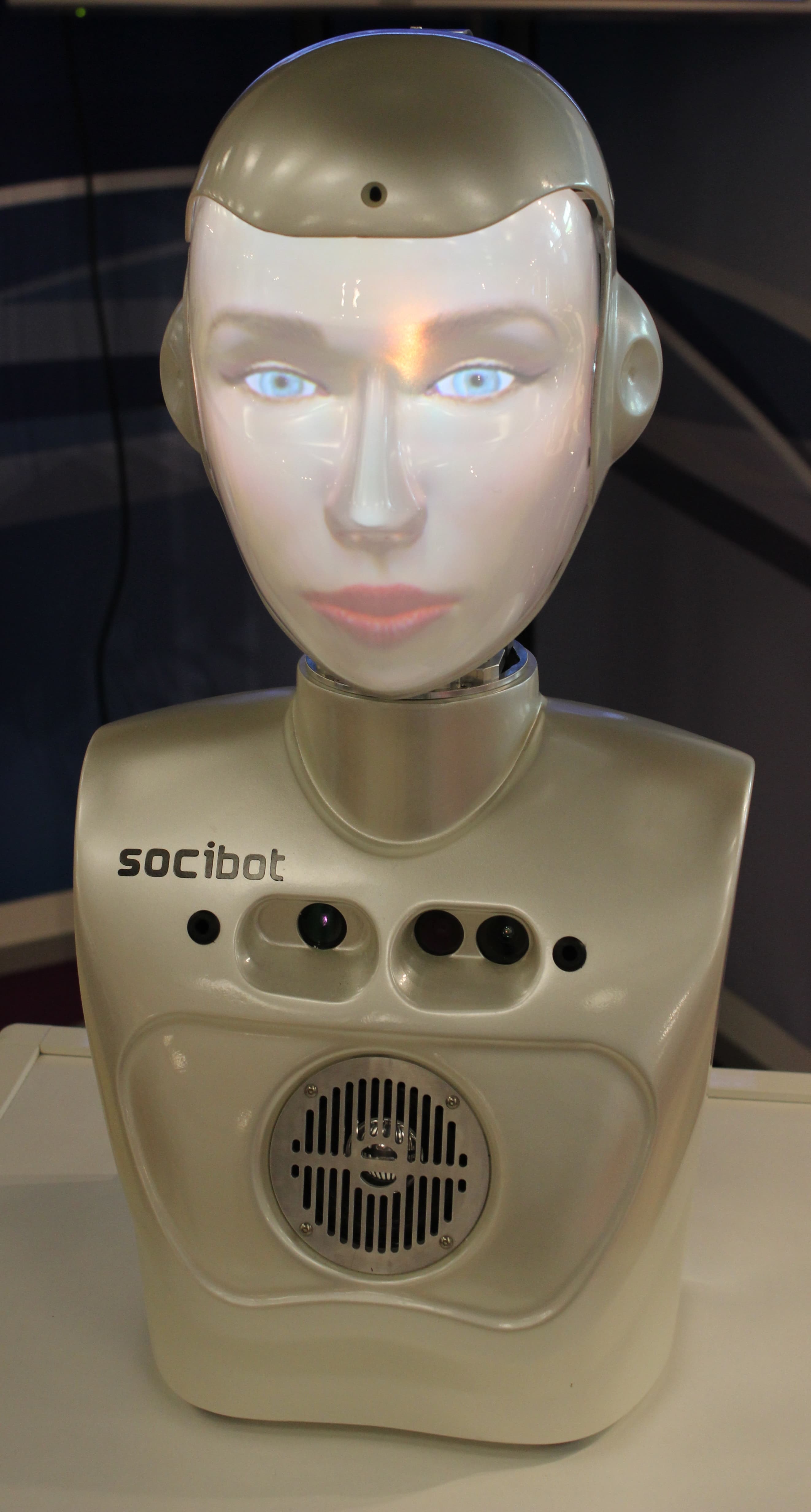
Fixed-torso social robot with a projected face and non-functional arms (Kiosk version with touchscreen and a 1.2 m base); static, designed for conversational interaction. Available in the catalogue.
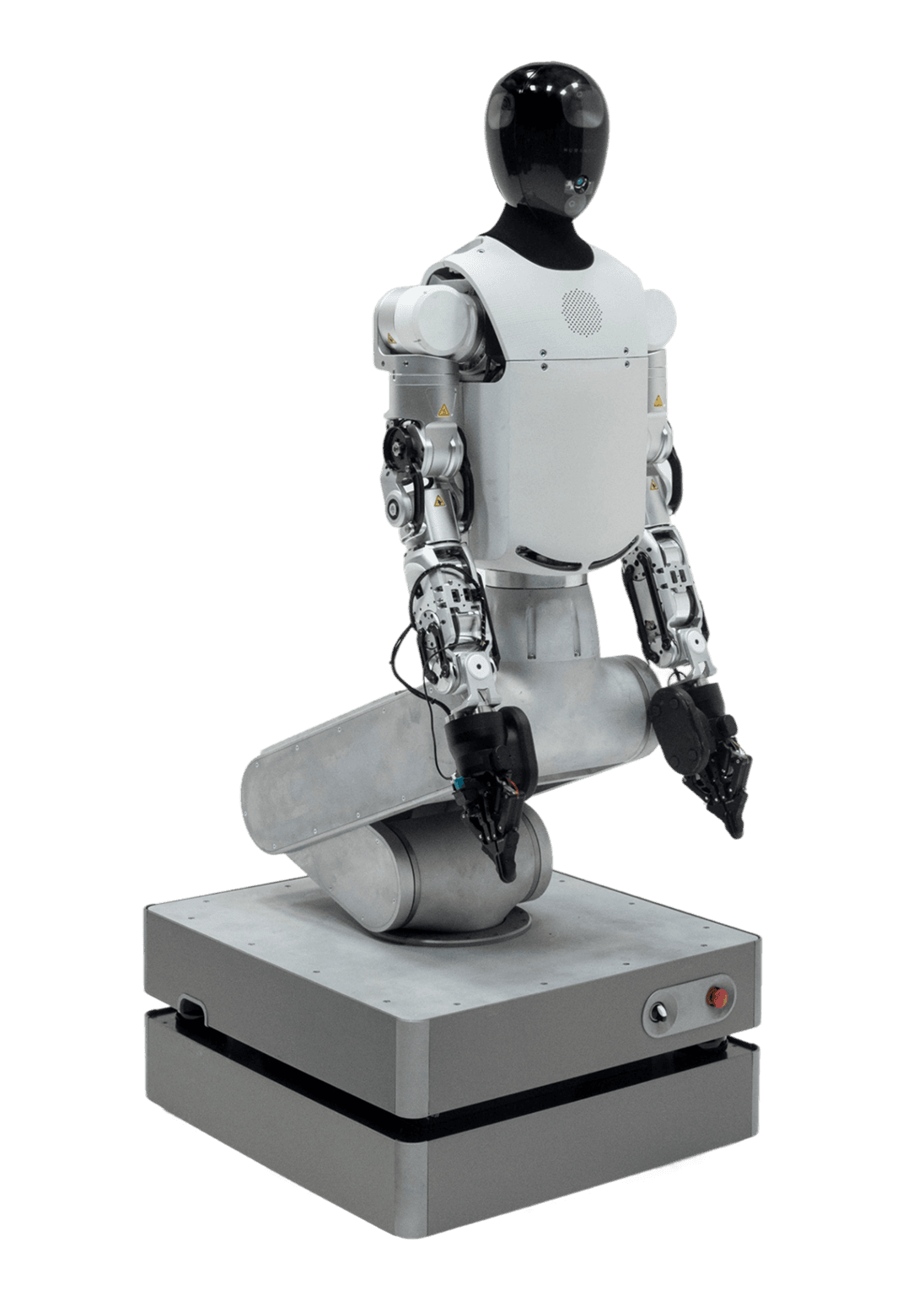
Humanoid mobile manipulator on a wheeled base (220 cm, 29 DOF, 15 kg payload using both arms, up to 7.2 km/h), with 5-finger 12-DOF hands or grippers; tested in POCs at Siemens and Ford, not for sale. Emerging technology.
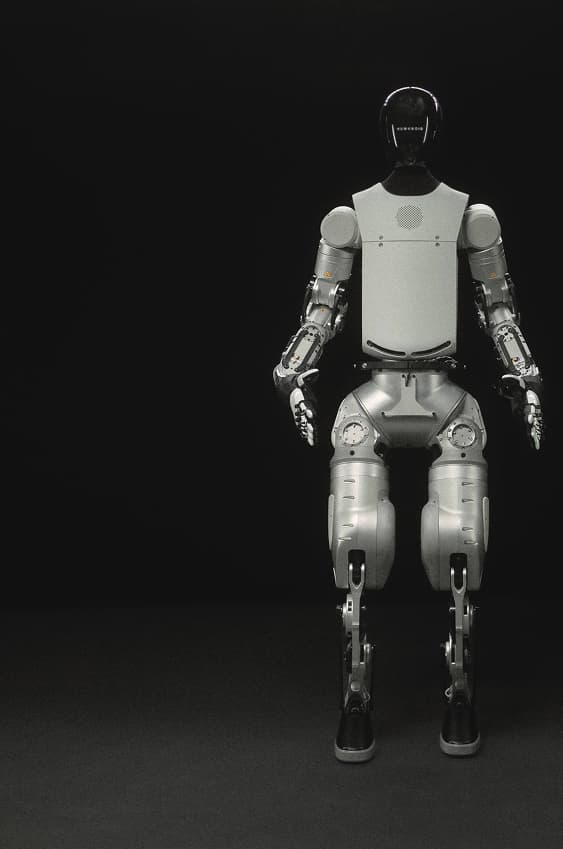
Bipedal humanoid (179 cm, 90 kg, 29 DOF, 15 kg payload, 1.5 m/s), capable of omnidirectional walking, squatting, jumping and push recovery, built in 5 months and stable after 2 days of training; prototype not for sale. Emerging technology.
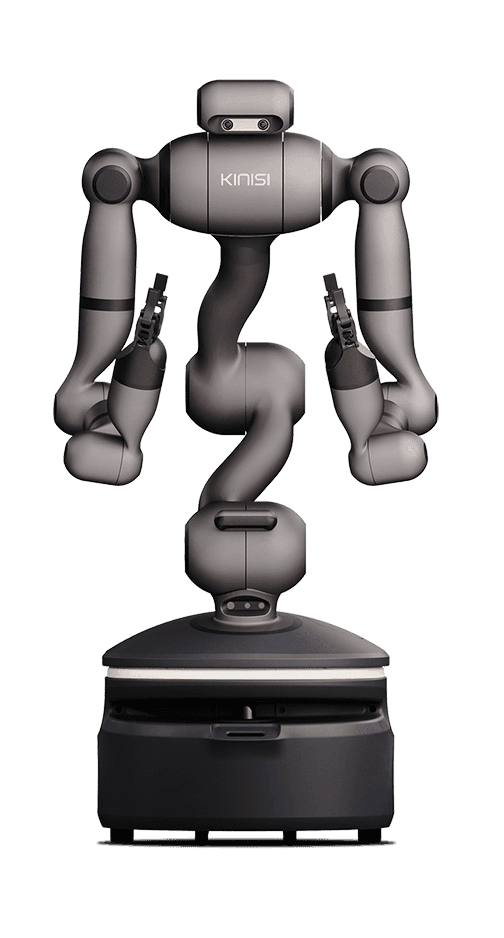
Dual-arm humanoid on a wheeled base (10 kg payload, up to 2.4 m/s, 8 h runtime with hot-swappable batteries), using learning from demonstration; first live deployment in a glass-recycling plant, not yet on general sale. Emerging technology.
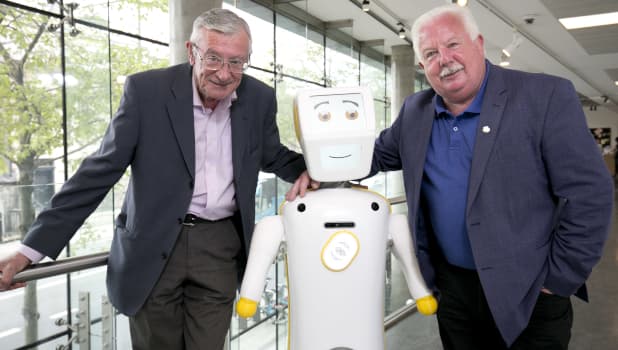
Socially assistive humanoid robot (around 152 cm, screen head + moving arms) on a three-wheel base, with laser/depth/tactile sensors, a Trinity College Dublin spin-out; research prototype, not commercialised. Emerging technology. Indicative price.
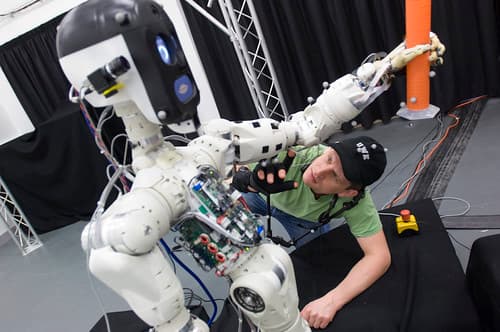
Research humanoid (Bristol Elumotion Robot Torso 2): a 4-joint torso with 2 arms and grasping hands, an expressive digital face and sensitive artificial skin, on a fixed base; academic platform not for sale. Emerging technology.
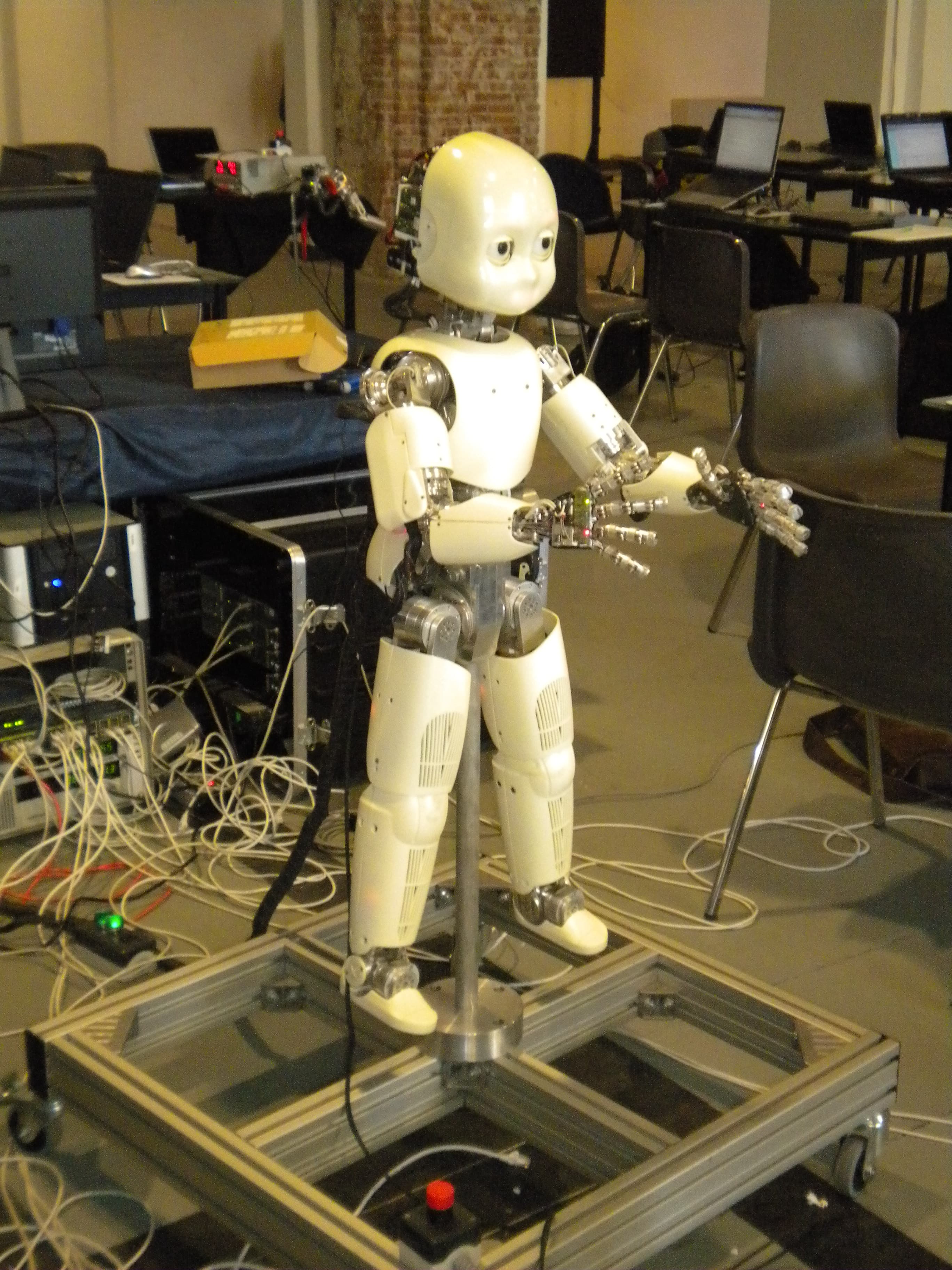
Child-size humanoid, ~104 cm, with 53 DOF (38 for the torso/arms/hands) and ~1.5 kg payload per hand; mature research platform distributed to dozens of institutes worldwide.
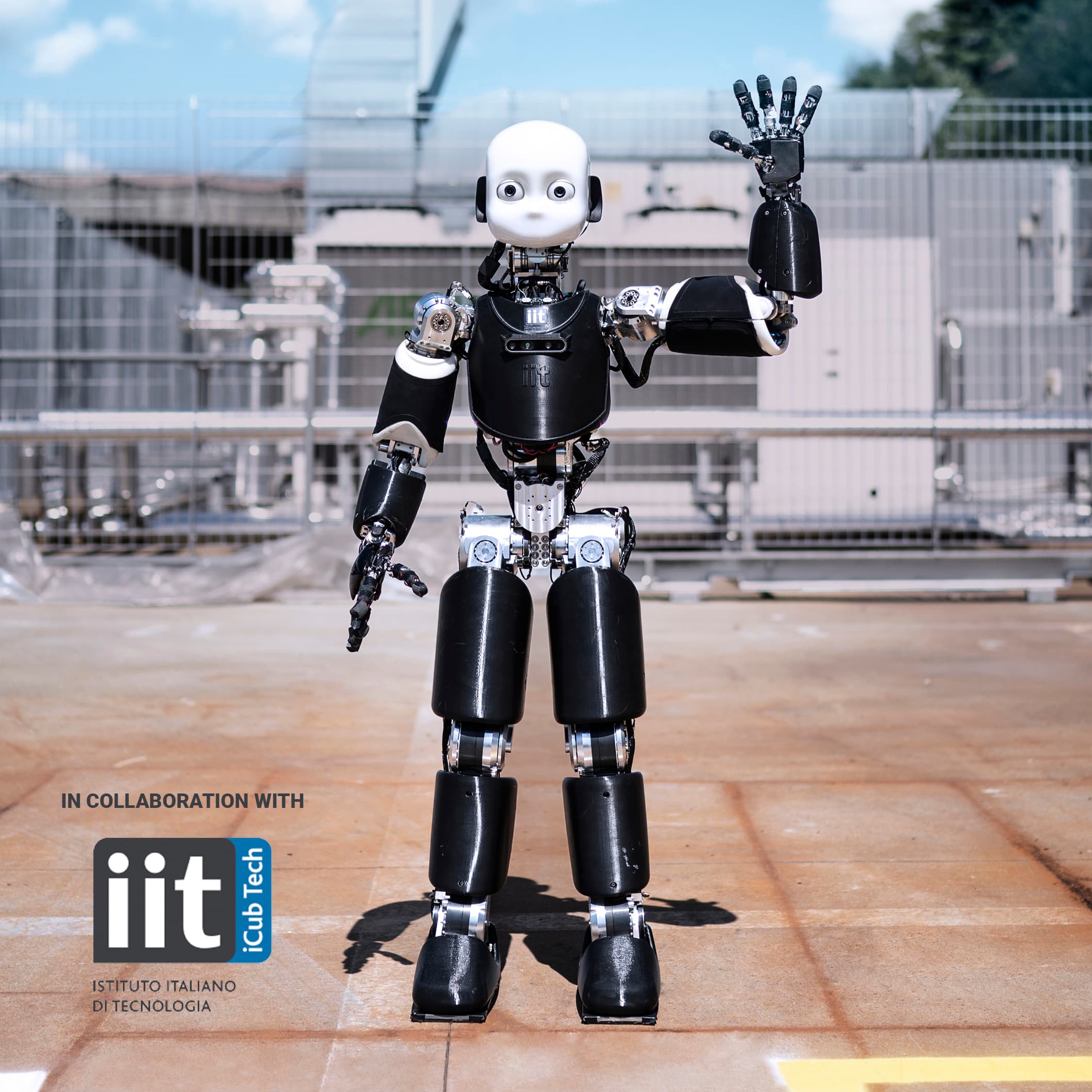
Full-scale evolution of iCub, 125 cm, ~52 kg, 54 DOF, used as an avatar system for immersive teleoperation; research platform. Emerging technology.
Compliant humanoid, 95 cm and ~31 kg, with 23 DOF and series-elastic actuators; first full-body humanoid to combine torque sensing and passive compliance. Emerging technology.
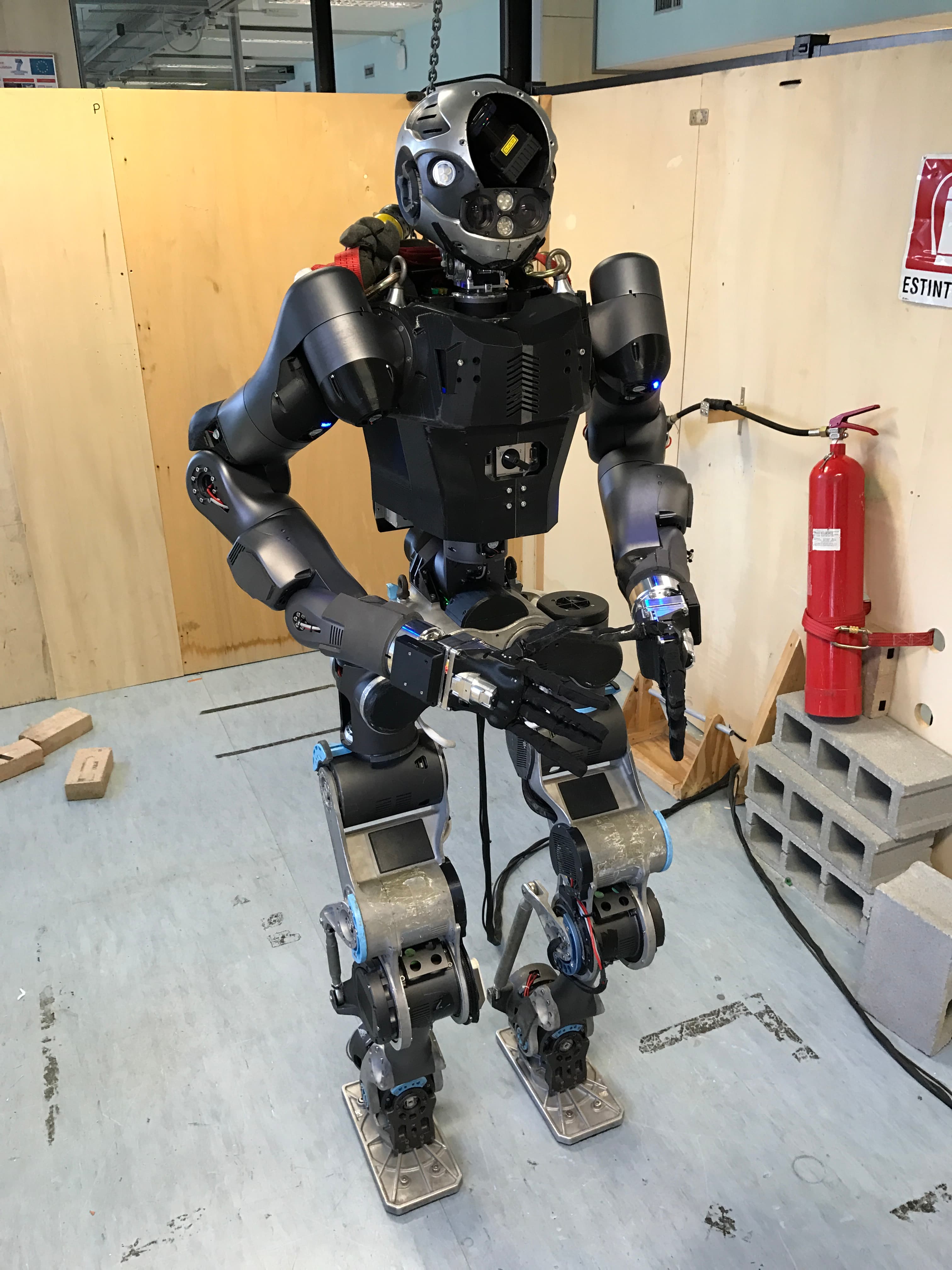
Full-size humanoid, 185 cm and 102 kg, with 33 DOF, 19 DOF hands, 10 kg payload per arm and ~2 h runtime; research platform for disaster response (DARPA Robotics Challenge). Emerging technology.
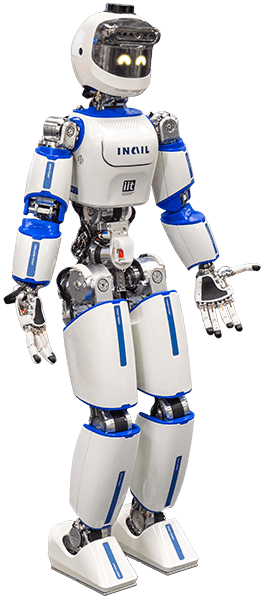
Humanoid, 150 cm and 55.7 kg, with 54 DOF and ~10 kg payload, designed with INAIL to reduce ergonomic risk in warehouses; research platform. Emerging technology.
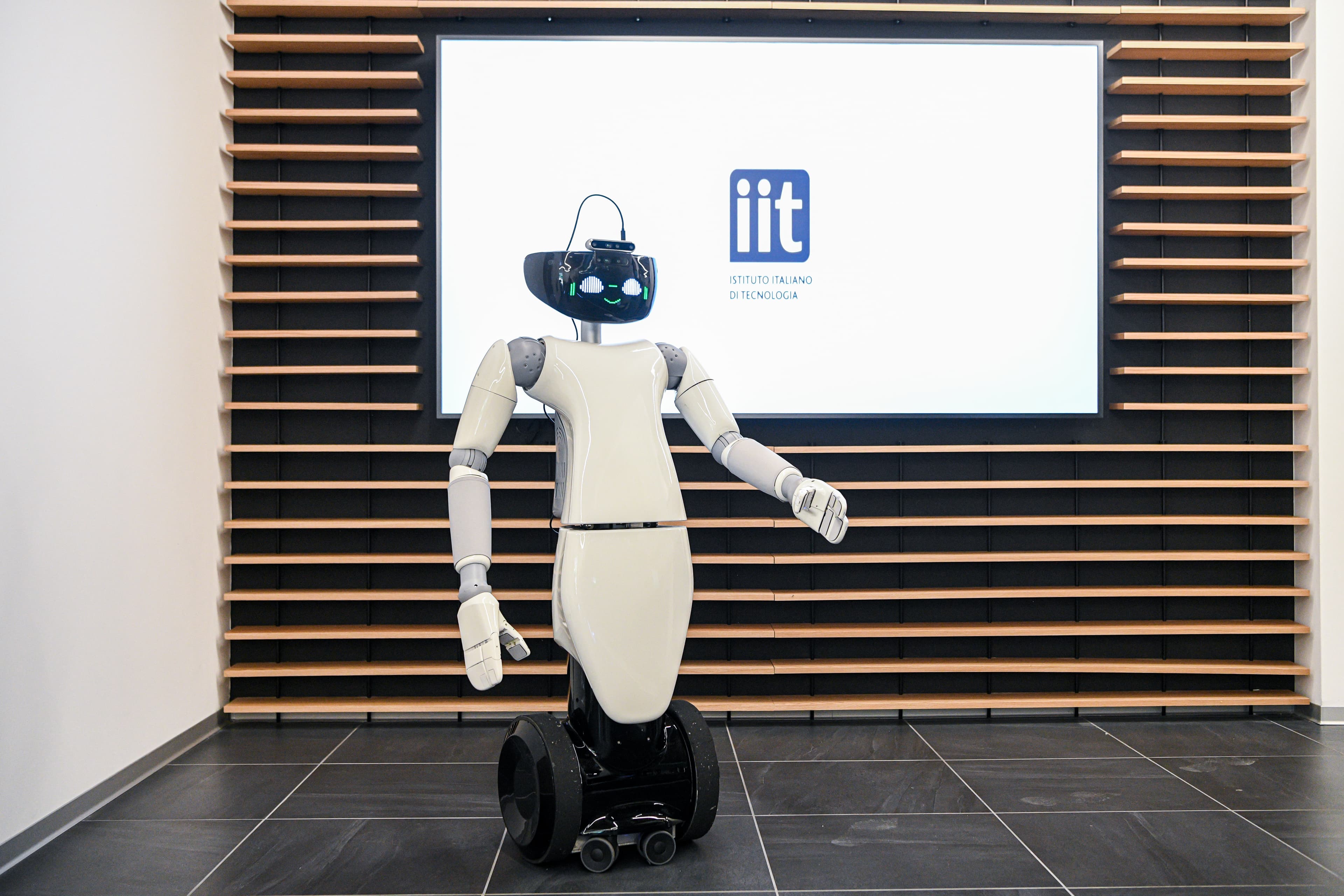
Service humanoid on a wheeled base, 125 cm (extendable torso, 115-145 cm), ~50 kg, glove-like hands with ~1.5 kg payload, designed as an affordable service robot. Emerging technology.
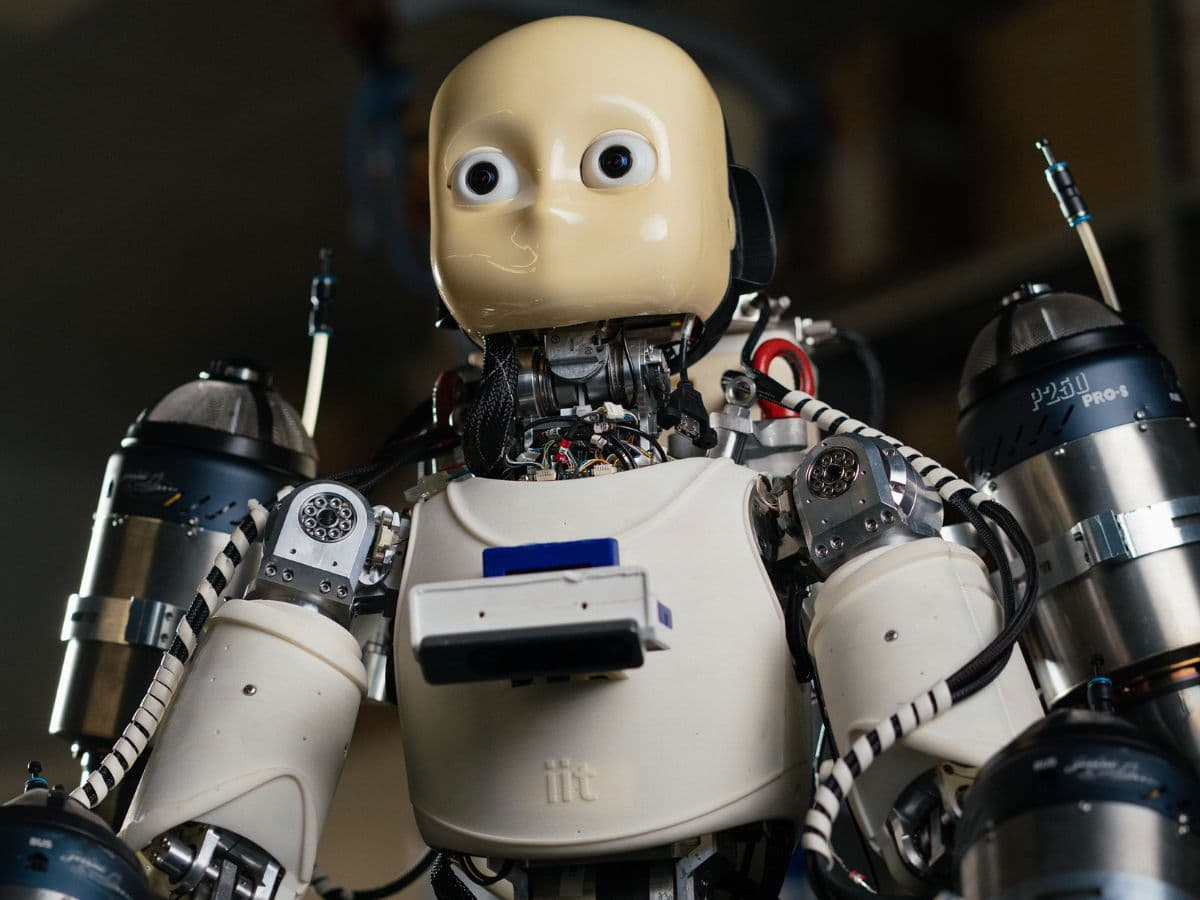
Jet-powered flying humanoid based on iCub, ~100 cm (~70 kg with engines), with 4 turbines (>1000N thrust) on the arms and jetpack; the world's first humanoid to take off. Emerging technology.
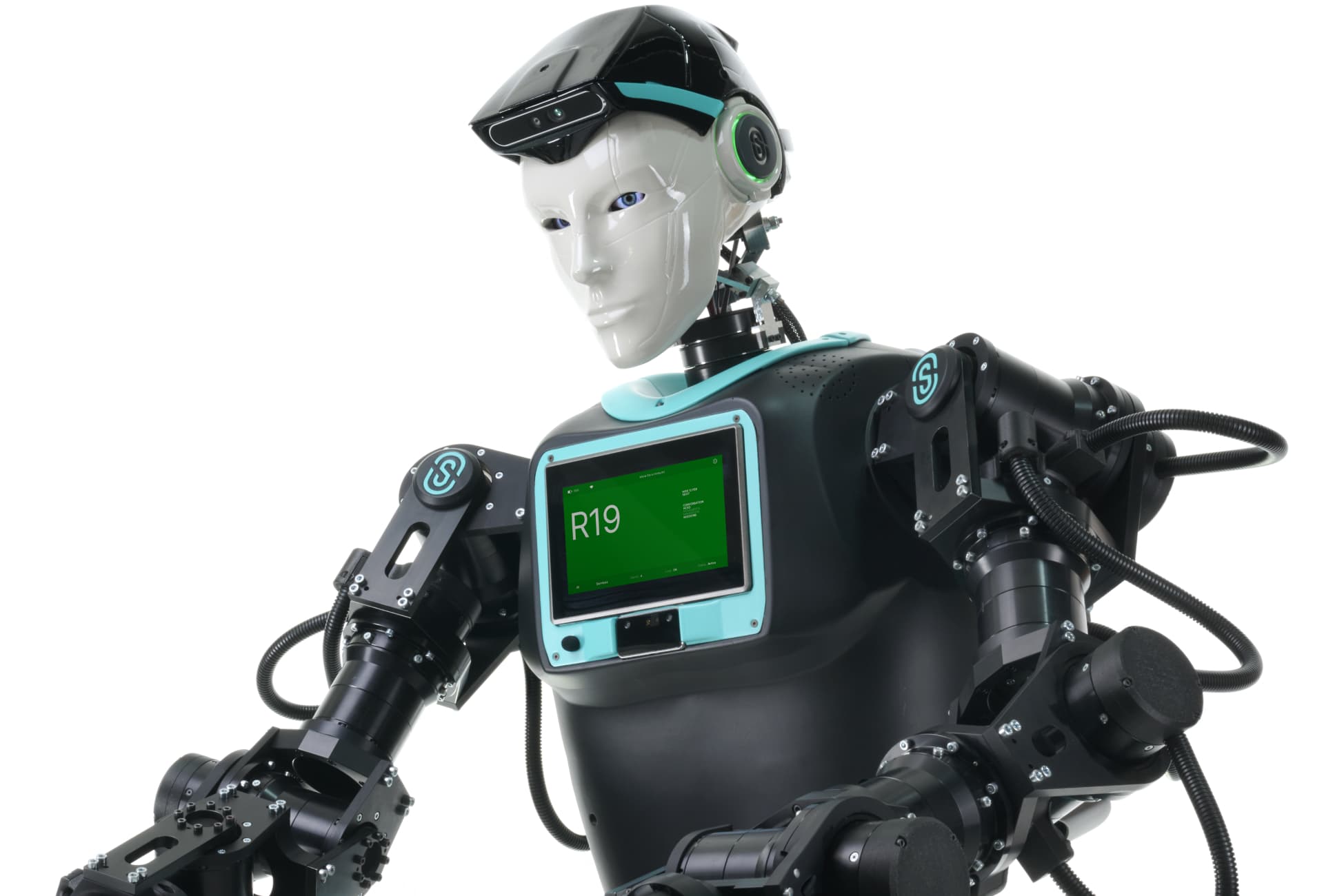
Italian cognitive humanoid, 175 cm and 80 kg, with 40 joints, 10 kg payload and 90 cm reach, autonomous mobility at 1.2 m/s; certified for industrial and healthcare use, already deployed (agreement with STMicroelectronics).
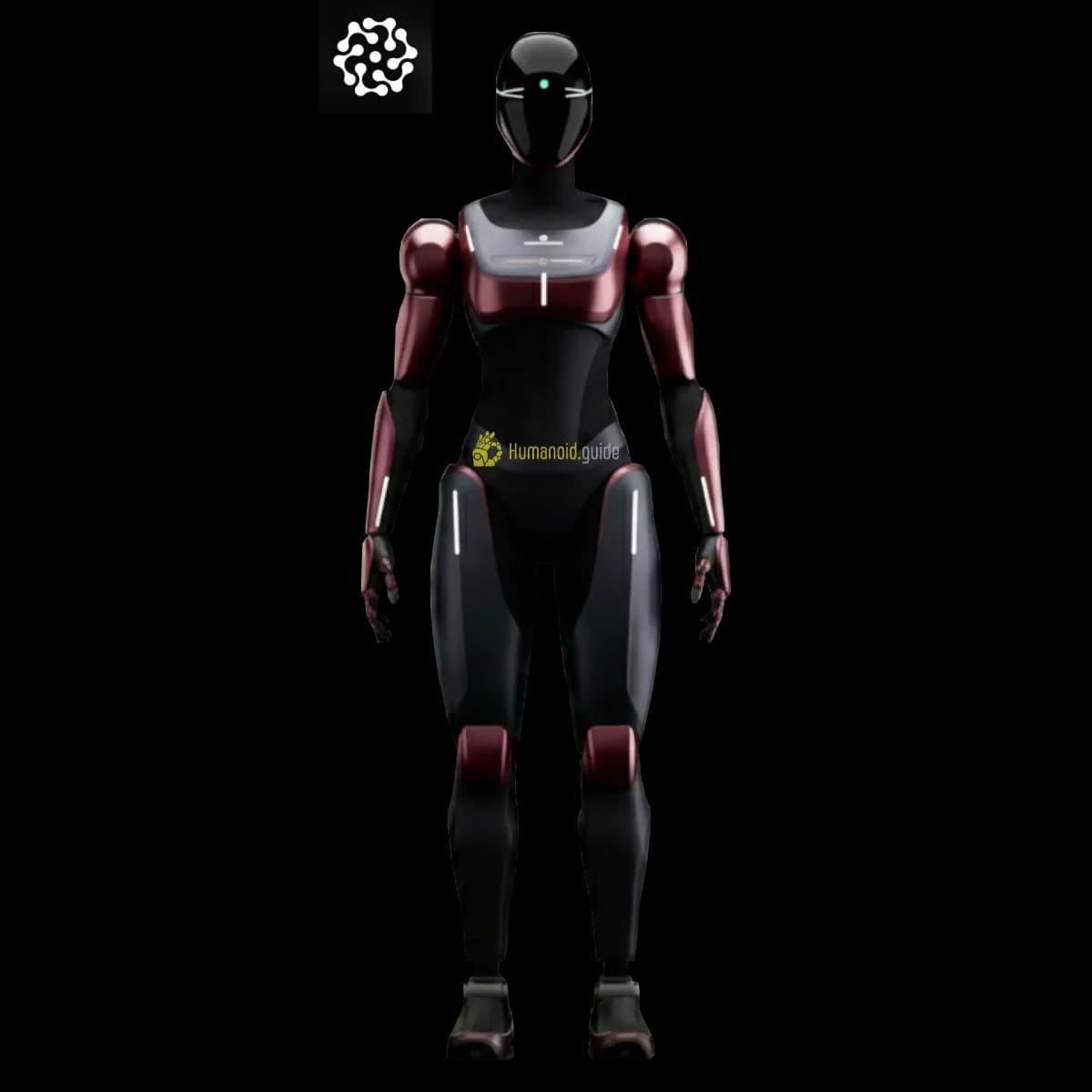
'Made in Italy' industrial humanoid from an IIT spin-out (July 2024, 70 million EUR funding round), based on iCub/ergoCub/iRonCub technologies; concept presented at CES 2026, first industrial deployments planned for 2026. Emerging technology.
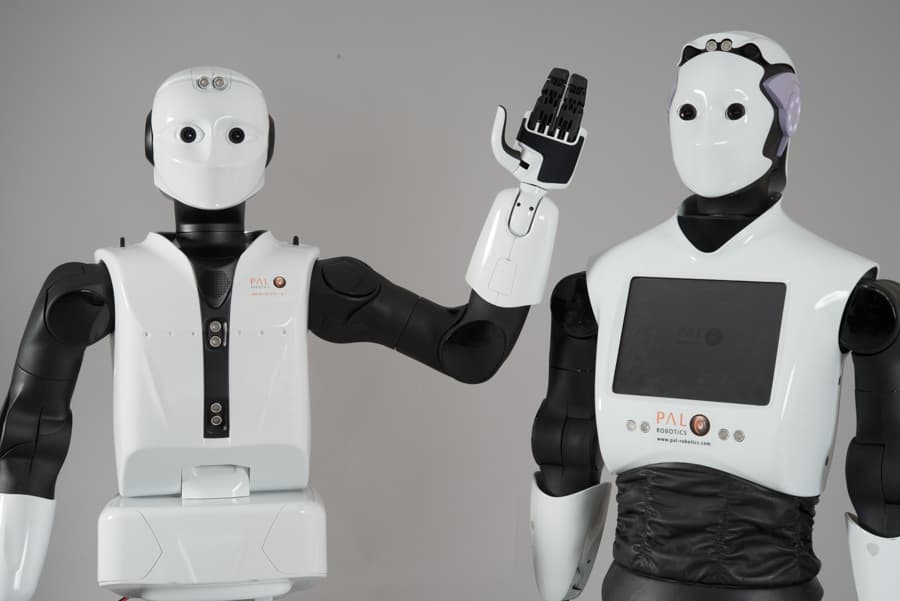
Service humanoid on a wheeled base, 170 cm and 90 kg, with 22 DOF (4 km/h), a touchscreen torso and two arms, payload up to 30 kg on its back; PAL Robotics demonstration prototype. Emerging technology.
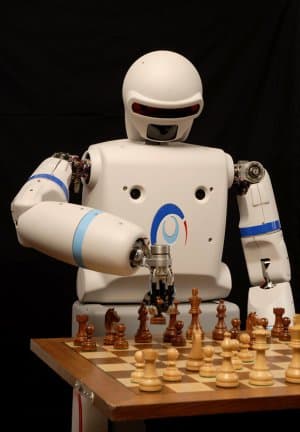
PAL Robotics' first bipedal humanoid (2005), 140 cm and 49 kg, with 30 DOF, capable of walking; research prototype, not commercialised. Emerging technology.
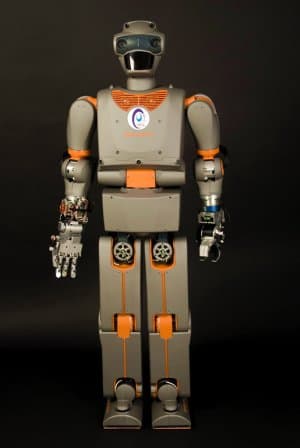
PAL Robotics bipedal humanoid (2008), 147 cm and 64 kg, with 41 DOF, capable of walking and lifting loads; research prototype, not commercialised. Emerging technology.
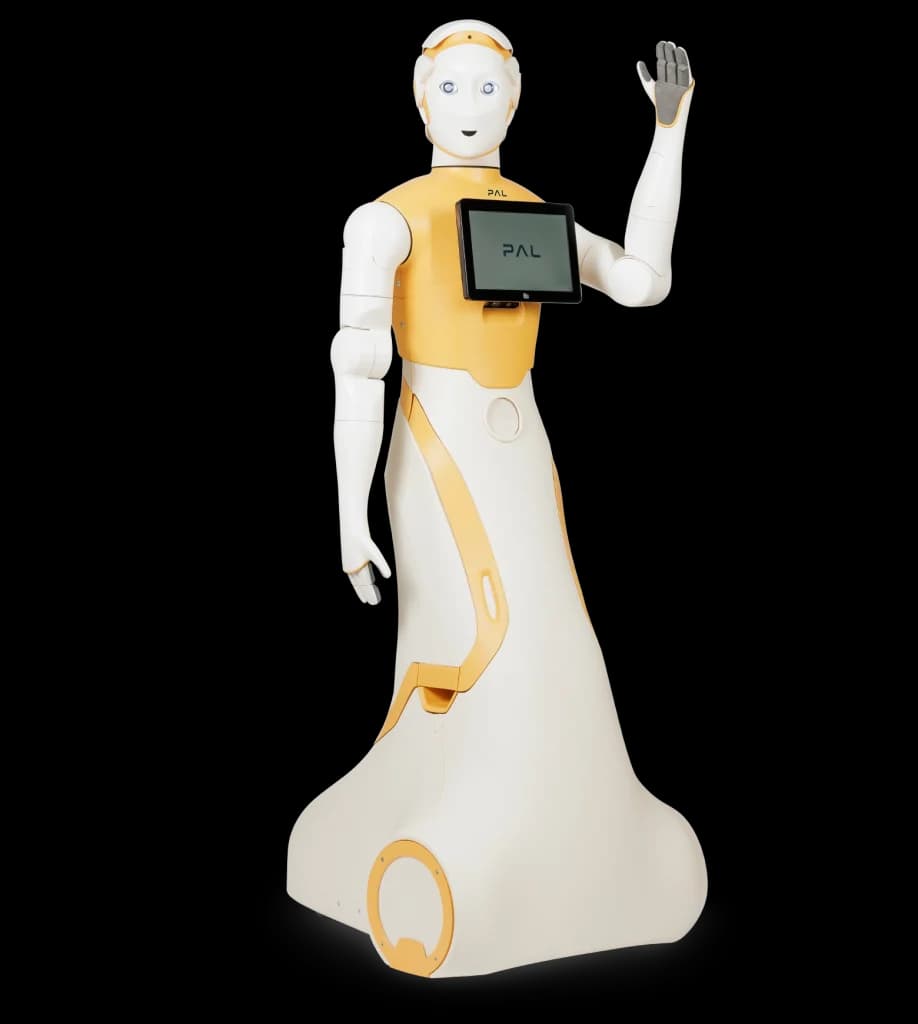
Social humanoid on a wheeled base, 165 cm, with a 10.1-inch touchscreen, voice recognition in over 30 languages and 8-12 h runtime; commercial platform for reception and HRI.
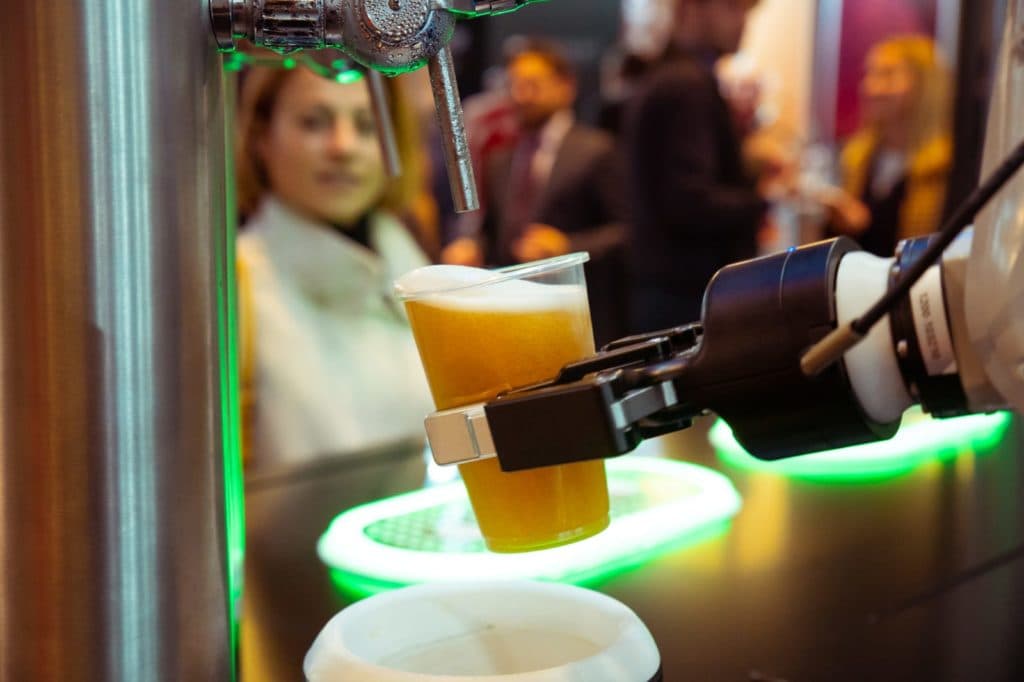
Hospitality humanoid (torso, head and articulated arms), up to 200 cm and ~80 kg, with 22 DOF, touchscreen and integrated payment, serving up to 300 drinks/hour; commercial product deployed in F&B.
The first industrial humanoid built in Greece: an autonomous mobile base with two robotic arms, dexterous fingers, cameras and voice interaction; designed as an 'industrial worker', previewed in 2026. Emerging technology.
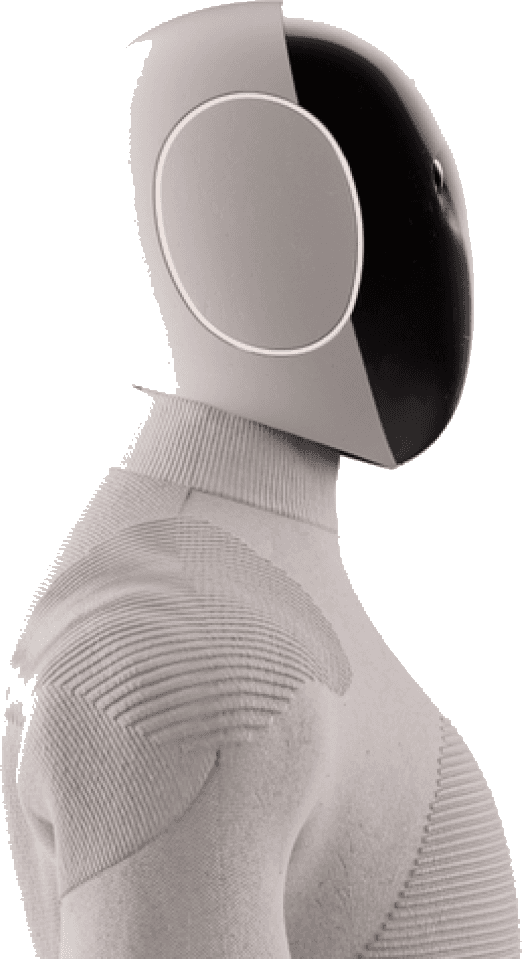
2025 R&D iteration of the bipedal NEO humanoid, 165 cm and ~30 kg, with tendon-drive actuation, soft covers and a nylon-knit suit, using a proprietary LLM for conversation; not for sale, development only. Emerging technology.
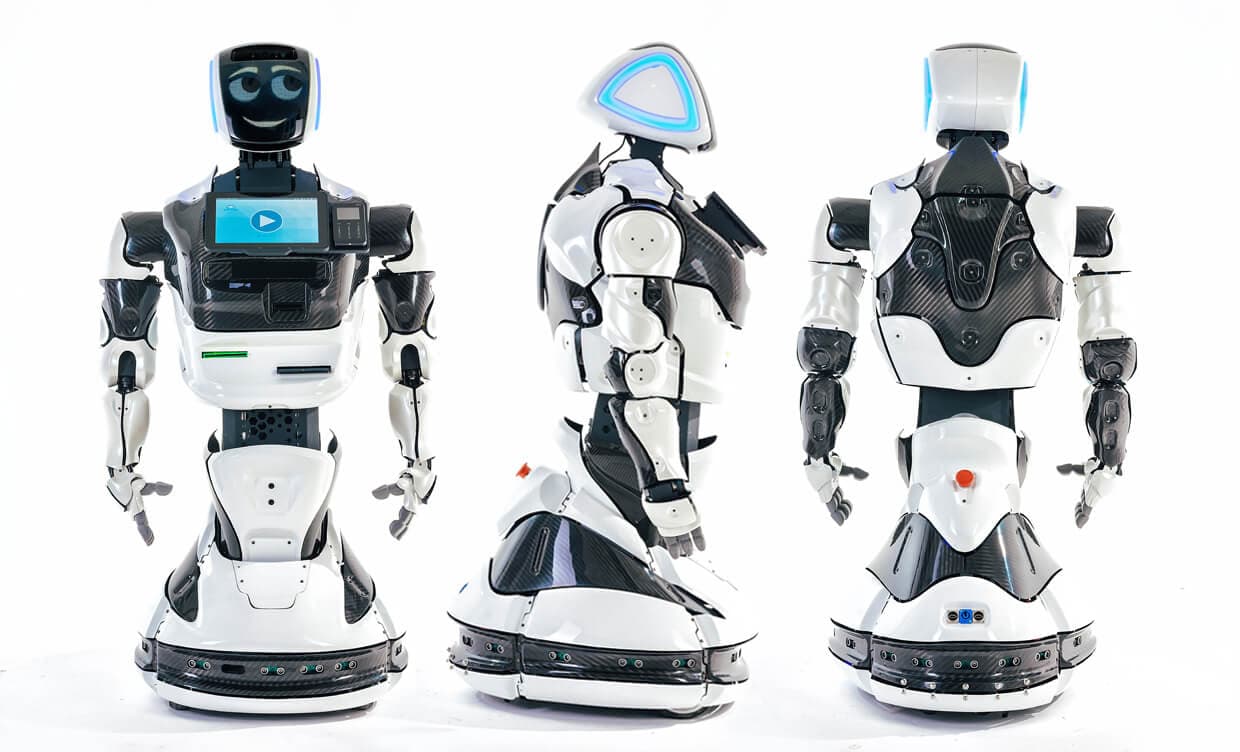
Service humanoid on a 2-wheel base, ~158 cm (extendable to 206 cm), 2 arms with 6-7 DOF, face recognition, document scanning and payments; over 800 operational units in 47 countries. Indicative price.
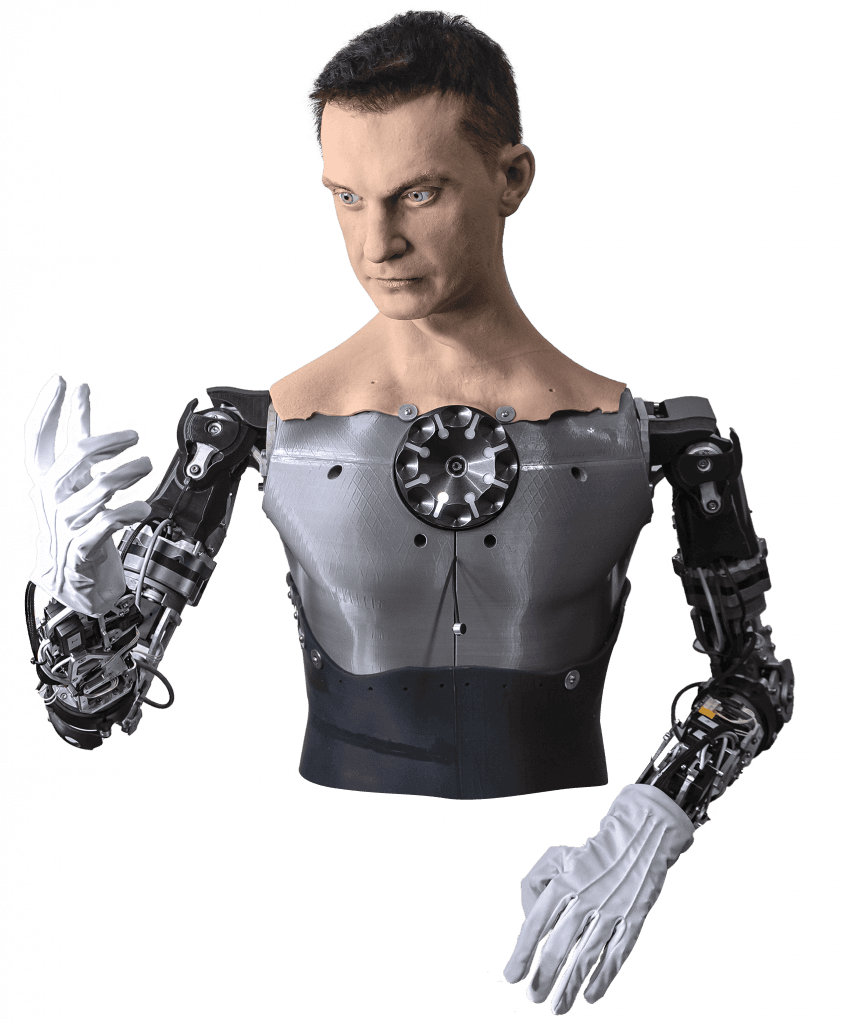
Static anthropomorphic android (does not walk) with silicone skin, 12 DOF per arm + 3 DOF for the neck + 3 DOF for the torso, ~600 facial micro-expressions and handling up to 1 kg; sold as a bespoke product. Indicative price.
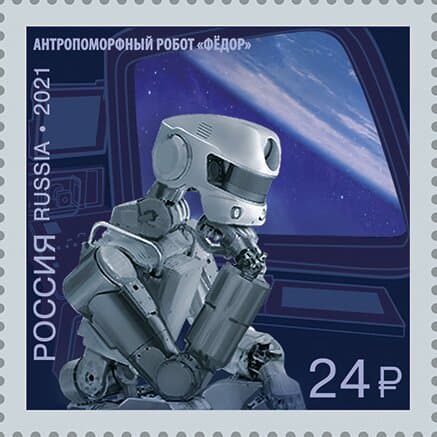
Full-size bipedal humanoid (~180 cm), developed for hostile environments; operates through teleoperation (control suit + VR) or autonomously, flew to the ISS in 2019. Emerging technology.
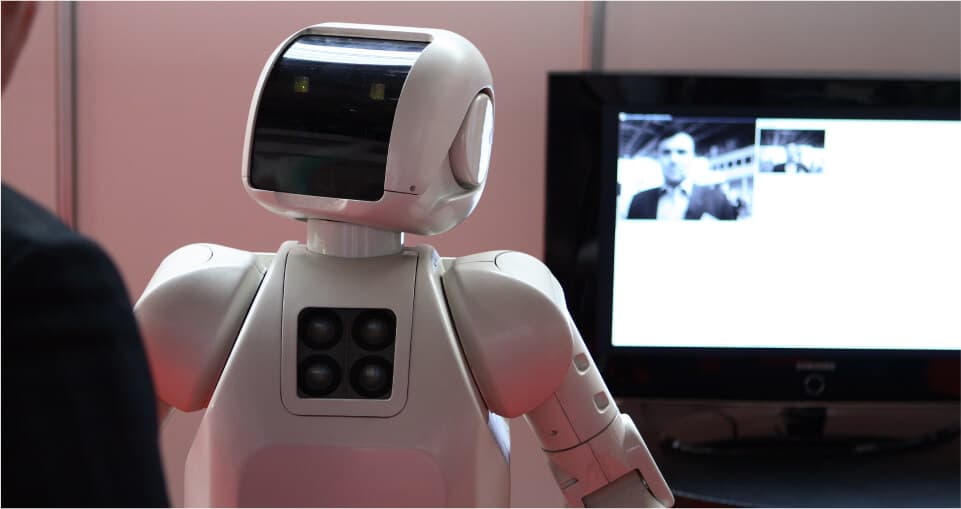
One of the first Russian full-size humanoids (147 cm, 56 kg, 36 DOF), capable of walking, talking and manipulating objects; research project unveiled in 2008. Emerging technology.
Anthropomorphic humanoid (144 cm, 65 kg, 57 DOF, of which ~41-43 are active), with a torso, head, two fingered manipulators and two legs; research platform. Emerging technology.
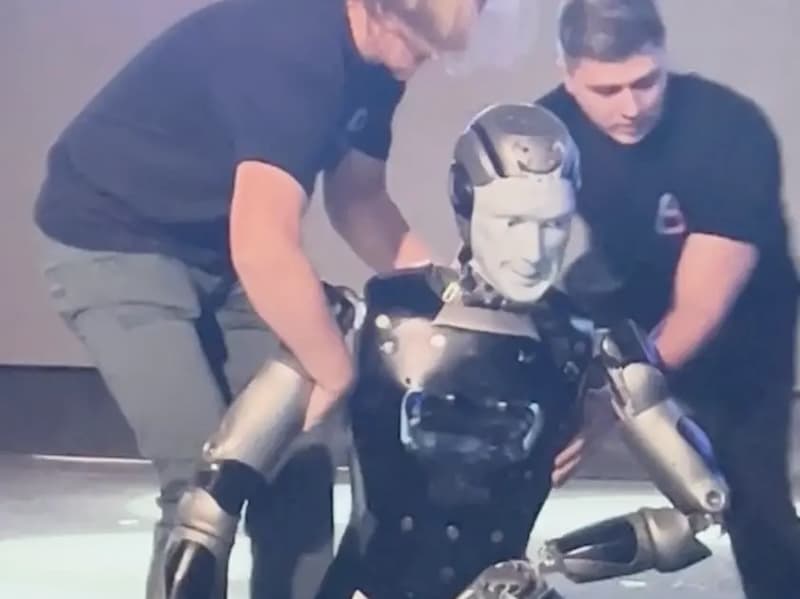
Bipedal humanoid (186 cm, 95 kg, 67 DOF), with 19 facial servomotors, 10 kg payload, 6 km/h speed and 6 h runtime, also operational offline; prototype with ~77% Russian components, debut (with a fall) in Moscow in November 2025. Emerging technology. Indicative price.
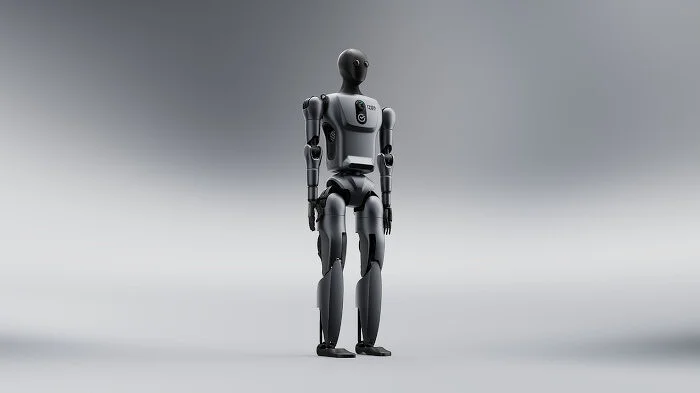
Bipedal humanoid with ~40 DOF, 5-finger hands, 10 visual sensors and IMU/force sensors for balance, driven by the GigaChat LLM; test platform presented by Sber in Moscow in November 2025, not for sale. Emerging technology.
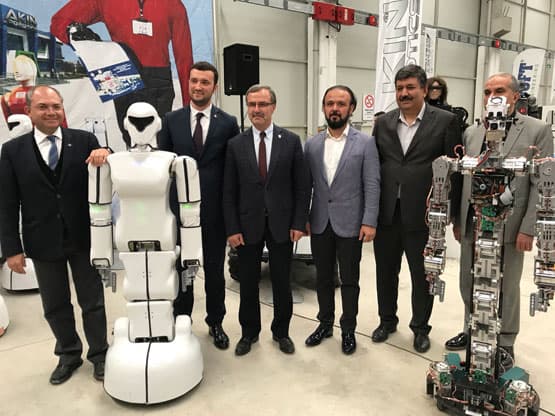
Anthropomorphic hostess robot (~165 cm, 65 kg), with articulated arms, face recognition and wheeled mobility; AKINROBOTICS' founding model, produced in the world's first humanoid factory in Konya. Emerging technology.
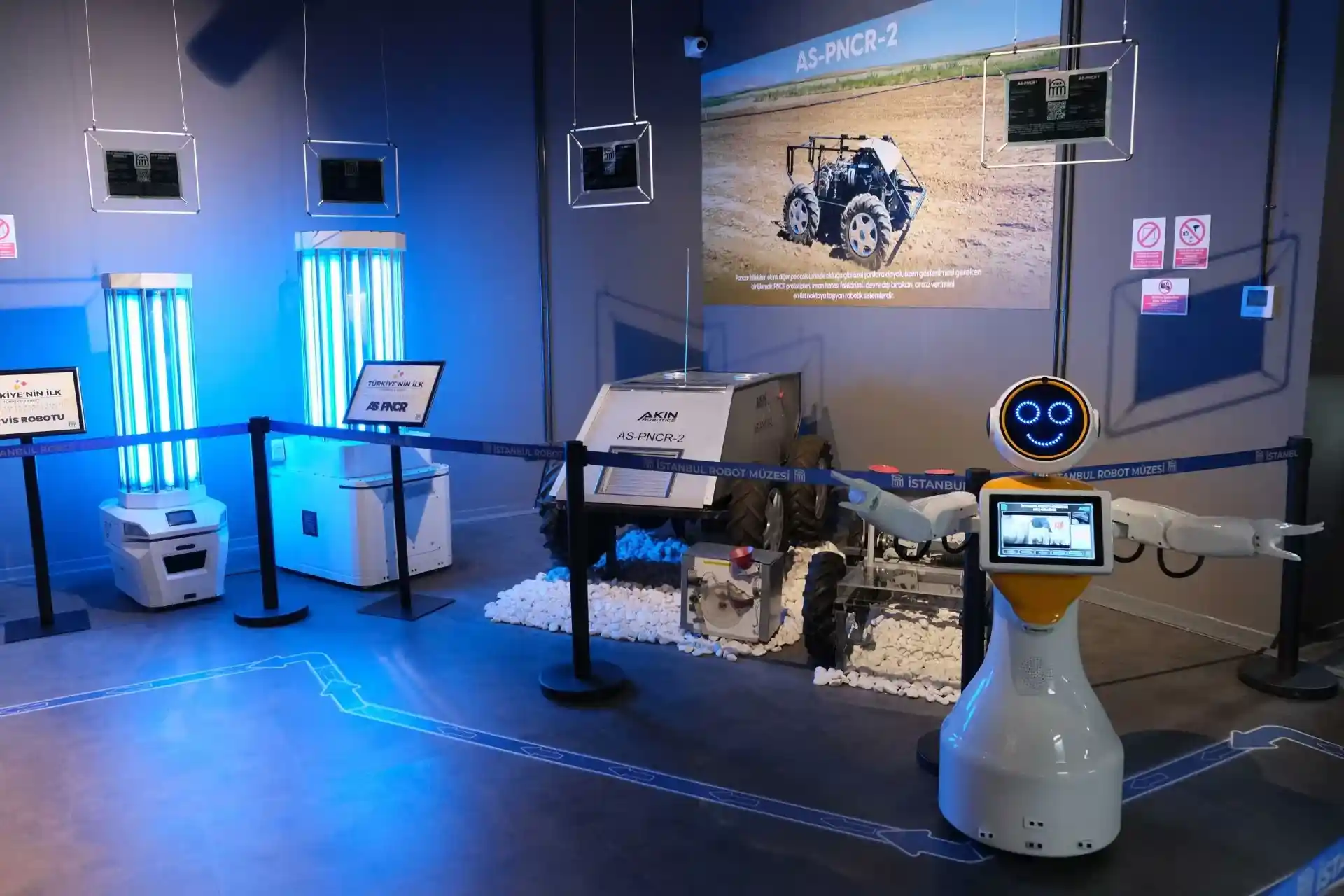
Social humanoid on a wheeled base (123 cm, 45 kg), with 3-axis arms, 2 lidars for autonomous navigation, impact/fall sensors and multilingual support; in service at Istanbul Airport and in series production.
Wheeled social humanoid with 360-degree rotation (0.6 m/s), a grasping 4-axis arm, animated LED face, autonomous navigation using lidar and depth cameras, and AI responses in 15 languages; service-ready.
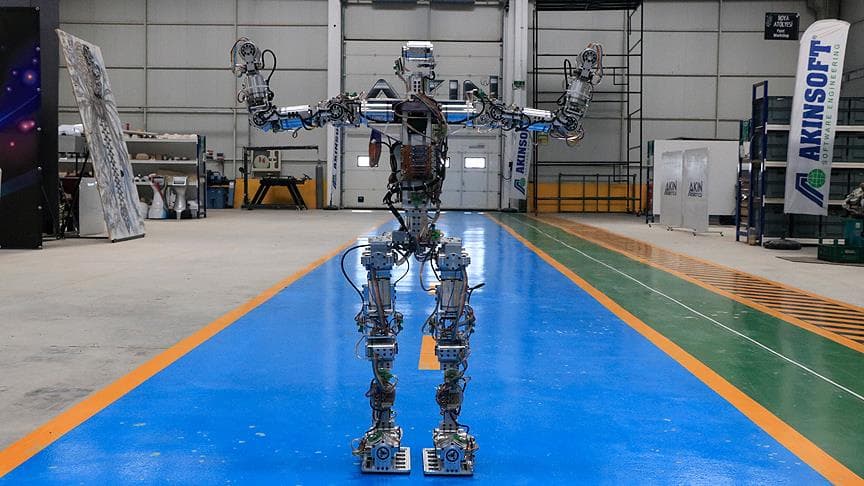
Bipedal humanoid (150 cm, 48 kg), with 2 walking 6-axis legs capable of changing direction and climbing stairs, an ergonomic 5-finger hand, 12 facial motors and ~5 h runtime; AKINCI-series prototype. Emerging technology.
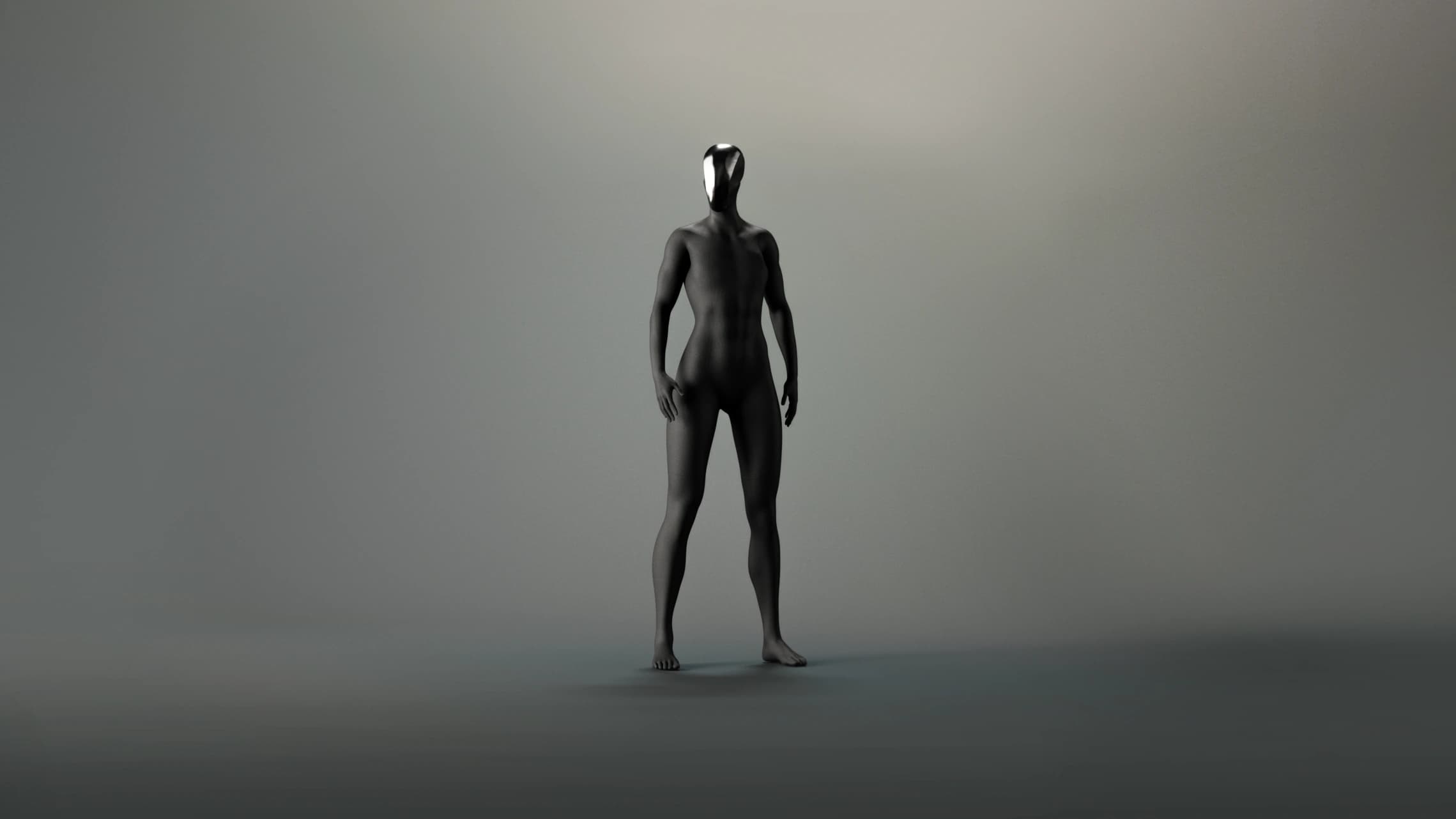
Anthropomorphic android with artificial muscles (Myofiber) and synthetic organs, designed for the home; announced for pre-order by Clone Robotics (Wroclaw), with the first ~279 units planned, not yet delivered. Emerging technology. Indicative price.
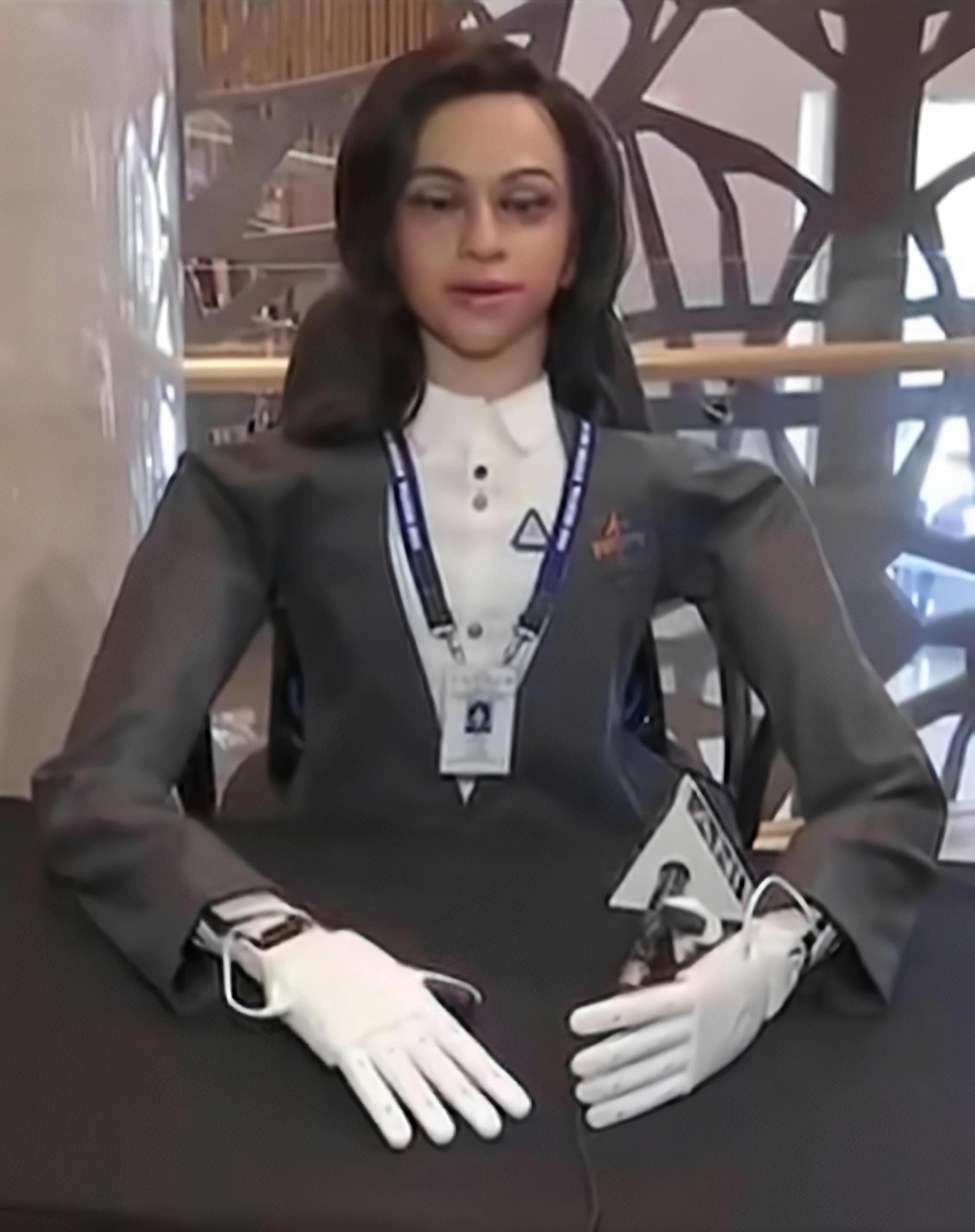
Upper-body space humanoid robot (head, torso and arms, no legs), developed by ISRO at the Vikram Sarabhai Space Centre for the Gaganyaan mission: reads displays, presses switches, operates up to 6 panels and monitors pressure/temperature/CO2. Emerging technology.

Wheeled service humanoid, 150 cm, ~50 kg, from Invento Robotics (Bangalore, founder Balaji Viswanathan): face recognition, multilingual NLP, laser-guided navigation with LIDAR/ultrasound and 10 hours runtime. Used in hospitality, retail and banking.
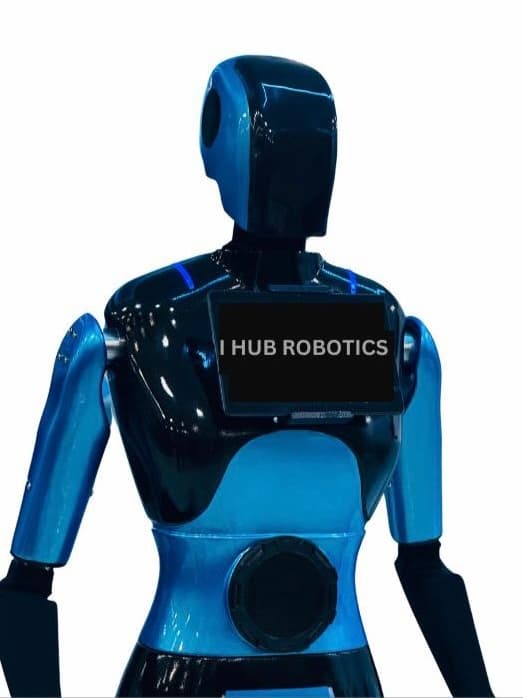
Service semi-humanoid on a mobile base, ~170 cm, ~75 kg, from iHub Robotics (Kochi, Kerala): speaks over 100 languages, autonomous SLAM navigation with obstacle avoidance over areas up to 400,000 sqft, and an LLM for conversation and emotion recognition. Indicative price.
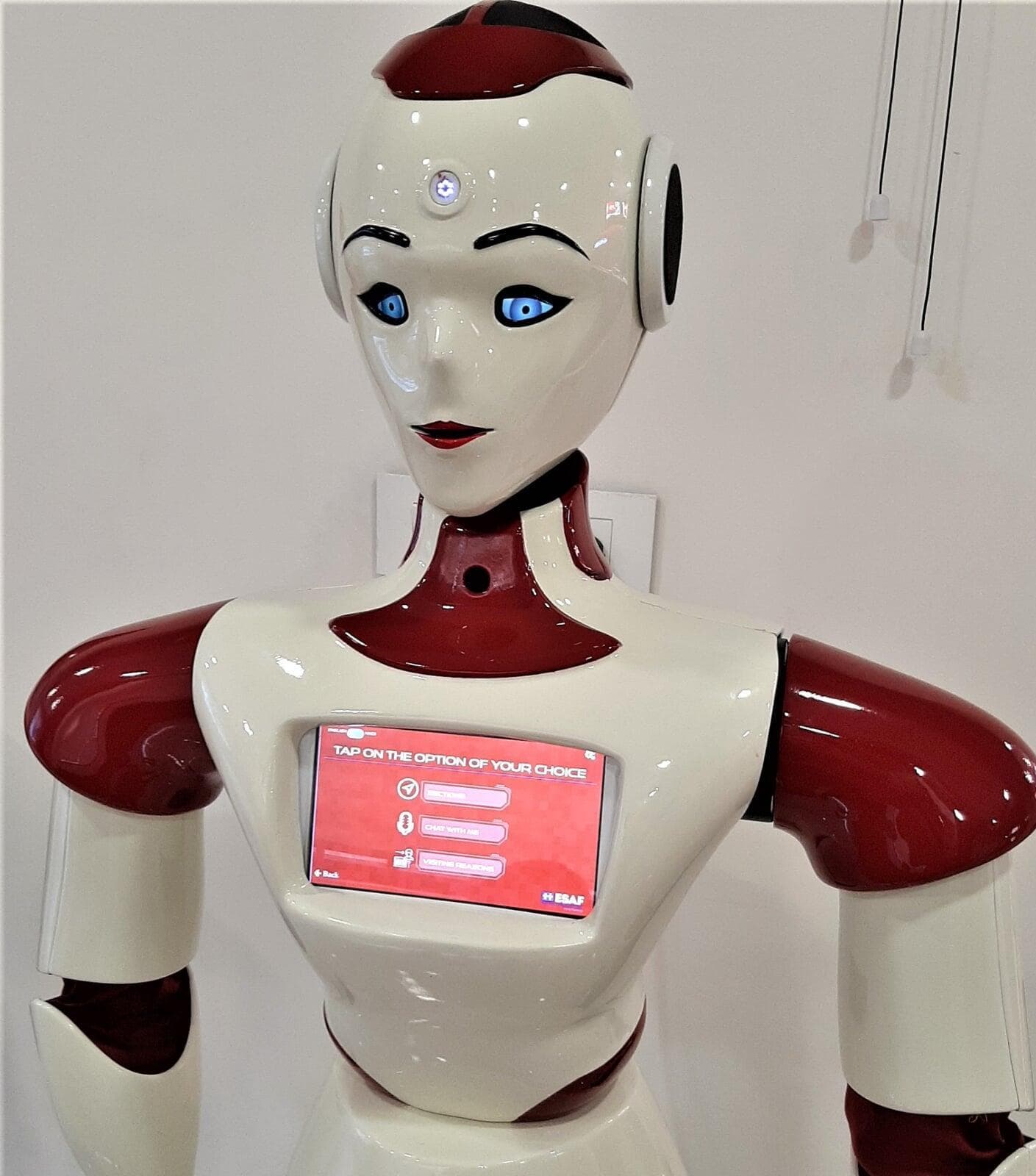
Multipurpose service humanoid platform from Asimov Robotics (Kochi, Kerala, founded in 2012, acquired by Zoho): human-like form and behaviour, customisable for hospitality, security, retail, healthcare, education and banking; the basis of the KP-Bot variant for Kerala Police.
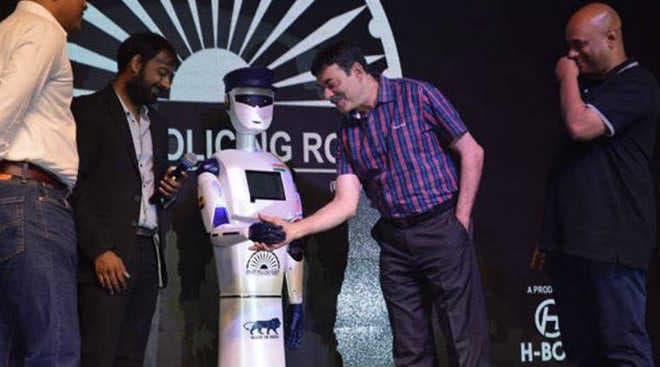
Police humanoid, ~170 cm (5'7"), ~43 kg, from H-Bots Robotics (Hyderabad): 360-degree vision, ultrasonic/proximity/temperature sensors, speaks English/Hindi/Telugu, takes complaints and identifies suspects. Emerging technology.
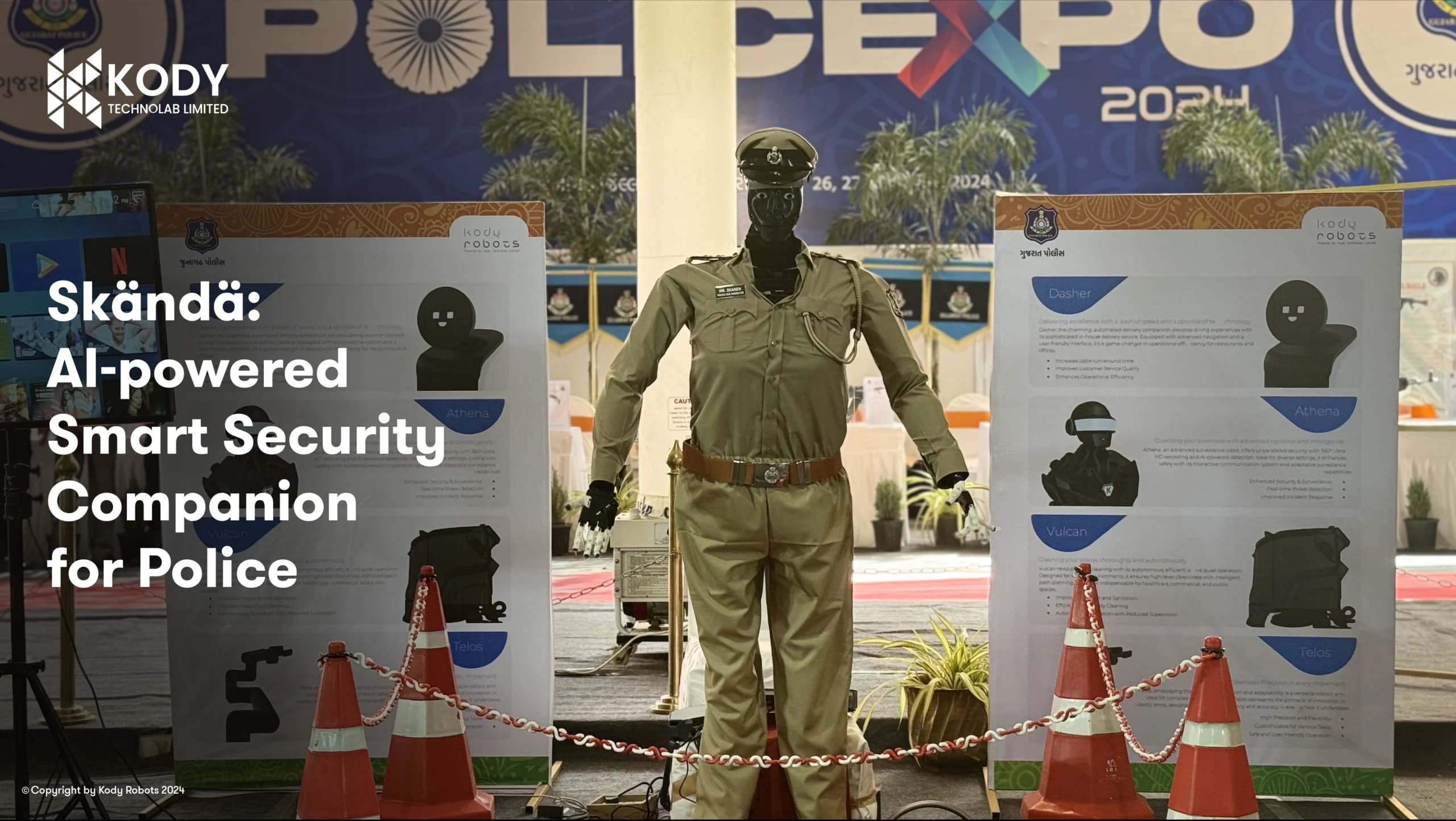
AI-powered bipedal humanoid from Kody Technolab (Ahmedabad): bipedal locomotion and human-like conversational interaction, presented at Vibrant Gujarat 2024 and Gujarat Police Expo 2024. Emerging technology.
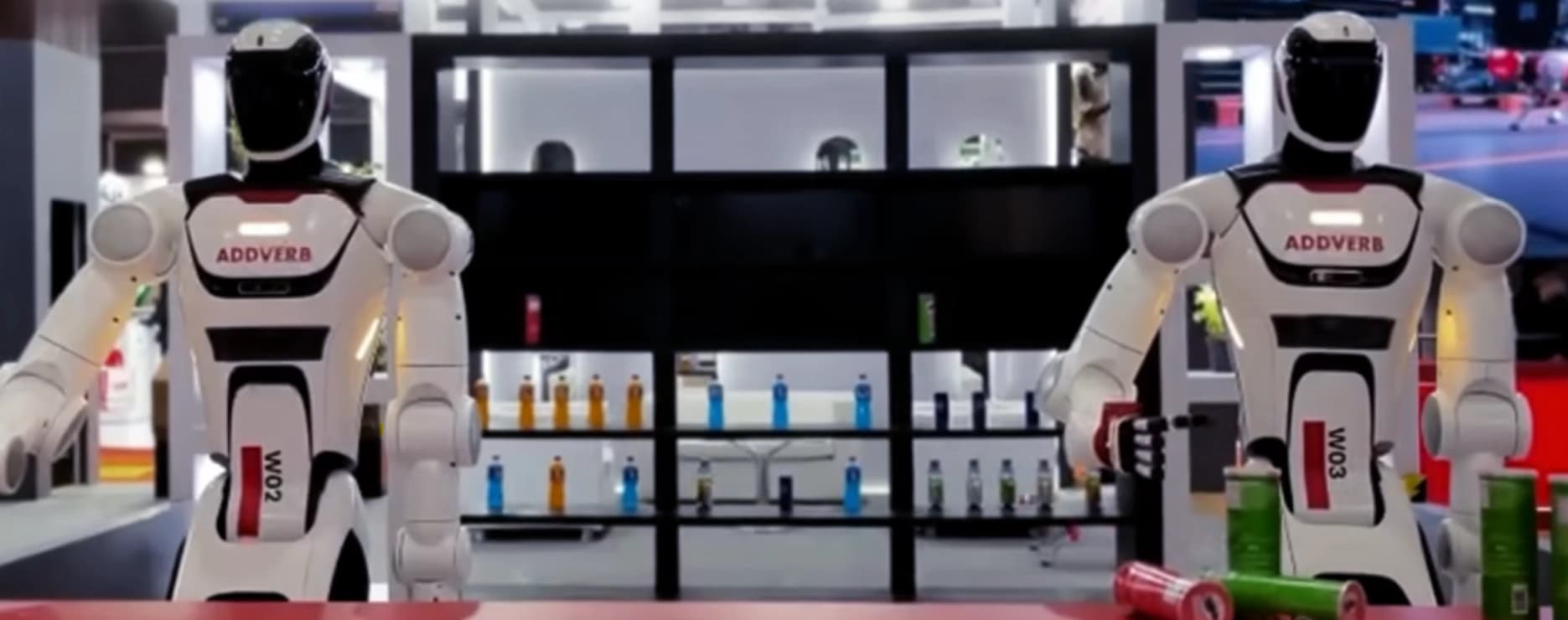
General-purpose humanoid from Addverb Technologies (Noida, backed by Reliance), announced for 2025: processes multimodal data (vision, audio, touch) with self-learning algorithms for warehouse, defence and healthcare tasks. Emerging technology.
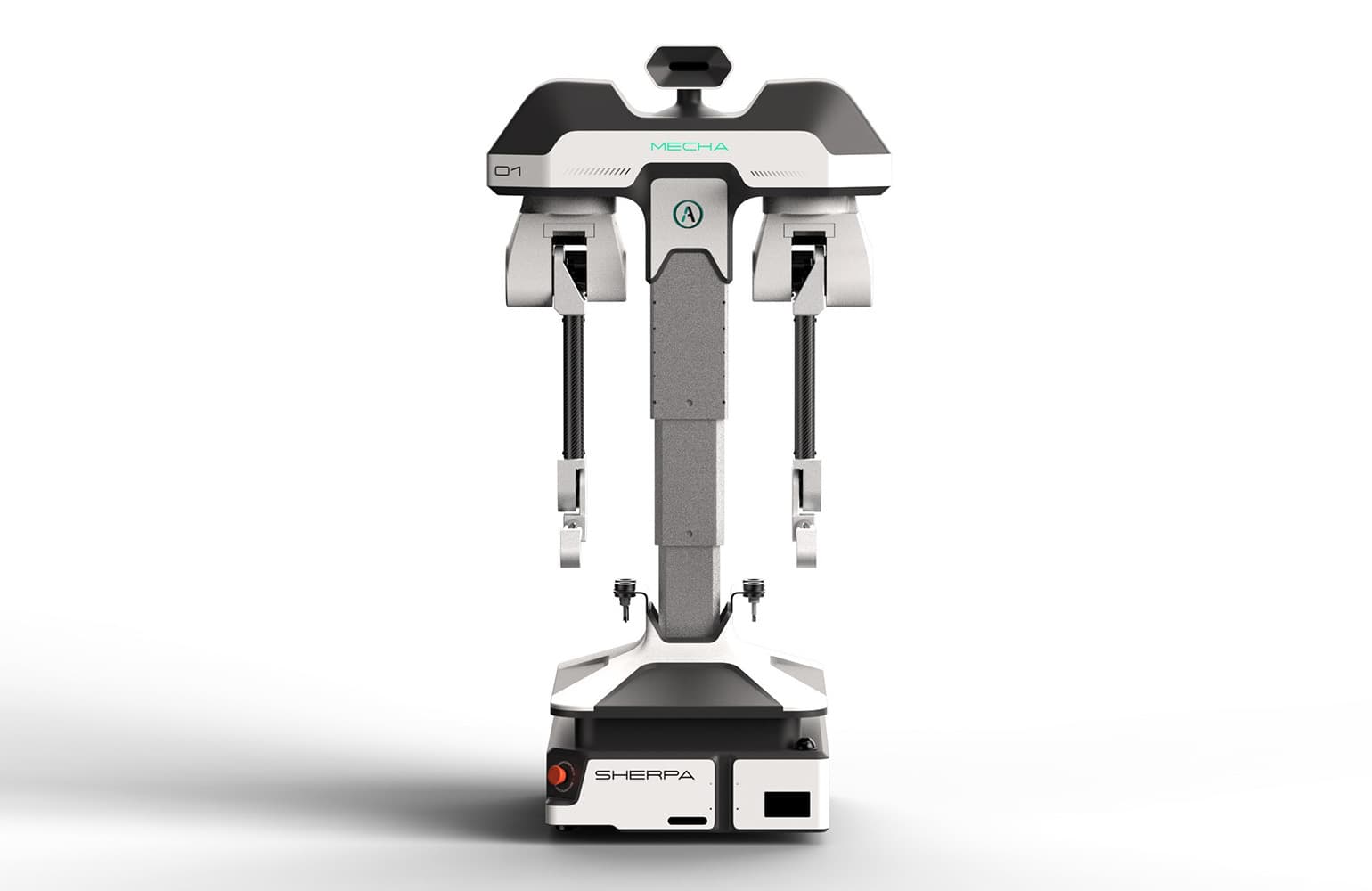
Function-first industrial humanoid on a wheeled base from Ati Motors (Bangalore): carbon-fibre arms lifting 12 kg at 1 m extension (future target 35 kg), interchangeable toolheads and hand-integrated cameras. Emerging technology.
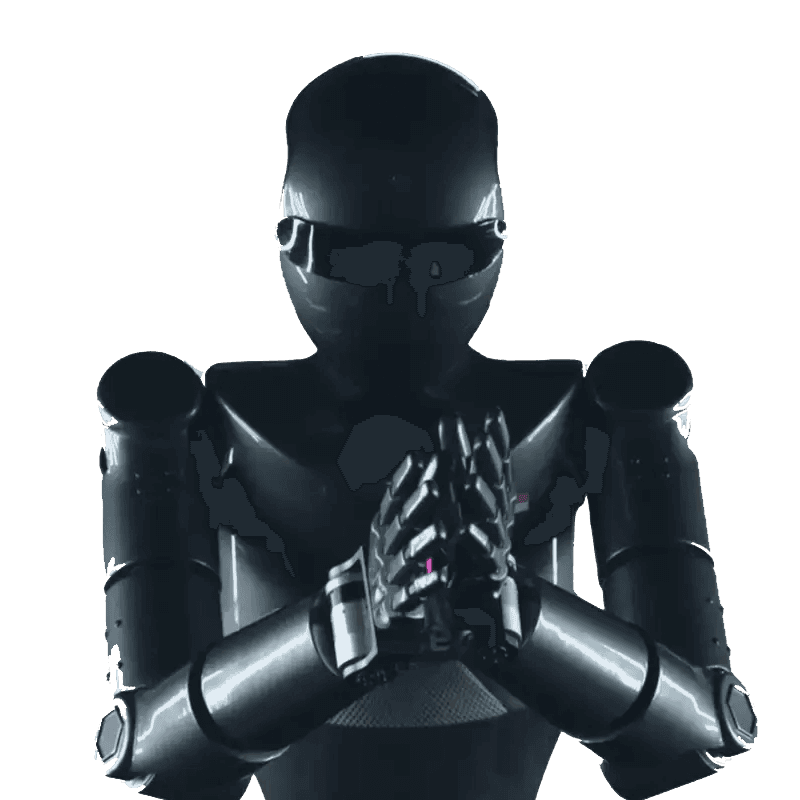
Industrial variant of Muks Robotics' Spaceo series (Pune): 200 kg platform load capacity, 7 DOF arms lifting 10 kg, NVIDIA Ampere 2048-core GPU, FusionMax AGI system and over 4 hours runtime. Emerging technology.
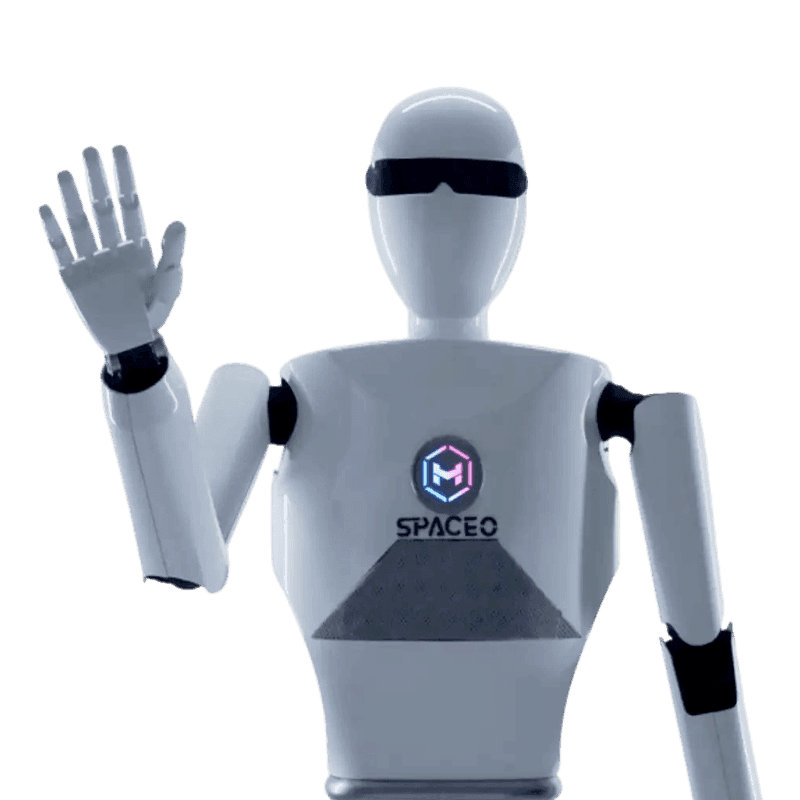
Service variant of Muks Robotics' Spaceo series (Pune), 1.67 m tall on a mobile base (~7 km/h): multilingual conversational AI and emotion recognition for shopping centres, offices and hospitals. Emerging technology.
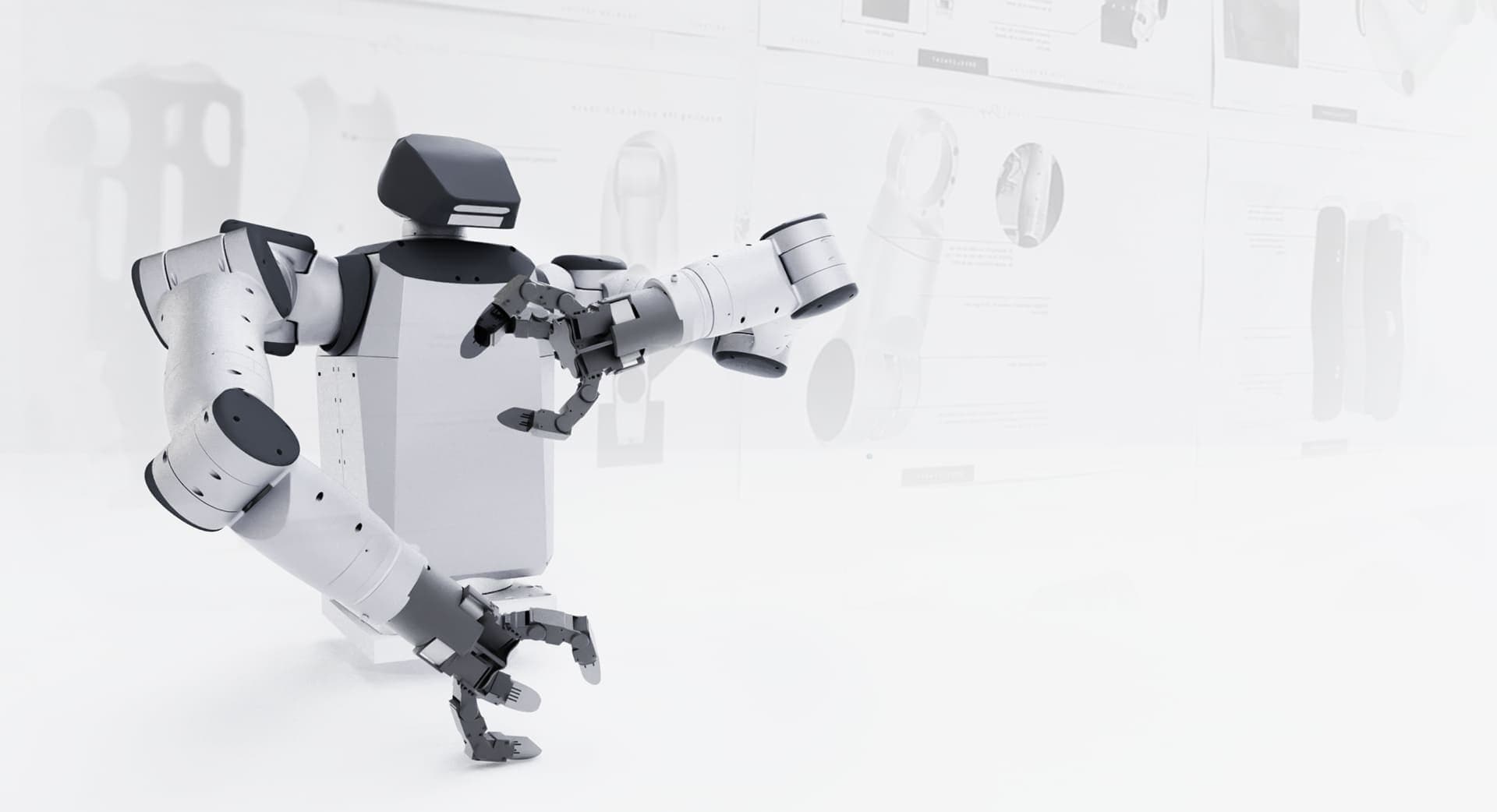
General-purpose humanoid with a software-defined architecture from Svaya Robotics (Hyderabad, founded in 2018): cobots and humanoids for automating physical tasks in manufacturing, logistics and warehousing; collaborations with DRDO. Emerging technology.
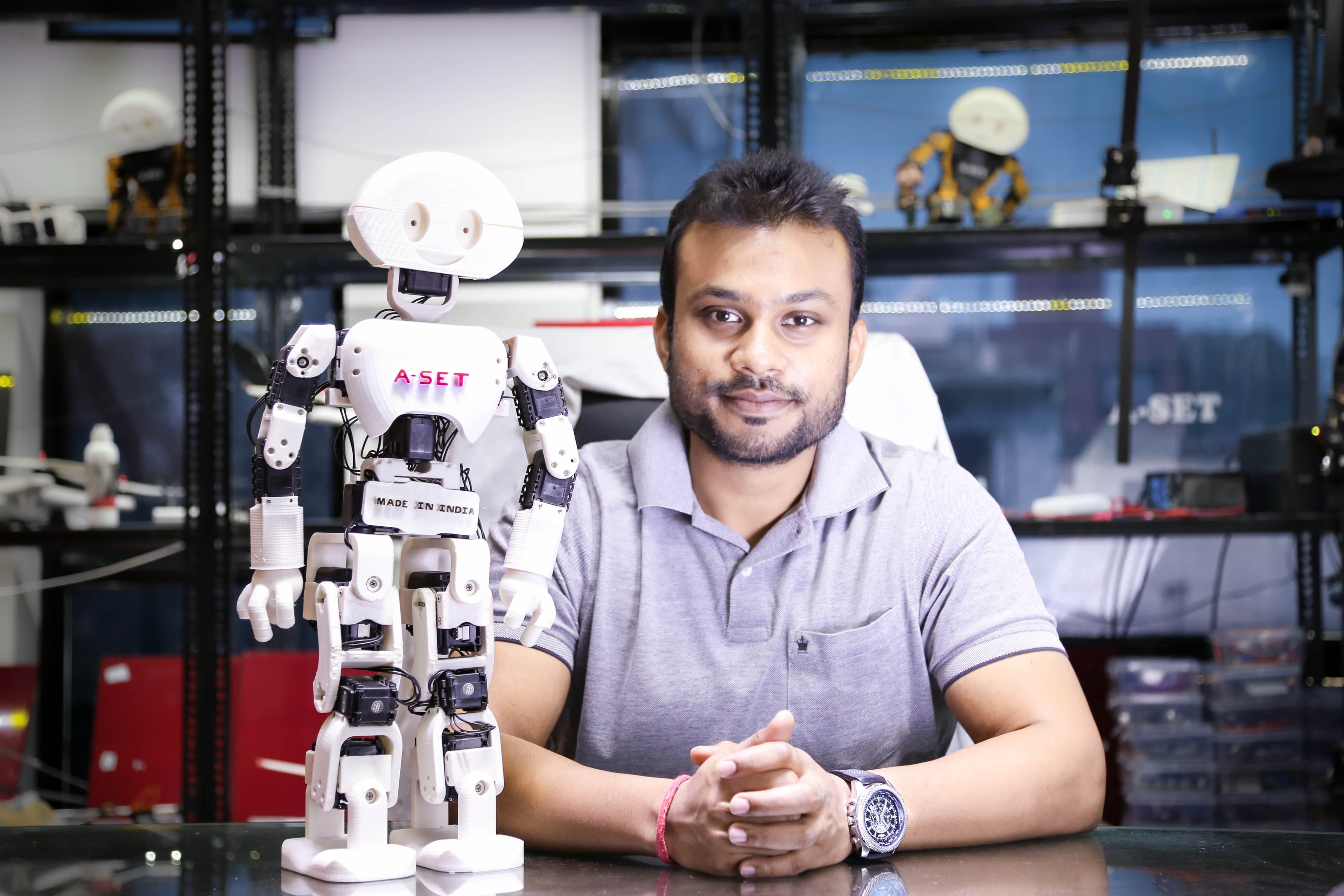
India's first 3D-printed humanoid, from A-SET Training & Research Institutes (New Delhi): ~60 cm, ~2 kg, 21 servos (16-21 depending on the source), two cameras and two microphones; walks, does push-ups and plays football. Emerging technology.
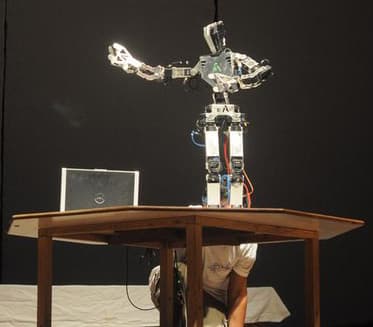
India's first indigenous bipedal humanoid (2008), developed by Team AcYut at BITS Pilani's CRIS: later versions ~99 cm, ~7.4 kg, 28 DOF, RGB camera and IMU; walks, climbs stairs and plays RoboCup football. Emerging technology.

Educational humanoid built from waste materials by teacher Dinesh Patel (Mumbai): speaks 47 languages (9 Indian, 38 foreign), used as a robot teacher at a Kendriya Vidyalaya. Emerging technology.

Indian lip-sync humanoid developed by programmer Ranjit Shrivastava (Ranchi), launched in 2018 after 2 years of development: Hindi/English and other-language conversation with synchronised lips. Emerging technology.
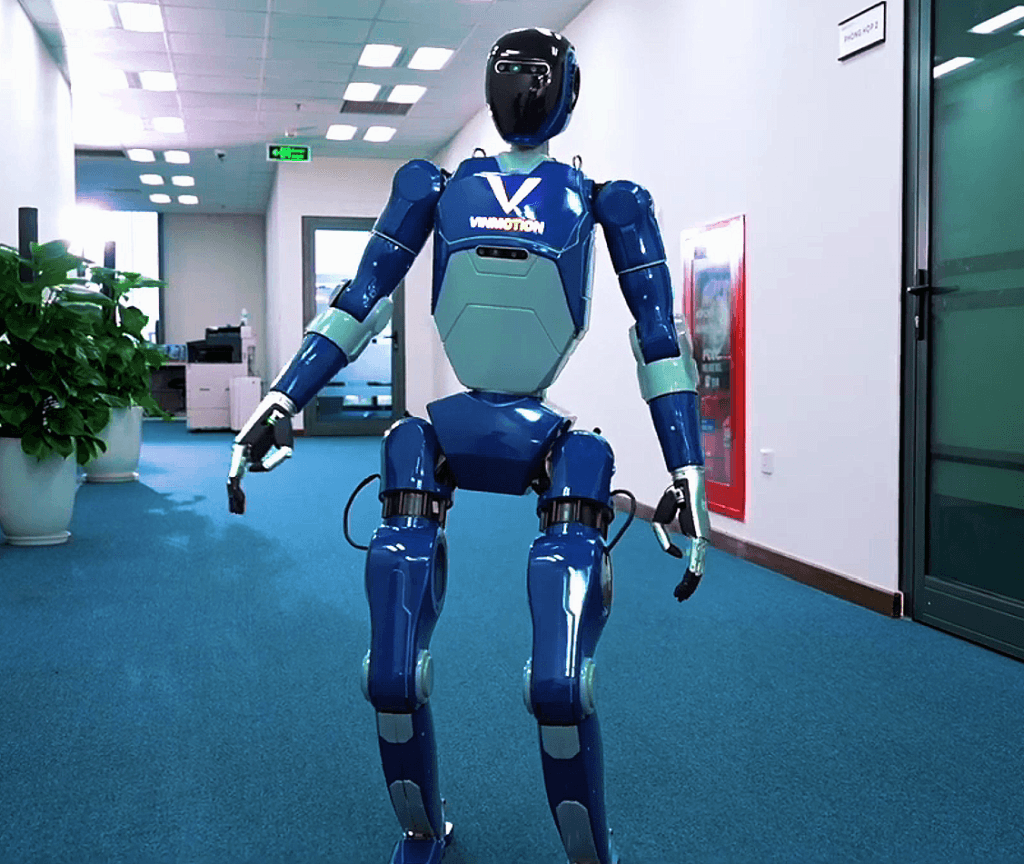
Vietnam's first bipedal humanoid, from VinMotion (Vingroup subsidiary, Hanoi, capital ~$39M), introduced in June 2025: bipedal walking for light industrial tasks such as material transport and inspection at VinFast factories. Emerging technology.
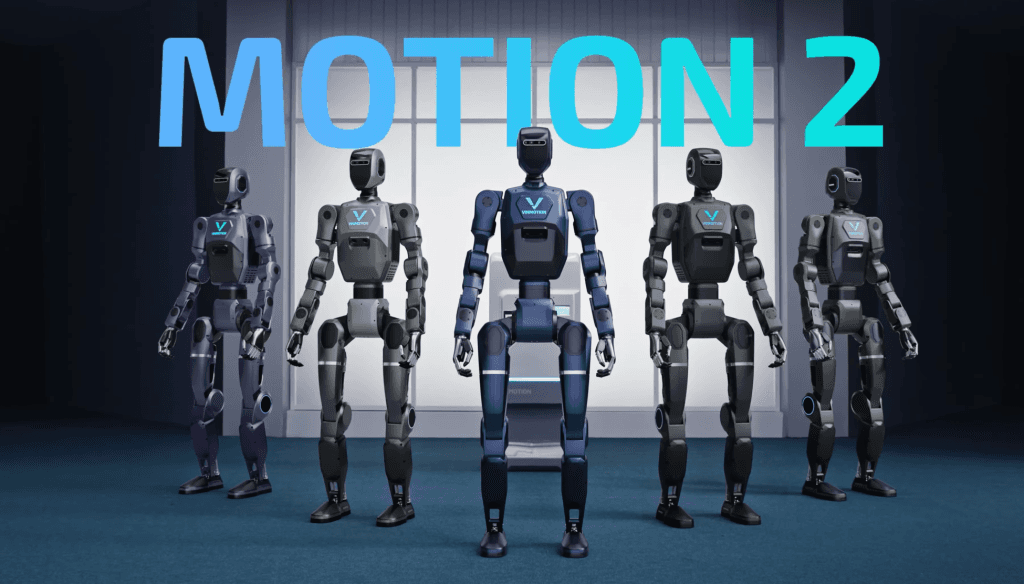
Second-generation VinMotion bipedal humanoid (Vingroup, Vietnam), unveiled in late 2025: refined design, human-like walking, lifts 40 kg with its back, five-finger hands and autonomous charging. Emerging technology.
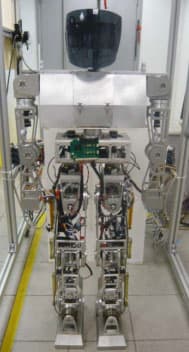
NUS bipedal research humanoid (Prof. Chee-Meng Chew's group): ~122 cm (4 feet), ~60 kg, 23 degrees of freedom (6 per leg, 4 per arm). Emerging technology.
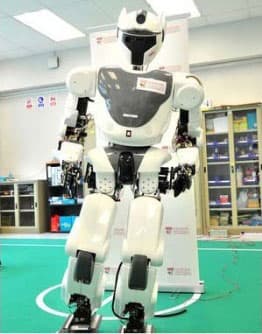
Advanced research humanoid from NTU Singapore: copies human movements, lifts weights, climbs flights of stairs and follows voice commands. Emerging technology.
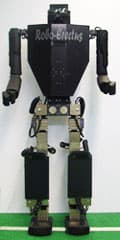
Singapore Polytechnic bipedal humanoid family for RoboCup: walks, runs, climbs stairs and kicks a ball; the RoboErectus Jr. variant won the penalty kicks at RoboCup 2002. Emerging technology.
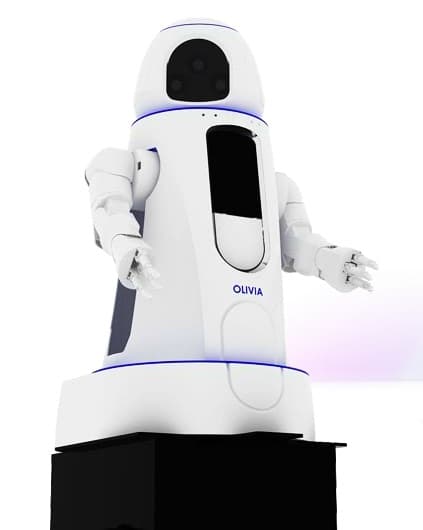
Interactive social humanoid from A*STAR Singapore's Social Robotics Lab (ASORO): speech and movement-imitation capabilities for human-robot interaction research. Emerging technology.
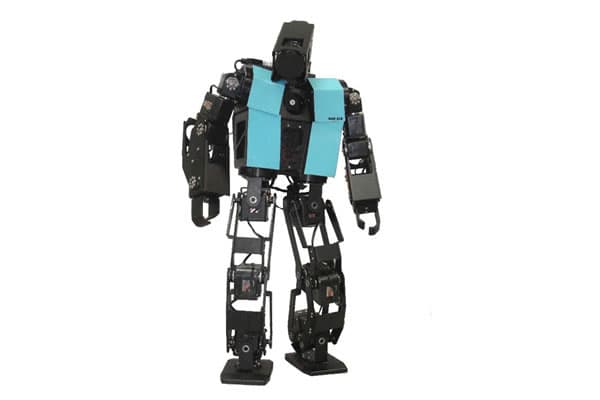
Customisable bipedal research humanoid from NUS's Mechatronics and Automation Lab, in development since 2009: closed-chain kinematics and an open-architecture platform. Emerging technology.
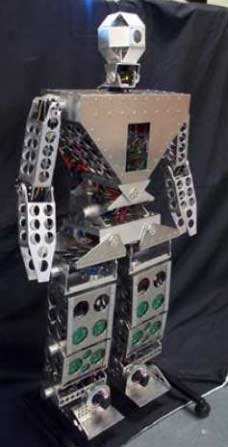
Bipedal research humanoid from the University of Queensland's Mobile Robotics Laboratory (humorously named 'Grossly Underfunded Roo'): anthropomorphic design for studies of dynamic stability, HRI and machine learning. Emerging technology.
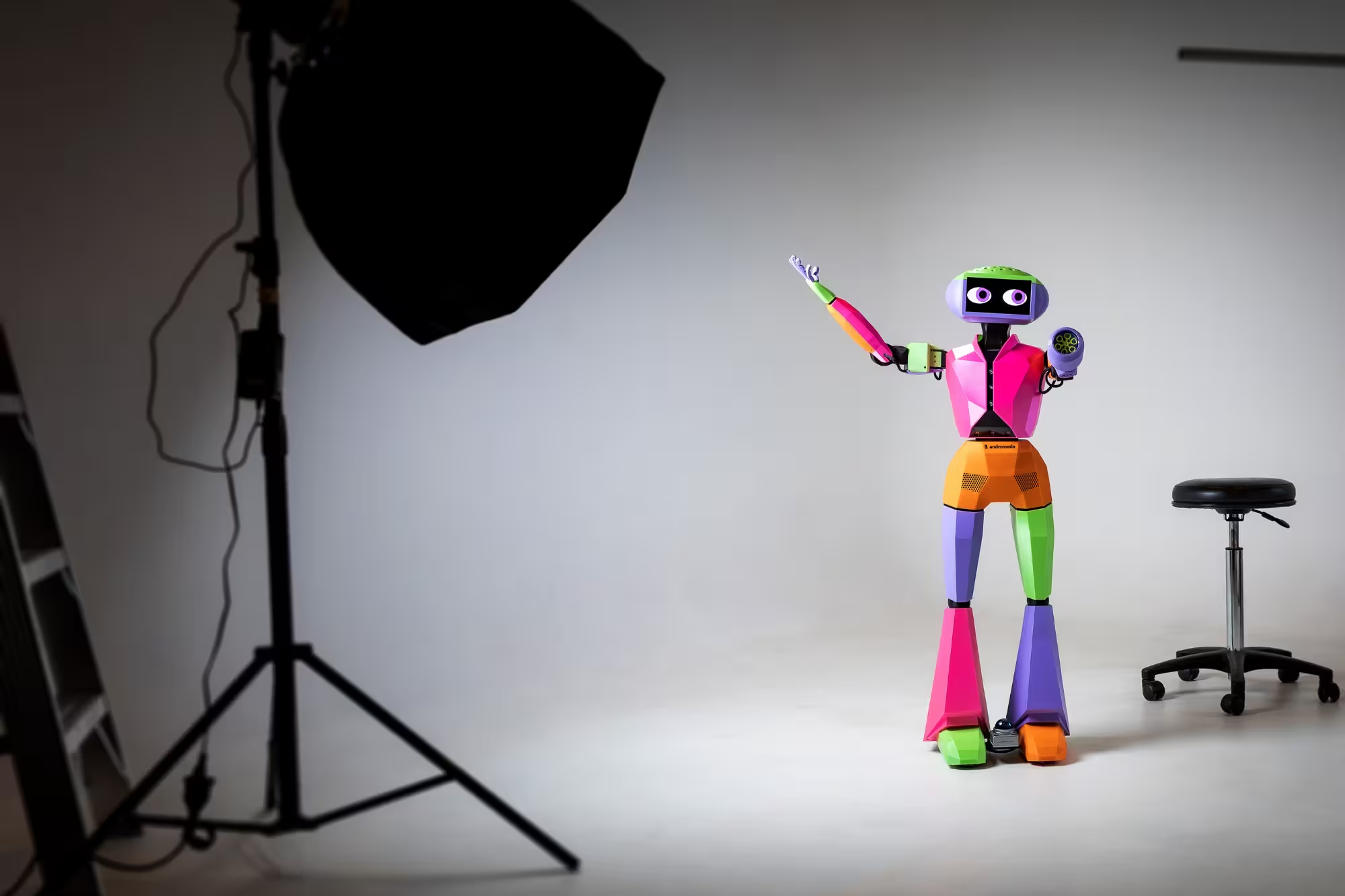
Social humanoid on a wheeled base from Andromeda Robotics (Melbourne, CEO Grace Brown): facial expressions, voice and gestures, AI conversation in 90 languages; already operating in 22 Mecwacare facilities and Australia's first humanoid production line. Indicative price (~25,000 USD).
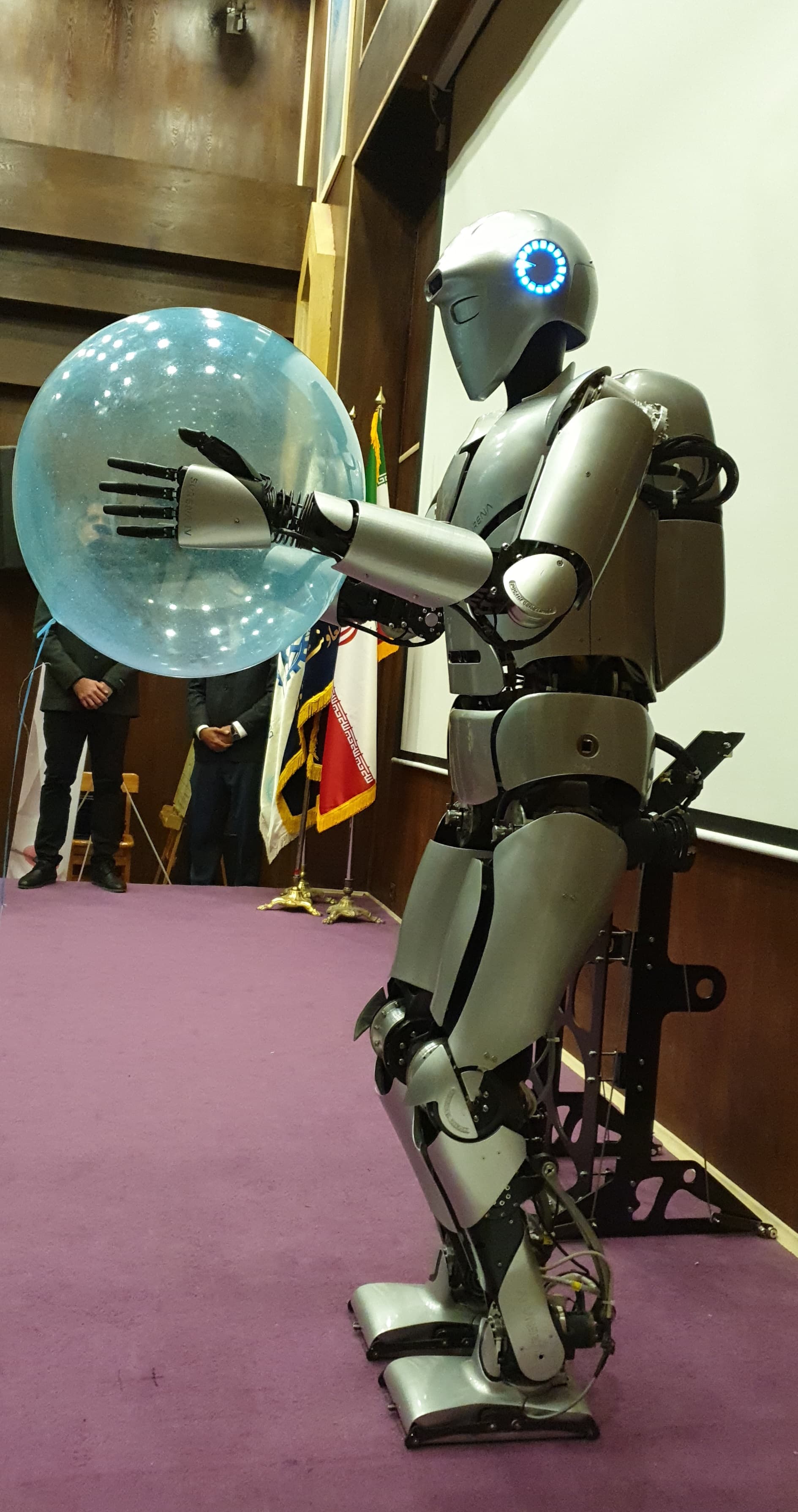
Bipedal humanoid, 170 cm, 68-70 kg, 43 DOF, walking at 0.7 km/h, with stereo cameras and ankle force/torque sensors; research platform not for sale. Emerging technology.
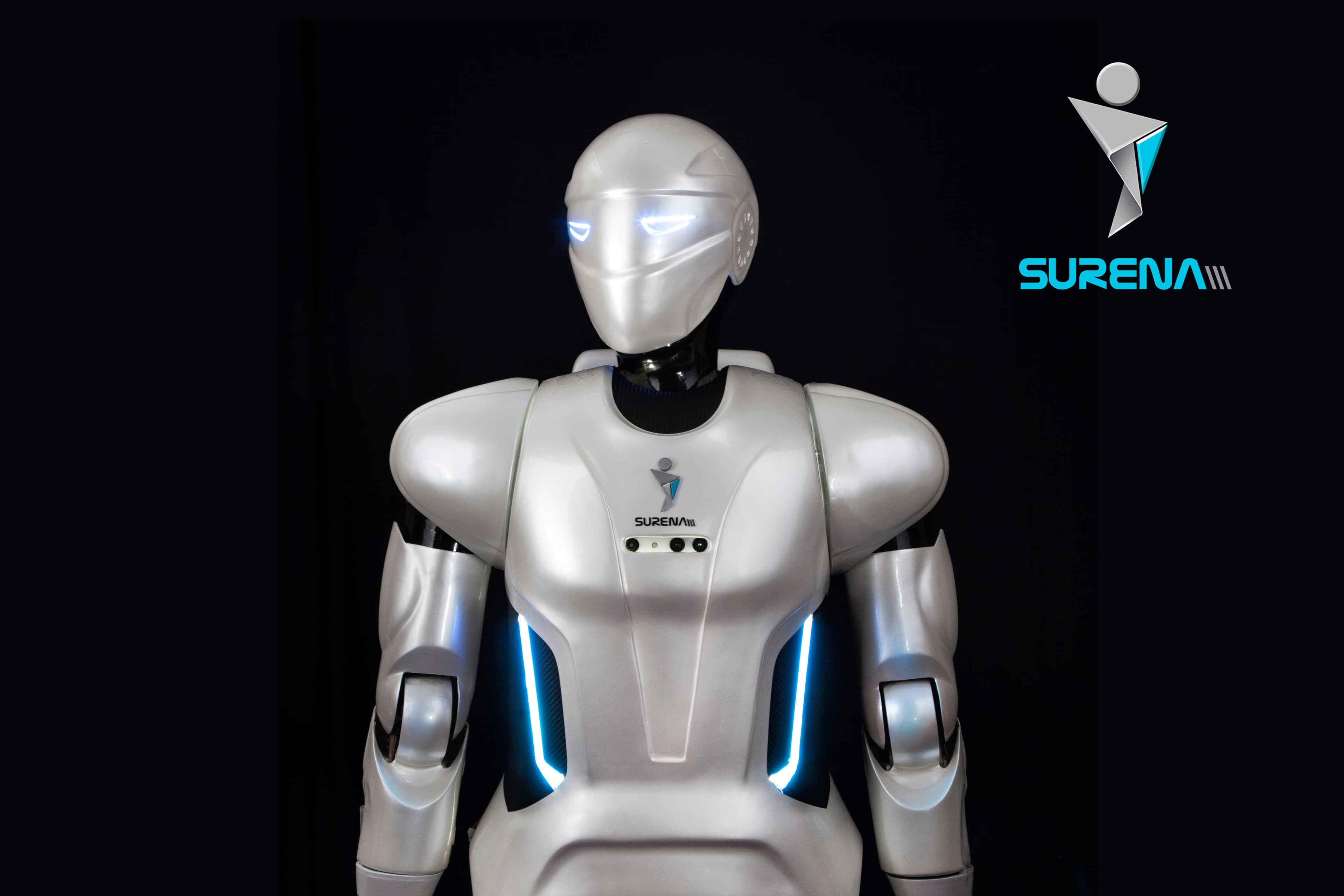
Bipedal humanoid, 190 cm and 98 kg, 31 DOF, among the world's tallest humanoids; research prototype presented in 2015, not commercialised. Emerging technology.
Fifth generation of the Surena series, in development at the University of Tehran's CAST with a published open-source codebase; research prototype not for sale. Emerging technology.
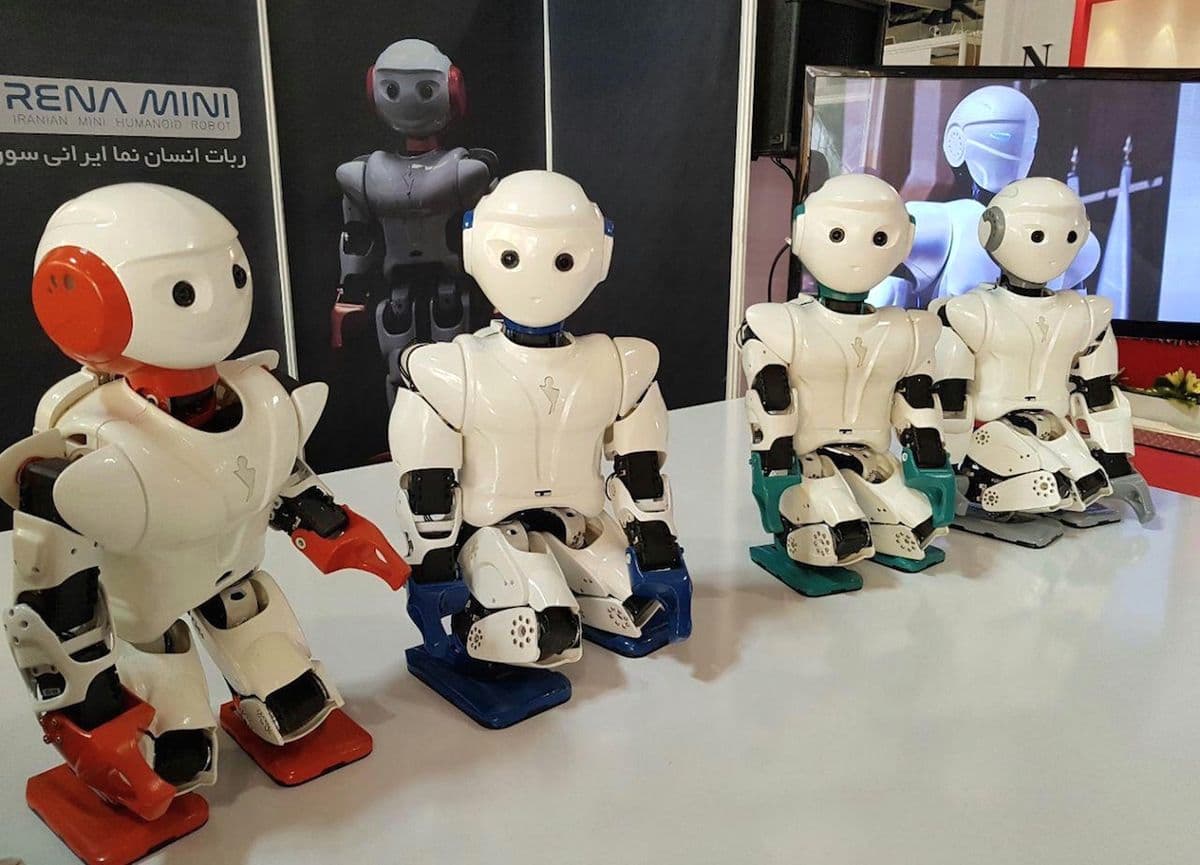
Small bipedal humanoid with a 3D-printed body, knee-high, with articulated limbs and a camera-equipped head; research/education platform, not commercialised. Emerging technology.
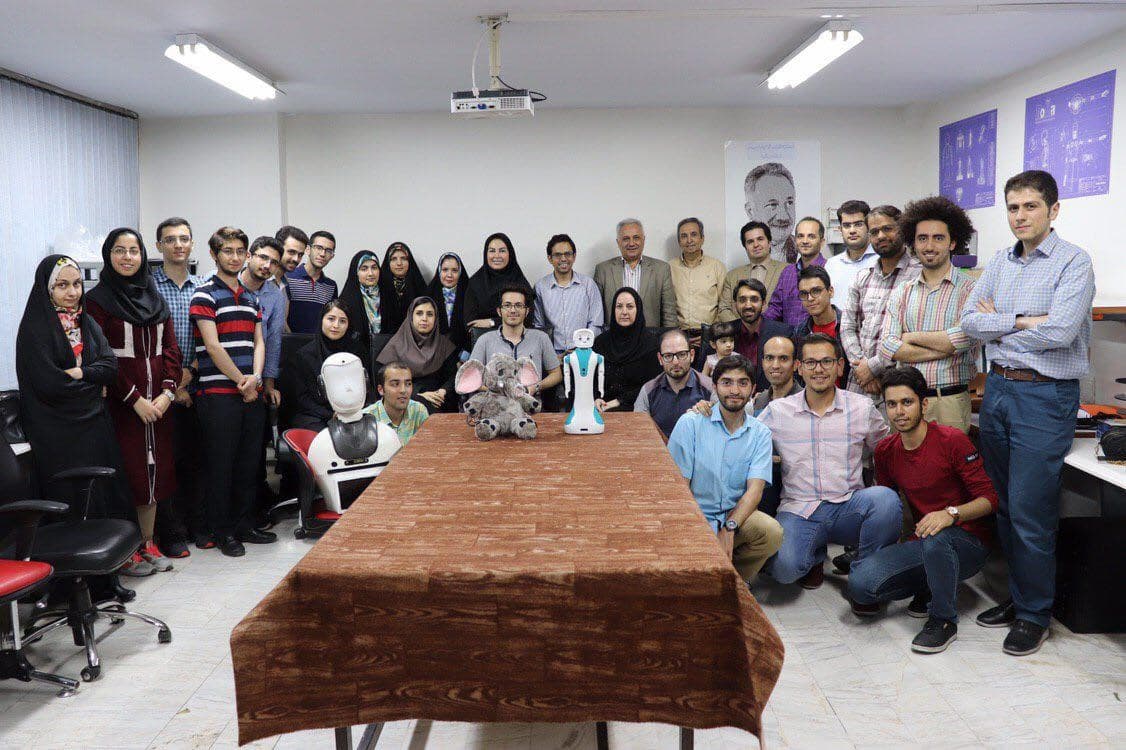
Upper-body social humanoid with actuated arms and fingers, 29 DOF, designed at low cost for teaching sign language; research prototype not for sale. Emerging technology.
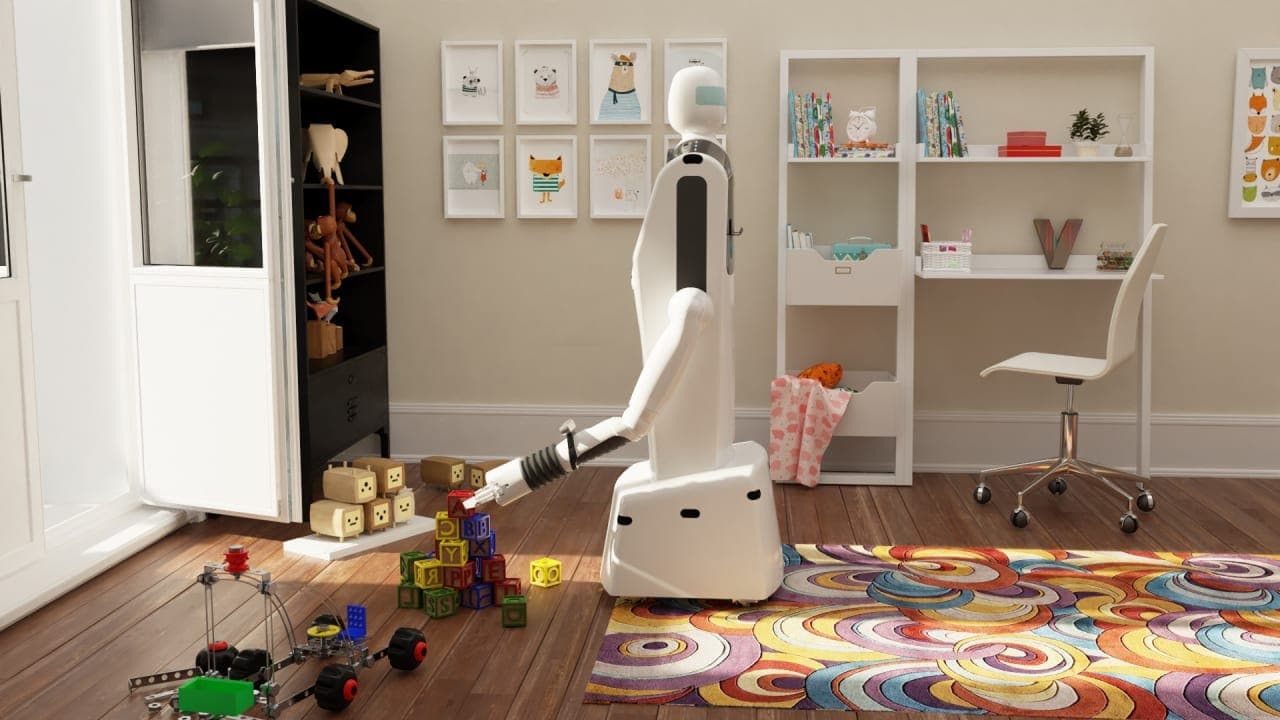
Humanoid on a wheeled base with two arms (payload up to 5 kg), 1.2 m/s speed and Ra-Ya development platform; oriented towards hospital applications, not on general sale. Emerging technology.
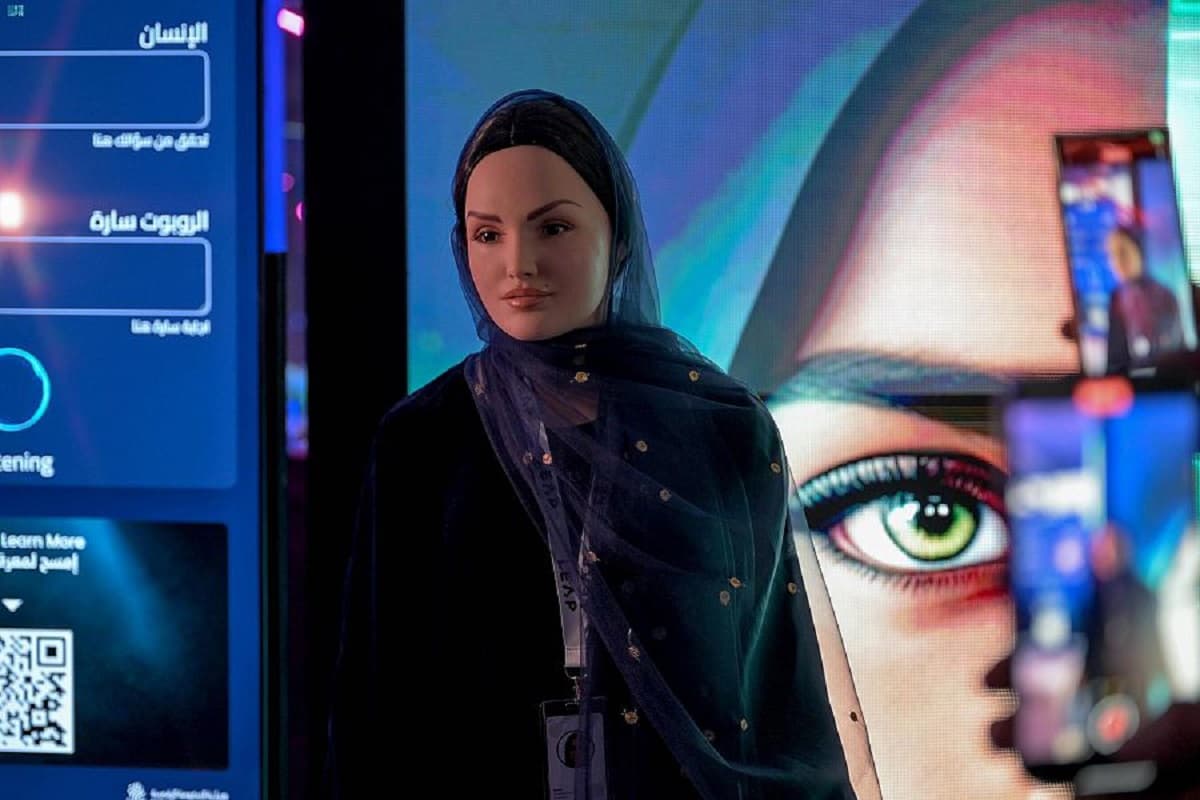
Saudi Arabia's first humanoid (2023), female appearance, ~162 cm tall, wearing an abaya, based on QSS's proprietary LLM in Arabic and English; used at conferences, not for sale. Emerging technology.
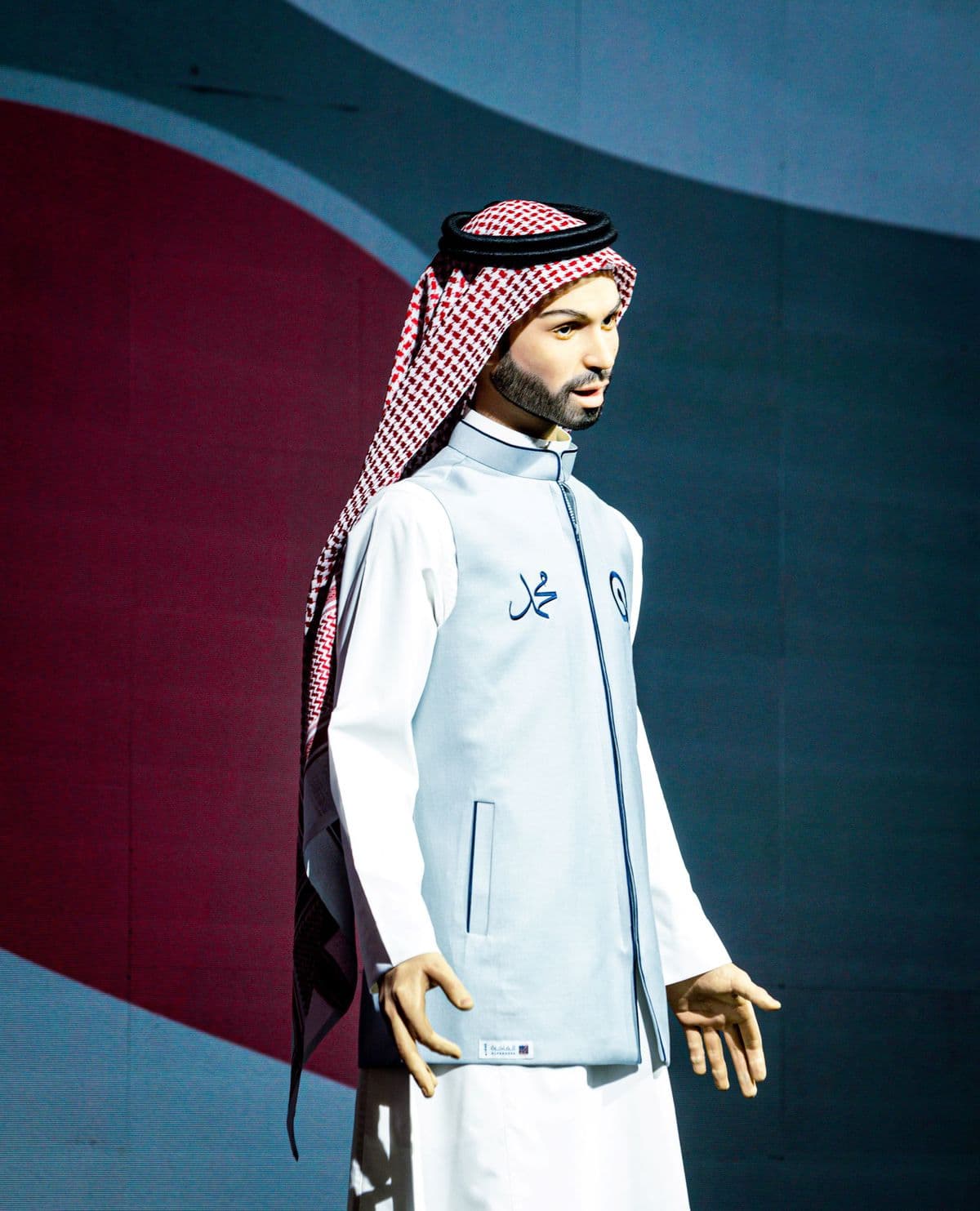
Saudi Arabia's first male humanoid, presented at DeepFest 2024 wearing a thawb and keffiyeh, bilingual Arabic-English, Sara's counterpart; demonstration prototype not for sale. Emerging technology.
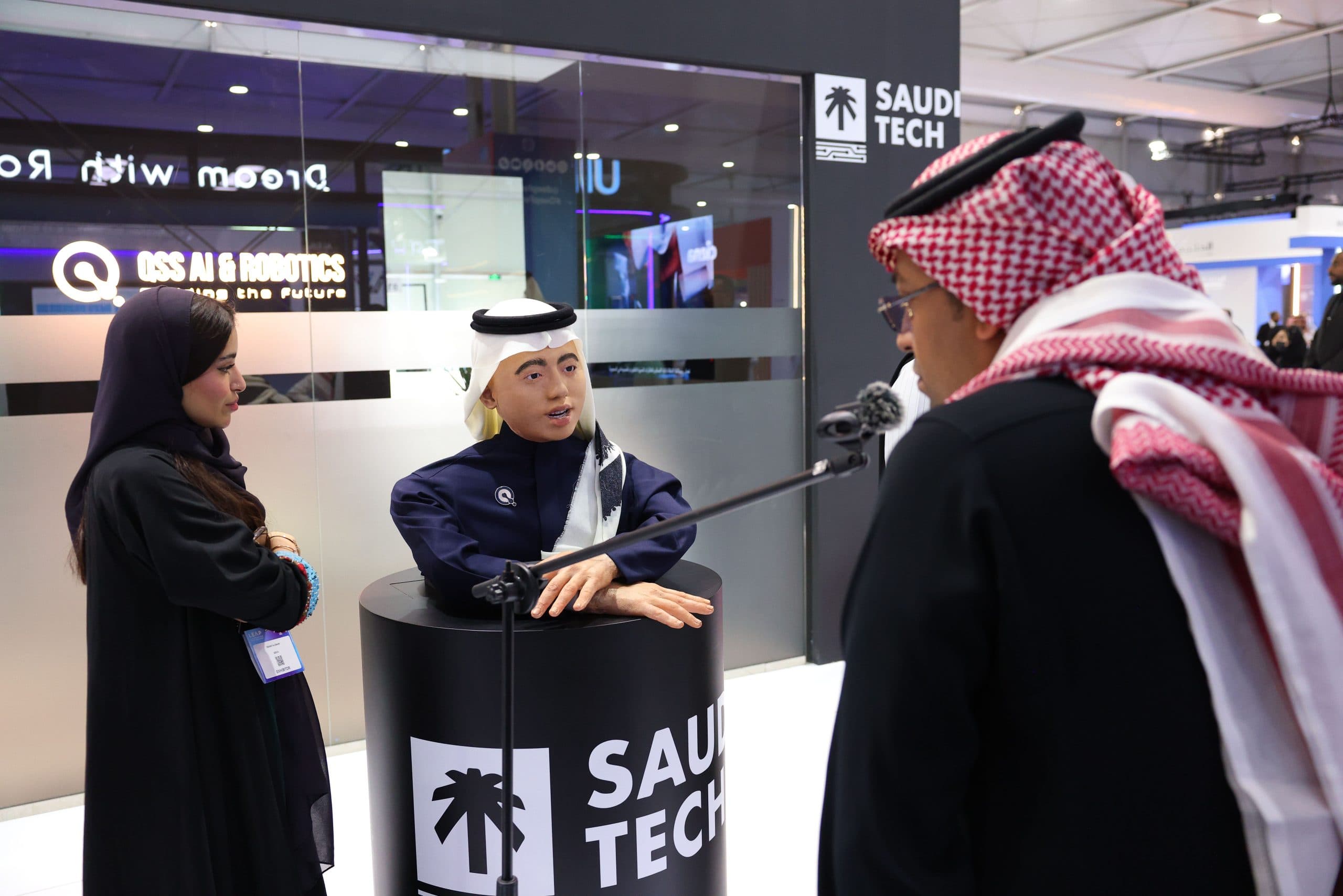
Saudi humanoid presented at LEAP 2025, the third in the QSS family after Sara and Mohammad, designed to communicate in Arabic and other languages; not for sale. Emerging technology.
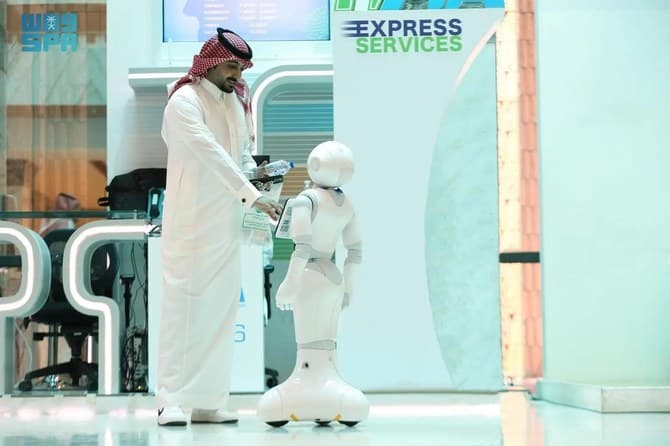
Humanoid employed as an assistant in KFSH&RC hospital's IT department, with AI/ML, Arabic and English interaction and face recognition; operating internally, not for sale. Emerging technology.
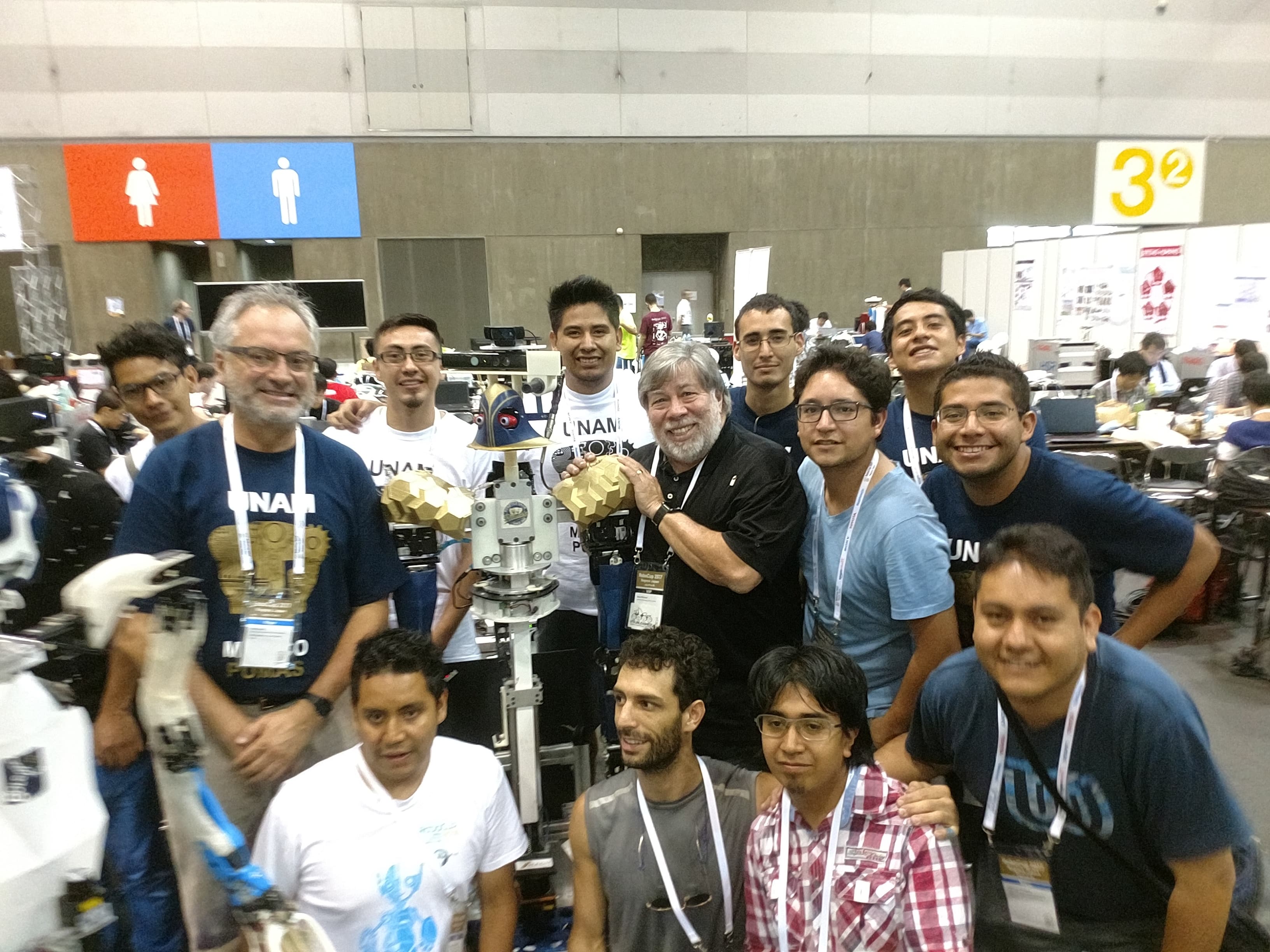
Service humanoid on an omnidirectional mobile base with a lifting torso and arms, developed at UNAM since 2006; multiple award winner (RoboCup, IROS), research platform not for sale. Emerging technology.
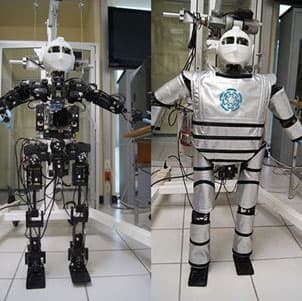
Mexico's first bipedal humanoid (CINVESTAV Guadalajara), 105 cm and 15 kg, 40 servos/DOF, with face recognition; low-cost research prototype, not commercialised. Emerging technology.
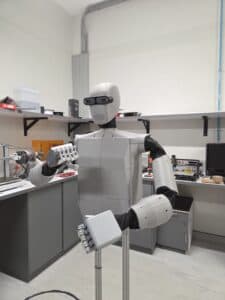
South Africa's first locally built humanoid, full-height torso with 6-DOF arms and five-finger hands (38 DOF in total), remotely teleoperable; torso prototype (legs in development), not for sale. Emerging technology.

Female humanoid, ~1.8 m (6 feet), speaking 8 languages with native accents, with position, grasp and terrain awareness; launched in Nigeria in 2022, not for sale. Emerging technology.
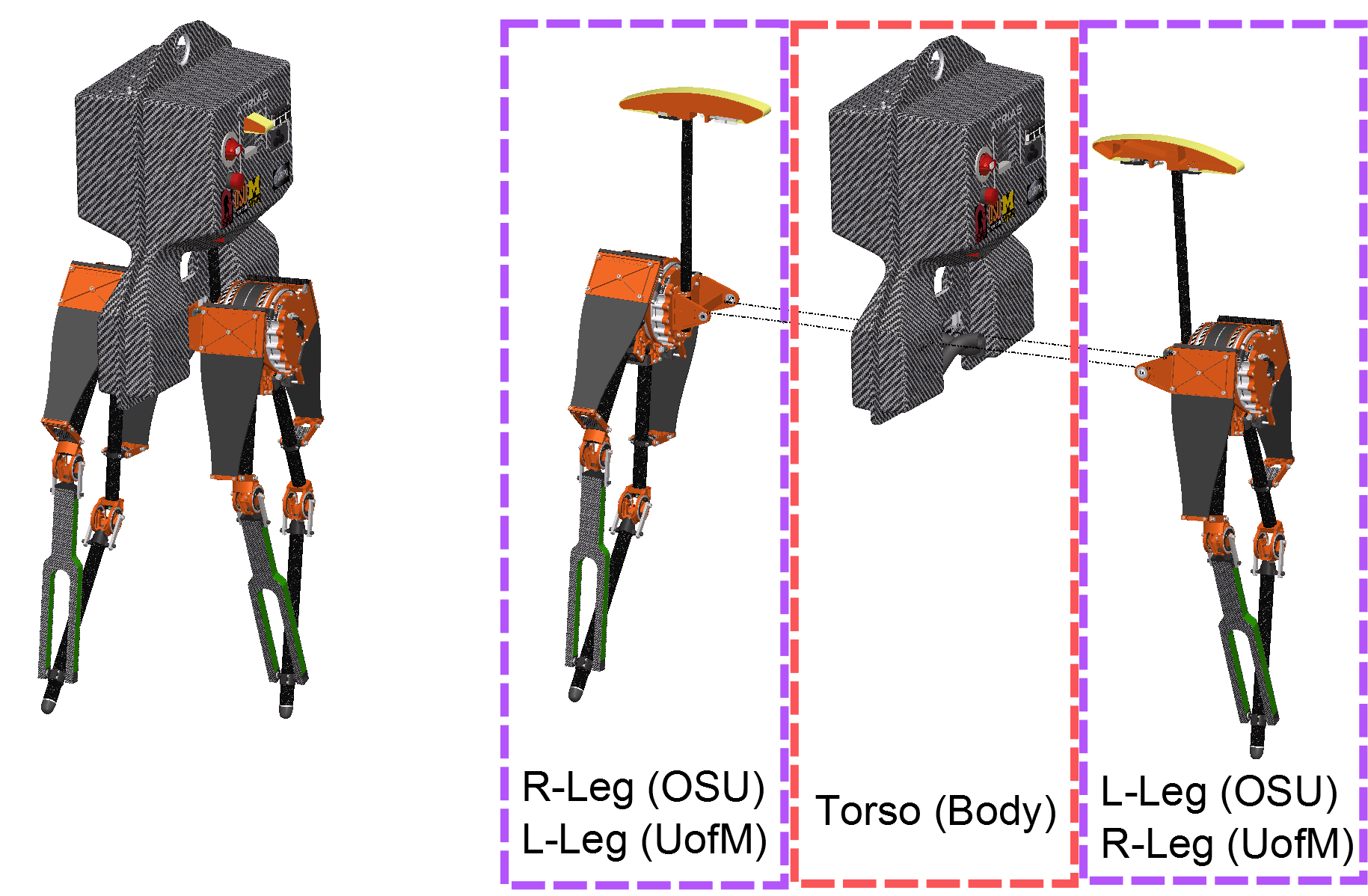
Tether-free 3D spring-mass biped from OSU's Dynamic Robotics Lab, with fibreglass spring legs; the first robot to reproduce human walking dynamics. Emerging technology.
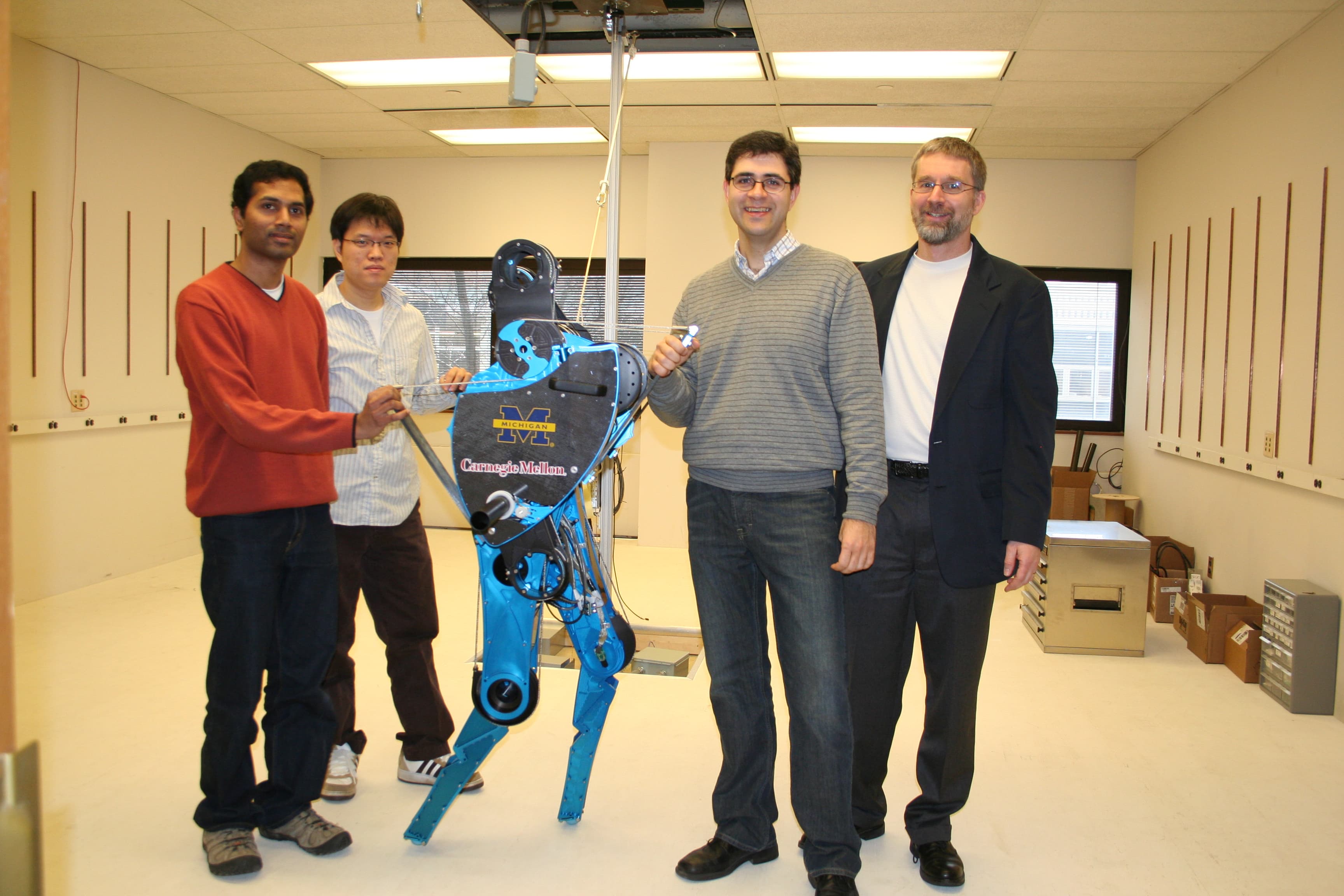
Planar legged biped with knees from the University of Michigan (Grizzle), 65 kg, up to 3.6 m/s; among the fastest two-legged robots with knees, airborne for 40% of each step. Emerging technology.
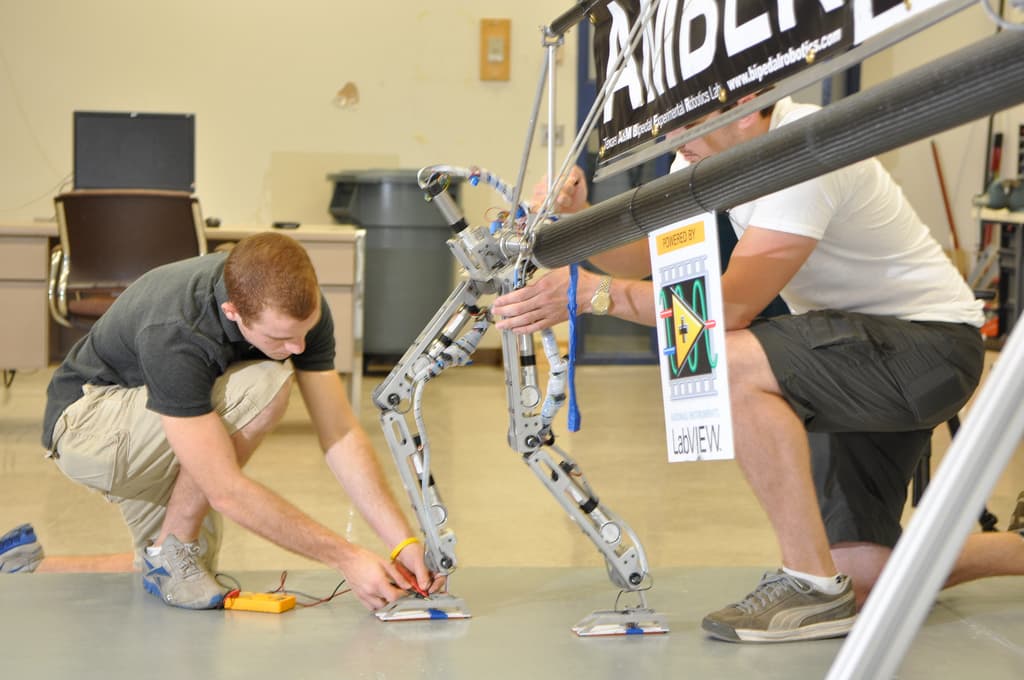
Planar legged biped from the AMBER Lab (A&M Bipedal Experimental Robotics), with a gait derived from human data; research platform for human-inspired locomotion. Emerging technology.
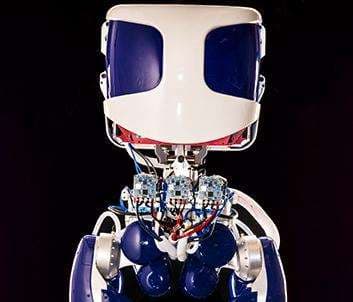
Bipedal humanoid from the AMBER Lab/SRI, <100 kg, cost of transport ~1.5; won the Endurance Challenge at the DARPA Robotics Challenge 2015 by walking for 3+ hours on one battery. Emerging technology.
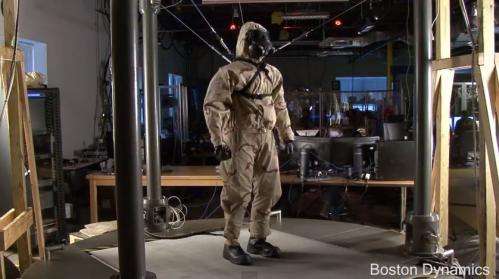
Boston Dynamics/DARPA hydraulic bipedal humanoid that walks, crawls and does push-ups, sweats and regulates temperature for testing chemical PPE; precursor to Atlas. Emerging technology.
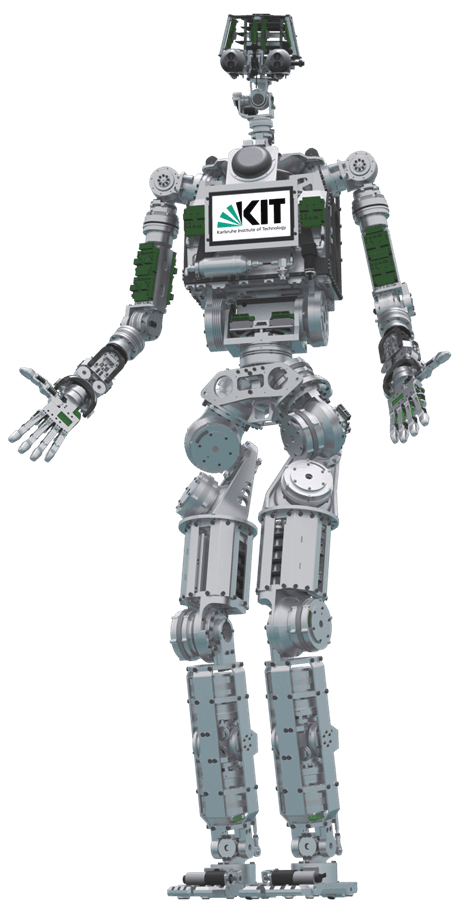
KIT torque-controlled bipedal humanoid with 63 DOF, introduced in 2012; research platform with very high kinematic redundancy. Emerging technology.
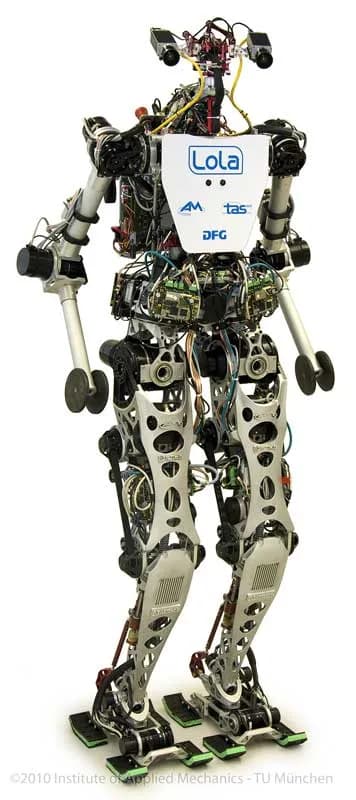
TUM bipedal humanoid, 180 cm, 25 DOF, ~55 kg, redundant 7 DOF legs and an ultralight structure; platform for high-speed walking. Emerging technology.
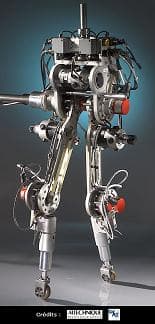
CNRS planar biped with 5 links and 4 actuators, underactuated and without feet; historic platform for demonstrating asymptotically stable walking and running. Emerging technology.
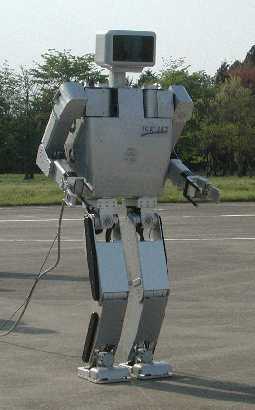
Bipedal humanoid from JSK Lab (University of Tokyo) and Kawada, ~137 cm and 35 DOF in the H6/H7 line, with 3D vision and upgraded actuators for walking and indoor autonomy. Emerging technology.
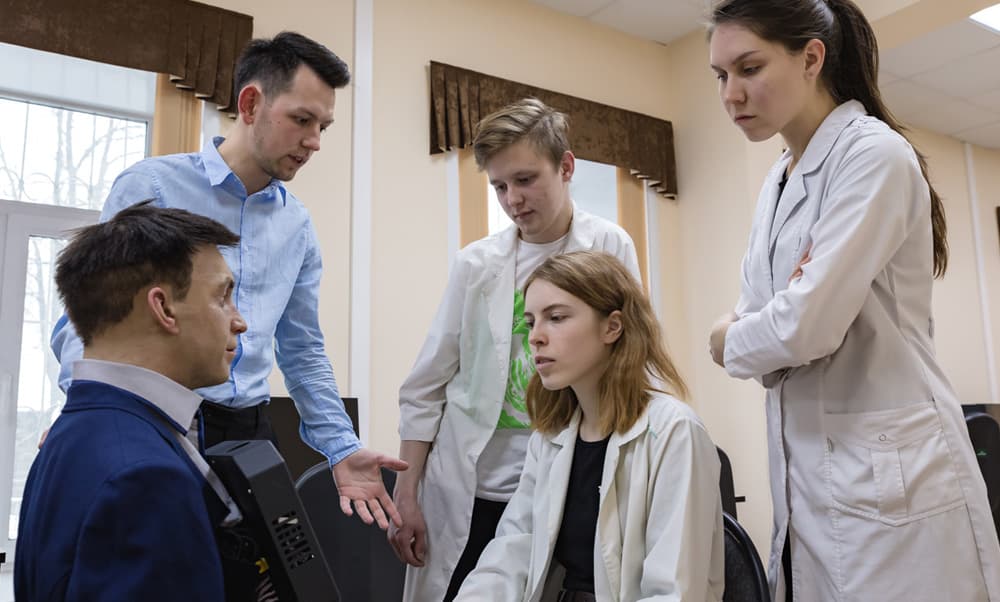
Hyper-realistic android with silicone skin, over 600 facial expressions, movable arms with 12 DOF each and handling up to 1 kg; in series production.
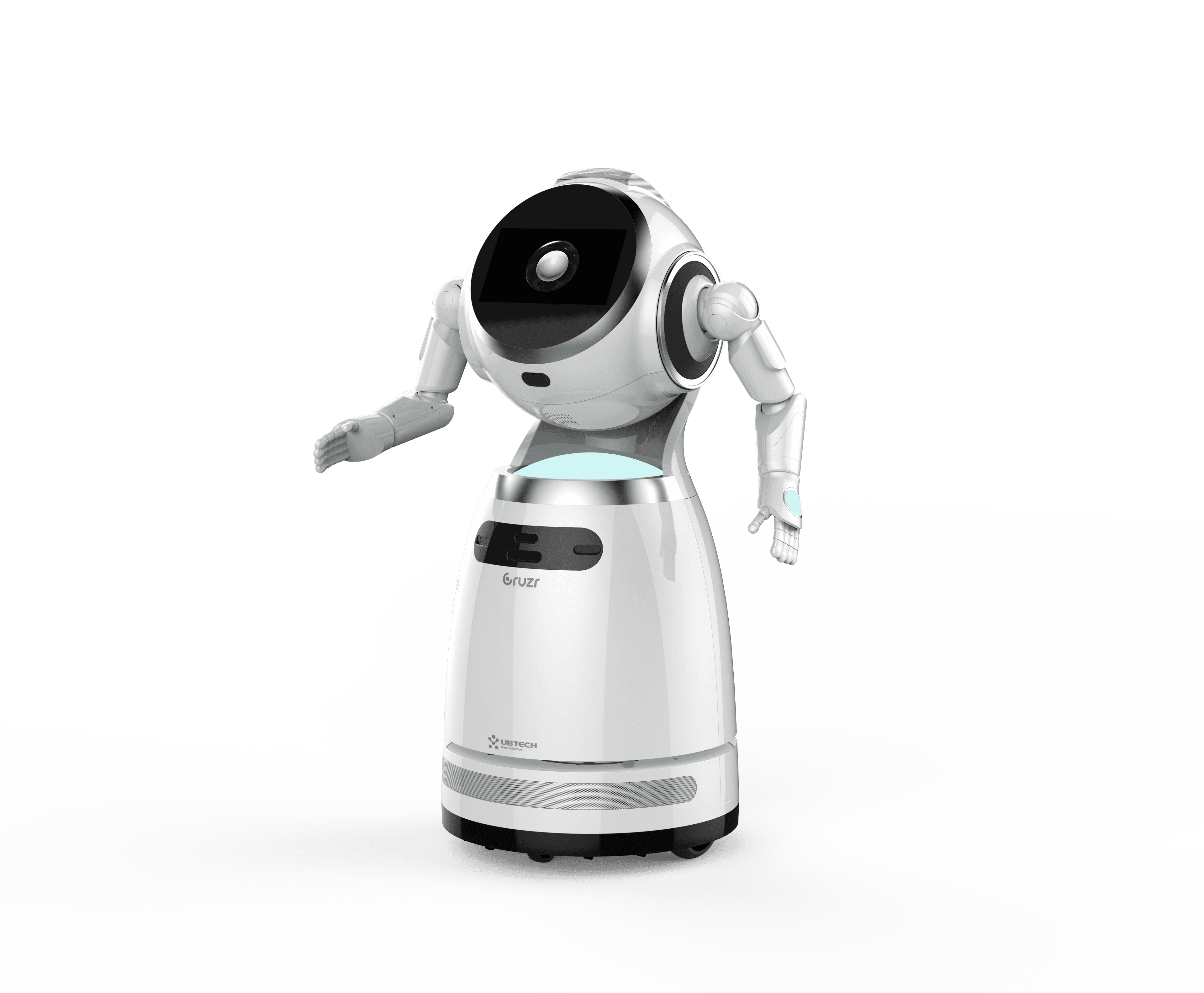
Commercial humanoid on a wheeled base, ~120 cm, articulated arms, an 11.6-inch touchscreen and SLAM navigation with LiDAR; cloud-connected and available.
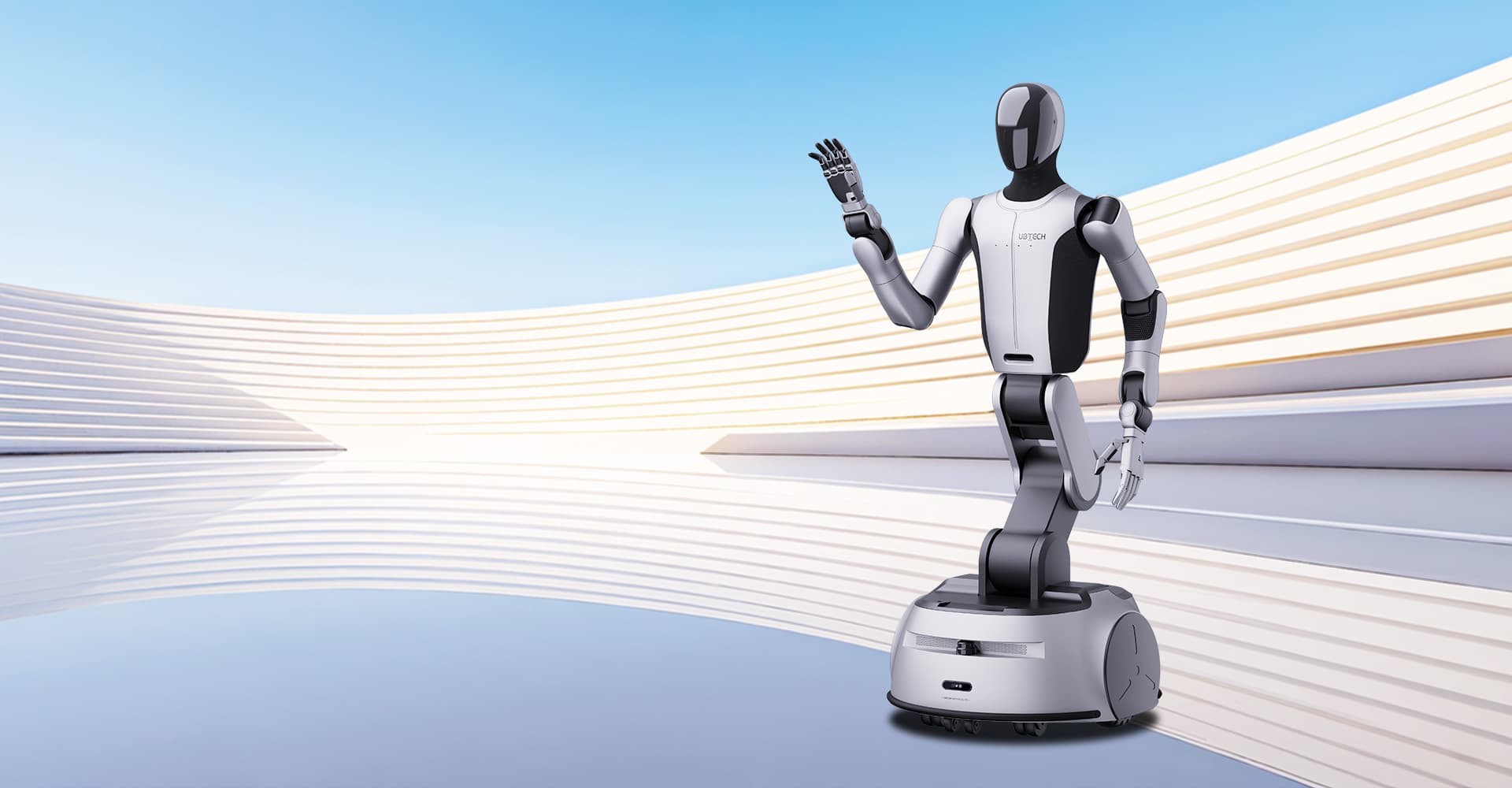
Full-size humanoid on a wheeled base, 176 cm, 44 DOF, 15 kg payload and dexterous industrial hands of the 4th generation; emerging technology.
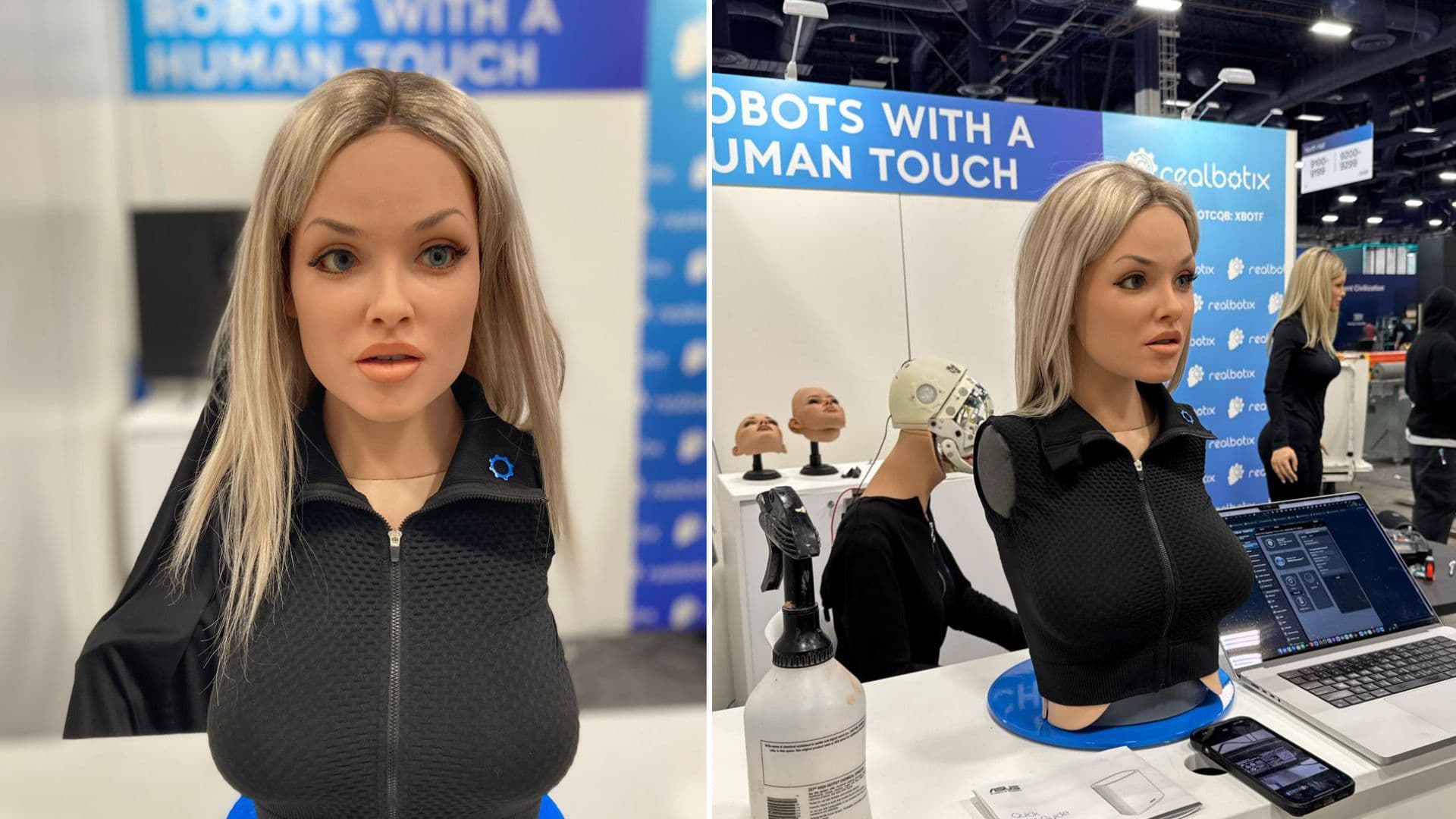
Hyper-realistic humanoid on a wheeled base with synthetic skin, a 17-motor facial system for micro-expressions, 15 languages and 147 dialects, with onboard AI; full-body version ~175,000 USD. Indicative price.

Modular open-source humanoid with P-Series Dynamixel motors, micro-cameras in its eyes and a body that dismantles to fit a suitcase; can integrate with ChatGPT. Emerging technology. Indicative price.

Healthcare android on a wheeled base, ~152 cm, over 48 simulated facial muscles, a chest-mounted thermal camera, speaking English/Mandarin/Cantonese; value ~150,000 USD. Emerging technology. Indicative price.
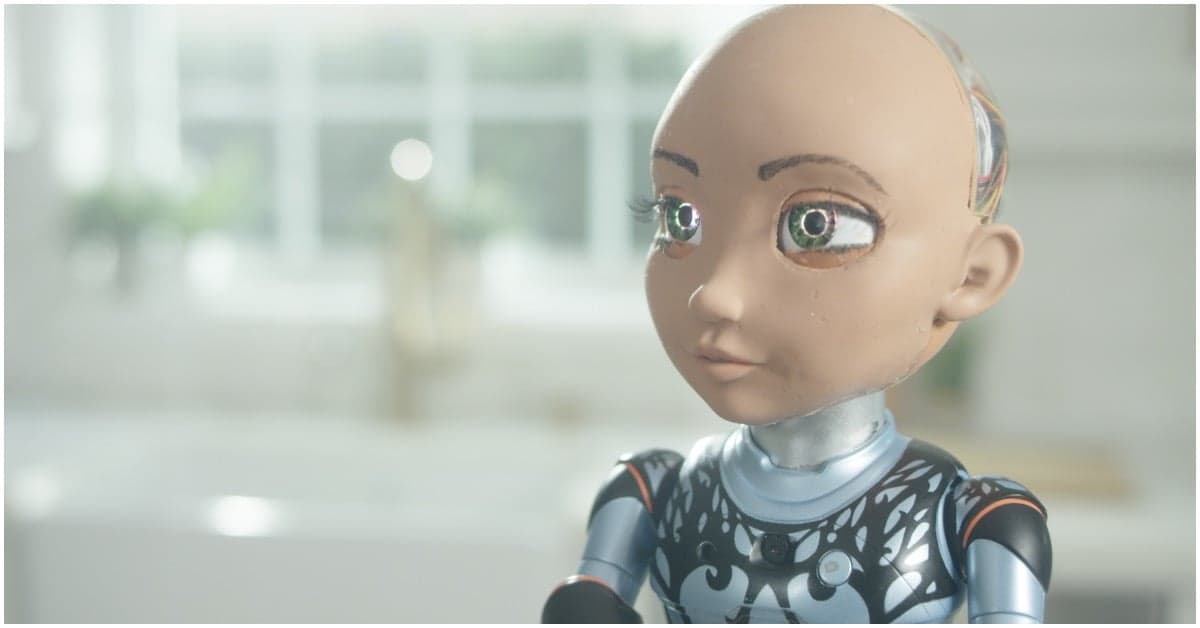
Small programmable humanoid, 14 inches (~36 cm), with a skin-like face offering dozens of expressions and face tracking, programmable through Blockly/Python on Raspberry Pi.
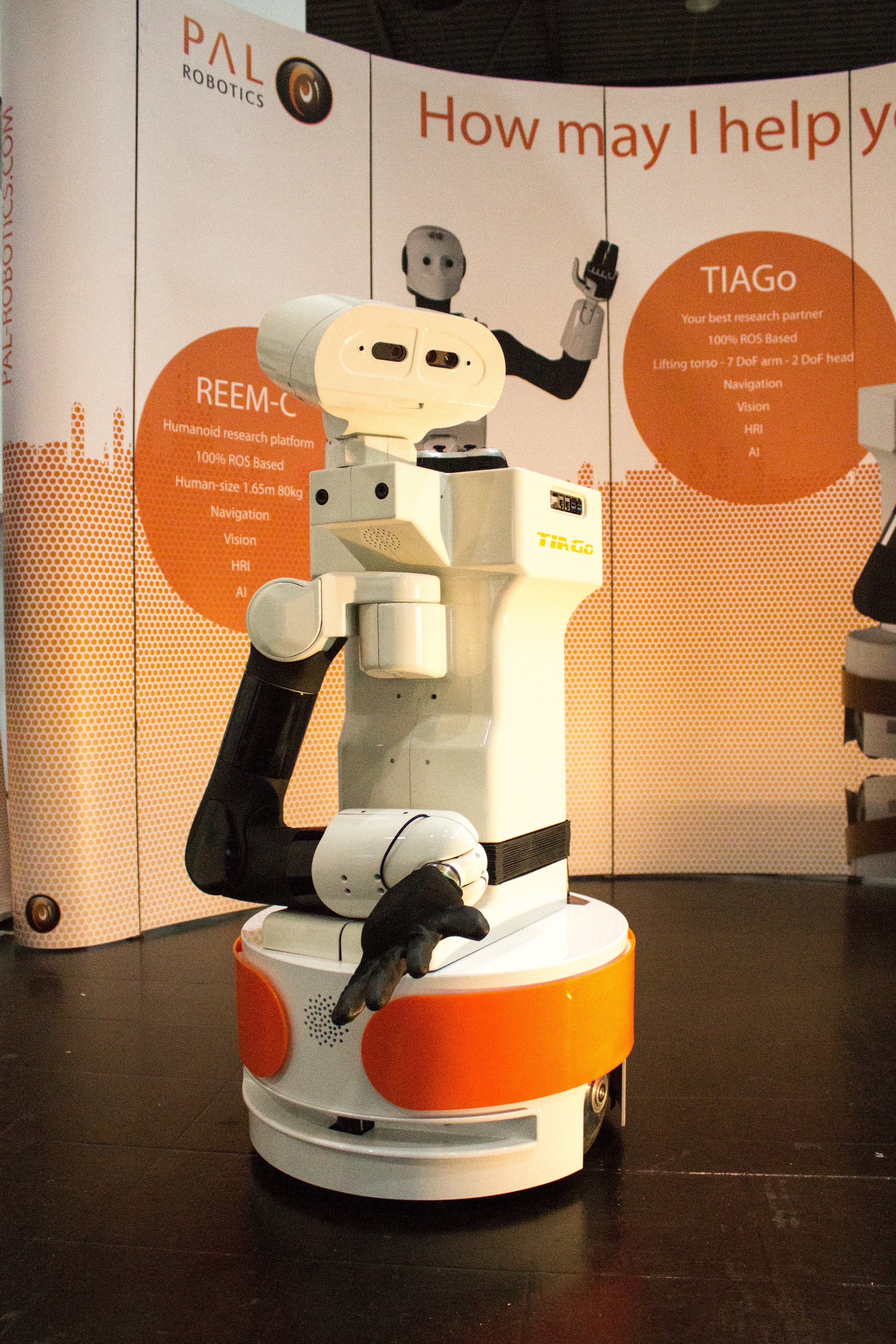
Humanoid mobile manipulator on a wheeled base, arm payload up to 3 kg, multilingual TTS, face and voice recognition, mapping and path planning; configurable and available.
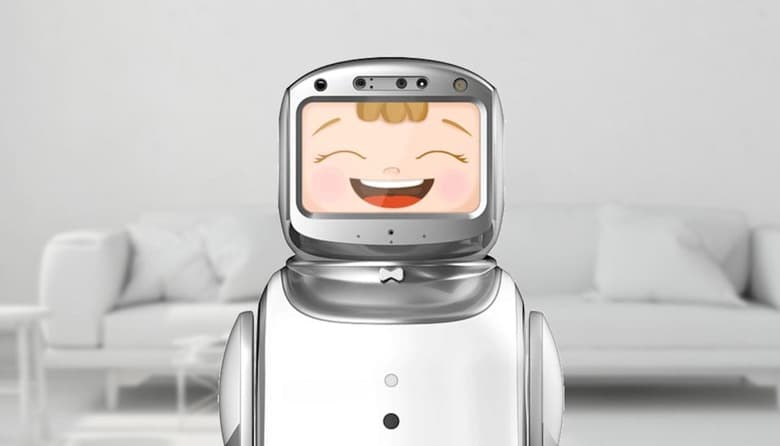
Service humanoid on 3 omnidirectional wheels, 85 cm and 19 kg, 54 sensors, a 10.1-inch touchscreen and Amazon Alexa integration; cloud-enabled and available.
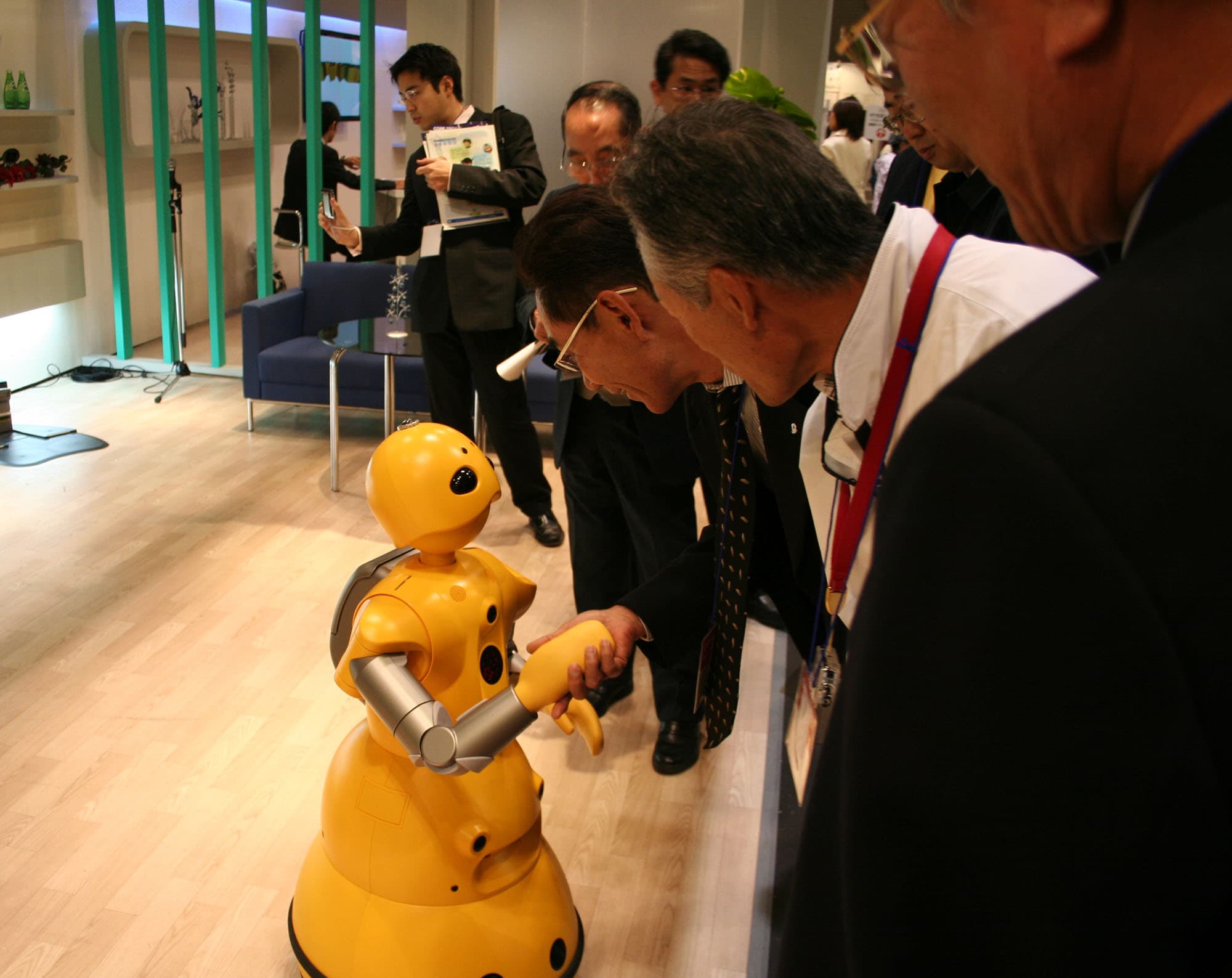
Domestic humanoid on a wheeled base, 100 cm and 30 kg, face and voice recognition, ~10,000 words, ultrasonic and infrared sensors; marketed in Japan since 2005, now discontinued. Emerging technology. Indicative price.
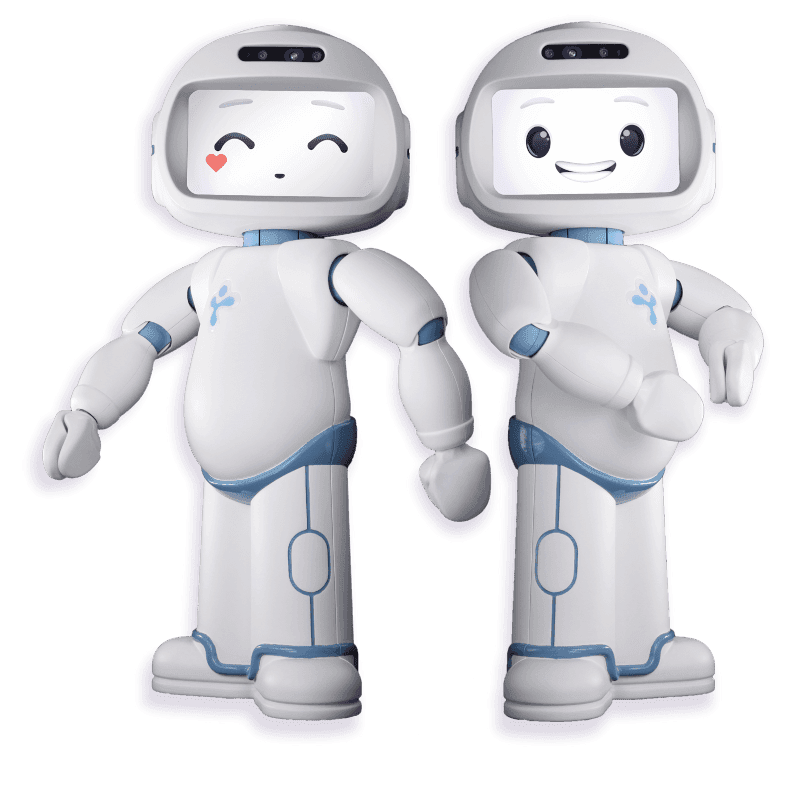
Desktop social humanoid, 63 cm and 5 kg, 12 DOF in the upper body, a screen face for emotions, 3D camera and microphone array, Intel NUC with Ubuntu/ROS; available.

Social humanoid on a wheeled base, 105 cm, 24 motors and 10 DOF in the shoulders, 6 microphones, Android OS, facial expressions and voice dialogue; ~2,000-3,900 USD. Indicative price.
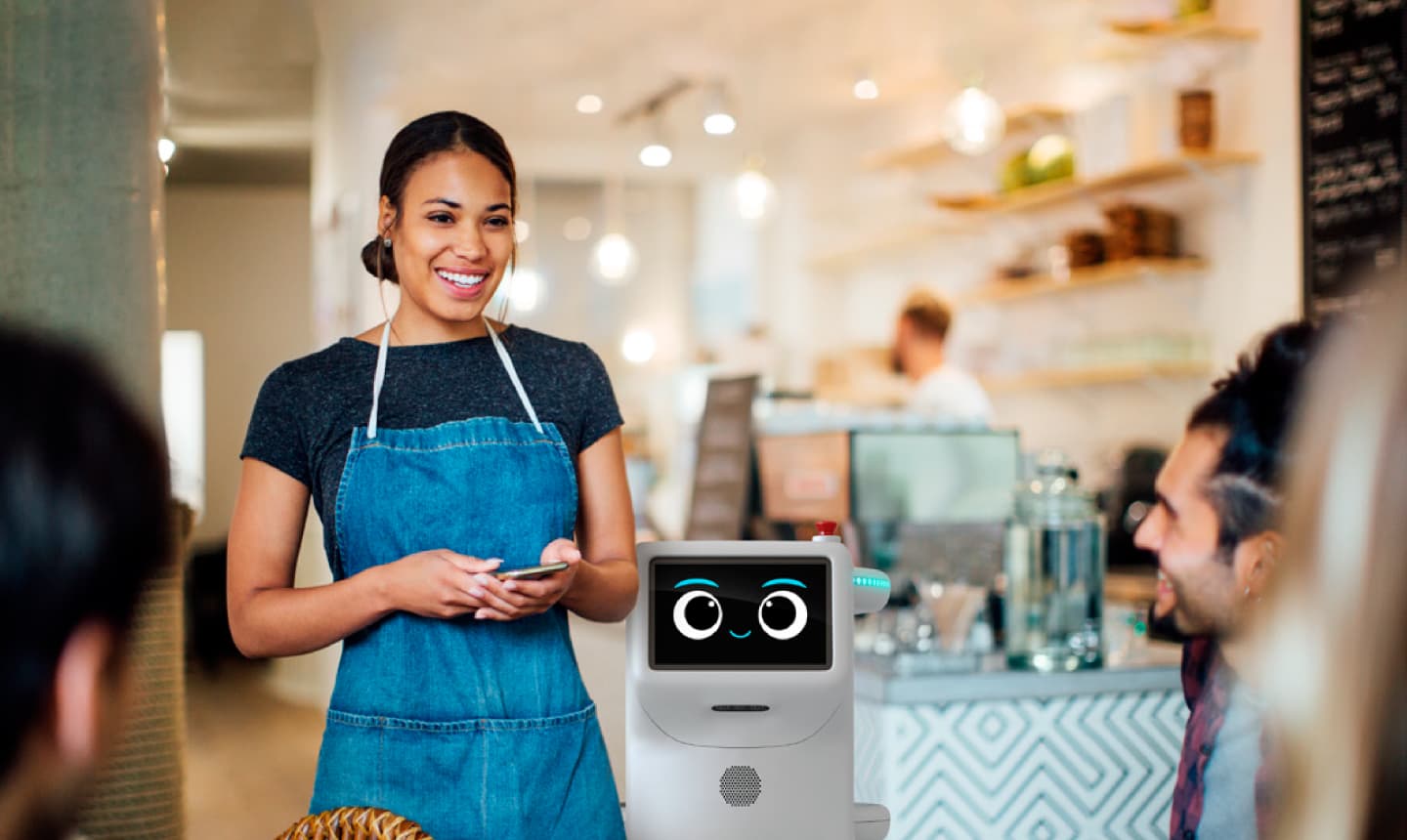
Service cobiot on an autonomous mobile platform with a 10-inch touchscreen and smart indoor navigation, inheriting interactivity from Pepper and NAO; leased at ~$800/month. Indicative price.
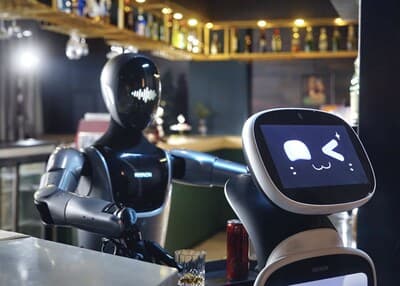
Service humanoid acting as a greeter, powered by the proprietary KOM2.0 VLA model for the service sector, with natural-language interaction and anthropomorphic actions; in pilot deployment. Emerging technology.
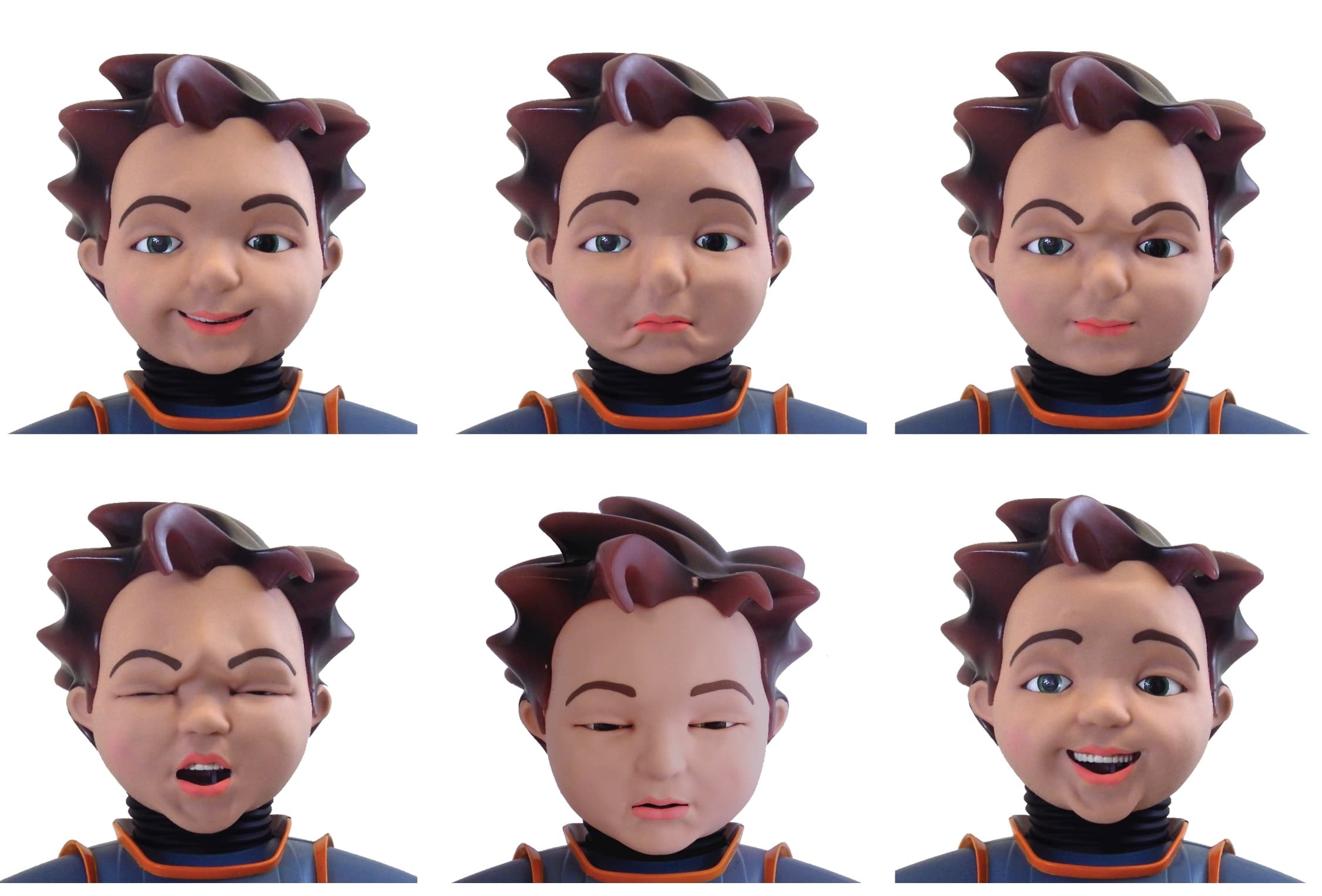
Social humanoid, ~61 cm, that walks, moves its head and arms and reproduces many human facial expressions; used with the Robots4Autism curriculum, available.
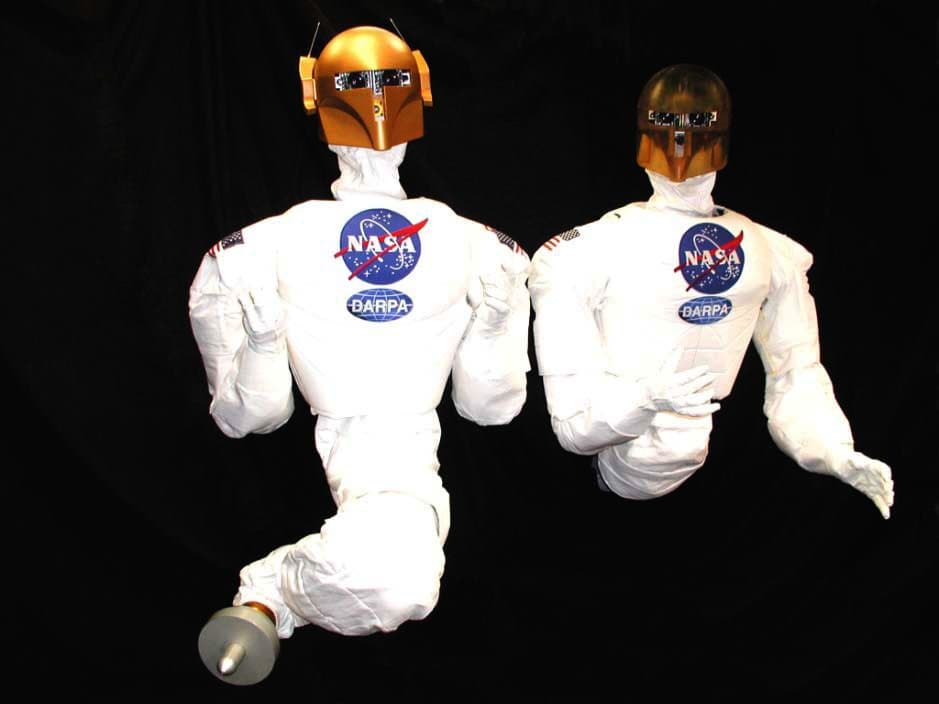
Historic NASA/DARPA torso humanoid (1997-2006), 43 DOF with two 7-DOF arms and dexterous 5-finger hands for teleoperated astronaut tasks. Historic/research robot. Emerging technology.
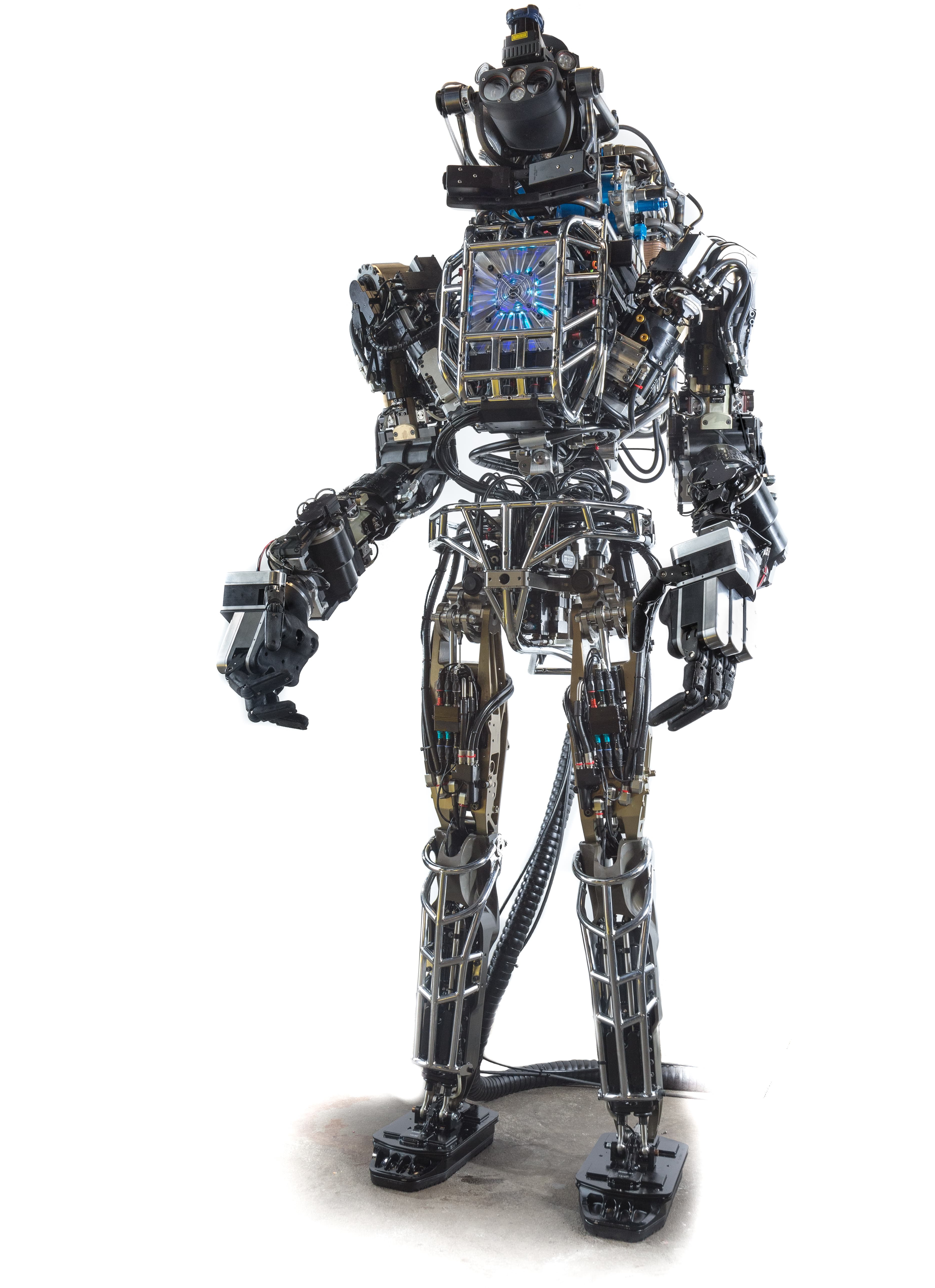
Historic Boston Dynamics hydraulic bipedal humanoid for the DARPA Robotics Challenge (2013), ~188 cm, ~150 kg, 28 hydraulic DOF, a sensor head and tethered power/computer. Historic/research robot. Emerging technology.
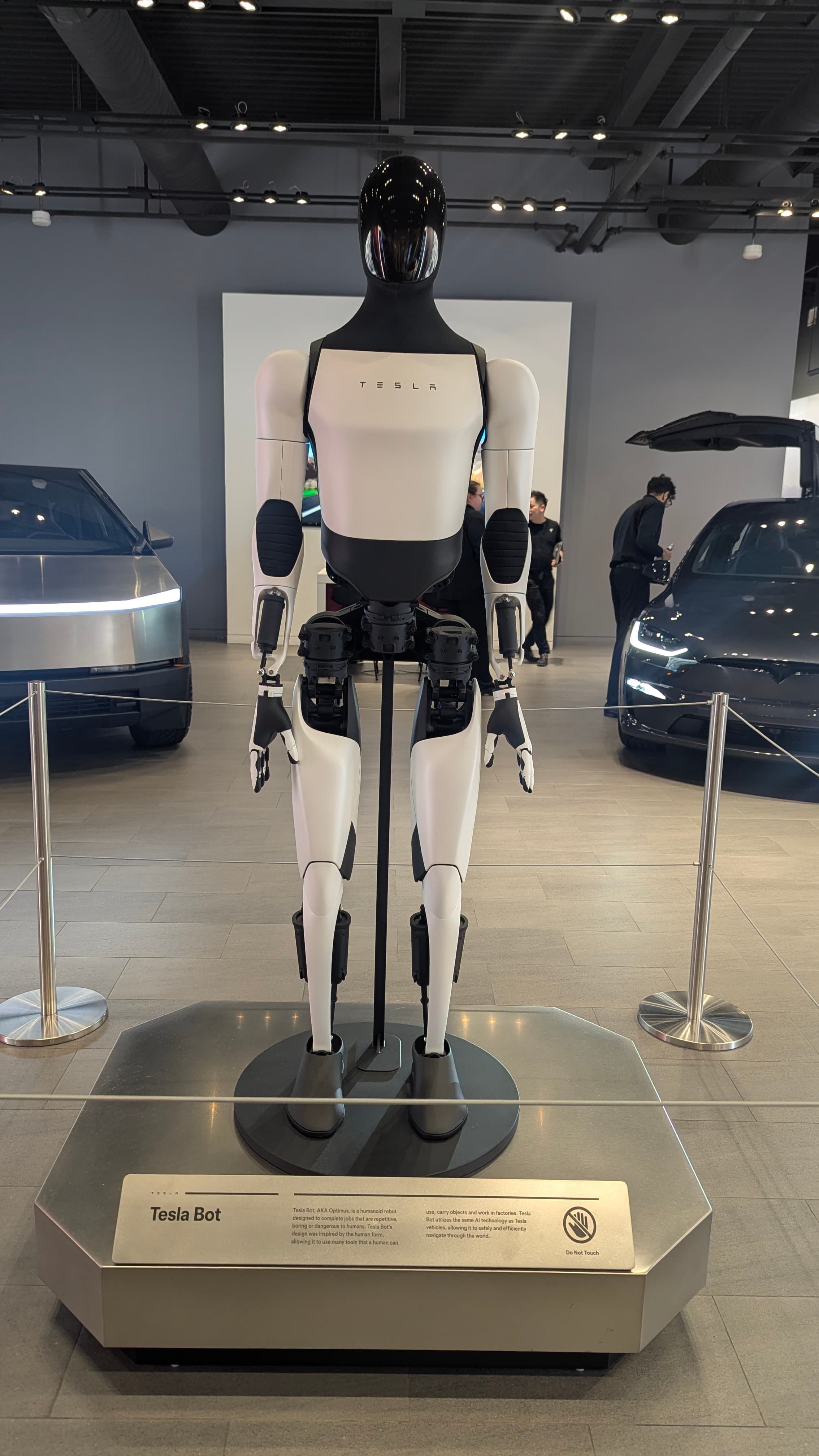
General-purpose bipedal humanoid, 173 cm, with 22 DOF hands and 20 kg payload; internal production started, first commercial customers expected in late 2026. Emerging technology.
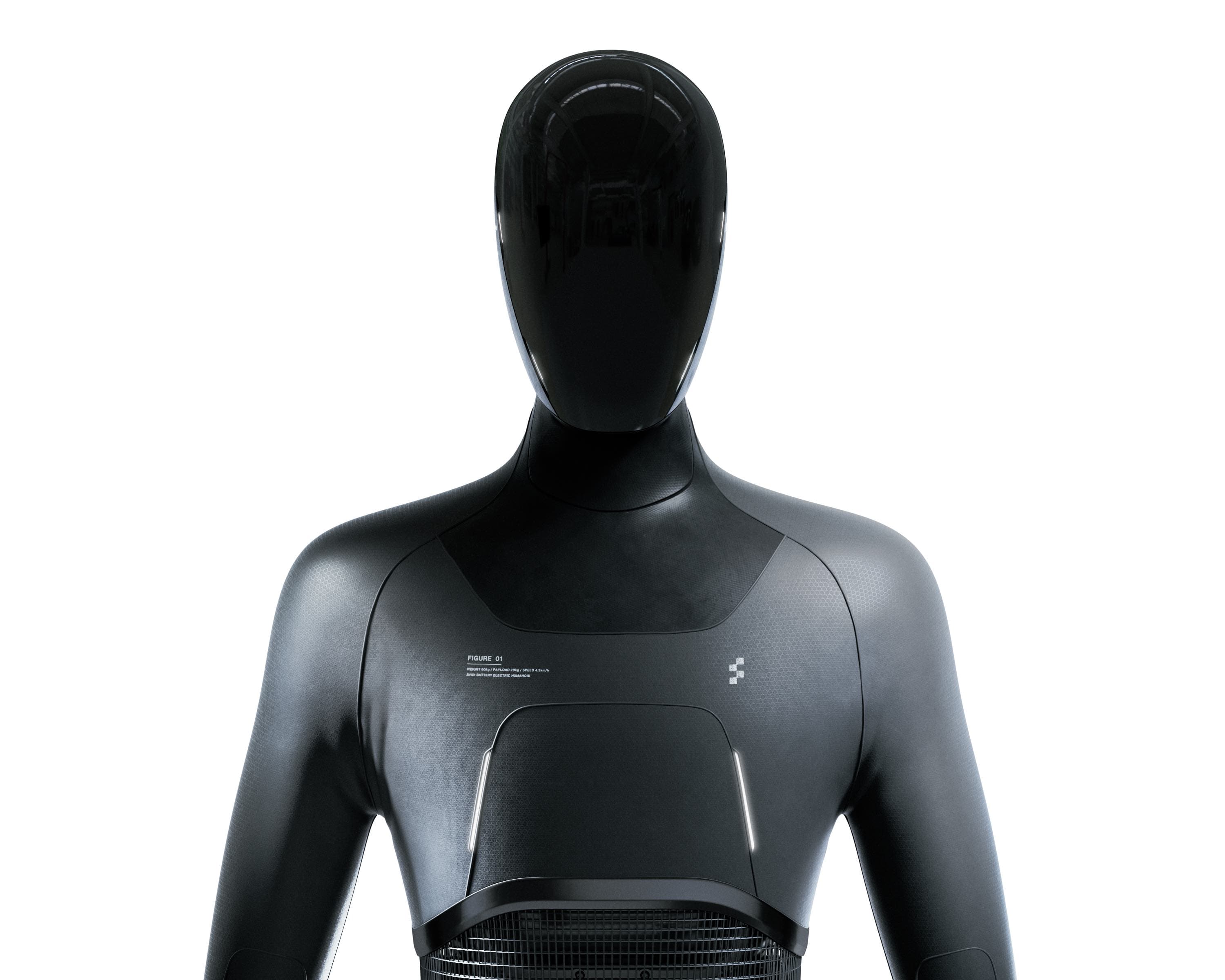
Figure AI's first bipedal humanoid, ~170 cm, with 20 kg payload, tested in a BMW pilot; first-generation platform superseded by 02/03. Emerging technology.
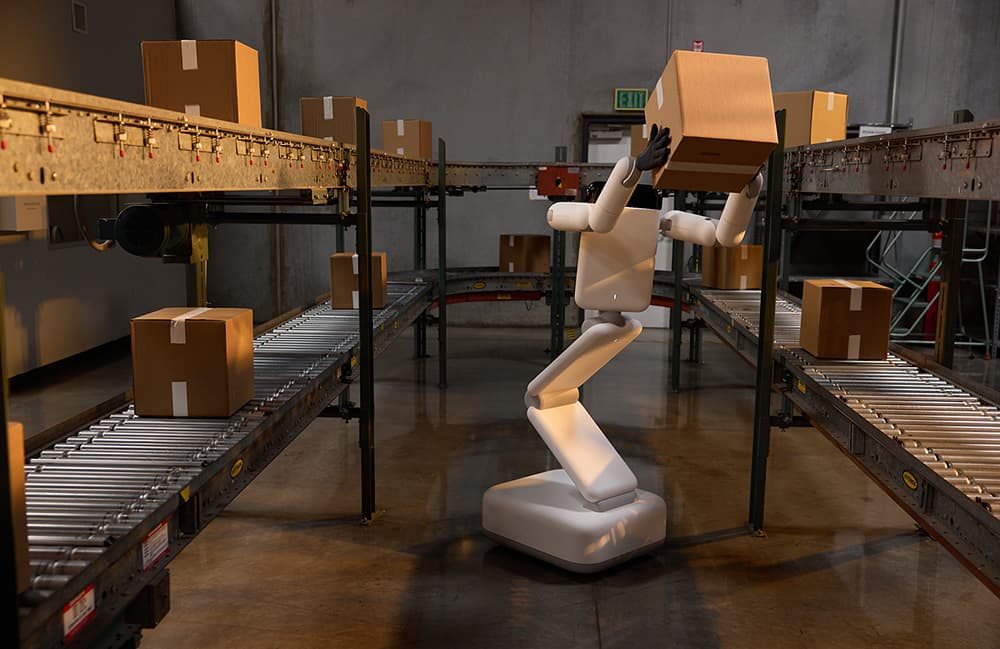
General-purpose robot with a torso and arms on a mobile base, driven by the GENE-26.5 foundation model; design breaking with the traditional humanoid form, production targeted for late 2026. Emerging technology.
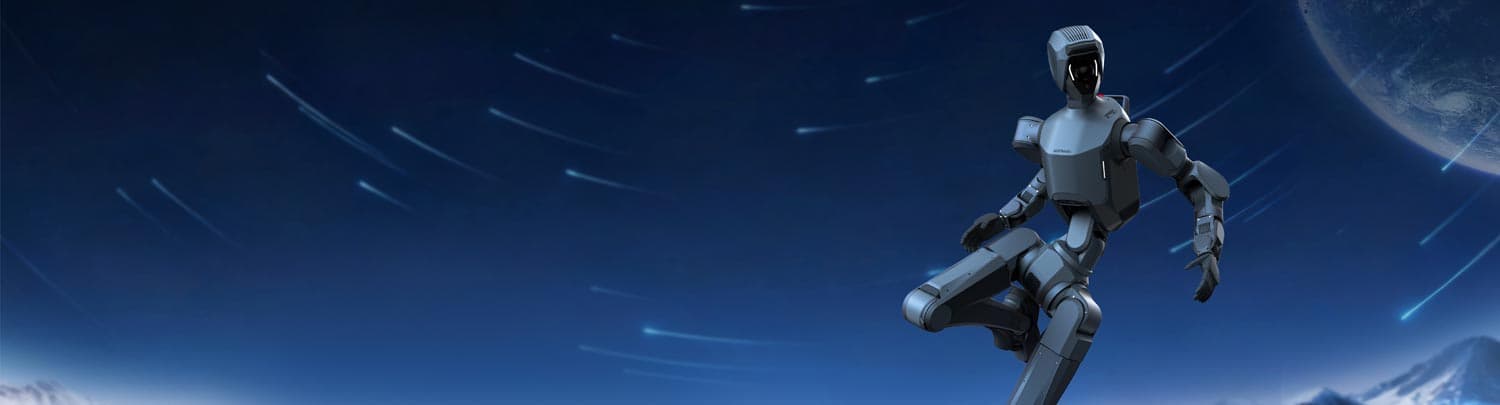
First all-weather industrial humanoid with an IP66 rating, 175 cm and 20 kg payload, operating between -20 and 55 degrees; 275 TOPS computing. Emerging technology.
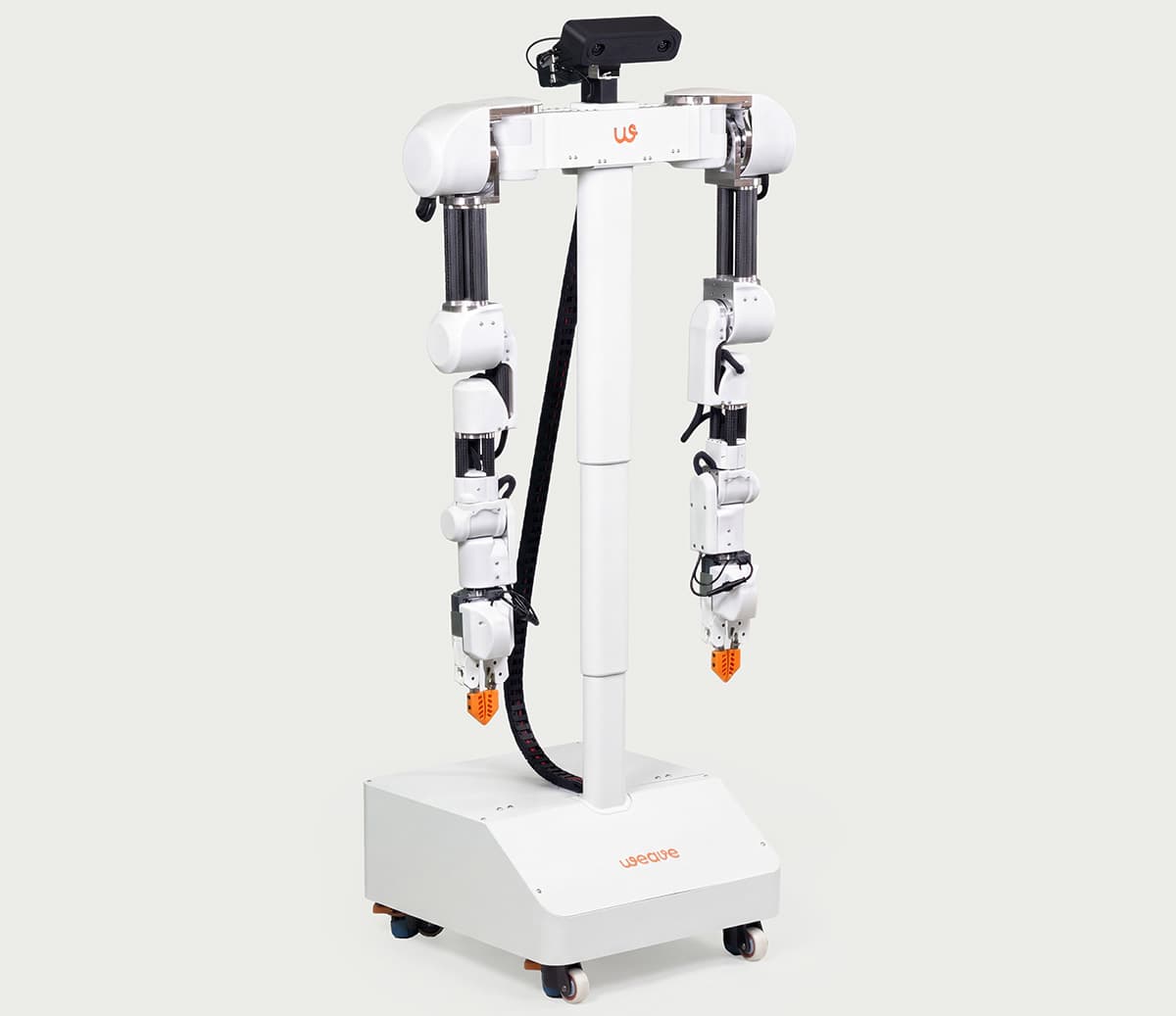
Stationary domestic humanoid with dual 6 DOF arms and adjustable height up to ~170 cm, folding laundry in 30-90 minutes; available for 7,999 dollars or by subscription. Indicative price.
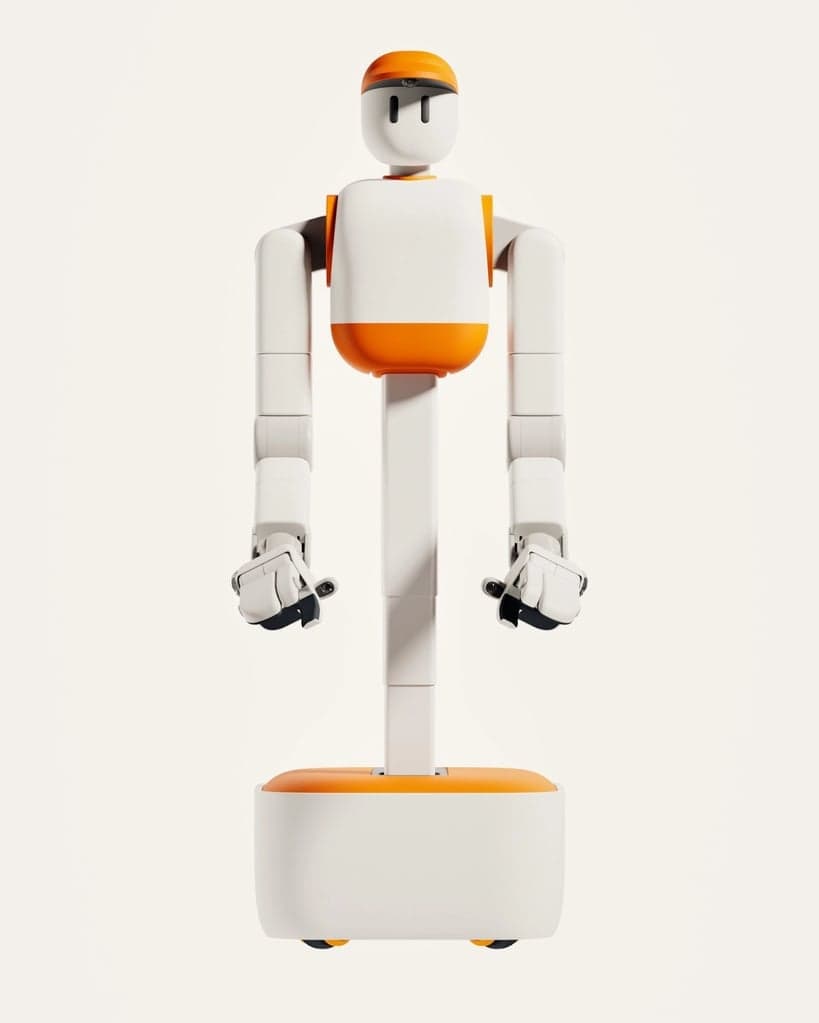
Wheeled domestic humanoid, 170 cm and 77 kg, with arms reaching 2.1 m vertically, trained through the Skill Capture Glove; Founding Family beta planned for late 2026. Emerging technology.
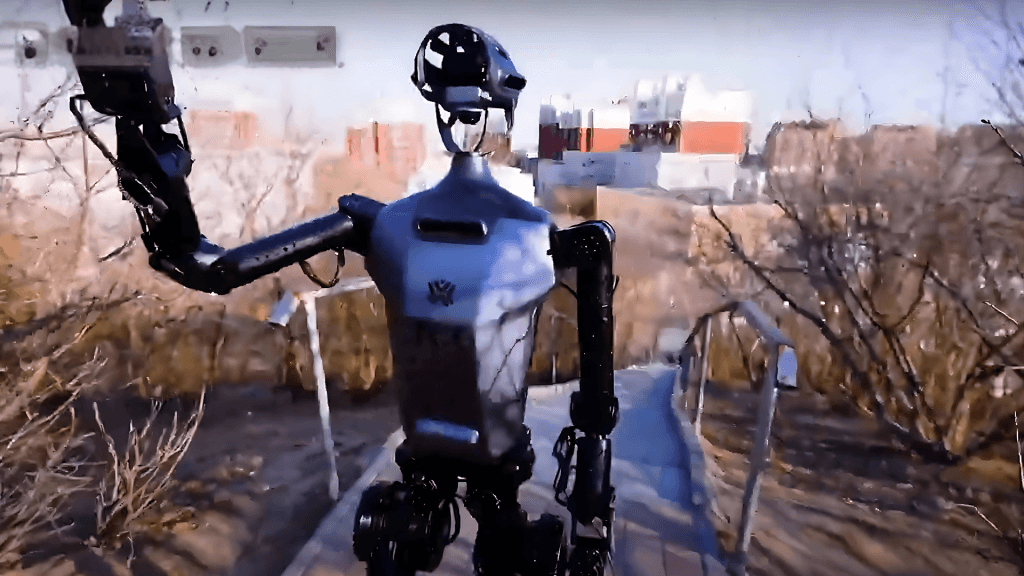
Bipedal humanoid, ~180 cm and 52-55 kg, with a top speed of ~12 km/h, winner of the first humanoid half-marathon; 'Hui Si Kai Wu' platform. Emerging technology.
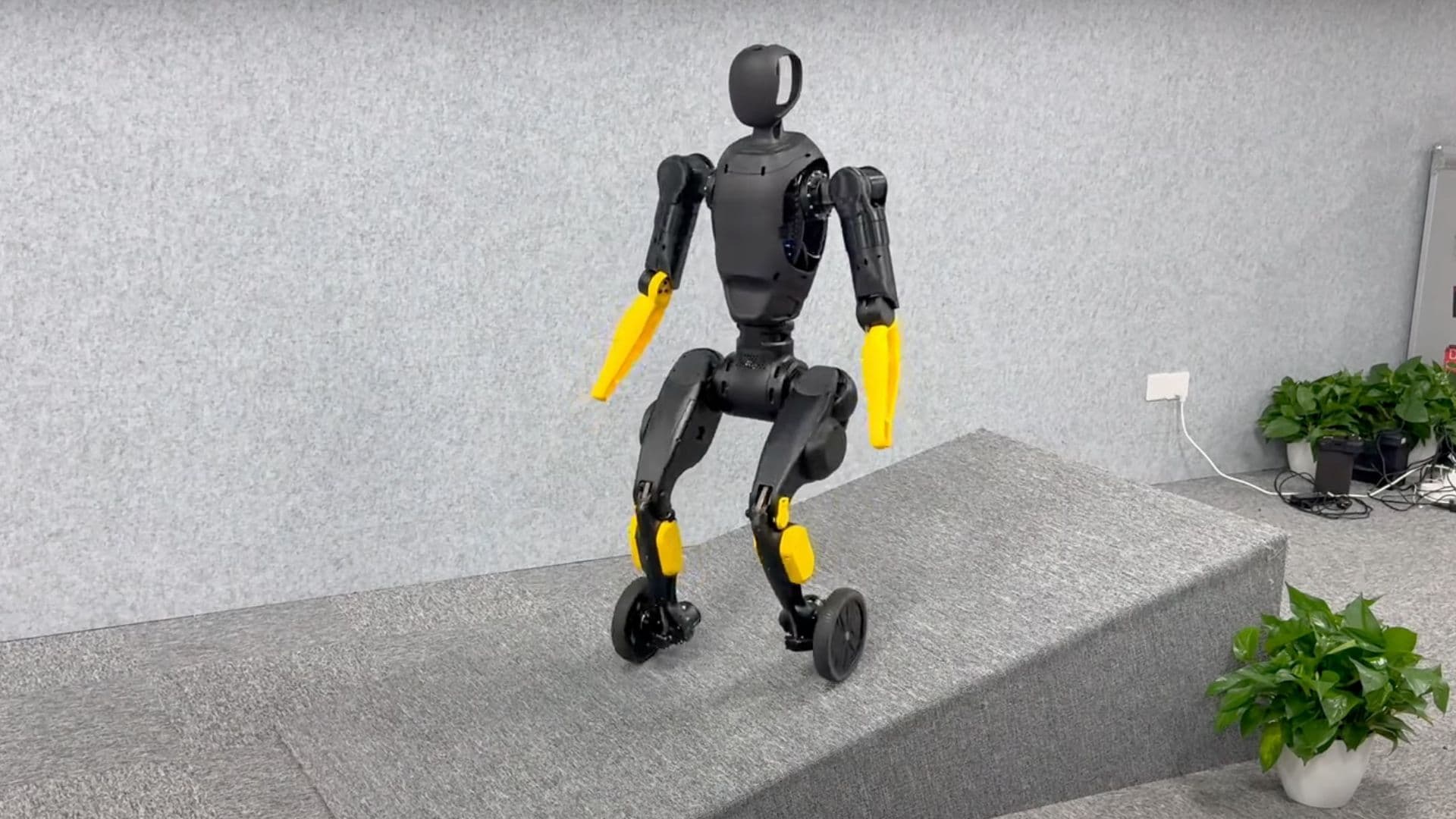
Humanoid, ~1.3 m and ~34 kg, with dual bipedal-wheeled locomotion and proprioceptive navigation without cameras; 3D LiDAR and RGB-D sensor suite. Emerging technology.
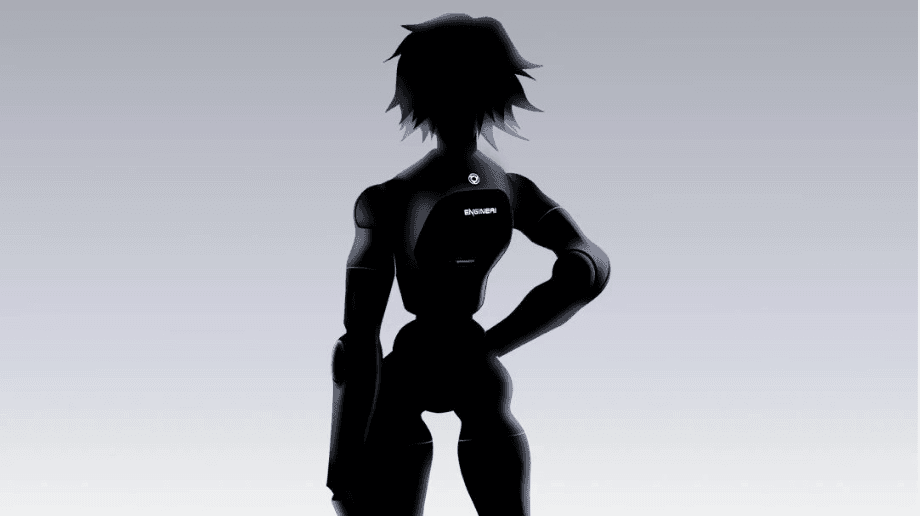
Agile bipedal humanoid, 125 cm and 25 kg, with 28 DOF, an LLM, hi-fi speaker and dual HD cameras; price ~5,500 dollars. Indicative price.
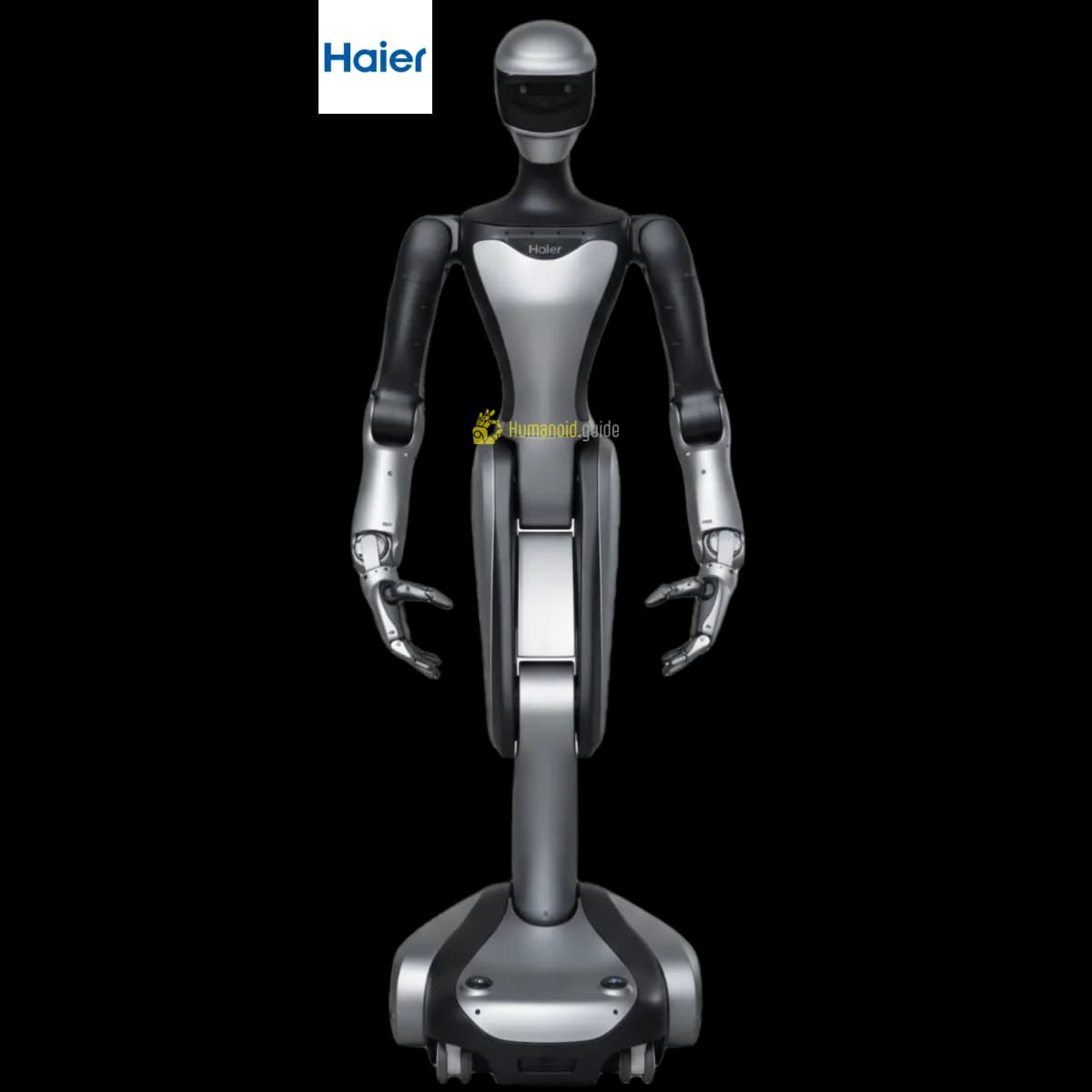
Domestic humanoid on a wheeled base, 165 cm and ~70 kg, with 44 DOF, a customised RobotEra Q5; still teleoperated, not fully autonomous. Emerging technology.
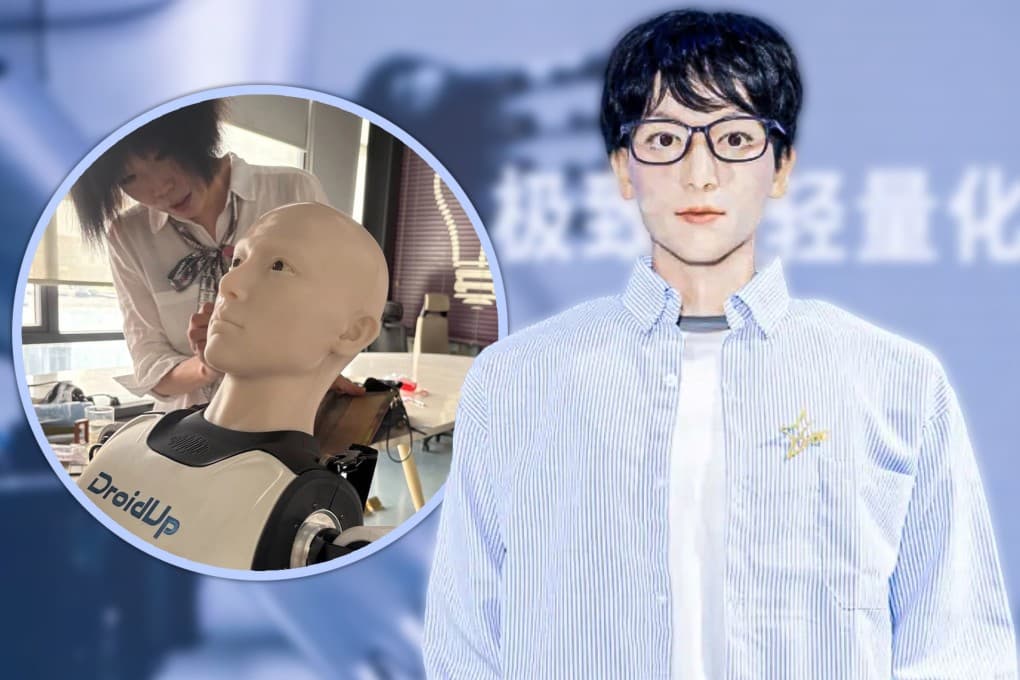
Humanoid android, 175 cm and 30 kg, with silicone skin and realistic facial expressions, developed with USST; first robot admitted to a PhD programme. Emerging technology.
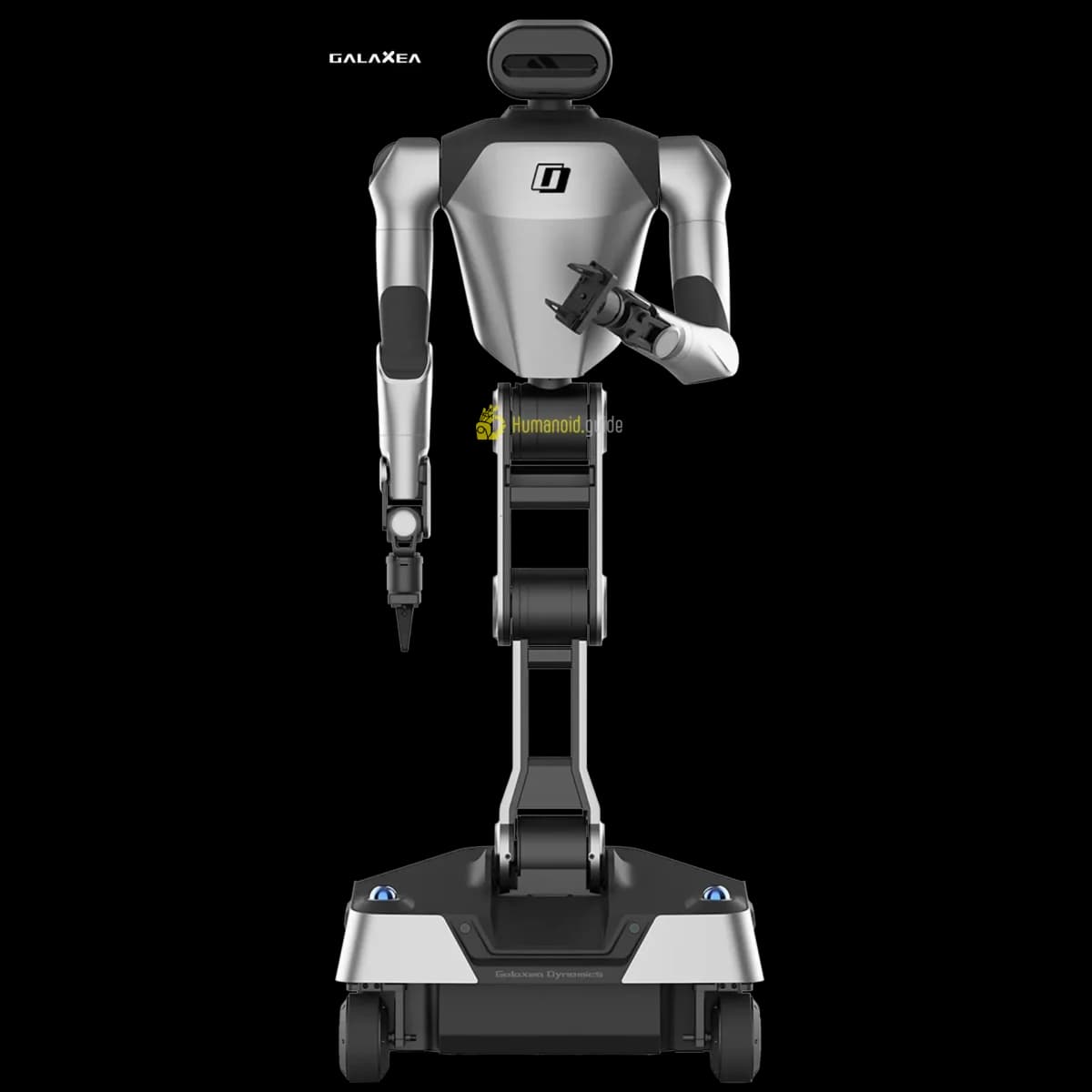
Full-size dual-arm humanoid on a three-wheel chassis, vertical reach up to 2 m; R1 Pro version with 26 DOF, 10 kg payload and Jetson AGX Orin (200 TOPS).
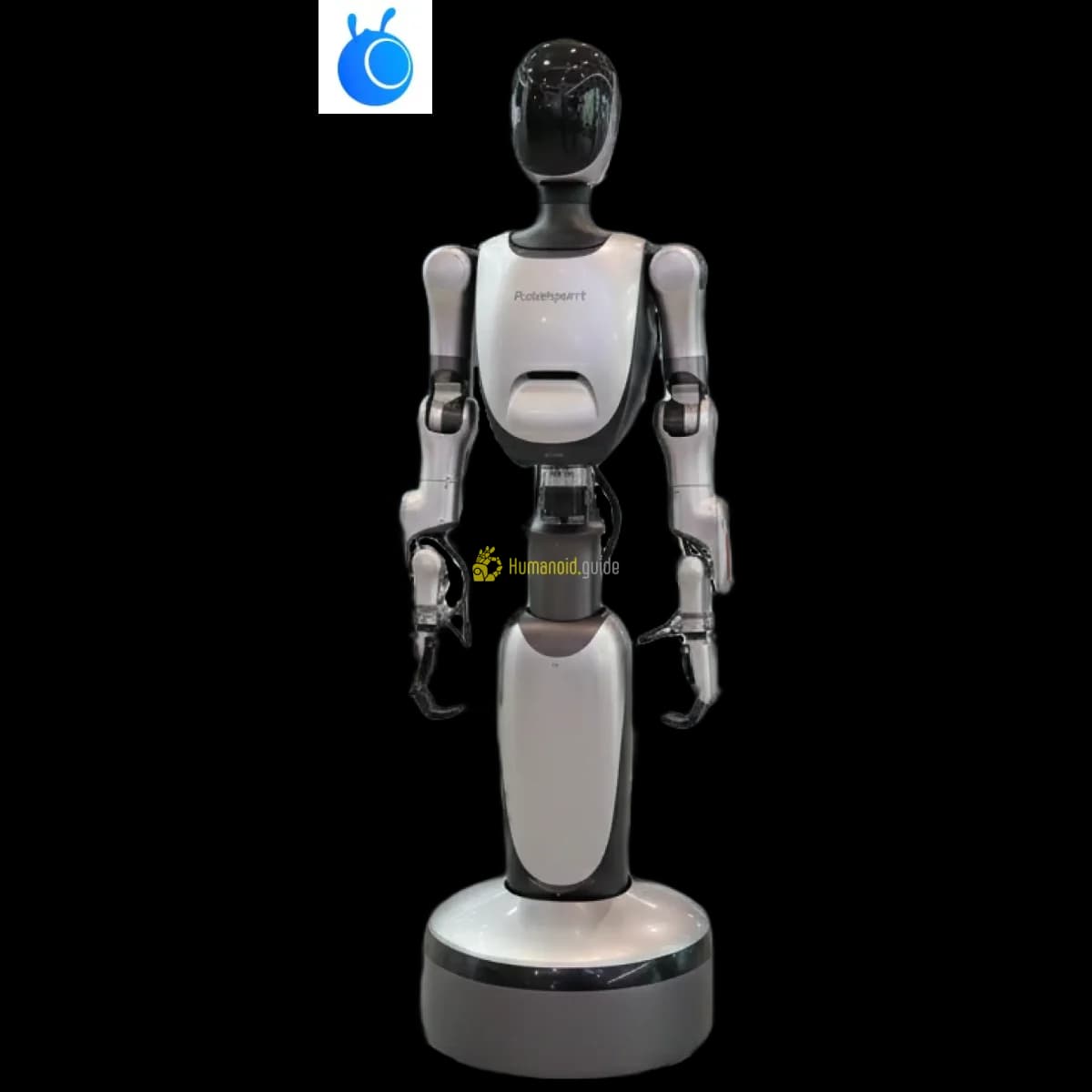
Wheeled dual-arm humanoid, 1.6-1.75 m and 110 kg, with 34 DOF, driven by Ant's proprietary AI model; already in production and delivered to customers. Emerging technology.
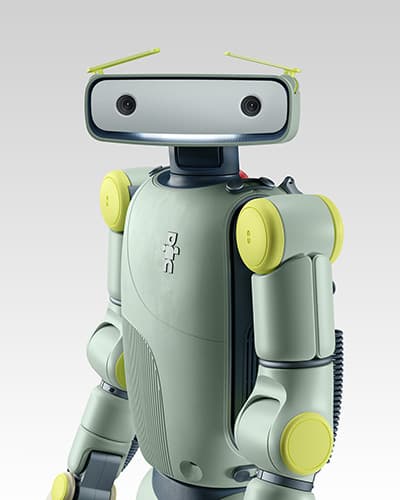
Compact bipedal humanoid, 107 cm and 22.7 kg, with 29 DOF, soft exterior surfaces and conservative torque limits; acquired by Amazon (Personal Robotics Group) in 2026. Indicative price. Emerging technology.
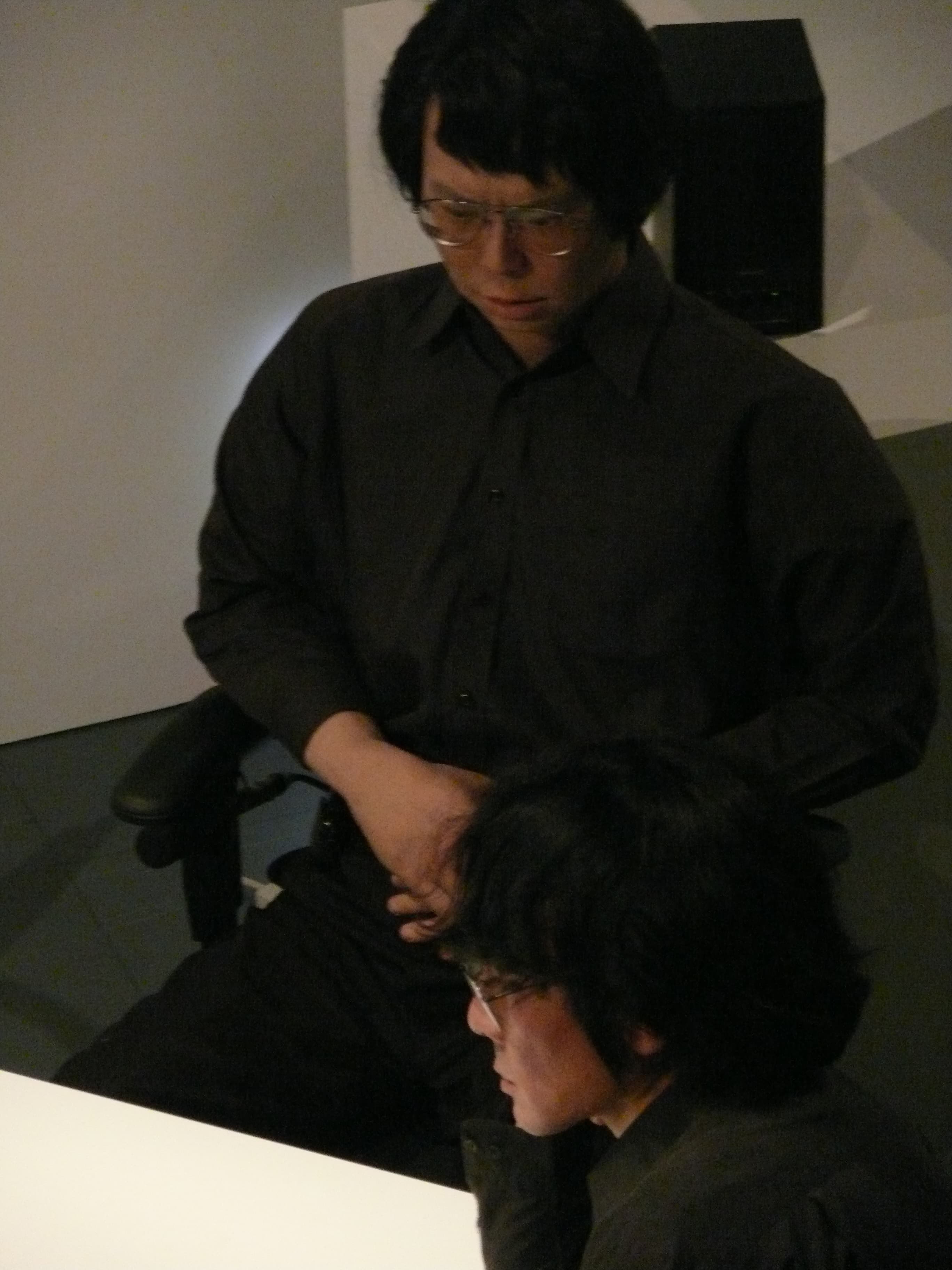
Teleoperated android replica of Hiroshi Ishiguro with 53 DOF, reproducing torso movements and facial expressions through pneumatic actuators; research platform. Emerging technology.

Teleoperated female android with 12 pneumatic actuators for natural facial expressions, widely exhibited; on sale for ~10 million yen. Indicative price.

Autonomous conversational android with human facial expressions and gestures, capable of backchanneling and attentive listening; ERATO research platform. Emerging technology.
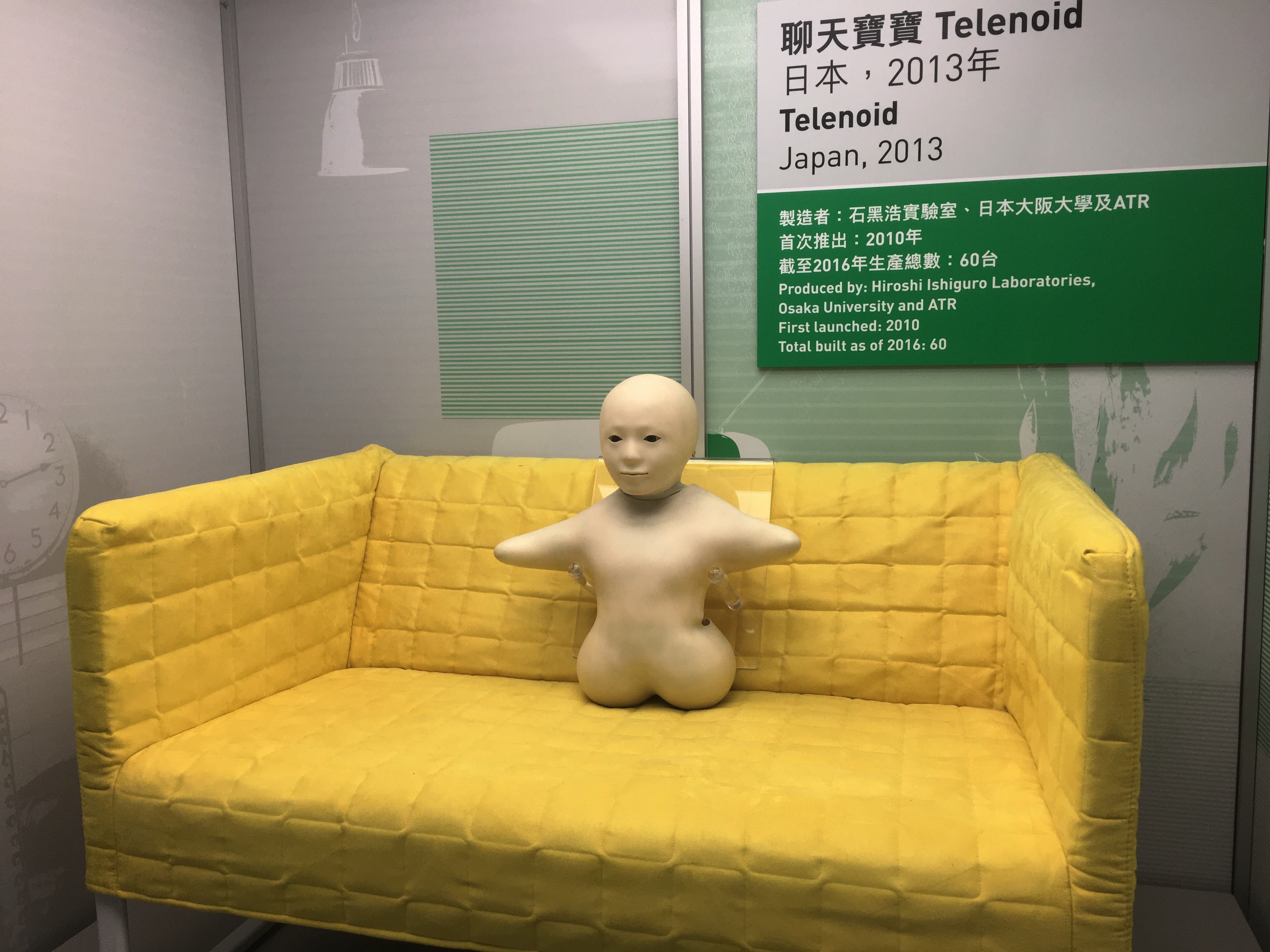
Minimalist teleoperated companion robot in soft vinyl, transmitting the presence and movements of a remote operator, used in therapy for older people. Emerging technology.

Pioneering series of lifelike androids, ~158 cm, with silicone skin and up to 47 articulation points using pneumatic actuators; sold for ~110,000 dollars. Indicative price.
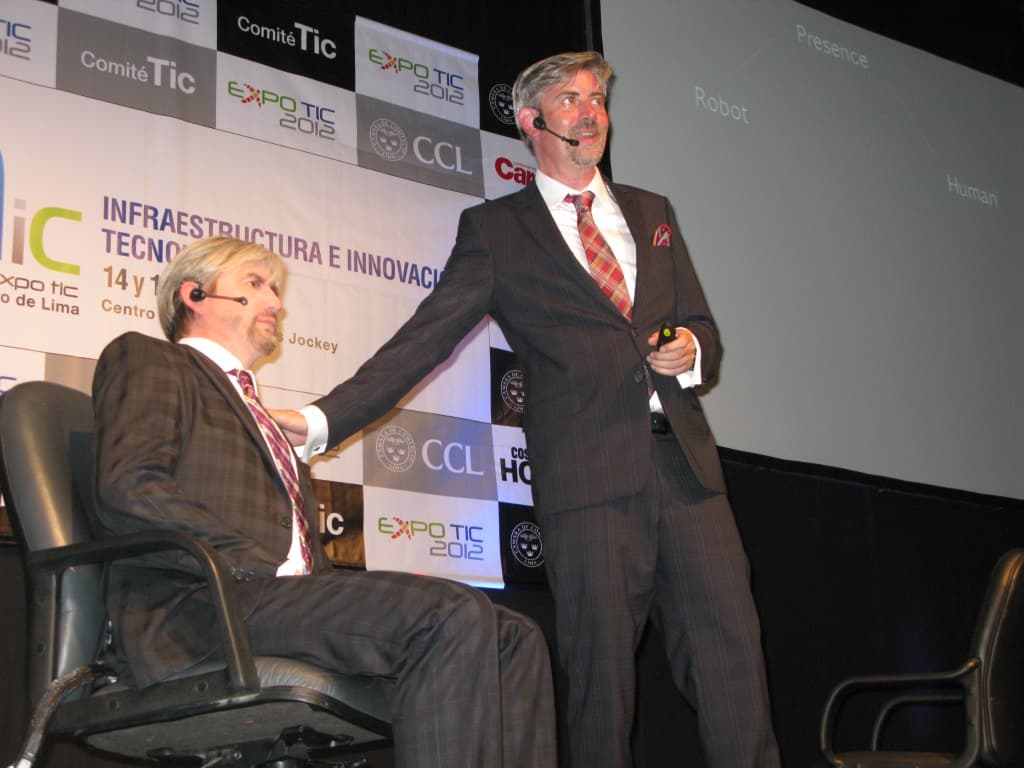
Android replica of Prof. Henrik Scharfe with facial and torso pneumatic actuators, the first Geminoid modelled on a non-Japanese person; cost ~200,000 dollars. Indicative price. Emerging technology.

Social android modelled on Prof. Thalmann, with soft skin, emotional expression and memory of conversations; manufactured by Kokoro. Emerging technology.
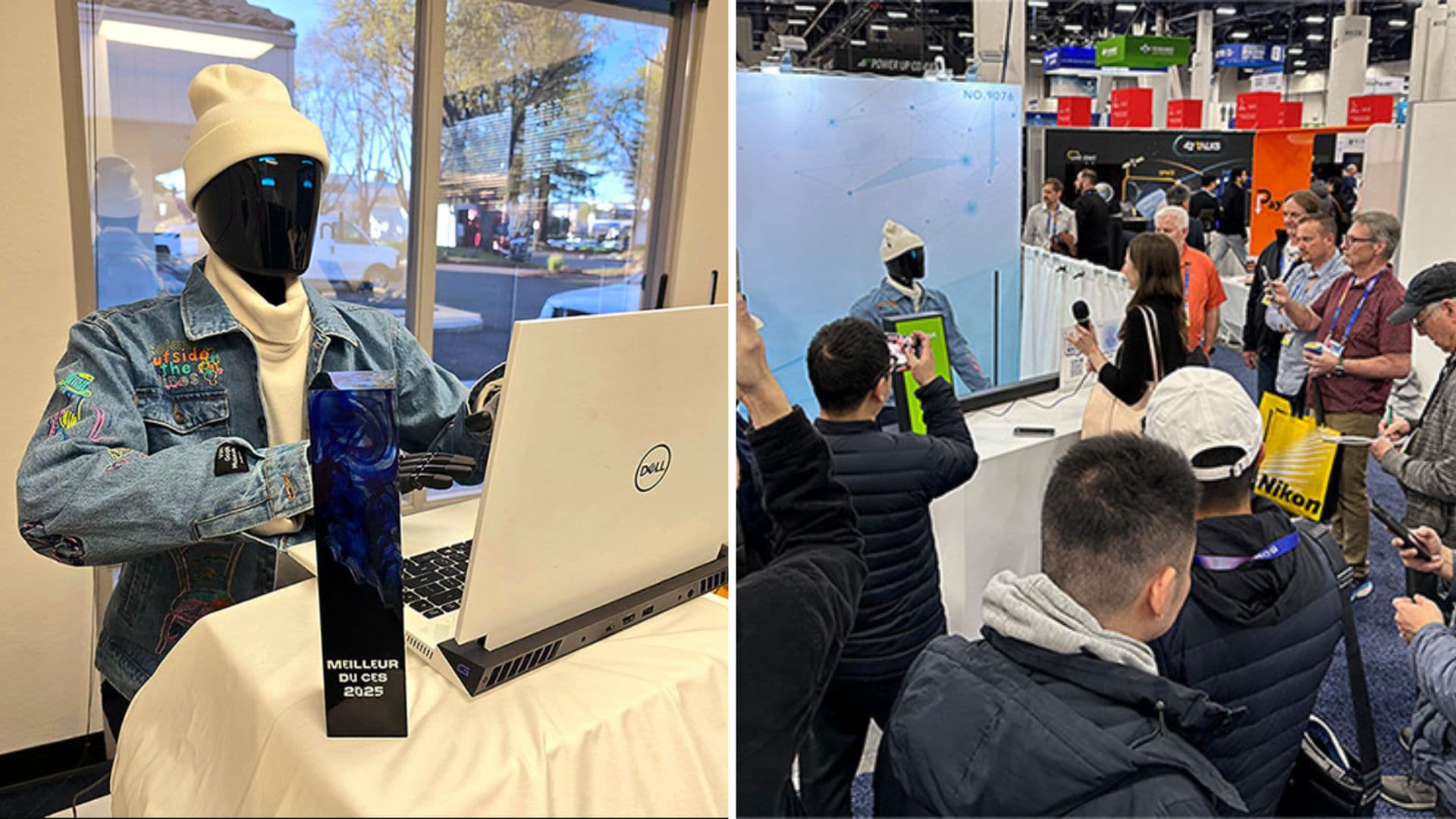
Service humanoid powered by the NVIDIA Cosmos platform, with an interactive persona and social autonomy demonstrated live at CES; for hospitality. Emerging technology.
Expressive android with nanotech Frubber skin and actuators for over 60 facial expressions, focused on interaction and perception; service platform. Emerging technology.

Torso android (head and shoulders) with 32 facial motors for 64 expressions, built by Hanson for Martine Rothblatt's Terasem; replica of Bina Aspen. Emerging technology.
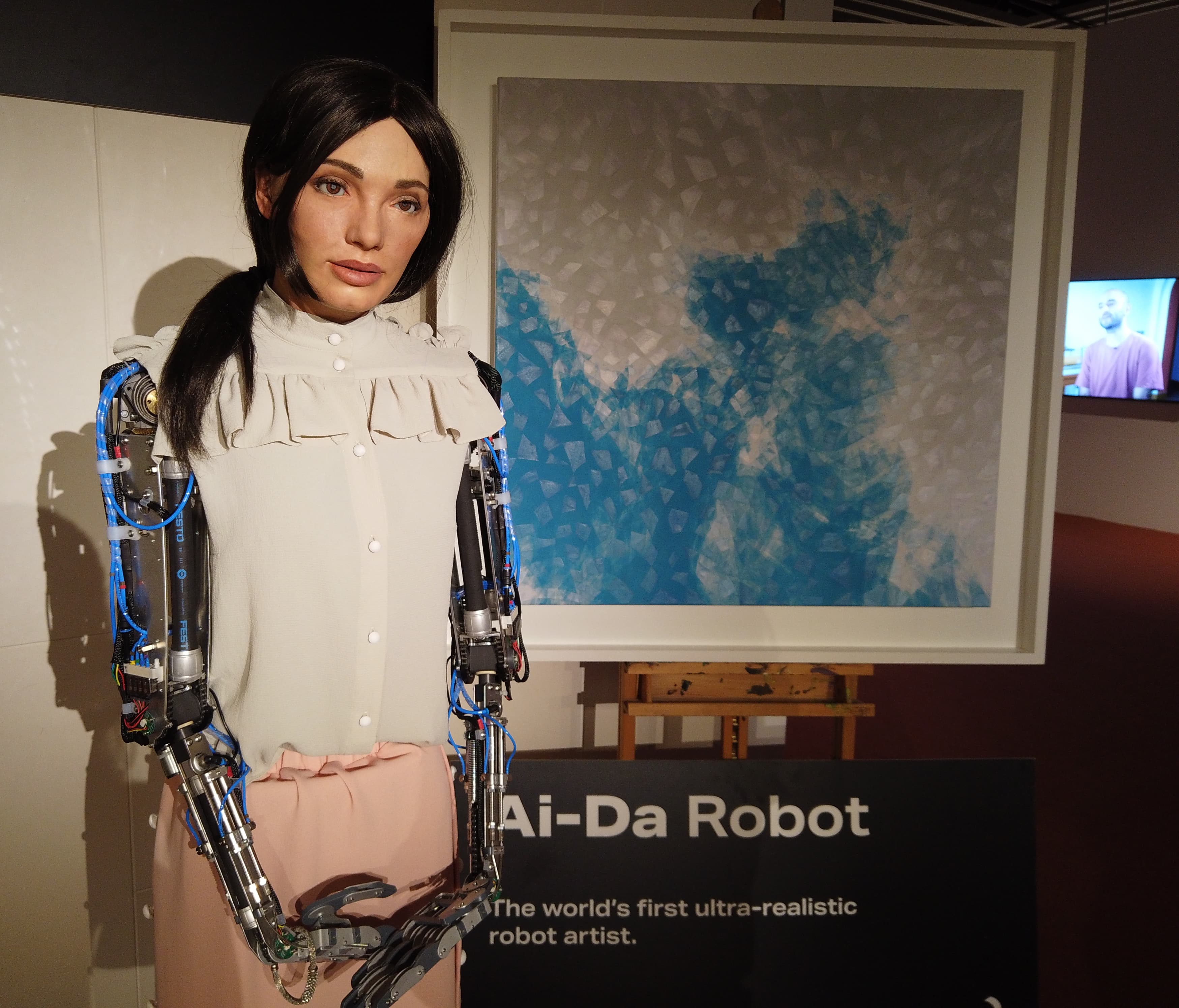
Hyper-realistic artist robot on a RoboThespian body with an Engineered Arts Mesmer head; draws and paints through eye-mounted cameras and a robotic arm (does not walk). Emerging technology.
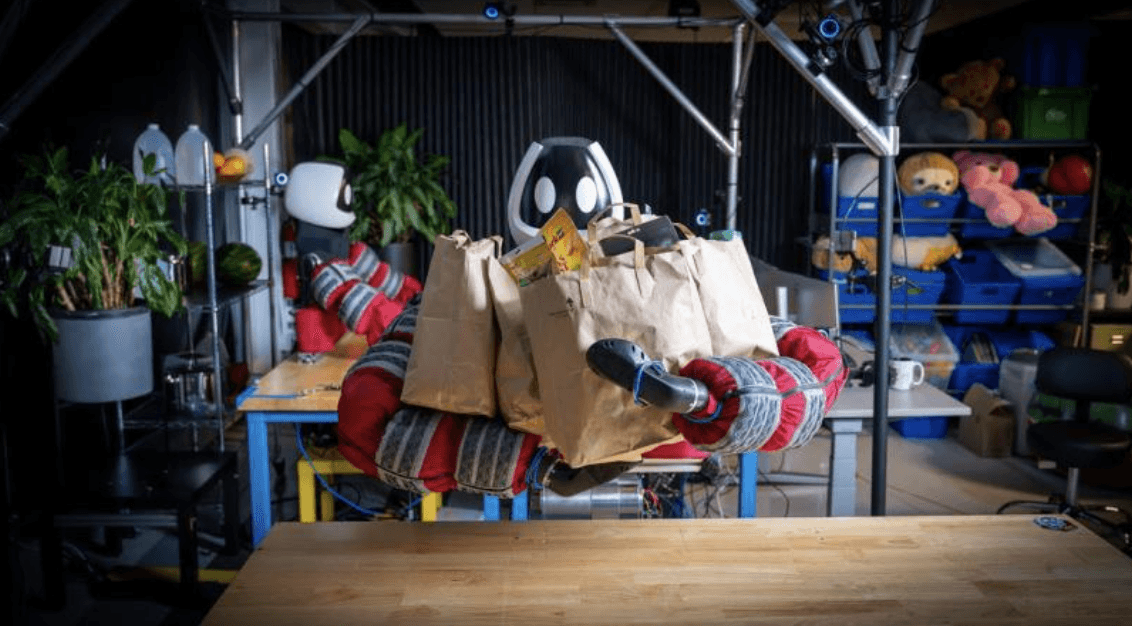
Upper-body humanoid research platform with arms, a rigid torso and a waist actuator, covered in soft materials and tactile sensors for whole-body manipulation; without legs. Emerging technology.
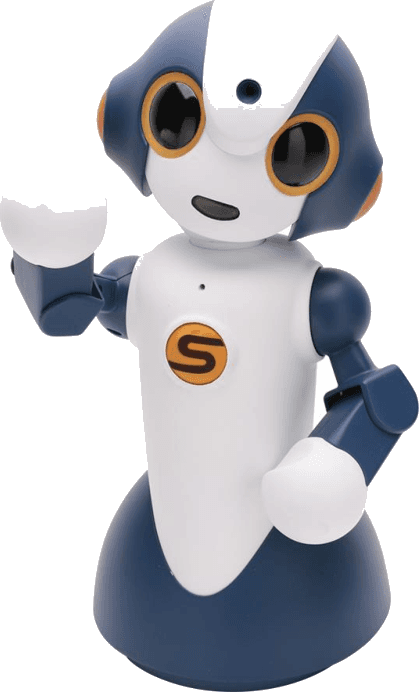
Desktop social humanoid, 28 cm, with a torso, head and two gesturing arms, developed with Osaka University; price ~100,000 yen. Indicative price.
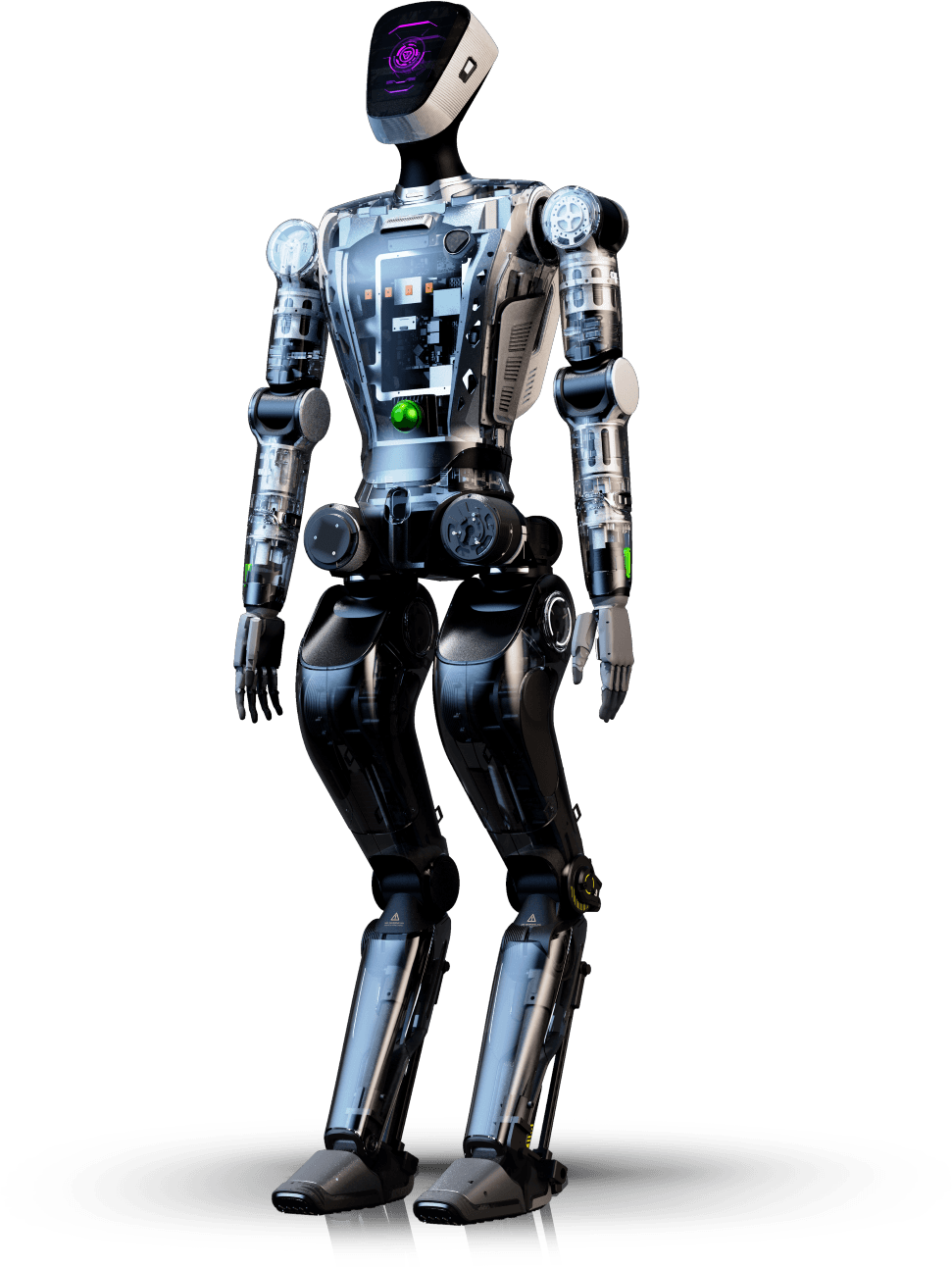
Bipedal humanoid, 175 cm and 53 kg, with 49 DOF and SkillHand hands with fingertip cameras; 200 TOPS, 5 kg payload per arm, price below 27,400 dollars. Indicative price. Emerging technology.
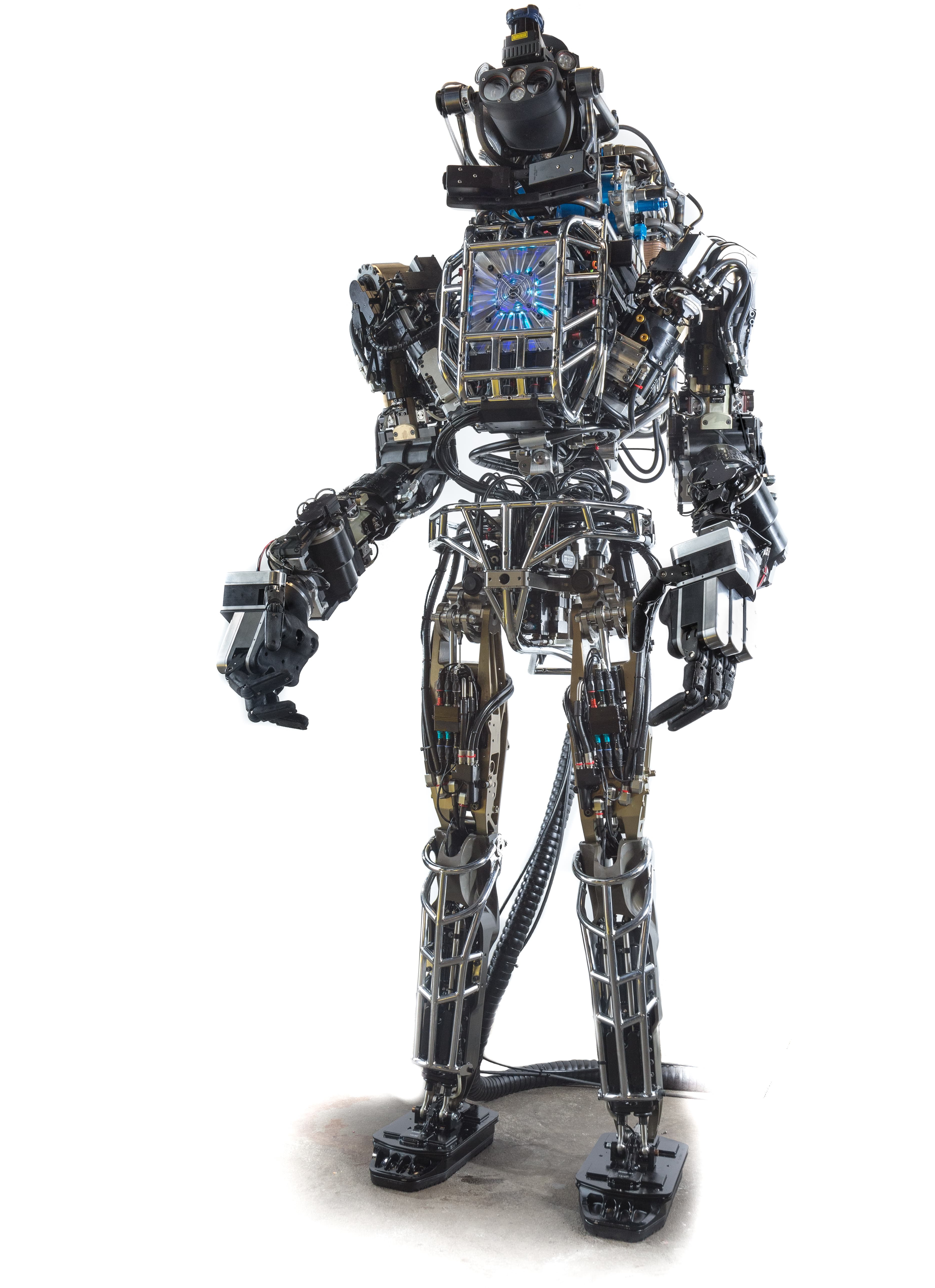
Hydraulic bipedal humanoid, around 150 cm, ~28 DOF, famous for backflips and parkour; research platform retired in 2024. Emerging technology.
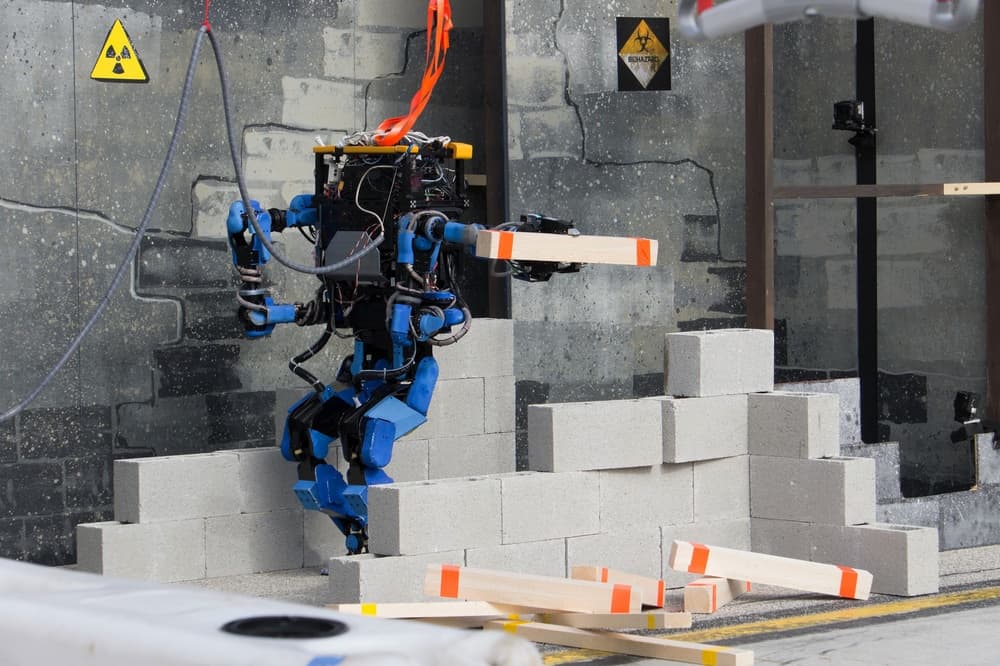
Bipedal humanoid, 148 cm and 95 kg, winner of the DARPA Robotics Challenge Trials 2013, later acquired by Google. Emerging technology.
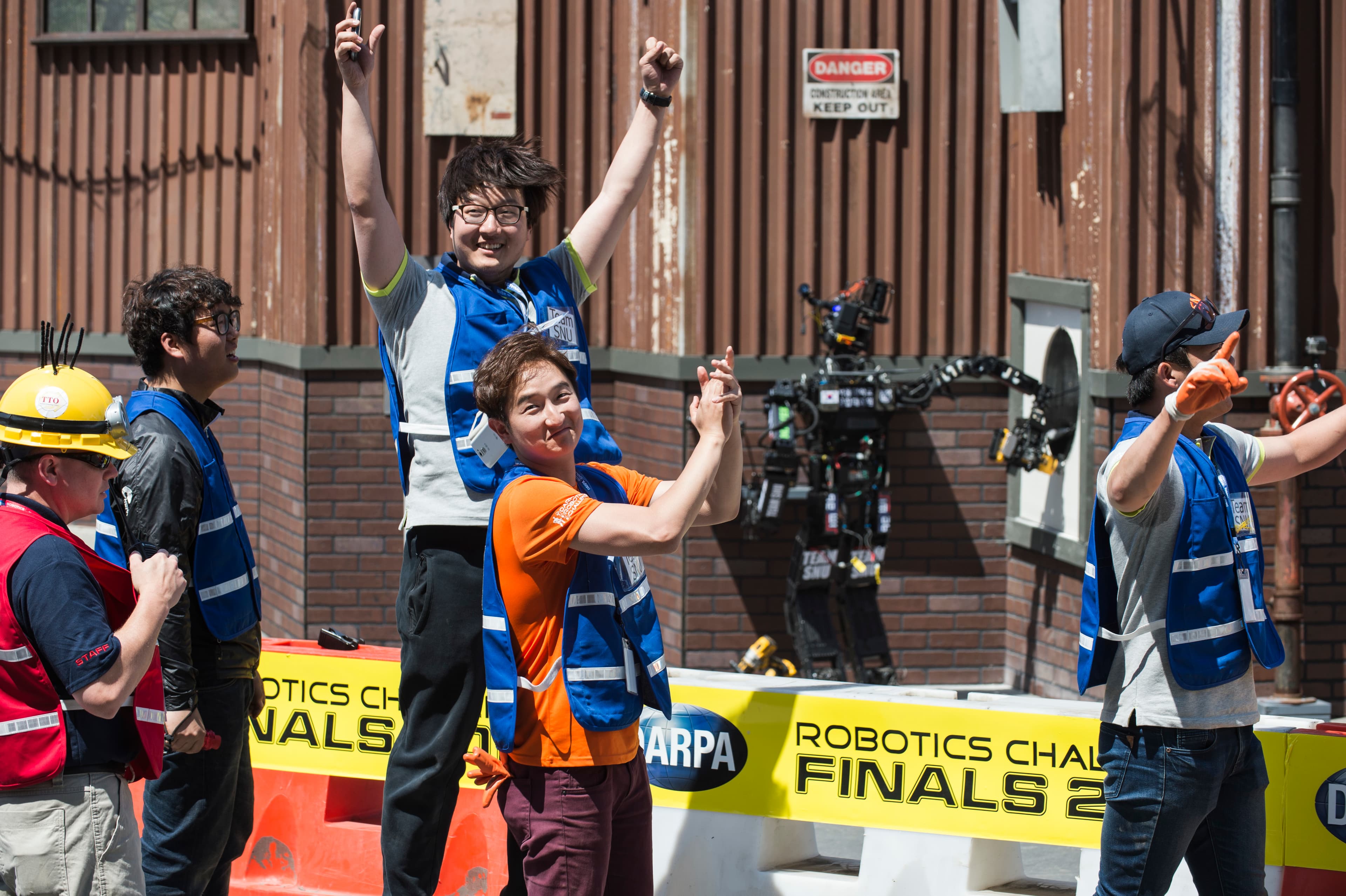
Bipedal humanoid, 1.78 m, 34 DOF, with custom series-elastic linear actuators; DARPA Robotics Challenge platform (Team THOR/VALOR). Emerging technology.
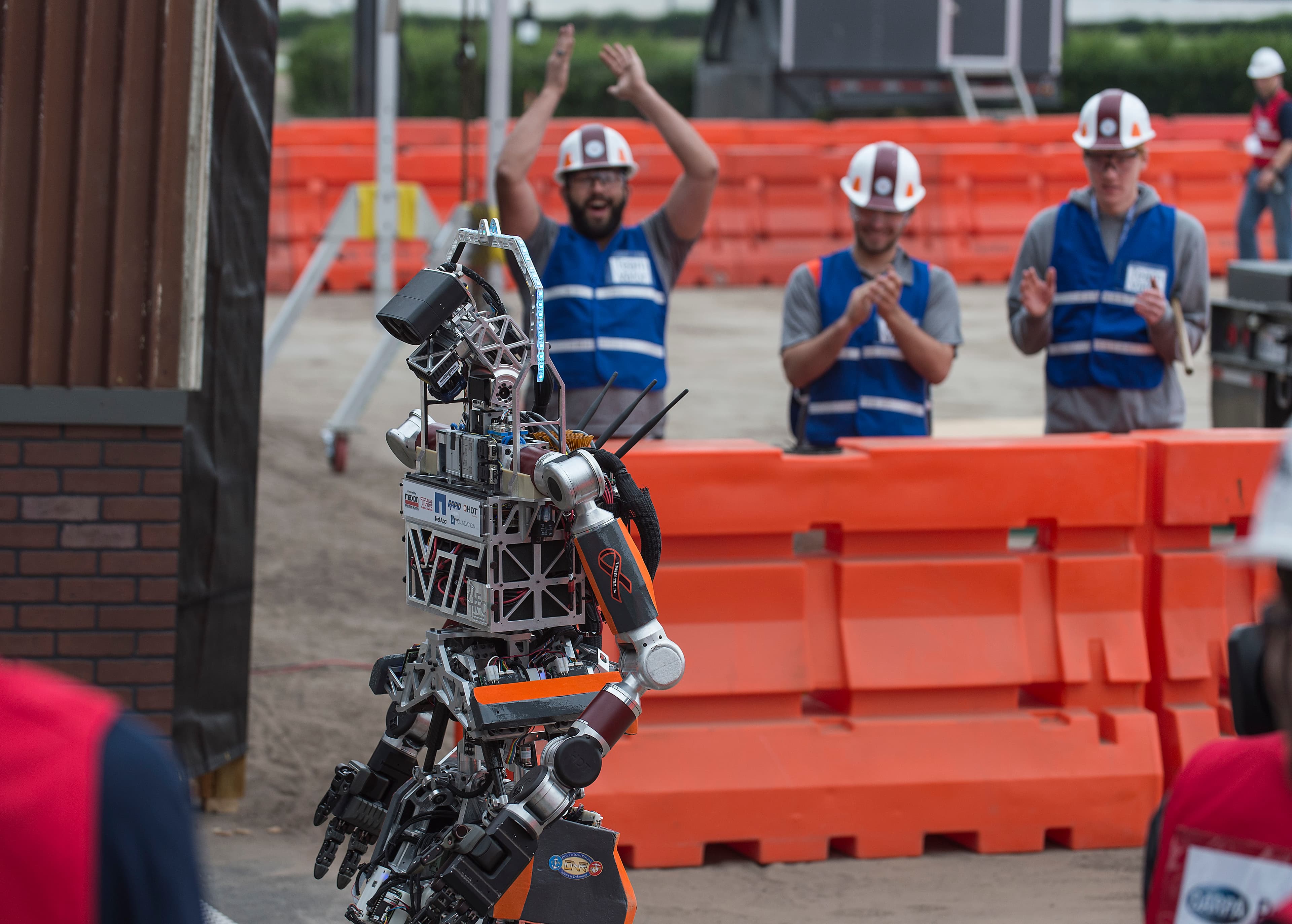
Force-controlled bipedal humanoid, around 1.78 m, with series-elastic actuators; crossed the 61 m of loose terrain at the DARPA DRC Finals 2015. Emerging technology.
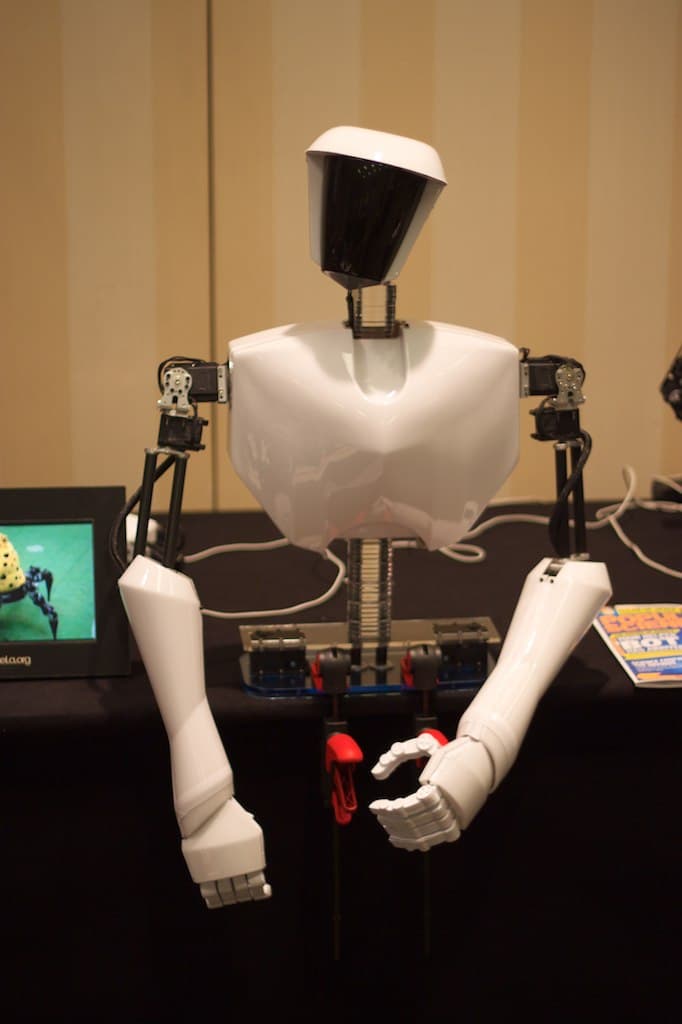
First autonomous full-size US humanoid (2010), 1.52 m, with 36 electric motors and ~36 DOF; RoboCup champion. Emerging technology.
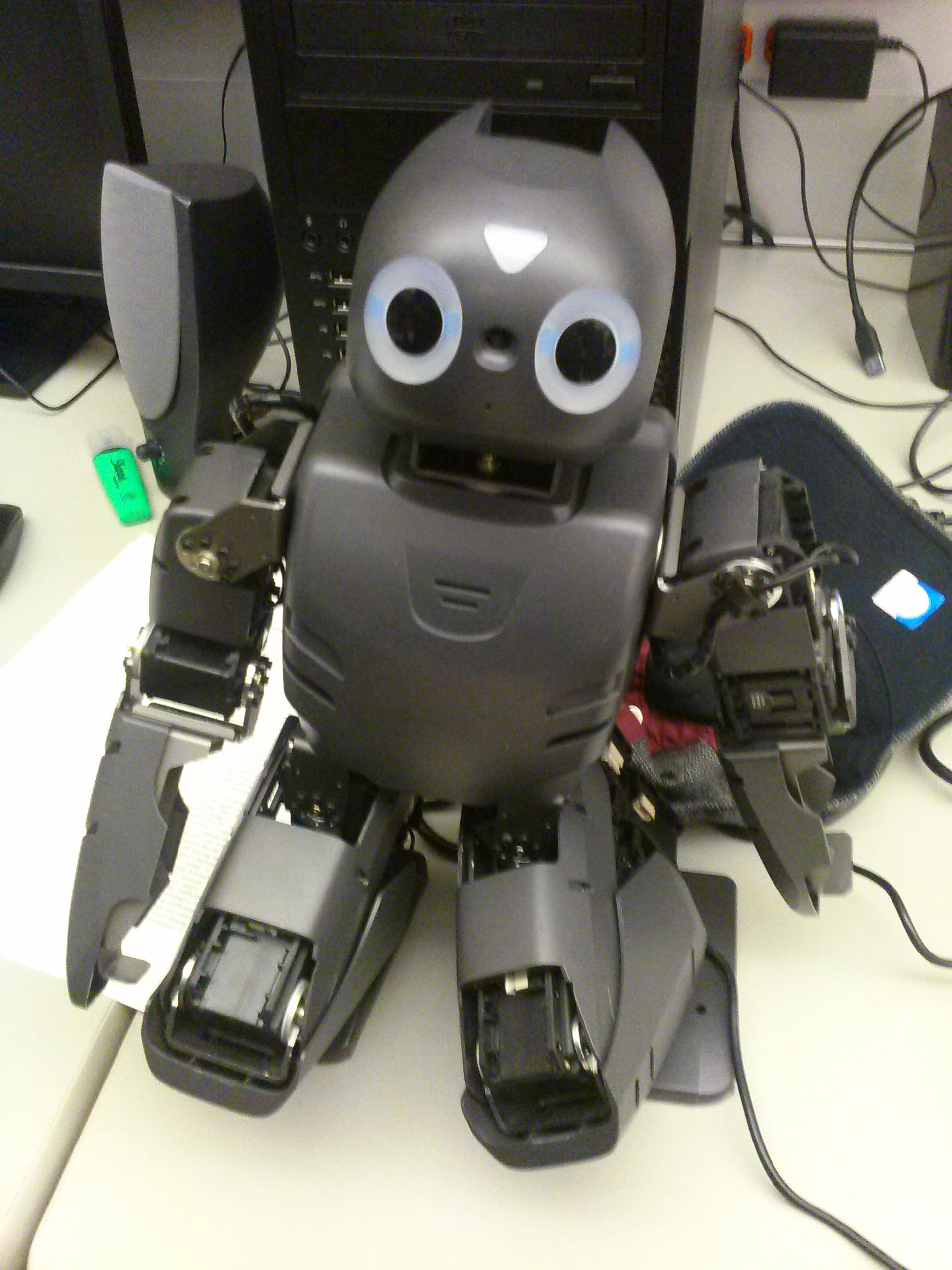
Miniature open-platform humanoid, 45 cm, with 20 DOF, manufactured and sold by ROBOTIS for research and education.
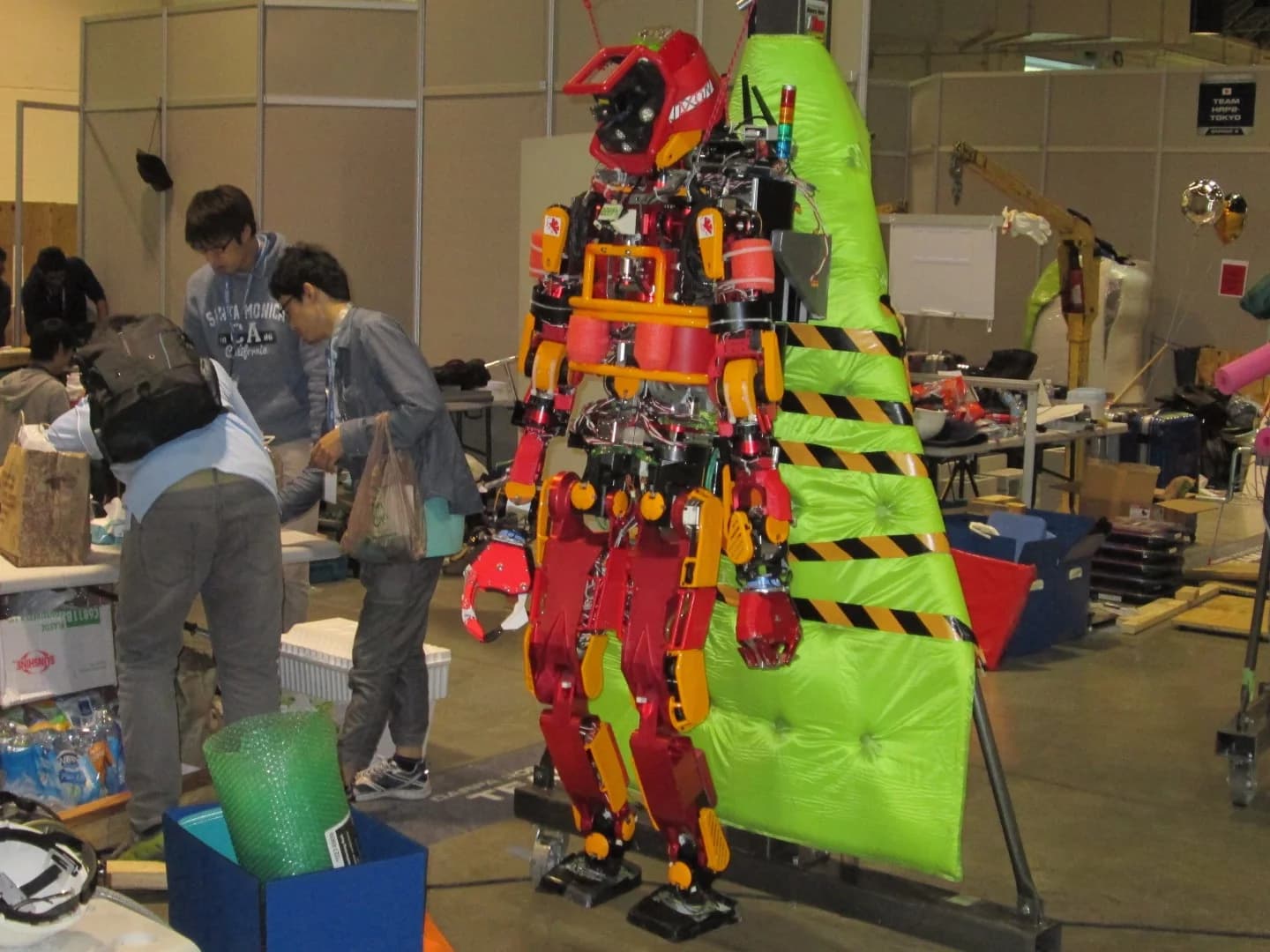
High-power life-size humanoid, 188 cm, for disaster response, walking on two or four limbs and withstanding overturning; DARPA DRC platform. Emerging technology.
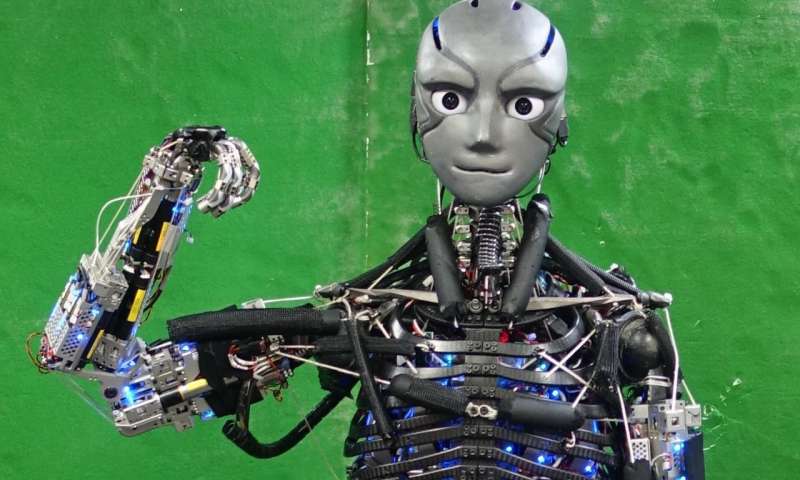
Musculoskeletal humanoid, 1.70 m and 56 kg, with 108 motors, famous for 'sweating' by deionising water to cool itself (IROS 2016). Emerging technology.
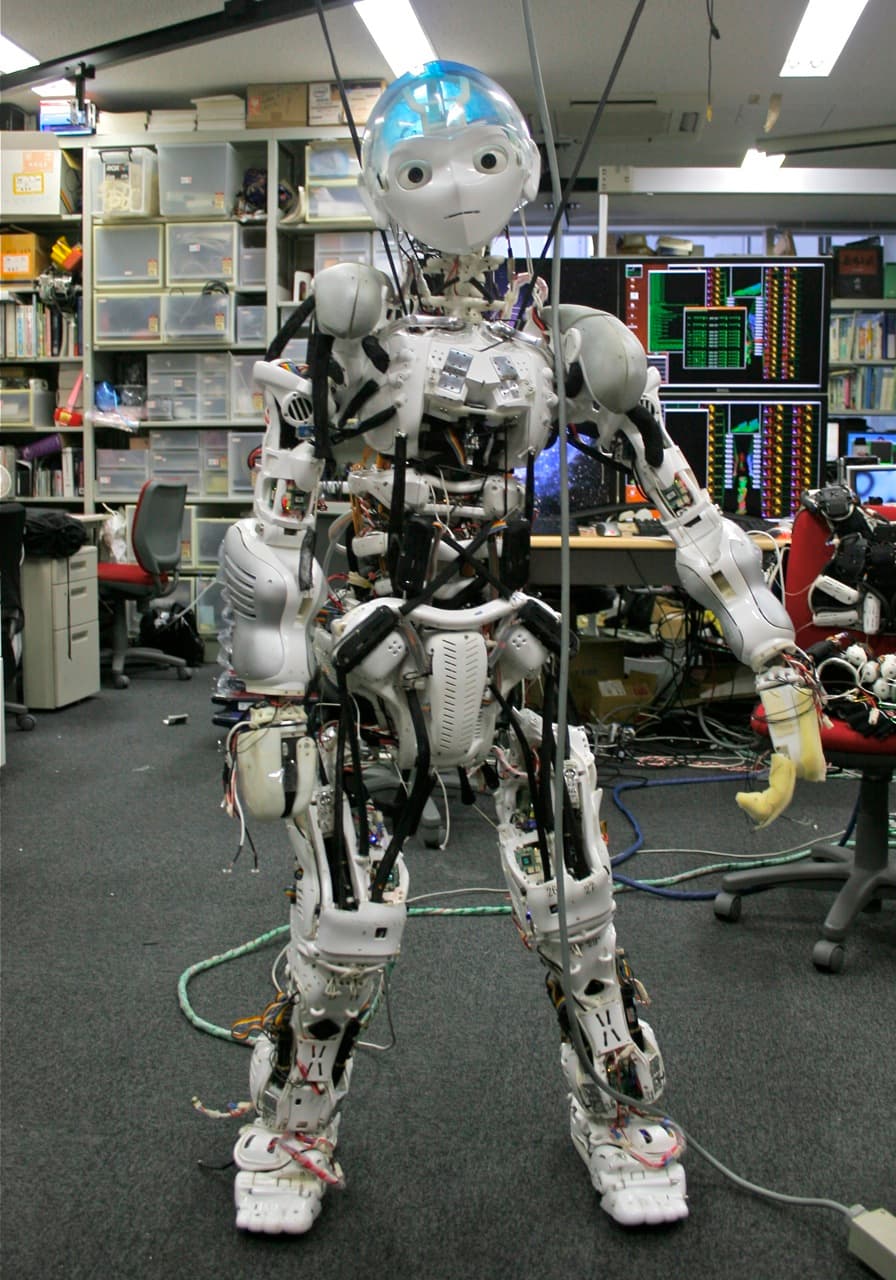
Tendon-driven musculoskeletal humanoid with ~100 tendon-muscle structures, around 60 DOF and a flexible spine; precursor to Kenshiro. Emerging technology.
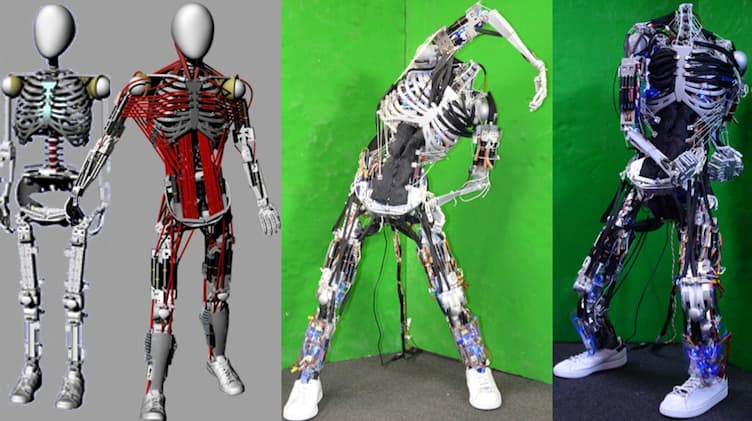
Anatomically accurate musculoskeletal humanoid, 1.58 m and 50 kg, with around 160 muscles, the size of a 12-13-year-old boy (2012). Emerging technology.
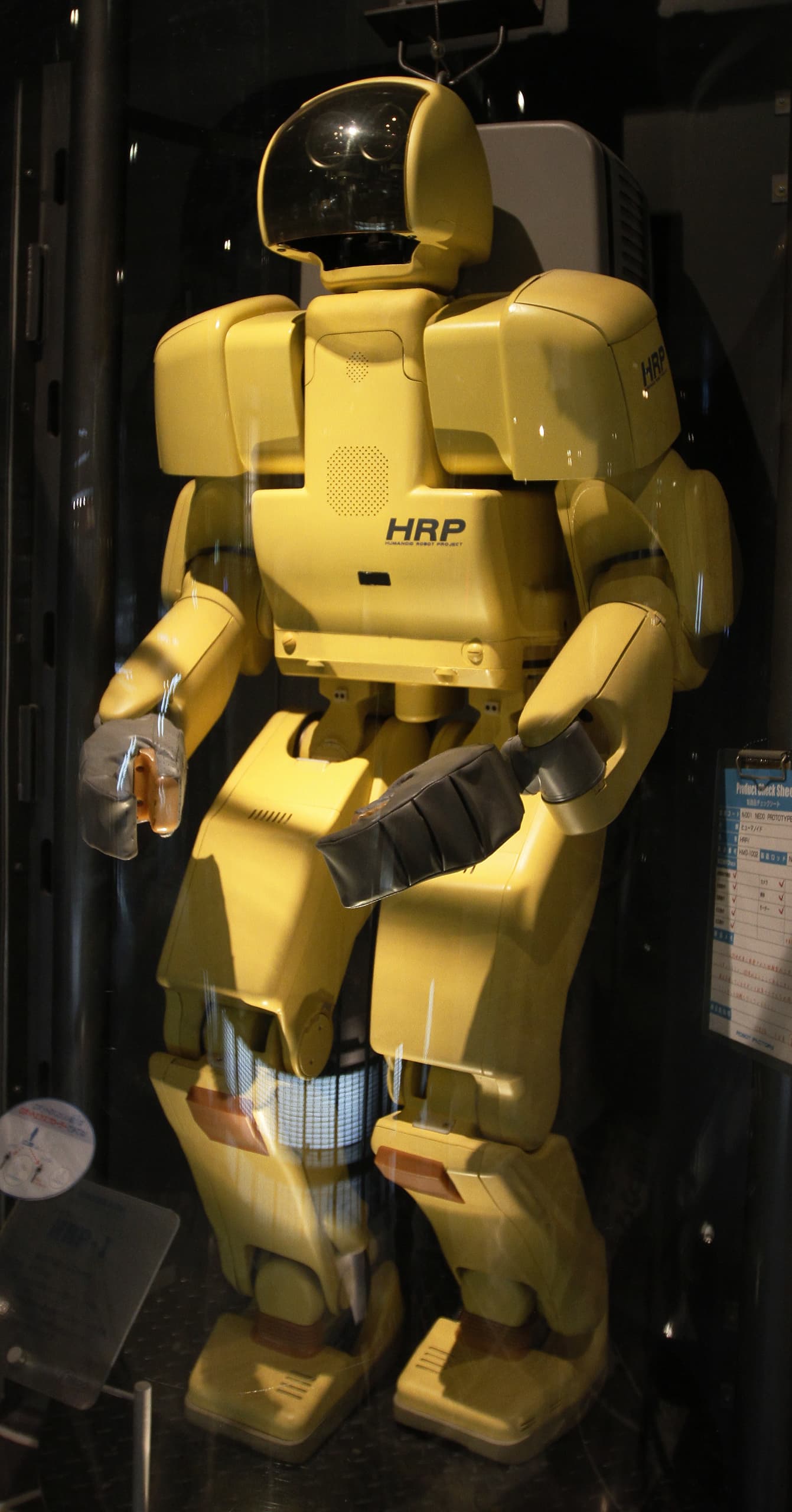
First humanoid in the Humanoid Robotics Project series (2000), 160 cm and 130 kg, based on Honda P3 hardware. Emerging technology.
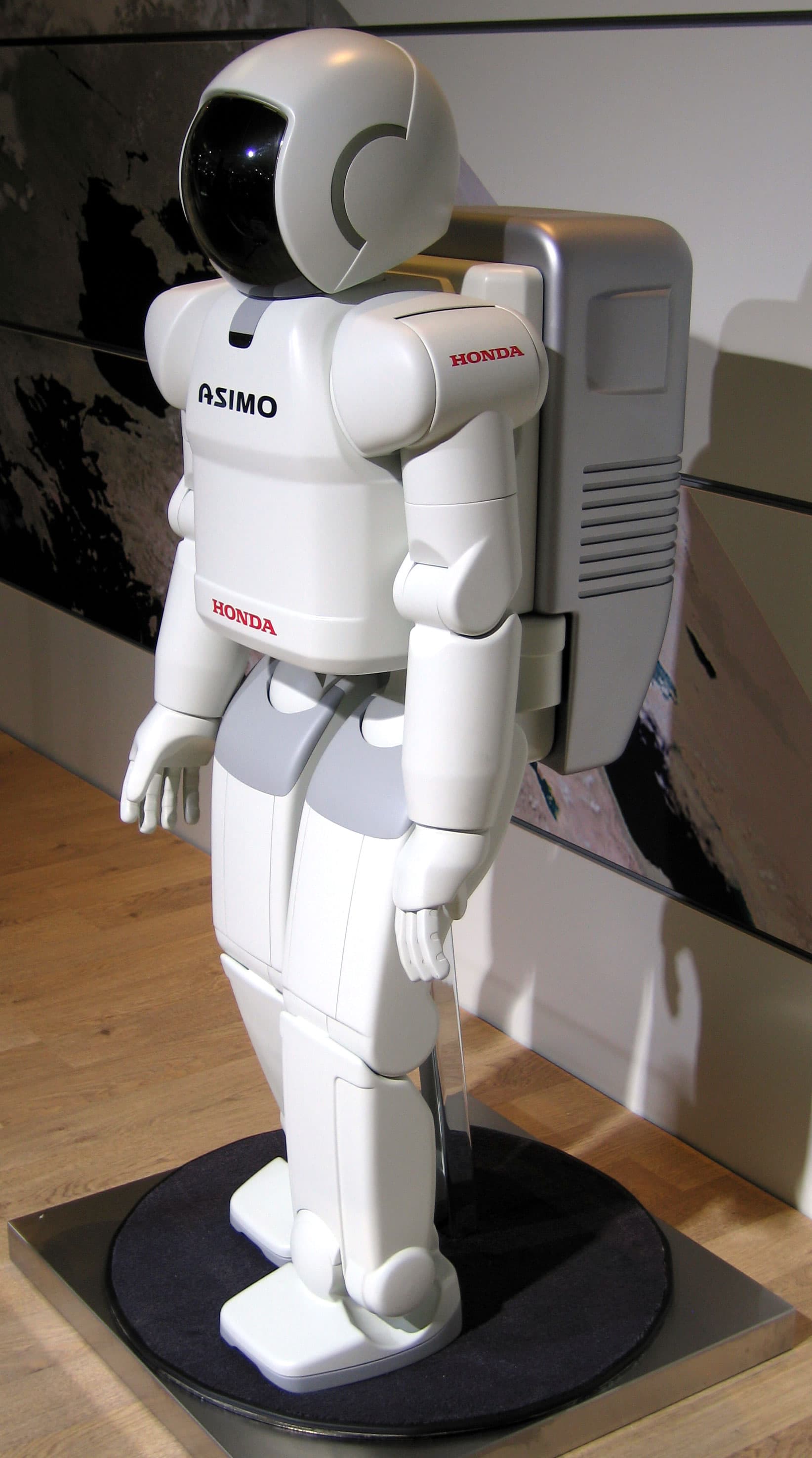
Original ASIMO version (2000), 120 cm and 43 kg, designed to operate switches and handles in human spaces; milestone in humanoid robotics. Emerging technology.
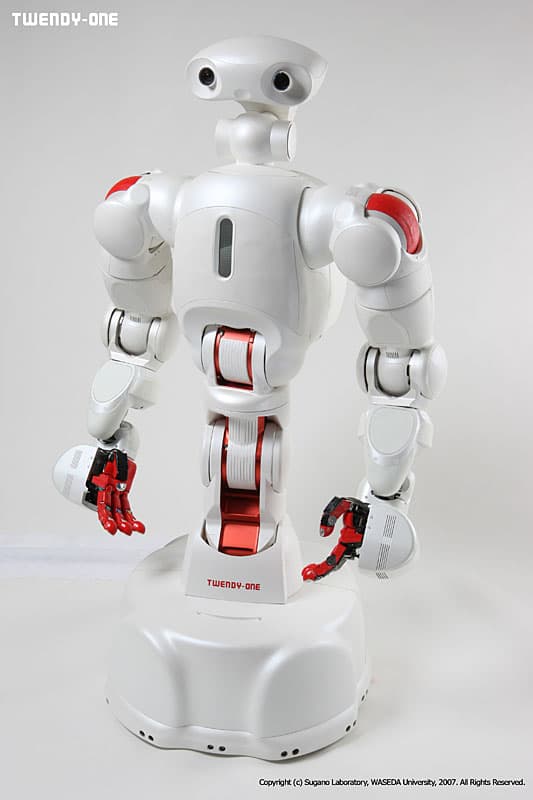
Human-symbiotic humanoid (2007) with a torso, dual arms and compliant anthropomorphic hands on an omnidirectional wheeled base, for assistance and care. Emerging technology.

Female android (2005) with 42 pneumatic actuators and 42 DOF, reacting autonomously to visitors; precursor to Geminoid. Emerging technology.
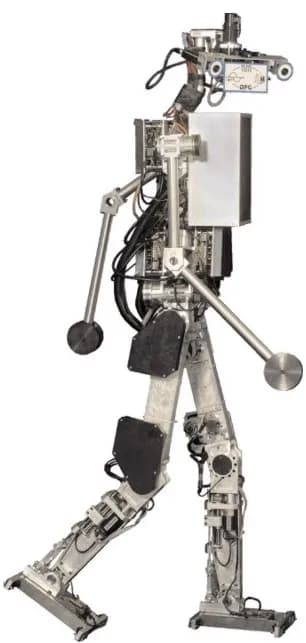
Autonomous bipedal humanoid (2003), 1.80 m, with a dynamically stable anthropomorphic gait, walking up to 2.4 km/h; predecessor to LOLA. Emerging technology.
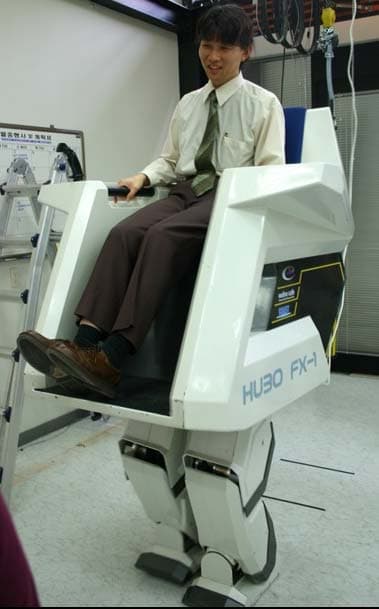
Rideable bipedal platform, 139 cm (199 cm with cockpit), 12 DOF, payload up to 100 kg; scaled version of HUBO's lower body. Emerging technology.
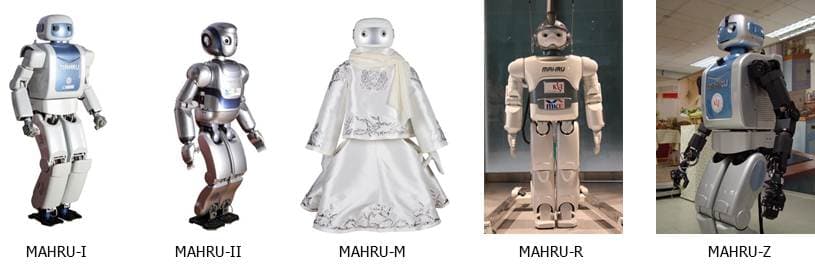
Network-based bipedal humanoid (KIST + Samsung), around 150 cm and 62 kg, obtaining intelligence from the network; Mahru/Mahru-R series. Emerging technology.
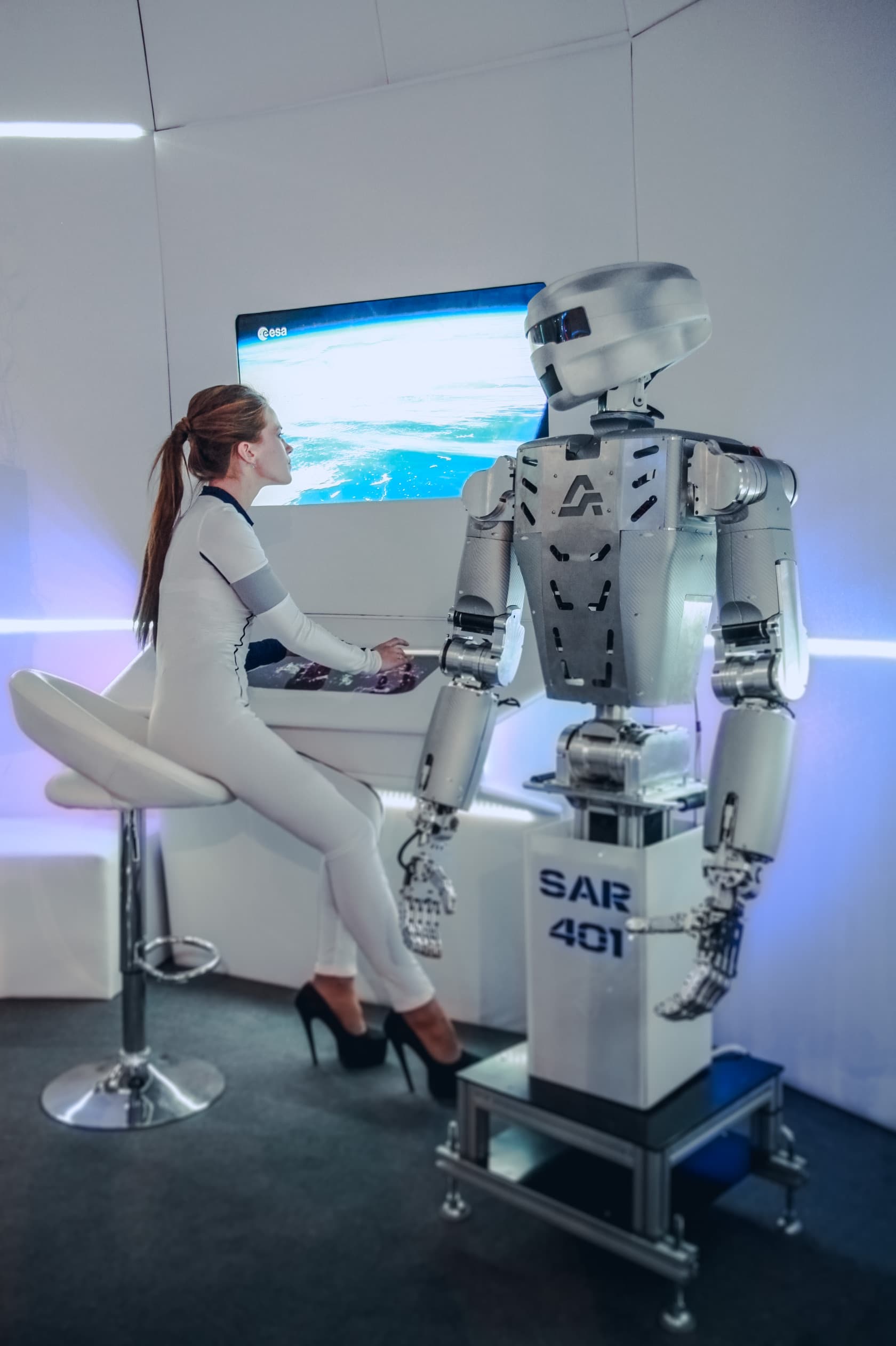
Teleoperated anthropomorphic torso for space assistance, lifting up to 10 kg on the ground, controlled by force-feedback gloves; precursor to FEDOR. Emerging technology.
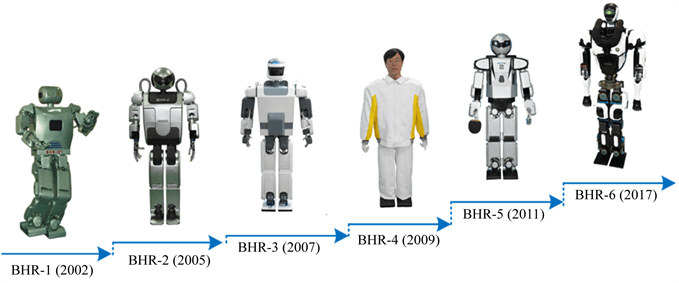
Academic bipedal humanoid series since 2002 (e.g. BHR-2, 1.6 m, 32 DOF); BHR-5 plays table tennis against a human. Emerging technology.
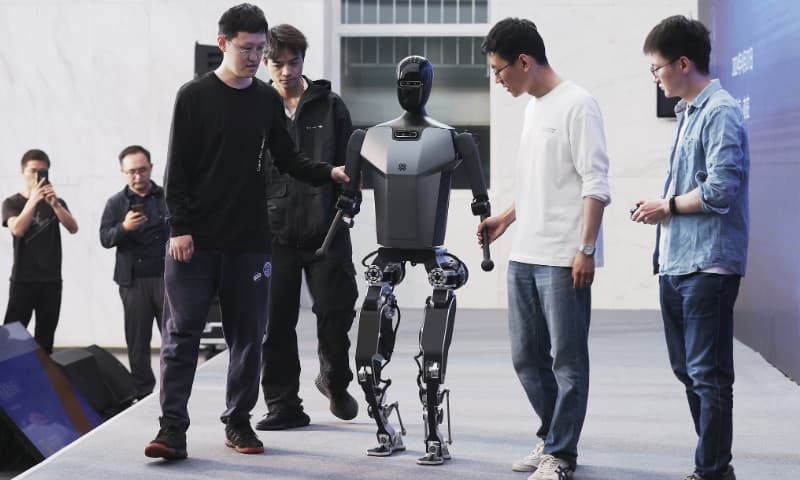
Full-size humanoid capable of running, winner of Beijing's first robot half-marathon (2025), with a runner's posture; recent state-backed platform. Emerging technology.
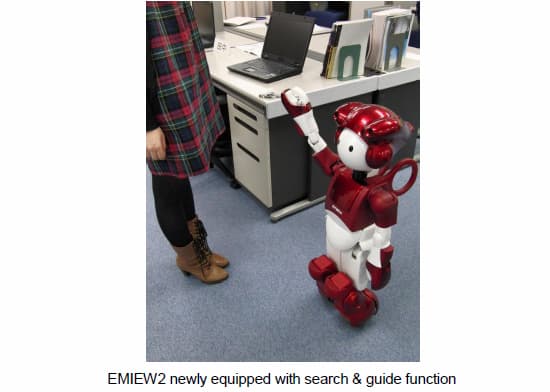
Wheeled humanoid, 80 cm and 14 kg, with a leg-wheel mechanism, travelling at 6 km/h, mapping and long-range voice recognition (2007). Emerging technology.
Bear-faced carebot with a humanoid torso and arms, lifting people up to 80 kg; ROBEAR (2015) weighs 140 kg with low-reduction-ratio actuators. Emerging technology.
RoboCup TeenSize football humanoid (2008), with 13 active DOF and parallel leg kinematics, winner of multiple TeenSize editions. Emerging technology.
Academic bipedal humanoid series (THBIP-I with 32 DOF; THBIP-II, 75 cm, 18 kg, 24 DOF) for locomotion and control research. Emerging technology.
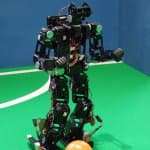
Large independently developed bipedal humanoids (e.g. Hajime Robot 33, ~2.1 m in 2009), with a box-frame structure and custom high-torque actuators. Emerging technology.
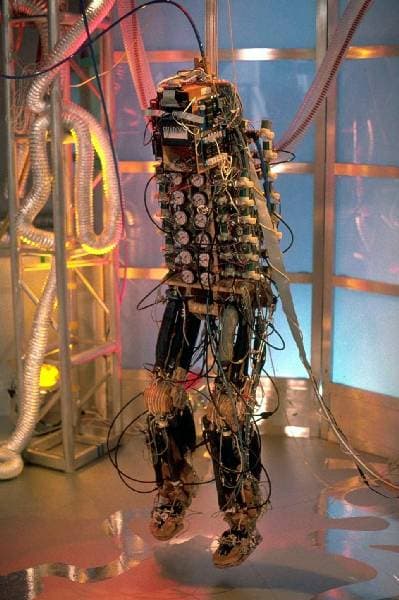
Experimental bipedal robot (1988), around 1.68 m, powered by 28 pneumatic 'air-muscles'; now at London's Science Museum. Emerging technology.
325 humanoid catalogue entries · Maturity and availability vary by model